

Healthy, shiny hair doesn’t have to mean spending a fortune on expensive products or following a complicated beauty routine. Sometimes, a few simple changes to the way you wash, condition and care for your hair can make all the difference.
Whether you’re dealing with dry ends, an itchy scalp, breakage or hair that seems to have lost its shine, understanding what your hair actually needs is a good place to start.
The best hair care routine will depend on your hair type, scalp condition and lifestyle. However, there are some everyday habits that can help keep your hair looking and feeling its best.
Here are five simple hair care tips to help you build a healthier routine, from choosing the right shampoo to looking after your hair from the inside out.
5 Essential Hair Care Tips for All Hair Types
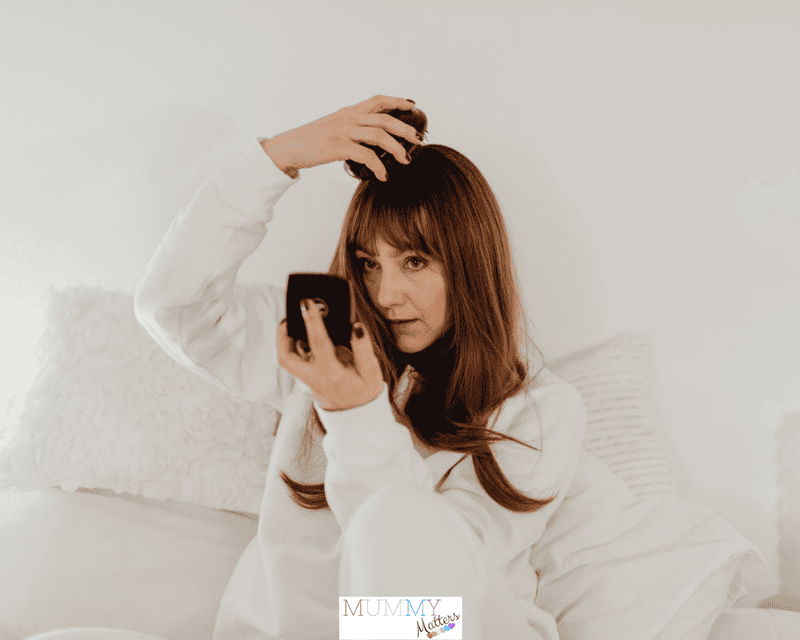
Everyone’s hair is different. What works beautifully for someone with thick, curly hair might not be suitable for someone with fine, straight hair or a sensitive scalp.
Your hair type, how often you wash it and the products you use can all influence its condition. However, whether your hair is naturally oily, dry, curly or colour-treated, there are some basic hair care habits worth following.
The following five tips will help you build a simple routine that works for your hair without making things unnecessarily complicated.
1. Choose the Right Shampoo for Your Hair Type

Choosing the right shampoo is one of the simplest ways to improve your hair care routine. With so many products promising thicker, shinier or healthier hair, it’s easy to feel overwhelmed by the choices.
Rather than focusing on whether a shampoo is labelled natural, organic or chemical-free, think about what your hair and scalp actually need.
If your hair tends to become greasy quickly, a gentle cleansing shampoo may help remove excess oil and product build-up. Dry, curly or colour-treated hair may benefit from a moisturising formula that cleanses without leaving the hair feeling stripped.
Those with sensitive scalps might prefer fragrance-free products, particularly if they experience itching or irritation after washing.
Ingredients such as aloe vera and conditioning oils can help improve how your hair feels, but remember that natural ingredients aren’t automatically better or safer than synthetic ones.
The most important thing is finding a shampoo that leaves your scalp comfortable and your hair feeling clean without excessive dryness.
Pro Tip
If you’re trying a new shampoo, pay attention to how your hair and scalp feel after washing. Your scalp should feel clean and comfortable, without itching or tightness, while your hair shouldn’t feel excessively dry or tangled.
You don’t necessarily need to spend more to get good results. A reasonably priced shampoo that suits your hair type can work just as well as a luxury product.
If you regularly use styling products or dry shampoo, an occasional clarifying shampoo may help remove build-up. Just be careful not to overuse it, particularly if your hair is already dry or damaged.
2. Use Hair Oils to Help Nourish Dry Hair
Hair oils have been used in beauty routines for generations, and they can be a useful addition to your hair care routine, particularly if your hair is naturally dry, curly or prone to breakage.
Coconut oil is a popular choice because research suggests it can penetrate the hair shaft and help reduce protein loss. Other oils, such as argan oil, can help smooth the surface of the hair, reduce friction and make dry ends feel softer.
However, not every oil will suit every hair type. Fine hair can become weighed down by heavier oils, while thicker or coarser hair may benefit from a little extra moisture retention.
It’s also worth remembering that looking after your hair and caring for your scalp aren’t quite the same thing. Although gently massaging your scalp can feel relaxing, applying oils directly to the scalp isn’t always advisable, particularly if you experience dandruff, irritation or certain other scalp conditions.
If you’re introducing a new hair oil, start with a small amount on the mid-lengths and ends of your hair and see how it responds. You can always adjust the quantity depending on your hair’s needs.
Pro Tip
If your hair feels particularly dry, try applying a small amount of coconut oil to the mid-lengths and ends before washing. Leave it on for around 20–30 minutes, then shampoo and condition your hair as usual.
Start with a small amount, especially if you have fine hair, as too much oil can leave it looking greasy or weighed down. There’s no need to heat the oil or leave it on overnight.
If you have an itchy, flaky or irritated scalp, avoid applying oils directly to the affected areas until you understand what’s causing the problem.
3. Focus Shampoo on Your Scalp and Conditioner on Your Hair
How you wash your hair can make just as much difference as the products you choose. One common mistake is applying shampoo generously along the entire length of the hair rather than concentrating on the scalp, where oil, sweat and product build-up tend to accumulate.
The American Academy of Dermatology recommends applying shampoo primarily to the scalp, allowing the lather to cleanse the lengths as you rinse. This helps avoid unnecessarily drying out the hair, particularly if it’s already fragile or prone to breakage.
Conditioner, on the other hand, helps smooth and soften the hair, making it easier to detangle and manage. If you have fine or straight hair, concentrating conditioner on the ends may be sufficient. Those with dry or curly hair may benefit from applying it along more of the hair’s length.
The key is to find a balance that leaves your scalp feeling clean and comfortable while keeping your hair soft and manageable.
Pro Tip
When washing your hair, gently massage shampoo into your scalp using your fingertips rather than your nails. There’s no need to scrub vigorously, as this can irritate sensitive skin. Rinse thoroughly with lukewarm water to remove shampoo residue.
Next, apply conditioner to your hair, concentrating on the mid-lengths and ends if they’re particularly dry. Leave it on for the time recommended on the packaging before rinsing. Regular conditioning can help reduce tangles, improve manageability and minimise breakage caused by brushing.
While the right washing and conditioning routine can help maintain healthy hair, persistent scalp dryness deserves closer attention, particularly when it occurs alongside excessive shedding. Readers interested in understanding dry scalp and hair loss can explore how scalp moisture, irritation and different underlying conditions may affect hair health. Identifying the cause of ongoing discomfort is important because ordinary dryness, dandruff and other scalp conditions may require different approaches to care.
It’s also worth paying attention to how your scalp responds between washes. Tightness, itching, visible flakes and increased shedding can provide useful clues about whether your routine is working well. Keeping track of these changes, alongside the products you’re using, may help identify possible irritants.
If you experience persistent itching, inflammation, noticeable hair thinning or unusual hair loss, speak to your GP rather than relying solely on over-the-counter hair products.
4. Stay Hydrated to Support Your Overall Health

Drinking enough water is important for your general health, and looking after your body is part of maintaining healthy hair. However, while dehydration can affect how you feel and how your body functions, there’s limited evidence that drinking extra water directly improves hair growth or prevents split ends.
The NHS recommends aiming for around six to eight glasses or cups of fluid a day, although you may need more during hot weather or when exercising.
Water, milk, tea and other drinks all contribute to your daily fluid intake. You can also get fluids from foods such as cucumber, melon, oranges and soups.
Rather than forcing yourself to drink several litres of water in the hope of growing longer hair, focus on staying comfortably hydrated throughout the day.
If you’re experiencing unusual hair shedding or thinning, it’s worth considering other possible causes, including nutritional deficiencies, hormonal changes and certain medical conditions.
Pro Tip
If you struggle to drink enough water throughout the day, try keeping a reusable water bottle nearby as a gentle reminder to take regular sips.
Adding slices of lemon, cucumber or fresh mint can make plain water more appealing. You can also include water-rich foods such as strawberries, watermelon and cucumber in your meals and snacks.
There’s no need to invest in expensive beauty drinks or supplements marketed for hair hydration. A balanced diet and drinking enough fluids to meet your body’s needs are a much better starting point.
5. Eat a Balanced Diet to Support Healthy Hair
What you eat can influence the health of your hair, particularly if your diet is lacking in essential nutrients. While no single food will magically make your hair grow faster or thicker, eating a varied, balanced diet helps provide the nutrients your body needs for normal hair growth.
Protein is particularly important because hair is primarily made from keratin, a type of protein. Foods such as eggs, fish, chicken, beans, lentils and dairy products can all help you meet your daily protein needs.
Iron also plays an important role in maintaining healthy hair. Low iron levels can contribute to excessive shedding, particularly in women who experience heavy periods. Good dietary sources include lean red meat, beans, lentils and fortified breakfast cereals. Combining plant-based iron sources with vitamin C-rich foods can help your body absorb the iron more effectively.
Zinc supports normal cell growth and repair, while omega-3 fatty acids are important for general health. You can find zinc in foods such as meat, dairy products, beans and nuts, while oily fish, walnuts and flaxseeds provide omega-3 fats.
It’s also important to get enough vitamins and minerals from a varied diet rather than relying on expensive supplements marketed for hair growth.
If you’ve noticed significant hair thinning or unusual shedding, speak to your GP before taking supplements. Hair loss can have several underlying causes, and taking unnecessary supplements, particularly high doses of certain vitamins and minerals, can sometimes do more harm than good.
If you’re exploring different ways to care for thinning hair, you might also find my article about the Scandinavian Biolabs hair growth routine useful, where I take a closer look at products designed for people concerned about hair loss.
Pro Tip
You don’t need a special diet to look after your hair. Try including a source of protein with your main meals, such as eggs at breakfast, chicken or chickpeas at lunch, and fish, beans or lentils with your evening meal.
Aim for plenty of variety throughout the week, including colourful fruit and vegetables, wholegrains and healthy fats.
If you’re vegetarian or vegan, pay particular attention to nutrients such as iron, vitamin B12 and zinc, which can require a little more planning to obtain in sufficient amounts.
Remember, healthy hair starts with looking after your overall health, and consistency matters more than following the latest beauty food trends.
Wrapping Up
Looking after your hair doesn’t have to involve an expensive collection of products or a complicated routine. Often, it’s the small, consistent habits that make the biggest difference.
Choosing a shampoo that suits your hair type, conditioning regularly, being gentle when washing and brushing, and eating a balanced diet are all sensible ways to care for your hair.
It’s also worth paying attention to your scalp. Persistent dryness, itching or unusual hair shedding shouldn’t be ignored, particularly if changing your usual products doesn’t help.
Most importantly, remember that everyone’s hair is different. What works for someone else might not work for you, so give yourself time to find a routine that suits your hair, lifestyle and budget.
Healthy-looking hair isn’t about achieving perfection. It’s about finding simple ways to care for the hair you have.