
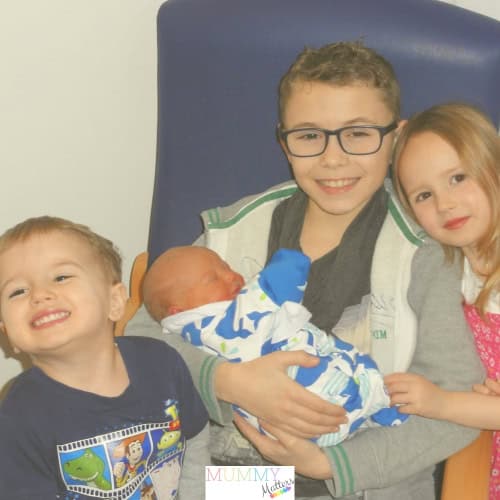
Bringing home baby for the first time when you already have children can feel exciting, emotional and, if we’re honest, a little nerve-wracking too. No matter how much your older child loves the idea of a baby brother or sister, the reality of sharing your time, attention and routines can take some adjustment.
Having introduced three new babies into our family over the years, I quickly learned that every child reacts differently. One was instantly besotted, another became extra clingy for a while, and one simply carried on as though the new arrival had always been there. That’s the thing about siblings — there’s no perfect reaction and no single “right” way for them to feel.
The good news is that there are lots of gentle ways to prepare your child for a new sibling and help them feel secure, included and loved when baby arrives.
Whether you’re preparing a toddler for a new baby sibling or helping an older child adjust to the new family dynamic, these tips can make the transition feel calmer for everyone.
Why Introducing a New Baby to Older Siblings Matters

The arrival of a new baby changes the entire rhythm of family life. Even children who are excited about becoming a big brother or big sister may suddenly feel uncertain once the baby comes home.
Your older child may worry about:
- Whether they are still special
- Sharing attention with another baby
- Changes to routines
- Noise and disrupted sleep
- Seeing mum or dad busy feeding the baby
- Having less one-to-one time
Preparing children early helps them feel involved instead of pushed aside. It also gives them time to adjust to a new sibling emotionally before the baby is born.
When Should You Tell Your Child There’s a New Baby?
There’s no exact perfect time, but many parents choose to tell their child once the pregnancy feels established and the baby bump begins to show.
For younger children, especially a toddler, nine months can feel like forever, so timing matters. Too early and they may lose interest or become confused. Too late and they may feel unsettled by sudden changes.
When you tell your child:
- Keep explanations simple and age-appropriate
- Use positive language
- Explain that babies need lots of care at first
- Reassure your child they are still deeply loved
You can also help your toddler about a new baby by:
- Reading sibling books together
- Looking at baby photos of them
- Talking about life with a new baby
- Letting them feel the baby bump
- Encouraging them to talk to the baby
For many children, seeing scans and gently touch baby through the bump helps make the idea of a new baby feel more real.
How to Prepare Your Toddler for a New Baby
Preparing a toddler for a new sibling often takes patience because younger children struggle to fully understand what’s changing.
One thing that helped us enormously was involving our children throughout the pregnancy rather than treating the baby as a separate “grown-up” topic.
Let Your Child Feel Included
Simple jobs help children feel important before baby arrives:
- Choosing baby grows
- Helping decorate the nursery
- Packing the hospital bag
- Picking a toy for baby
- Choosing books to read to the little baby
You could even buy a baby doll so your toddler can practise cuddling, nappy changes and holding a baby gently.
Keep Big Changes Separate
If possible, avoid:
- Moving your older child into a new bedroom right before the birth
- Starting potty training close to delivery
- Removing dummies suddenly
- Changing childcare arrangements at the last minute
Too many changes at once can make an older child feel insecure.
Ideally, major transitions should happen months before baby arrives so your child doesn’t associate the disruption with the new baby sibling.
Bringing Home Baby: Making the First Meeting Special
The moment siblings meet for the first time is one parents often remember forever.
One tip that worked beautifully for us was making sure the baby wasn’t in my arms when the children came to see the baby. Instead, baby was settled in the crib so my arms were free for a cuddle first.
That small moment mattered more than I expected.
Each child ran straight to me for reassurance before turning their attention to their new brother or sister. It helped remove any feeling that the baby was replacing them.
Keep First Introductions Calm
When bringing home baby:
- Avoid overwhelming your child with too many visitors
- Let them approach in their own time
- Don’t force interaction
- Praise gentle behaviour
- Allow curiosity and questions
Some children instantly want to hold the baby. Others may simply observe quietly from a distance for a while.
Both are completely normal.
Let Older Siblings Help With the Baby
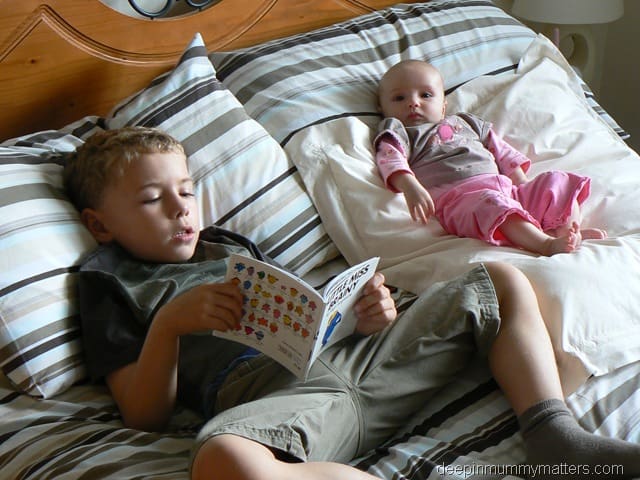
Children often cope better when they feel involved.
Even very small tasks can help your child feel valued:
- Fetching nappies or wipes
- Choosing baby clothes
- Singing to the baby
- Helping during bath time
- Passing muslins during feeding baby
If your older sibling wants to hold the baby, supported cuddles can be a lovely bonding experience. We always made sure the children sat safely on the sofa or floor while we carefully placed baby on them.
Giving children responsibility — even tiny responsibilities — helps build confidence and connection.
Make Time With Your Older Child a Priority
One of the hardest parts of the first few weeks is that babies are incredibly demanding. Feeding the baby, changing nappies and broken sleep can easily consume the day.
But even small moments of connection matter enormously.
I used feeding baby time as cuddle-and-story time with the older children. I’d feed the baby while reading books, watching cartoons together or simply chatting about their day.
It helped reassure your older child that they still had access to you emotionally, even when the baby needed attention.
Simple Ways to Stay Connected
- Read together daily
- Keep bedtime routines consistent
- Have one-to-one chats
- Give your child small choices
- Spend ten uninterrupted minutes together each day
Children don’t necessarily need hours of attention — they need reassurance that they still matter.
How to Handle Jealousy After Baby Comes Home
Even the sweetest big brother or big sister may struggle once the novelty fades.
Your older child may:
- Become clingy
- Regress slightly
- Ask for bottles or nappies again
- Blame the baby for things
- Act out for attention
- Become emotional more easily
This does not mean they dislike the baby sibling.
It usually means they’re adjusting.
What Helps Most
- Stay calm and patient
- Avoid telling them to “be grown up”
- Acknowledge their feelings
- Reassure your child often
- Avoid comparing siblings
- Praise positive behaviour naturally
Sometimes simply saying:
“It’s hard when babies need so much attention, isn’t it?”
can help a child feel understood.
Helping a Toddler Adjust to a New Sibling

A toddler may find sharing parents particularly difficult because they are still very dependent emotionally themselves.
To help your toddler:
- Keep routines predictable
- Offer plenty of physical affection
- Let your child help when possible
- Avoid constantly saying “wait”
- Include them in baby care gently
One helpful trick is occasionally telling the baby:
“Wait a minute baby, I’m helping your big brother first.”
It sounds simple, but it helps older child feel seen and prioritised too.
Should You Buy a Gift “From the Baby”?
Many parents buy a small gift for the baby sibling to “give” the older child.
We did this each time and it genuinely helped create positive associations.
The gift for the baby doesn’t need to be expensive. The point is simply to help the older child feel remembered during a time when everyone’s attention naturally shifts towards the new arrival.
Good ideas include:
- Colouring sets
- LEGO
- Books
- Cuddly toys
- “Big brother” or “big sister” gifts
What If Your Child Doesn’t Like the Baby at First?
This is more common than many parents admit.
Some children ignore the baby completely. Others may say things like:
- “Send the baby back.”
- “I don’t like the baby.”
- “Put the baby down.”
While difficult to hear, these reactions are usually temporary.
Children are processing huge emotional changes and may simply need more time to adjust to the new family setup.
Try not to shame or panic over honest feelings.
Instead:
- Stay emotionally available
- Keep routines stable
- Continue offering reassurance
- Focus on connection rather than correction
Over time, most siblings naturally develop their own bond.
Encouraging a Strong Sibling Bond Over Time
The relationship between siblings develops gradually.
In the early months, your baby may simply observe their older sibling with fascination. Later comes laughter, games, storytelling and eventually — yes — arguments too.
But those early foundations matter.
Children who feel secure, included and emotionally safe are more likely to build positive sibling relationships as they grow.
Some lovely ways to nurture the bond include:
- Reading together
- Taking sibling photos
- Letting the older child talk to the baby
- Celebrating their role as a big brother or sister
- Encouraging gentle interaction without pressure
And honestly? Watching your children form their own relationship is one of the most emotional and rewarding parts of parenting.
Frequently Asked Questions
How do I prepare my child for a new sibling?
Prepare your child by involving them throughout pregnancy, talking positively about the baby, maintaining routines and reassuring them that they are still loved and important.
What is the best age gap between siblings?
There is no perfect age gap. Every family dynamic is different and children adapt differently depending on temperament, personality and support.
Is jealousy normal when a new baby arrives?
Yes. Many children experience jealousy, clinginess or emotional outbursts after a new baby arrives. These reactions are usually temporary and improve with reassurance and connection.
How can I help my toddler adjust to a new baby?
Keep routines predictable, spend regular one-to-one time together, involve them in baby care and acknowledge their feelings without judgement.
Should older siblings hold the baby?
Yes, if they want to and an adult is supervising closely. Many children enjoy helping hold baby safely while sitting down.
Final Thoughts on Introducing a New Baby to Older Siblings
The arrival of a new baby is a huge adjustment for the whole family — especially for children who have previously had your full attention.
There may be difficult moments, emotional days and periods where your older child may need extra reassurance. That’s completely normal.
But there’s also something incredibly special about watching siblings discover each other for the first time.
The cuddles. The kisses on baby’s head. The proud “big brother” moments. The way your baby watches their older sibling with total fascination.
It won’t always be smooth, but it will almost certainly become one of the most meaningful relationships in their lives.
And one day, when they’re giggling together in another room, you’ll realise all the adjustment was worth it.
Disclaimer: This post was originally written on 28 April 2015 when I was introducing our new babies to their older siblings. I have since updated and expanded the content to reflect our full experience and to offer clearer, more practical guidance for today’s parents.