
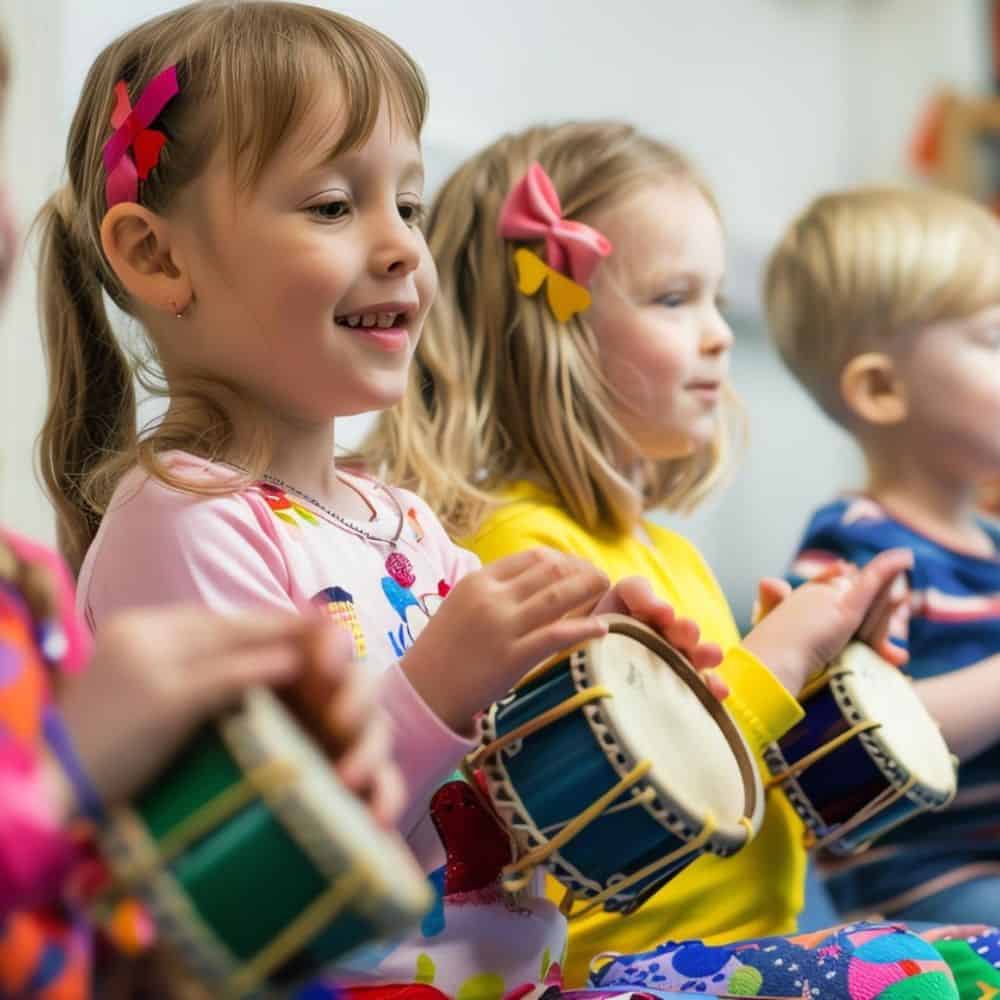
Whether your child dreams of playing in a school band, singing while strumming a guitar or simply enjoys making noise with a tambourine, there is no “perfect” age to start making music. In fact, learning music can benefit people at every stage of life, from curious toddlers discovering rhythm for the first time to adults finally ticking an instrument off their bucket list.
Learning a musical instrument is demonstrably good for a child’s development. Studies have found that learning music improves concentration, memory, coordination, academic performance, and so much more. Adults can also learn a musical instrument and receive its benefits as well. For children, it can improve memory, concentration, coordination, listening skills and confidence, while also encouraging patience, perseverance and self-expression. For adults, learning an instrument can help reduce stress, keep the brain active and provide a rewarding new hobby.
Knowing how to introduce music to your child doesn’t have to mean signing them up for expensive lessons straight away. The best approach is to make music a natural and enjoyable part of everyday life, allowing them to explore different sounds and discover what sparks their interest before asking them to learn a single musical instrument.
In this guide, we’ll look at the best instruments to learn at every age, from babies and toddlers through to teenagers and adults. We’ll also share practical tips to help you choose an instrument that suits your child’s age, personality and interests, making it far more likely that they’ll enjoy playing for years to come.
Why Learning Music Benefits Children (and Adults)
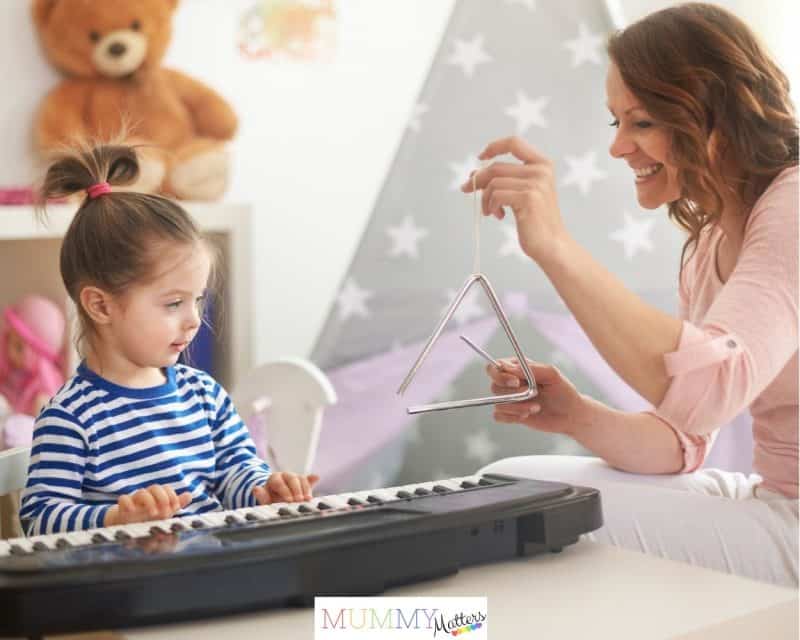
Music is much more than an enjoyable hobby. Whether you’re encouraging a toddler to clap along to nursery rhymes or taking your first piano lesson in your fifties, learning an instrument exercises both the mind and body in ways that few other activities can.
For children, learning music encourages problem-solving, improves memory and strengthens concentration. Following rhythms, recognising patterns and reading simple notation all challenge the brain while developing valuable cognitive skills that can transfer into other areas of learning. It’s one of the reasons many educators believe music education contributes to child development alongside traditional classroom subjects.
Playing an instrument also helps develop fine motor skills, hand-eye coordination and listening skills. Young musicians learn patience through regular practice, build resilience by overcoming challenges and often gain confidence as they master new pieces or perform in front of others.
The social benefits shouldn’t be overlooked either. Whether children play in a school orchestra, join a local band or simply perform for family members at home, music creates opportunities to communicate, collaborate and make new friends through shared interests.
Adults can enjoy many of the same benefits. Research suggests that learning an instrument later in life can help keep the brain active, improve memory and provide a welcome escape from the stresses of everyday life. Many people also find that practising music is a mindful activity, allowing them to switch off from work and focus entirely on the present moment.
The good news is that there is no “right” age to start. Every stage of life brings different strengths, and with the right instrument and realistic expectations, anyone can discover the joy of making music.
Best Instruments for Babies and Toddlers
The earliest years are all about exploration rather than mastery. Your goal isn’t to encourage your little one to play perfectly but to introduce music to your child in a fun, pressure-free way. Singing together, dancing around the living room and experimenting with different sounds all help build positive associations with music that can last a lifetime.
Rather than expecting them to learn a single musical instrument, focus on creating enjoyable musical experiences. At this age, curiosity is far more important than technique.
Ways to engage your baby and toddler through music
There are plenty of ways to engage your baby and toddler without investing in expensive instruments. Try:
- Singing nursery rhymes together every day.
- Clapping or tapping along to the beat of songs.
- Dancing to different styles of music.
- Exploring homemade instruments, such as rice in a sealed container to make a shaker.
- Attending parent-and-child music groups where they can experience rhythm, movement and singing alongside other children.
These activities help develop listening skills, coordination and a natural sense of rhythm while keeping music enjoyable.
Percussion instruments
It’s no surprise that many babies and toddlers love banging on anything within reach! Simple percussion instruments are often the perfect introduction because they don’t require complex movements or fine motor skills.
Shakers, tambourines, maracas, hand drums and rhythm sticks allow young children to experiment with different sounds while improving coordination and developing an understanding of beat and tempo.
If you’re interested in exploring drums in more detail, you can learn more About Percussions Specifically Drums by clicking here.
Piano or keyboard
A piano or touch-sensitive keyboard is another excellent choice for young children. Pressing a key creates an immediate sound, helping them understand the relationship between their actions and the music they produce.
While an acoustic piano can be a significant investment, many families begin with an affordable digital keyboard that takes up less space while offering a similar learning experience. As your child’s confidence grows, they’ll already be familiar with the layout of the keys, making it easier to progress to formal lessons later on.
If you’re considering getting started, there are plenty of beginner-friendly online piano lessons available, including this one.
Best Instruments for Preschool and Early Primary School Children

As children reach preschool and the early years of primary school, many begin to show a longer attention span and better hand-eye coordination, making this an excellent time to start exploring a musical instrument more seriously. While every child develops at their own pace, the most important thing is that lessons remain enjoyable rather than feeling like another piece of schoolwork.
If your child is showing an interest in music, try following their lead. Some children are fascinated by the sound of string instruments, while others are drawn to drums or keyboards. Choosing an instrument they’re genuinely excited about is often the biggest predictor of long-term success.
Violin
Although the violin may look like a challenging instrument, it’s often one of the best choices for younger children. Violins are available in a range of child-friendly sizes, allowing children to learn comfortably as they grow.
Learning the violin helps develop posture, balance, coordination and careful listening skills, as children learn to recognise pitch and adjust their finger placement accordingly. It also encourages patience and perseverance, as producing a beautiful sound takes practice.
Recorder
The recorder has introduced generations of children to the world of music, and for good reason. It’s lightweight, affordable and simple enough for beginners to experience success quickly.
Many UK primary schools use the recorder as a child’s first wind instrument because it teaches important musical foundations such as breath control, finger positioning and reading basic notation. These skills transfer naturally to more advanced instruments such as the clarinet, flute and saxophone later on.
Ukulele
The ukulele is another fantastic beginner instrument. Its compact size, lightweight body and four soft strings make it much less intimidating than a full-sized guitar, particularly for smaller hands.
Children can learn simple chords surprisingly quickly, allowing them to play recognisable songs early in their musical journey. This early sense of achievement often helps build confidence and keeps them motivated to continue learning.
If your child develops a love of string instruments, the ukulele also provides an excellent foundation before moving on to the guitar in later years.
Signs your child is ready for lessons
There’s no magic age to begin formal music lessons, but many children are ready when they can:
- Follow simple instructions.
- Sit and focus on an activity for 15–20 minutes.
- Recognise simple patterns and rhythms.
- Show an interest in music without being prompted.
- Enjoy practising without becoming frustrated too quickly.
Remember that children develop at different rates. If lessons don’t feel like the right fit yet, don’t worry. Continuing to enjoy music at home is just as valuable, and many children thrive when they begin a little later.
Best Instruments for Later Primary School Children
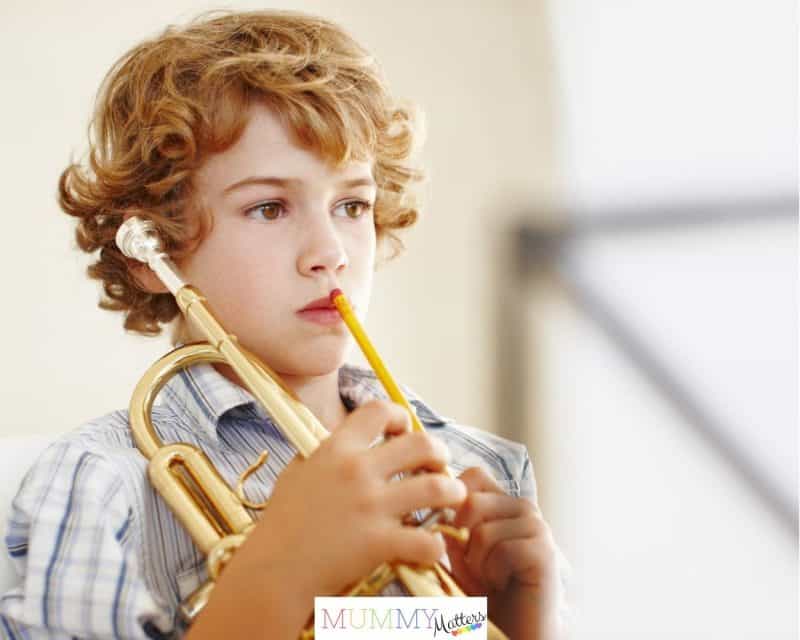
Later primary school is typically defined as grades 4-7, although the exact age can vary depending on where you live. By this stage, children usually have greater finger strength, improved coordination and longer attention spans, making it easier to tackle more challenging instruments and practise for longer periods.
Many schools introduce band and orchestra programmes during these years, giving children the opportunity to learn alongside their classmates and perform as part of a group. This can be a fantastic confidence boost and often makes practising at home feel much more rewarding.
If your child has already experimented with music when they were younger, this is often the age when they’ll begin to discover which instrument they enjoy most.
Some good instrument choices
There are plenty of excellent options at this stage, but some good instrument choices include the clarinet, cello and guitar.
Clarinet
If your child previously learned the recorder, the clarinet is a natural next step. The finger positioning feels familiar, while the addition of keys introduces more advanced techniques and a wider musical range.
The clarinet is a versatile instrument used in school bands, orchestras, jazz ensembles and even contemporary music, making it an excellent long-term choice for children who enjoy wind instruments.
Cello
As children grow taller and stronger, the cello becomes much easier to manage than it would have been during the preschool years. Its rich, warm tone appeals to many young musicians, and it provides an excellent introduction to orchestral playing.
Although the cello is played differently from the violin or viola, many of the same musical skills transfer across, including reading music, bow control and listening carefully to pitch.
Guitar
For many children, this is the ideal time to begin learning the guitar. By later primary school, their hands are usually large enough to press the strings more comfortably, making the learning experience much less frustrating than it can be for younger children.
The guitar is incredibly versatile, allowing children to explore everything from pop and rock to classical and acoustic music. It can be enjoyed as a solo instrument or played alongside friends, making it a popular choice for children who aren’t interested in joining a traditional school orchestra.
When choosing an instrument, it’s worth spending time comparing different makes and models. Reading independent reviews, such as this guide to the best guitar brands from Music Critic, can help you make an informed decision before investing in your child’s first guitar: https://musiccritic.com/equipment/guitars/best-guitar-brands.
Encourage exploration
Remember that children don’t have to stick with the very first instrument they try. Some discover that another instrument suits their personality or playing style much better, and that’s perfectly normal. The goal is to nurture a lifelong enjoyment of music rather than forcing them to continue with something they no longer enjoy.
Best Instruments for Middle School, High School and Beyond
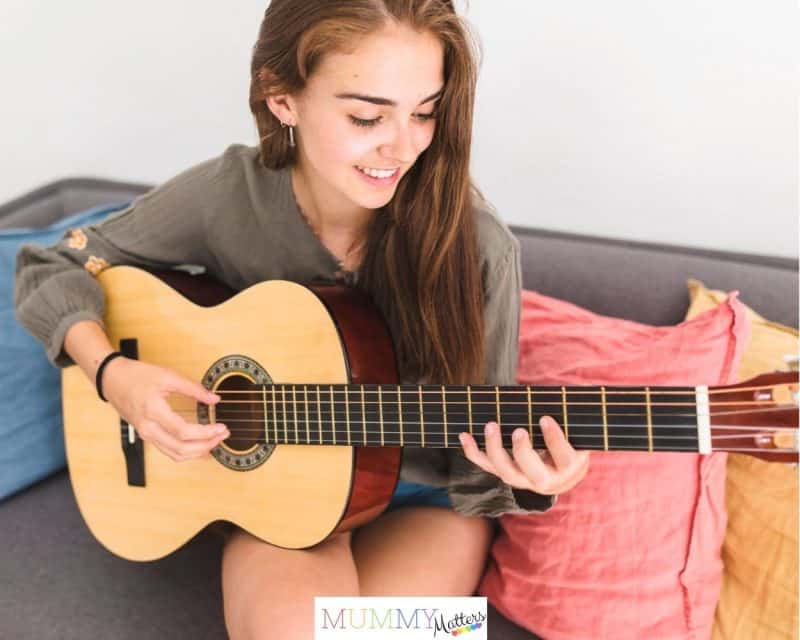
By middle school, many children have already discovered the instrument they enjoy most. Whether they first picked it up through school music lessons, a local youth orchestra or private tuition, these years are often when their skills and confidence begin to flourish.
As teenagers become physically stronger and more coordinated, almost every instrument becomes a realistic option. They may choose to continue developing their existing skills or challenge themselves by learning something completely new. Joining a band, orchestra, choir or musical theatre production can also be a fantastic way to build friendships while developing teamwork, discipline and performance skills.
Formal tuition can also help learners build technique, practise consistently and find opportunities to play with others. Families in and around Lafayette, Colorado, can explore music lessons for all ages, including programmes for children, teenagers and adults at different experience levels.
By the time students reach high school, most are close to their adult size, making larger instruments such as the double bass, tuba, harp and full-sized drum kit much easier to play. Some young musicians even begin preparing for graded music exams or consider studying music at college or university.
Of course, learning an instrument isn’t just for children. Plenty of adults decide to start playing later in life, whether they’ve always wanted to learn the piano, finally have time to master the guitar or are returning to an instrument they enjoyed when they were younger. Adults often bring patience, determination and self-motivation to their learning, proving that it’s never too late to enjoy the rewards of making music.
Ultimately, the best instrument is the one that keeps you inspired to pick it up again tomorrow. Whether that’s a violin, keyboard, saxophone or drum kit, choosing something that genuinely excites you is far more important than following trends or worrying about what’s considered the “best” instrument to learn.
How to Choose the Right Musical Instrument
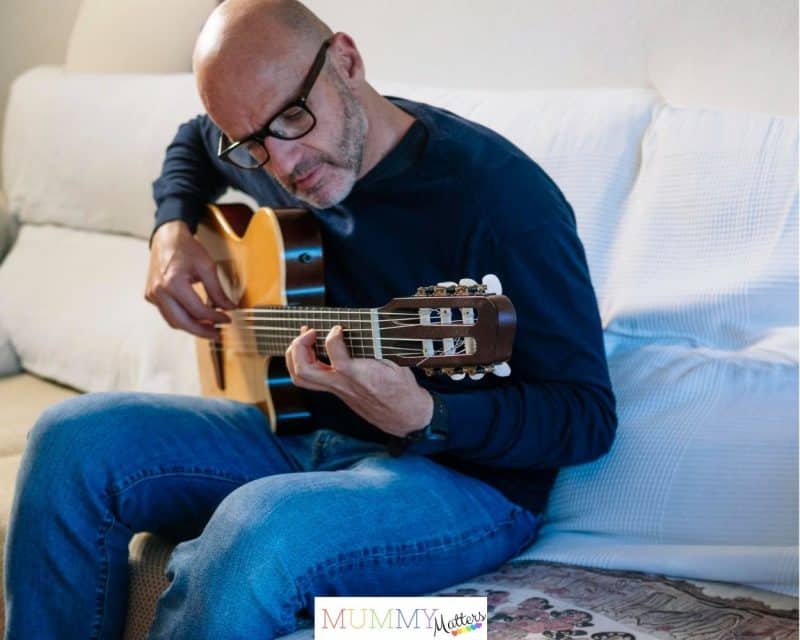
With so many instruments to choose from, it’s easy to feel overwhelmed. While age is an important consideration, it shouldn’t be the only factor. Every child is different, and the right instrument is often the one that matches their personality, interests and enthusiasm.
Here are a few things to think about before making your decision:
Follow your child’s interests
If your child is constantly pretending to play the drums with wooden spoons or can’t stop singing into a hairbrush, pay attention! Children are far more likely to stick with an instrument they genuinely enjoy than one they’ve been encouraged to choose.
Whenever possible, let them listen to different instruments, watch live performances or even try a few out before committing to lessons.
Think about size and comfort
An instrument should feel comfortable to hold and play. Many string instruments, including violins and cellos, are available in smaller sizes for children, while keyboards and ukuleles are often easier for younger beginners than full-sized pianos or guitars.
Choosing an appropriately sized instrument makes learning more enjoyable and helps prevent frustration.
Consider your budget
Musical instruments range from inexpensive recorders and ukuleles to larger investments such as pianos and harps. Remember that buying the most expensive instrument isn’t necessary when your child is just starting out.
Many music shops offer rental schemes, allowing children to try an instrument before you decide whether to purchase one outright. This can be especially useful if you’re unsure whether their enthusiasm will last.
Think about practice at home
Every instrument sounds different—and so does the amount of noise it creates! If you live in a flat or have younger children who nap during the day, you may prefer a digital keyboard with headphones rather than a drum kit.
Creating a regular practice routine is much easier when the instrument fits comfortably into your family’s lifestyle.
Remember that interests can change
It’s perfectly normal for children to discover that an instrument isn’t quite right for them. Rather than seeing this as a failure, view it as part of the learning process.
The confidence, discipline and musical knowledge they’ve already gained will make learning a different instrument much easier in the future. The most important goal is to help them develop a lifelong love of music, whatever form that eventually takes.
Frequently Asked Questions
What is the best age to start learning a musical instrument?
There isn’t a single “best” age. Babies and toddlers can enjoy exploring rhythm and sound through singing and simple percussion instruments, while many children are ready for structured lessons between the ages of four and seven. Teenagers and adults can also learn successfully, so it’s never too late to start.
Which musical instrument is easiest for beginners?
The easiest instrument often depends on the learner’s age and interests. For young children, percussion instruments, recorders and ukuleles are popular choices because they are relatively simple to play. Older beginners may find the piano or keyboard particularly rewarding, as it’s easy to see how notes relate to one another.
Should I buy or rent my child’s first instrument?
If you’re unsure whether your child will stick with lessons, renting can be an excellent option. Many music shops offer affordable rental schemes for instruments such as violins, cellos and brass instruments. If your child remains enthusiastic after several months, you can then consider buying their own instrument.
How often should children practise?
Consistency is far more important than long practice sessions. Younger children often benefit from practising for just 10 to 15 minutes a day, while older children and teenagers may gradually increase this as their skills develop. Regular, enjoyable practice usually produces better results than occasional long sessions.
What if my child wants to change instruments?
That’s completely normal. As children grow, their interests and abilities naturally change too. The musical skills they’ve already learned—such as rhythm, listening and reading music—are transferable, making it much easier to adapt to a different instrument later on.
Can adults really learn a musical instrument?
Absolutely. Adults often have greater patience, motivation and self-discipline than younger learners, making them well suited to learning an instrument. Whether you’ve always wanted to play the piano, guitar or violin, it’s never too late to discover the enjoyment and wellbeing benefits that music can bring.
Final Thoughts
Learning a musical instrument is about far more than mastering scales or performing on stage. It encourages creativity, builds confidence, develops valuable life skills and creates opportunities to connect with others through a shared love of music.
Whether you’re encouraging a toddler to explore rhythm with a tambourine, helping your primary school child choose their first instrument or finally deciding to take lessons yourself, the most important thing is to keep the experience enjoyable. Progress looks different for everyone, and every note played is another step on a rewarding musical journey.
With the right instrument, supportive encouragement and plenty of opportunities to have fun, music can become a lifelong passion that benefits both children and adults for years to come.
Editor’s Note (Updated July 2026): This guide has been completely refreshed to provide more practical, up-to-date advice for parents and beginners looking to choose the right musical instrument. We’ve expanded the age-specific recommendations, added expert tips on selecting an instrument, included answers to frequently asked questions and updated the guidance to reflect today’s learning options for children, teenagers and adults. Whether you’re introducing music to a toddler or considering lessons later in life, our aim is to help you find an instrument that inspires a lifelong love of music.