

Editor’s Note: This article was originally created in collaboration with Scentered, who gifted me some of their aromatherapy products. It has since been updated to share the ideas that have helped me slow down, reconnect with my family and enjoy the final weeks of the summer holidays.
Can the summer holidays really be coming to an end already?
Every year, the long break seems to stretch ahead of us at the beginning, full of possibility. Then suddenly, the back-to-school emails arrive, uniforms appear in the shops and we realise there are only a few precious weeks—or perhaps just a few days—left.
When my children were younger, the end of summer always left me with mixed emotions. Part of me appreciated the thought of returning to a routine, but another part wasn’t ready to hand them back to their respective schools. There still seemed to be far too much fun and adventure to be had.
Now that they are older, summer looks different. We are no longer filling every day with crafts, playgrounds and bedtime stories, but I still want our time together to feel meaningful. Teenagers may not always show the same enthusiasm for a family day out, yet those shared moments matter just as much.
The difficulty is that recognising how quickly time is passing can make us put pressure on ourselves to make every remaining day special. Being present doesn’t mean creating a perfect summer or squeezing an expensive activity into every available space. Often, it simply means slowing down enough to notice and enjoy the ordinary moments that are already happening.
Why the End of the Summer Holidays Can Feel Emotional

The final weeks of summer can bring a surprising mixture of emotions for parents and children.
You may feel sad that another summer has passed, relieved that familiar routines are returning or anxious about everything that needs organising before the new school term. Children might be excited about seeing their friends again while also worrying about a new teacher, changing classes or the expectations waiting for them.
There can also be a sense that you haven’t done enough. Perhaps the weather disrupted your plans, work continued throughout the holidays or the children spent more time on screens than you intended. Social media doesn’t always help when it appears that everyone else has filled their summer with beautiful holidays and carefully planned family activities.
It is worth remembering that children do not measure a good summer by how many attractions they visited. They often remember the little things: staying up later, laughing over a family game, eating outside, going for an evening walk or having an unhurried conversation in the car.
Let Go of the Pressure to Fit Everything In
One of the best ways to become more present is to stop trying to make the final days of summer perfect.
Ask everyone in the family to choose one thing they would still really like to do before school begins. These do not need to be expensive days out. Someone might choose a film night, a picnic, a bike ride, baking together or visiting a favourite local place.
Choosing a small number of meaningful activities gives everyone something to look forward to without turning the end of the holidays into another exhausting schedule.
It also allows space for spontaneity. Some of our happiest family memories have come from plans made at the last minute rather than activities organised weeks in advance.
Create Small Phone-Free Pockets of Time
Phones and other screens are part of modern family life, particularly when you have teenagers. Trying to create an entirely screen-free household is unlikely to make the last days of summer feel calm or connected.
A more realistic approach is to create short, agreed periods when everyone puts their devices away. This could be during a meal, while walking the dog, for the first 30 minutes of a family film or when you are playing a game together. The NSPCC recommends agreeing on technology-free times as a family, such as during meals, at bedtime and while enjoying family activities.
Parents need to take part too. It is difficult to ask children to put their phones down if we are constantly checking messages, emails or social media ourselves.
Even a short phone-free window can change the atmosphere. Conversations have more room to develop, and everyone is more likely to notice what is happening around them.
Use Scent as a Reminder to Pause
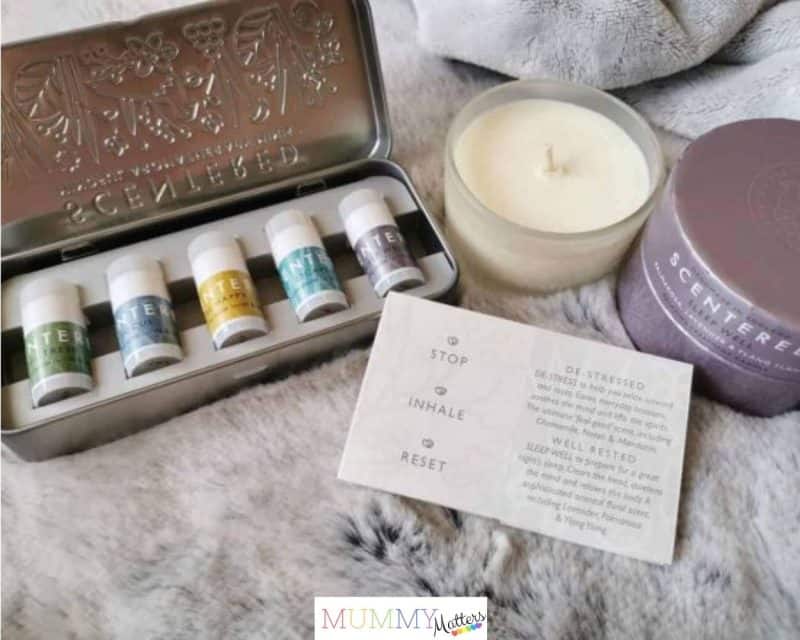
Scent can become a helpful part of a calming routine because our brains quickly begin to associate familiar aromas with particular moments or feelings.
When I originally wrote this article, I had been using a selection of aromatherapy products gifted to me by Scentered. These included a Wellbeing Ritual Aromatherapy Mini Tin and a Sleep Well Aromatherapy Candle.
The portable balms encouraged me to follow a very simple ritual: stop, apply the balm to my pulse points, breathe deeply and think about how I wanted to respond. The fragrance wasn’t a magic solution to stress, but the act of pausing interrupted that feeling of rushing from one thing to another.
The Sleep Well candle became part of my evening wind-down routine. During the summer holidays, I often worked after the children had gone to bed, which meant my mind could still be racing when I eventually switched off my laptop. Lighting a candle earlier in the evening created a signal that the busy part of the day was coming to an end.
You don’t need a particular product to create a similar sensory cue. It might be the scent of a favourite hand cream, a cup of herbal tea or simply opening a window and noticing the evening air.
If you use aromatherapy products, follow the manufacturer’s age and safety guidance, keep them away from children and pets, and stop using them if they cause irritation. Candles should always be placed on a stable surface, away from anything flammable, and never left burning unattended.
Cancer Research UK explains that essential oils can sometimes cause skin or allergic reactions, making it important to use them according to the product instructions.
If you think Scentered can help you and your family I have a 15% discount code for my readers, just enter RITUAL15 when prompted.
Write Down the Memories You Want to Keep
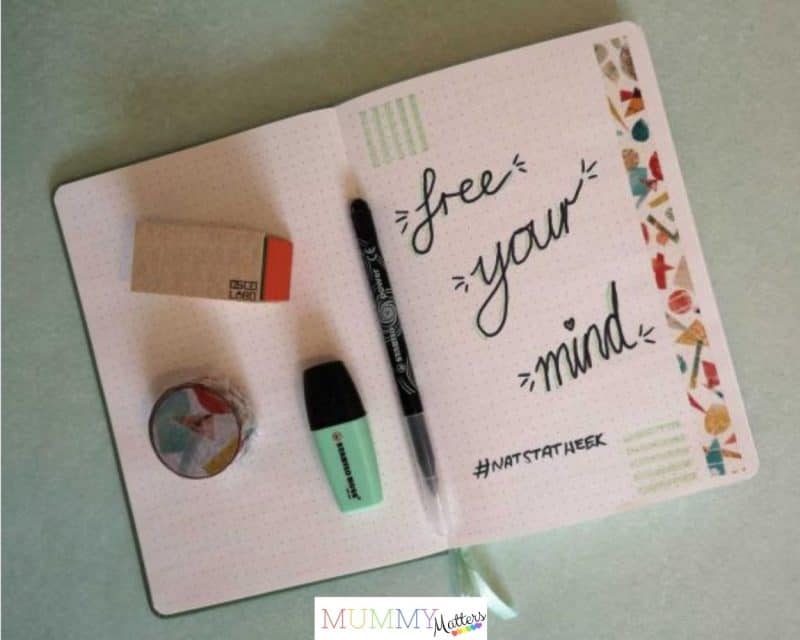
Journalling has been one of the most effective ways for me to slow down and understand what I am thinking.
Several years ago, I attended workshops run by Karin at Imperfectly Happy, where I learnt more about vision boards and journalling. The workshops helped me recognise how powerful it can be to put pen to paper without worrying about producing anything polished.
At the end of summer, try writing down a few moments that you want to remember. They might be significant family adventures, but they could just as easily be something funny one of the children said, a quiet morning at home or an evening when everyone sat talking longer than expected.
You could also ask your children to share their favourite memory from the holidays. Teenagers may not want to sit down and complete a formal summer journal, but they might tell you while you are in the car, walking together or preparing dinner.
These little reflections help shift the focus from everything you didn’t manage to do towards everything you did experience.
Make Space for Quiet Activities
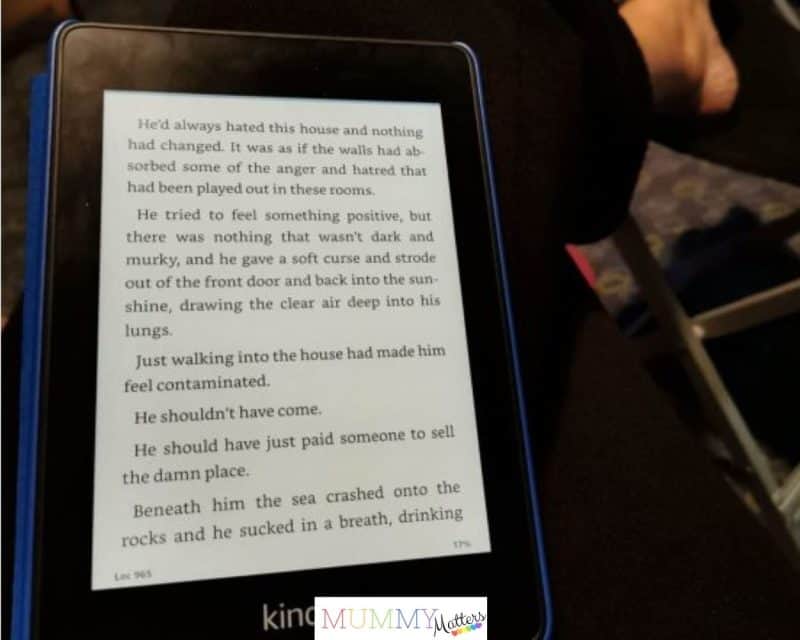
Summer does not have to be filled with noise and activity to be memorable. Some of the loveliest moments happen when everyone is quietly occupied in the same space.
When the children were younger, I decided that I was allowed 30 minutes each morning to stay in bed and read. Having several children to entertain while working from home meant that finding uninterrupted reading time wasn’t always easy, but those first 30 minutes became something I genuinely looked forward to.
Your quiet activity might be reading, completing a puzzle, drawing, listening to music or drinking a cup of tea in the garden. It isn’t selfish to create a little breathing room for yourself. A parent who has had an opportunity to reset is often better able to respond calmly to everyone else.
Quiet time can also help children decompress before the demands of school return. Older children and teenagers may prefer reading, gaming, listening to a podcast, crafting or simply spending time alone in their bedrooms. Being present as a family does not mean remaining together every minute of the day.
Notice What Is Happening Around You
There were times during those long summer holidays when I felt stressed or overstimulated. When that happened, I tried to stop, take a slow breath and notice my surroundings.
One simple grounding exercise is to identify:
- Five things you can see
- Four things you can feel
- Three things you can hear
- Two things you can smell
- One thing you can taste
You don’t have to complete every step for it to help. Sometimes looking around and noticing the colour of the sky, the warmth of the sun or the sound of your children laughing is enough to bring you back into the moment.
I also made a conscious effort not to constantly say “no”, “stop” or “hurry up”. Instead, I tried to notice the things the children were doing well and increase the amount of genuine praise I gave them.
It didn’t mean that we never had difficult days. We are all human, and family life is rarely calm all the time. However, changing what I focused on often changed the mood of the whole household.
One technique I find helpful is the 5-4-3-2-1 grounding activity explained by Lincolnshire Partnership NHS Foundation Trust, which uses the five senses to bring your attention back to your surroundings.
Prepare for School Without Letting It Take Over
Back-to-school preparation can easily dominate the end of the holidays. There are uniforms to check, shoes to buy, bags to find and sleep routines to adjust.
Rather than allowing these jobs to hang over everyone, make a short list and deal with one or two tasks at a time. If your child is old enough, involve them in checking what they already have and what they genuinely need.
It can also help to begin moving bedtimes gradually rather than suddenly introducing a strict school-night routine on the final evening.
NHS guidance on getting back into school routines similarly recommends making small preparations before the new routine begins.
Try to keep school preparation contained within particular times. Once you have completed that day’s jobs, return your attention to the holiday. The new term will arrive soon enough without being allowed to take over the days that remain.
Create a Simple End-of-Summer Family Ritual
A small annual ritual can give everyone a sense of closure and something to look forward to.
You might:
- Watch a favourite family film
- Have a final summer picnic
- Cook everyone’s favourite meal
- Look through photographs from the holidays
- Go for an evening walk
- Write down your favourite memories
- Plan one enjoyable activity for the autumn
- Let everyone choose a song for a family summer playlist
The ritual itself doesn’t matter as much as the intention behind it. It is an opportunity to acknowledge the time you have shared before moving into the next season of family life.
You Don’t Need a Perfect Summer to Have a Meaningful One
Being present doesn’t mean appreciating every second or remaining endlessly calm. There will still be arguments, untidy rooms, abandoned plans and days when everyone needs some space.
What matters is noticing the good moments when they appear.
Put your phone down for a few minutes. Sit beside your teenager even if they don’t have much to say. Take the long way home. Light a candle safely, open your journal or stand outside and breathe in the evening air.
The summer holidays may be coming to an end, but there is still time to make the ordinary moments count.
Once September has settled down, I also like to have a little October reset to get our home, routines and plans organised for the months ahead. Before long, summer days give way to our favourite autumn traditions, and I’ve put together an updated guide to where to go pumpkin picking near Peterborough if you’re starting to plan October family days out.
Frequently Asked Questions
How can I make the last week of the summer holidays special?
Ask each family member to choose one simple activity they would like to do. Concentrate on a few meaningful experiences rather than trying to fill every day with expensive outings.
How can I be more present with my children?
Create short phone-free periods, listen without immediately trying to solve every problem and take part in ordinary activities together. Being present is about giving your attention, not planning constant entertainment.
How can I help my child with end-of-summer anxiety?
Acknowledge their feelings, talk through what will happen during the first few days and complete school preparations gradually. Try to balance practical preparation with enjoyable family time so that school does not dominate the remainder of the holiday.
YoungMinds offers further guidance for parents whose child is experiencing school anxiety or struggling to attend
Can aromatherapy help me feel calmer?
Some people find that familiar scents help them create a relaxing routine or remember to pause. Aromatherapy should be considered a wellbeing ritual rather than a treatment for anxiety or sleep difficulties. Always follow the product instructions and seek professional advice if stress, anxiety or sleep problems are persistent.
What can we do together without spending money?
Try a picnic, an evening walk, a family games night, baking, looking through summer photographs, visiting a local park or watching a favourite film at home. Children often remember relaxed time together more than expensive activities.