
Originally published August 2010 • Updated August 2026
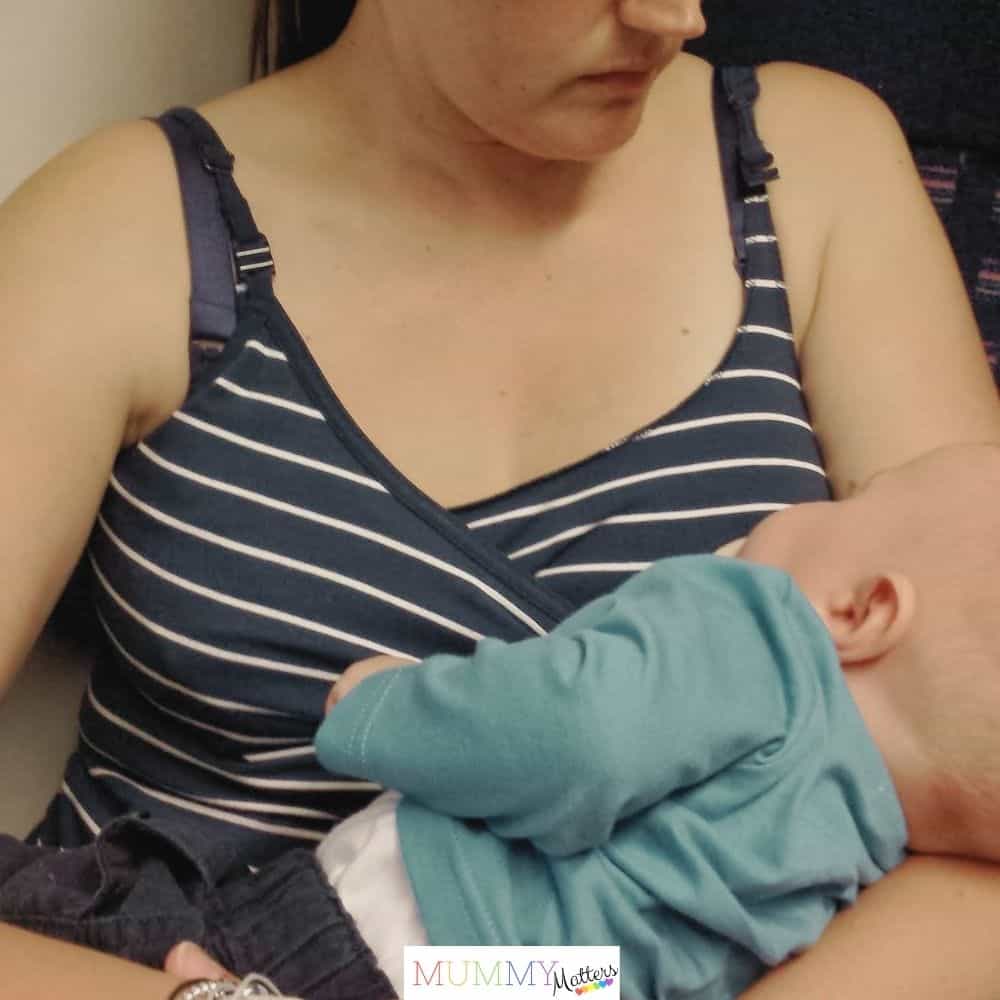
When I found out I was pregnant with my eldest daughter, Lillie, I never questioned how I would feed her. In my mind, breastfeeding was simply what I was going to do.
I’d never breastfed before. In fact, I hadn’t really been around anyone who had. I honestly thought it would be a case of popping her on the breast and she’d just get on with it—rather like a baby taking a bottle.
Oh, how wrong I was!
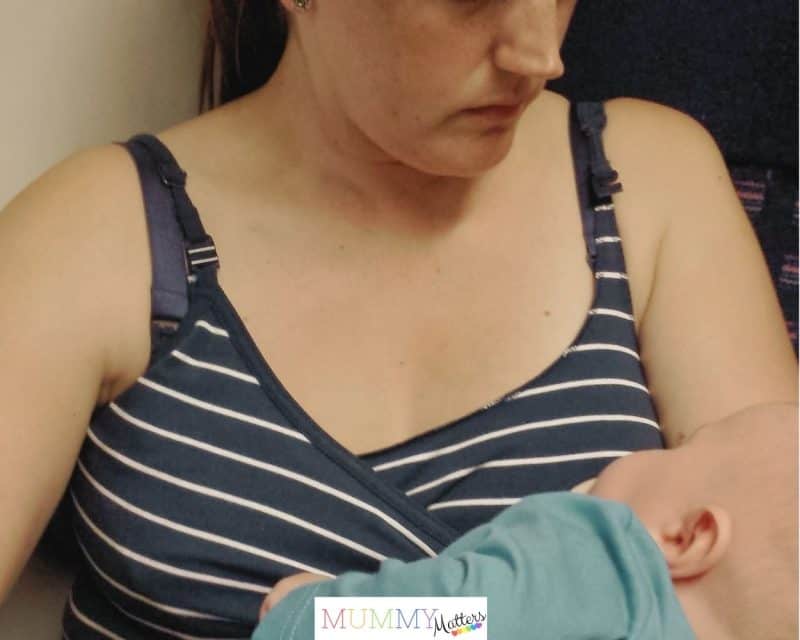
If you’re reading this while pregnant, sitting in a hospital bed with a newborn, or wondering why everyone else seems to make breastfeeding look so easy, I want you to know something I wish someone had told me:
Breastfeeding is natural, but it is also a learned skill.
Both you and your baby are learning together.
Some families find breastfeeding straightforward from the very first feed. Others experience sore nipples, difficulty getting a good latch, concerns about milk supply or babies who simply don’t seem to know what they’re doing. None of these challenges means you’ve failed—they’re incredibly common.
My own breastfeeding journey included tears, cracked nipples, mastitis, moments when I desperately wanted to give up and, eventually, the confidence that came from patience, support and practice. Looking back now, I’m incredibly grateful that I persevered, but I also completely understand why many parents decide that breastfeeding isn’t right for them.
Every family’s feeding journey is different, and every one deserves respect.
Contents showEditor’s Note
This article was originally written shortly after my daughter was born and has been fully updated for 2026. I’ve kept my original experiences because I know how reassuring it can be to hear from another parent who’s been there. Since then, I’ve also trained as a La Leche League Breastfeeding Peer Counsellor, giving me a much deeper understanding of the challenges many new families face and how the right support can make all the difference.
Is Breastfeeding Natural or a Learned Skill?
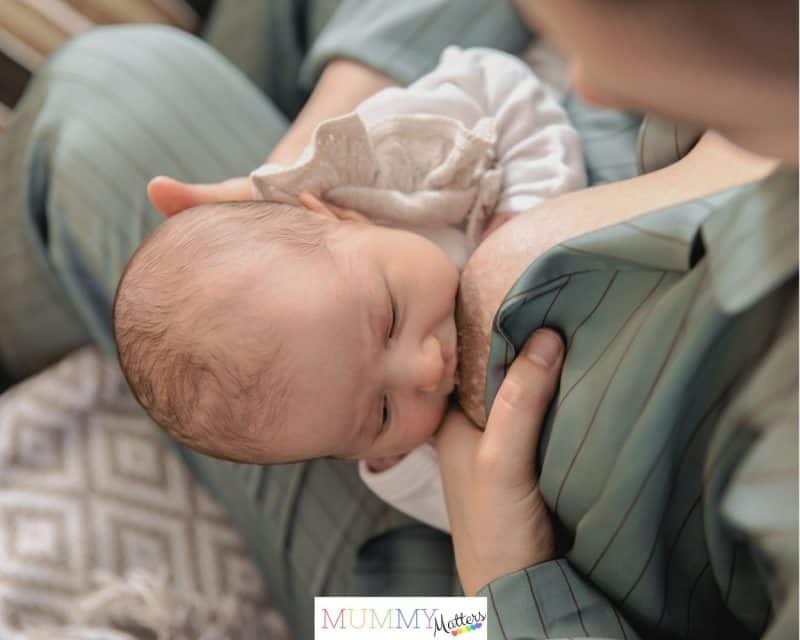
The short answer is both.
Babies are born with instincts that help them find the breast, especially when they’re placed skin-to-skin immediately after birth. Likewise, our bodies are designed to produce milk in response to our baby’s feeding.
However, successful breastfeeding involves much more than instinct alone.
Learning how to position your baby comfortably, achieve a deep latch, recognise feeding cues, establish your milk supply and cope with common challenges all take time. For some parents, these skills develop quickly. For others, they require support from midwives, health visitors or trained breastfeeding counsellors.
I certainly fell into the second group.
What surprised me most wasn’t how much my baby had to learn—it was how much I had to learn.
My First Breastfeeding Experience
While I was still in the delivery room being stitched up after giving birth, the midwife asked whether I’d like to try feeding Lillie.
“Yes, please,” I replied confidently.
That confidence lasted all of about thirty seconds.
The midwife gently explained that I should massage my breast towards the nipple, hold Lillie skin-to-skin, keep her “mummy to tummy” and line her up “nose to nipple”.
“Nose to nipple?” I remember thinking. “I’m not sticking it up her nose, am I?”
Of course, I soon realised that placing your baby’s nose level with the nipple encourages them to tip their head back, open their mouth nice and wide and achieve a much deeper latch. At the time, though, it all sounded far more complicated than I’d ever imagined.
Of course, I soon learned that placing your baby’s nose level with the nipple encourages them to open their mouth wide and take in much more than just the nipple itself. A deep latch is far more comfortable for Mum and helps babies feed much more effectively.
It all sounded surprisingly technical.
I was still trying to process everything the midwife was saying when Lillie simply opened her mouth, latched on beautifully and started feeding.
She fed for around fifteen minutes.
I remember thinking, Well, maybe this isn’t so difficult after all.
I couldn’t have been more wrong.
Trying to Breastfeed on My Own
Back on the postnatal ward, I felt quietly confident. After all, we’d managed that first feed in the delivery room, so surely I could do it again.
Except… I couldn’t.
I tried to remember everything the midwife had explained, but suddenly none of it made sense. Lillie’s little head bobbed backwards and forwards, searching for the breast but never quite managing to latch properly. Instead of taking the nipple deeply into her mouth, she kept catching the delicate skin around it.
It was incredibly painful.
The more frustrated she became, the more anxious I felt, and the more anxious I became, the harder breastfeeding seemed.
Looking back now, I know we were caught in a cycle that many new parents experience. Babies can sense when we’re tense, and when they’re upset, it’s even harder for them to latch effectively.
At the time, though, I simply felt like I was getting everything wrong.
The Hardest 24 Hours
Over the next day, a steady stream of midwives came to help.
Some were absolutely wonderful. They were patient, reassuring and encouraging, explaining each step as we went.
Others, sadly, had a very different approach.
Without meaning to, they made me feel more like a task on a checklist than a new mum trying her best. Hands pulled at my breasts, Lillie’s head was guided firmly towards me, and everything happened so quickly that neither of us had time to relax.
I know now that every midwife wanted the same outcome: a successful breastfeed.
But when you’re exhausted after giving birth, emotional, sore and running on almost no sleep, how support is given can make all the difference.
The more rushed I felt, the more distressed Lillie became.
The more distressed she became, the less confident I felt.
Before long, we were both in tears.
I Nearly Gave Up
When my husband arrived during visiting hours, I completely broke down.
I begged him not to leave me at the hospital.
I wasn’t frightened of looking after a newborn.
I was frightened of another long night of struggling to breastfeed while feeling like everyone else knew what they were doing except me.
We talked about whether we should stop trying and switch to formula.
At that point, I honestly wasn’t worried about what anyone else would think. I simply wanted my baby to be fed and happy.
But something inside me wasn’t ready to give up.
Perhaps it was stubbornness.
Perhaps it was determination.
Maybe it was simply the feeling that we hadn’t quite cracked it yet.
So I decided to give it another day.
Looking back now, I’m glad I did—but I also want to say this:
If you reach that point and decide breastfeeding isn’t right for you, that doesn’t mean you’ve failed.
Every family has different circumstances, and the right feeding choice is the one that works for both parent and baby.
The Midwife I’ll Never Forget

As our second night in hospital began, another midwife came over to see us.
To this day, I still think of her as my breastfeeding fairy godmother.
She was a little older than many of the others and had the calmest presence. She didn’t rush. She didn’t take over. She simply sat beside me and started talking.
She asked how I was feeling.
She listened.
She reassured me that what we were experiencing wasn’t unusual.
Most importantly, she treated me like a person rather than a problem to solve.
Instead of trying to force Lillie onto the breast, she encouraged me to relax first.
Only when we were both calmer did she gently help me adjust our positioning and wait patiently for Lillie to open her mouth wide enough for a proper latch.
That small change made an enormous difference.
Sometimes, it’s not a completely different technique that’s needed.
Sometimes, it’s simply patience.
At around 1:45 in the morning, everything finally clicked.
Lillie latched deeply and fed beautifully for around 45 minutes.
I cried with relief.
As soon as she’d finished feeding, I texted my husband to tell him we’d finally done it.
He later admitted how relieved he felt too. Leaving us in hospital while I was so upset had been incredibly difficult for him.
That night changed everything.
For the rest of our stay in hospital, Lillie fed confidently, and for the first time since she’d been born, I started to believe that perhaps we really could do this together.
If you’re struggling, you don’t have to figure it out alone. The National Breastfeeding Helpline offers free support from trained volunteers.
A Small Setback After We Got Home
Like many new parents, I imagined that once we were home everything would suddenly become easier.
It didn’t.
Without the reassurance of the midwives nearby, we hit another wobble.
Lillie struggled to latch again, and I could feel those familiar feelings of panic creeping back. I worried that we’d somehow forgotten everything we’d learned in hospital.
Eventually, I stopped trying to make it happen.
Instead, I took us both upstairs to her nursery, closed the door, switched off the outside world and stripped us both down for skin-to-skin contact.
There were no distractions.
No pressure.
No one watching.
We simply cuddled together.
After a while, something wonderful happened.
Slowly and calmly, Lillie began searching for the breast herself before latching on beautifully.
That quiet moment taught me one of the biggest lessons of my breastfeeding journey.
Sometimes the best thing you can do is slow down.
When both mum and baby are relaxed, feeding often becomes much easier.
Why Skin-to-Skin Contact Can Help
Skin-to-skin contact isn’t just something that’s encouraged immediately after birth. It can also be incredibly helpful in the days and weeks that follow if breastfeeding becomes difficult.
Holding your baby directly against your chest can help to:
- calm both you and your baby
- encourage your baby’s natural feeding instincts
- regulate your baby’s temperature and heart rate
- stimulate milk production
- make latching easier after a difficult feed
Even years later, whenever a new mum asks me for one piece of breastfeeding advice, skin-to-skin is often the first thing I mention.
Then Came Mastitis…

Just when I thought we’d finally found our rhythm, another challenge arrived.
The day my milk properly came in, I felt dreadful.
The day my milk came in, my boobs were enormous. I’m sure they were bigger than Lillie’s head! One breast was bright red, hot to the touch and covered in painful lumps. I felt like I’d been hit by a bus—shivering one minute, sweating the next and aching all over.
When mastitis hit me, I genuinely thought I was coming down with the flu. I was shivering one minute, sweating the next, and every part of my body ached. It wasn’t until I noticed one breast was bright red, hot and incredibly painful that I realised something more was going on. Thankfully, a visit to my GP and a course of antibiotics had me feeling like a completely different person by the following day.
Looking back, it’s hardly surprising.
After those difficult first few days, my nipples were sore, cracked and damaged, making it much easier for bacteria to enter the breast tissue.
Mastitis Symptoms: When to Seek Help
Think you might have mastitis? It can come on quickly and often feels like you have the flu. If you notice any of the following symptoms, it’s important to contact your GP, midwife or health visitor for advice.
Common symptoms of mastitis include:
✔️ A painful, swollen area of the breast
✔️ Redness, warmth or a hot patch on the breast
✔️ A hard lump or areas that feel tender to touch
✔️ Flu-like symptoms, including aching muscles and fatigue
✔️ A high temperature (fever) or chills
✔️ Feeling generally unwell or exhaustedDon’t ignore the symptoms. Early treatment can help prevent mastitis from becoming more severe. Continue breastfeeding or expressing milk if you’re able to, as emptying the breast can often help alongside any treatment your healthcare professional recommends.
If your symptoms don’t improve within 24–48 hours, or you become increasingly unwell, seek medical advice promptly.
How I Managed Mastitis
Fortunately, my aunt—who had successfully breastfed all four of her children—recognised the symptoms immediately because she’d experienced mastitis herself.
She suggested I soak in a hot bath while gently massaging the affected breast and expressing a little milk to relieve some of the pressure.
I’ll be honest.
It was incredibly painful.
At times, it felt almost as uncomfortable as labour itself.
But once the pressure eased, I could feel the difference almost immediately.
I also visited my GP, who prescribed antibiotics that were safe to take while breastfeeding.
Within 24 hours, I felt like a completely different person.
I know not everyone is that fortunate. Some parents experience repeated episodes of mastitis or need extra support to keep breastfeeding comfortably.
When Should You Seek Medical Advice?
If you think you might have mastitis, it’s important not to ignore it.
Speak to your GP, midwife or health visitor promptly if you notice symptoms such as:
- a painful, swollen area of the breast
- redness that feels hot to touch
- flu-like symptoms
- fever or chills
- feeling generally unwell while breastfeeding
Early treatment can often prevent symptoms from becoming more severe and help you continue breastfeeding if that’s what you choose to do.
One thing I learned through both my own experience and later breastfeeding training is that mastitis isn’t a sign you’ve done anything wrong.
It’s simply one of the many challenges that some breastfeeding parents experience—and thankfully, it’s usually very treatable.
Expressing Breast Milk Gave Me a Little Freedom
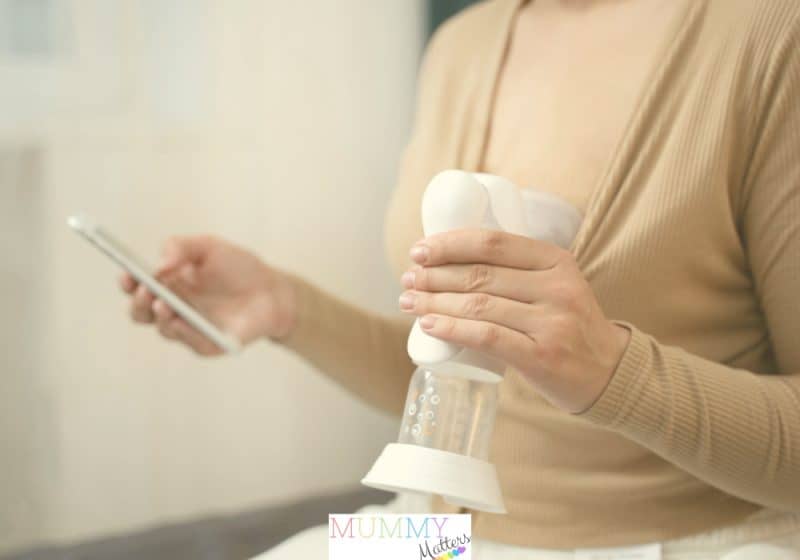
By the time Lillie was around six weeks old, breastfeeding had become much more established, and I started thinking about expressing milk.
Not because I wanted to stop breastfeeding.
Quite the opposite.
I wanted to continue, but I also wanted my husband to experience the special bond of feeding his daughter. If I’m honest, I also wouldn’t have minded the occasional uninterrupted shower or an early night while someone else took over one feed.
I began expressing enough milk for one bedtime bottle each evening.
To my relief, Lillie accepted it without any fuss.
She happily switched between breastfeeding and the bottle, and it gave both of us a little more flexibility without affecting our breastfeeding relationship.
Every baby is different, of course. Some babies move easily between breast and bottle, while others need a little more time or simply prefer one over the other.
There isn’t a right or wrong approach—only the one that works for your family.
Five Months of Breastfeeding
Before Lillie was born, I’d set myself a goal of breastfeeding for six months.
In the end, I managed almost five.
At the time, I felt disappointed.
Now, looking back with years of perspective, I feel incredibly proud of what we achieved together.
Those first few months hadn’t been easy.
There had been tears, cracked nipples, sleepless nights, mastitis and countless moments when I questioned whether I could carry on.
Despite all of that, we found our rhythm and shared hundreds of quiet feeds together.
I wish I’d given myself more credit back then.
The Mistake I Didn’t Realise I Was Making
Around the five-month mark, everything suddenly changed.
Lillie wanted to feed constantly.
She’d latch on, come off, cry, want feeding again and seem unsettled almost all day.
I became convinced my milk had dried up.
Panicking that she wasn’t getting enough, I went straight out and bought infant formula.
Looking back now—and with everything I later learned through breastfeeding support—I think it’s much more likely that she was going through a growth spurt.
During growth spurts, babies often feed far more frequently than usual.
This is called cluster feeding, and while it can leave parents feeling as though they have no milk left, it’s actually your baby’s clever way of encouraging your body to produce more.
At the time, I didn’t know that.
I interpreted her constant feeding as a sign that I was failing.
Transitioning to Formula
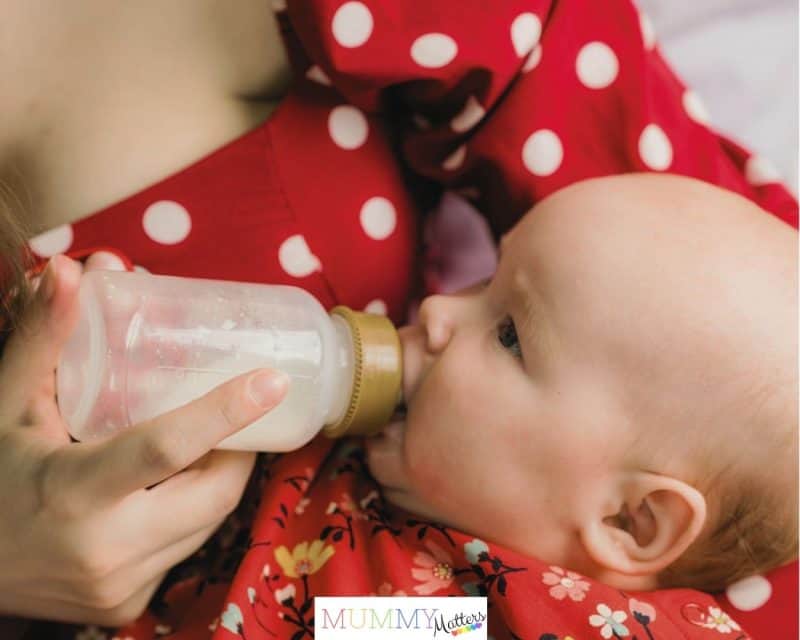
Once I’d introduced formula, I gradually began replacing one breastfeed at a time.
Each week another feed disappeared until, eventually, I wasn’t breastfeeding at all.
I remember the day I realised it was over.
I cried.
Not because I thought formula was a bad choice.
I cried because I believed I’d somehow failed my daughter.
Now, years later, I wish I could give that younger version of myself a hug.
I’d tell her that five months of breastfeeding is something to celebrate, not something to mourn.
I’d remind her that loving, responding to and nurturing your baby matters so much more than the way they’re fed.
And I’d explain something I know now that I didn’t know then:
Sometimes breastfeeding journeys end exactly when they’re meant to.
That doesn’t erase everything you’ve already given your baby.
What I Wish Every New Mum Knew
If you’re worrying that your baby suddenly wants feeding all the time, don’t automatically assume you’ve run out of milk.
Frequent feeding can simply be your baby’s way of increasing your milk supply.
If you’re unsure whether your baby is getting enough milk, speak to your midwife, health visitor or a trained breastfeeding supporter before deciding to stop—especially if breastfeeding is something you hope to continue.
Sometimes, a little reassurance is all that’s needed.
And sometimes, switching to formula is absolutely the right decision.
Neither choice makes you a better—or worse—parent.
What matters is that both you and your baby are healthy, supported and thriving.
Breastfeeding Was Completely Different with My Second Baby
When my son Ollie was born, I decided to breastfeed again.
Part of me expected the same struggles I’d experienced with Lillie.
Instead, our journey couldn’t have been more different.
His very first feed in the delivery room went beautifully, and the feeds that followed continued just as smoothly. We only stayed in hospital for one night before heading home, and this time I felt much more confident.
I still experienced the familiar sore, cracked nipples during those early days, but unlike the first time around, I knew this stage wouldn’t last forever.
A good-quality lanolin cream became my best friend, and for a couple of particularly sore feeds, I used nipple shields to give my nipples a chance to heal.
Once feeding became comfortable again, I gradually stopped using the shields and carried on breastfeeding without them.
Having been through it once before made a huge difference.
Not because breastfeeding had suddenly become effortless, but because I understood that most of the early challenges were temporary.
Every Baby Really Is Different
One thing Ollie taught me was that every baby has their own personality from the very beginning.
Where Lillie happily accepted a bottle at six weeks old, Ollie had absolutely no interest in one.
No matter what we tried, he simply wasn’t impressed.
We experimented with different bottles, different teats and different people offering the feed, but he made his feelings very clear.
If it wasn’t Mum, it wasn’t happening.
It wasn’t until he was well over six months old that he finally agreed to take a bottle.
As any breastfeeding parent will tell you, this had its challenges.
It meant I was the only person who could feed him, which sometimes felt exhausting.
But equally, it reminded me that babies don’t read the parenting books.
They each have their own timetable.
Becoming a La Leche League Breastfeeding Peer Counsellor
After experiencing two very different breastfeeding journeys, I wanted to understand more about why some parents found breastfeeding so straightforward while others struggled.
That curiosity eventually led me to train as a La Leche League Breastfeeding Peer Counsellor.
The training completely changed the way I viewed breastfeeding.
I learned far more about positioning, attachment, milk production, feeding behaviours, common breastfeeding challenges and, perhaps most importantly, the emotional support that new parents often need just as much as practical advice.
It also helped me understand my own experiences with fresh eyes.
There were so many moments with Lillie when I hadn’t failed at all.
I simply hadn’t yet been given the right support.
A Conversation I’ll Never Forget
One evening, I found my husband sitting quietly reading through my La Leche League course notes.
I remember laughing and asking what he thought.
He looked up and said something that has stayed with me ever since.
“I can’t believe how much there is to breastfeeding.”
Like many people, he’d assumed breastfeeding was simply a case of putting the baby to the breast and letting nature take over.
Until he’d read those course materials, he’d never realised just how much both mother and baby are learning together.
Positioning.
Latch.
Milk supply.
Growth spurts.
Cluster feeding.
Comfort.
Feeding cues.
The emotional side of feeding.
It was far more complex than either of us had imagined before becoming parents.
That conversation reminded me of something that’s still true today.
Many people only see a mother quietly feeding her baby.
They don’t see everything she’s learned—or overcome—to make that moment possible.
If feeding away from home is one of the things making you nervous, these tips for breastfeeding in public can help you feel more prepared.
Good Support Makes All the Difference

If there’s one thing I’ve taken away from both my personal experiences and my breastfeeding training, it’s this:
The right support can completely change someone’s breastfeeding journey.
The calm midwife who patiently sat beside me in hospital changed everything for me.
She didn’t rush.
She didn’t make me feel inadequate.
She gave me confidence.
That’s exactly how breastfeeding support should feel.
Whether that support comes from a midwife, health visitor, breastfeeding counsellor, partner, family member or friend, being listened to without judgement can make an enormous difference during those early days.
Sometimes, parents don’t need someone to “fix” breastfeeding.
They simply need someone who believes they can do it.
Breastfeeding Isn’t the Right Choice for Every Family
One thing becoming a breastfeeding peer counsellor taught me is that every feeding journey is unique.
Some babies latch beautifully within minutes of birth.
Some parents need a little support.
Others face medical, physical or emotional challenges that make breastfeeding difficult or impossible.
And some simply choose not to breastfeed.
All of those experiences deserve understanding rather than judgement.
My Mum’s Breastfeeding Experience
My own mum breastfed me for just two weeks.
Growing up, she always said she simply couldn’t cope with the pain any longer.
Looking back now, I wonder whether she had the support that many parents have access to today.
Perhaps my latch wasn’t quite right.
Perhaps she wasn’t shown different feeding positions.
Perhaps she simply needed someone patient to sit beside her and reassure her that things would improve.
Or perhaps breastfeeding simply wasn’t right for her.
The truth is, I’ll never know.
What I do know is this:
I grew up healthy, happy and deeply loved.
The way I was fed as a baby has never defined who I became.
Please Don’t Let Anyone Make You Feel Like You’ve Failed
One of my closest mummy friends was every bit as determined to breastfeed as I had been.
She was so confident it would work that she didn’t even buy baby bottles before her daughter was born.
Sadly, despite trying incredibly hard, breastfeeding just didn’t happen for them.
Her husband had to rush out and buy bottles before they came home from the hospital.
Years later, she admitted she’d always carried guilt about that experience.
Not because she believed she’d made the wrong decision, but because she felt she’d somehow failed.
That broke my heart.
No new parent should leave hospital believing they’ve already failed their baby.
Every Family’s Story Is Different
Another friend successfully breastfed for four days before realising she simply couldn’t keep up with her baby’s feeding demands.
Formula feeding worked brilliantly for their family.
Her baby thrived.
She thrived.
That’s what mattered.
I’ve since met countless parents whose feeding journeys have looked completely different from my own.
Some exclusively breastfed for years.
Some combination fed from the beginning.
Some expressed milk exclusively.
Some formula fed from day one.
Every single one of them loved their babies fiercely.
That’s the common thread—not the method of feeding.
So… Is Breastfeeding Easy or a Learned Skill?
If you’ve read this far, you’ve probably guessed my answer.
Breastfeeding is one of the most natural things our bodies can do.
But that doesn’t mean it’s easy.
Like learning to walk, drive a car or ride a bike, breastfeeding is a skill that develops over time.
Some parents and babies master it quickly.
Others need patience, guidance and support.
Neither experience is more “normal” than the other.
If breastfeeding is proving difficult for you right now, please know this:
You are not failing.
You are learning.
And your baby is learning too.
My Final Thoughts
If I’ve learned anything from raising three children, it’s that very little in parenting goes exactly to plan!
Breastfeeding was certainly one of those things for me.
With Lillie, I struggled through tears, sore nipples and mastitis before we finally found our rhythm. With Ollie, it felt so much easier. The only difference? I’d done it before.
Every baby is different, every mum is different, and every family is different too. Try not to compare your journey with anyone else’s because you never really know what’s happening behind closed doors.
Trust your instincts, ask for help when you need it and remember that loving your baby is far more important than how you feed them.
Frequently Asked Questions
Is breastfeeding supposed to hurt?
Some tenderness during the first few days can be normal as you and your baby adjust to feeding. However, ongoing pain, cracked nipples or pain throughout a feed often suggests your baby may not have a deep enough latch. If breastfeeding continues to hurt, seek support from your midwife, health visitor or a breastfeeding specialist.
How long does it take to learn breastfeeding?
Every family is different. Some babies latch well from birth, while others take several days or even weeks before feeding becomes comfortable and established. Breastfeeding is a skill that both parent and baby learn together.
Is it normal to think you don’t have enough milk?
Yes. Many parents worry about low milk supply, particularly during growth spurts when babies feed much more frequently. Frequent feeding doesn’t necessarily mean your milk supply is low. If you’re concerned, speak to your health visitor, midwife or a trained breastfeeding supporter before making changes to feeding.
Can I combine breastfeeding and bottle feeding?
Many families successfully combine breastfeeding with expressed breast milk or infant formula. Some babies switch easily between breast and bottle, while others prefer one over the other. If you plan to introduce bottles, speak to your health visitor or midwife about the best timing for your individual situation.
Where can I get breastfeeding support in the UK?
If you’re struggling with breastfeeding, you don’t have to manage alone. Your midwife, health visitor, local infant feeding team or organisations such as the NHS and La Leche League GB can offer practical advice and reassurance.