
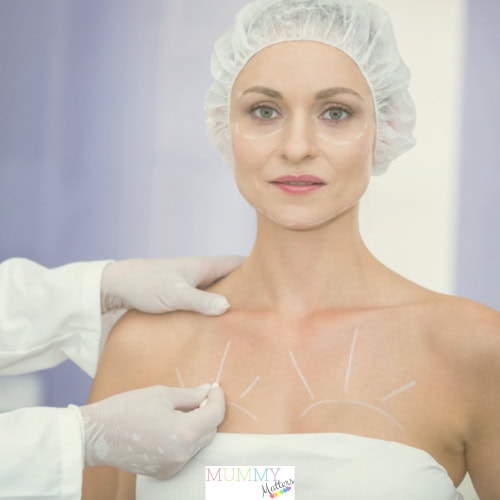
Pregnancy, breastfeeding, significant weight loss and the natural ageing process can all change the shape and appearance of the body. While these changes are completely normal, some people find that loose skin, changes to their breasts or altered body proportions affect how comfortable and confident they feel.
Body contouring and breast lift surgery are cosmetic procedures designed to address some of these physical changes. However, choosing to have cosmetic surgery is a significant decision that requires careful consideration of the potential benefits, risks, recovery time and costs involved.
In this guide, we look at what body contouring and breast lift surgery involve, who may be suitable for these procedures, what to expect during recovery and some of the important questions to consider before deciding whether cosmetic surgery is right for you.
Potential Benefits of Body Contouring and Breast Lift Surgery

The reasons for considering body contouring or breast lift surgery are highly personal, and the results will vary depending on the individual, the procedure and factors such as skin elasticity, general health and lifestyle. For some people, these procedures may help address physical changes following pregnancy, breastfeeding, significant weight loss or ageing.
Changes to Body Shape and Proportions
Body contouring procedures are designed to remove or reshape areas of excess skin and, depending on the procedure, fat that may remain after significant weight loss or changes to the body. A breast lift, or mastopexy, focuses on reshaping and raising the breasts by removing excess skin and repositioning breast tissue.
These procedures can alter body proportions and may help some people feel more comfortable with their appearance or the way their clothes fit.
Body Confidence
Changes to the body following Pregnancy, breastfeeding, significant weight loss and the natural ageing process can all change the shape and appearance of the body. Cosmetic surgery may improve body satisfaction for some patients, but it is important to approach any procedure with realistic expectations.
A consultation with an appropriately qualified and experienced surgeon should include a discussion about what you hope to achieve, what is realistically possible and whether surgery is the most suitable option for you.
Addressing Excess Skin
After substantial weight loss, excess skin can sometimes cause practical problems such as rubbing, chafing or irritation, particularly around skin folds. Certain body contouring procedures may remove some of this excess skin, although the potential benefits will depend on the area being treated and the individual patient.
Results Over Time
Body contouring and breast lift surgery can produce long-lasting changes, but the results should not be considered permanent. Ageing will continue, while pregnancy, significant changes in weight and other lifestyle or health factors can alter the appearance of the body and breasts over time.
Maintaining a relatively stable weight and following your surgeon’s advice after surgery may help to preserve the results for longer.
Body contouring and breast lift surgery are popular cosmetic procedures that can help individuals achieve their desired body shape and boost their self-confidence. Here are some of the benefits of these procedures:
Who Is a Good Candidate for Body Contouring and Breast Lift Surgery?
There isn’t a single definition of an ideal candidate for body contouring or breast lift surgery, as suitability will depend on the procedure being considered, your general health and what you hope to achieve.
People may consider body contouring after significant weight loss, pregnancy or other changes that have left areas of loose or excess skin. A breast lift may be considered when the breasts have changed in shape or position following pregnancy and breastfeeding, weight fluctuations or ageing.
For those researching the different procedures available and what they involve, bodybyravi.com provides information about a range of body contouring and cosmetic surgery options. As with any provider, this should form part of wider research into the surgeon’s qualifications, experience, approach and the potential risks and benefits of the procedure being considered.
Surgeons will usually consider factors such as your overall health, medical history, current weight, smoking status and whether your expectations for the outcome are realistic.
Ultimately, suitability should be assessed individually during a consultation with an appropriately qualified and experienced plastic surgeon. This provides an opportunity to discuss your reasons for considering surgery, the results that may realistically be achieved and the potential risks and recovery involved.
Preparing for Body Contouring and Breast Lift Surgery
Preparing for cosmetic surgery begins well before the procedure itself. One of the most important steps is choosing an appropriately qualified and experienced surgeon and having a thorough consultation before making a decision.
During your consultation, you should be prepared to discuss your medical history, any medication you take, previous surgery, your reasons for considering the procedure and the results you hope to achieve. Your surgeon should explain what the procedure involves, the likely outcome, potential complications, scarring and what you can expect during recovery.
It is also worth taking the time to check a surgeon’s qualifications and experience independently rather than relying solely on information provided by a clinic. UK patients can check whether a doctor is registered with the General Medical Council (GMC) and look at their specialist registration, as well as asking how frequently they perform the particular procedure being considered.
For New York readers comparing local practices, plastic surgeon NYC is one practice website to review for consultation and procedure information, alongside independent checks of board certification, relevant experience and procedure-specific risks.
Your surgeon may provide specific instructions to follow in the weeks leading up to surgery, which can vary according to the procedure and your individual circumstances. It is important to follow this advice carefully and to ask questions if there is anything about the procedure, preparation or recovery that you do not understand.
Planning for the recovery period is important too. Depending on the surgery, you may need help at home, time away from work and restrictions on driving, lifting, exercise and other everyday activities. Some patients may also be advised to wear a surgical or compression garment during part of their recovery. Your surgeon should provide individual aftercare instructions based on the procedure you have undergone.
The Body Contouring and Breast Lift Surgery Process

The exact process will depend on the type and extent of surgery being performed. Body contouring can involve several different procedures targeting different areas of the body, while a breast lift focuses specifically on reshaping and repositioning the breasts. Your surgeon should explain the proposed technique and what to expect before you consent to surgery.
Anaesthesia
Body contouring and breast lift procedures are generally performed under anaesthesia. The type used will depend on the procedure, its complexity and your individual circumstances, and this should be discussed with your surgical team beforehand.
Incisions and Surgery
The location and extent of incisions will vary according to the procedure and the amount of skin or tissue being addressed. With breast lift surgery, different incision patterns can be used depending on factors such as breast shape, the degree of lifting required and the surgical technique chosen.
Body contouring is a broad term that can include procedures targeting areas such as the abdomen, arms, thighs or other parts of the body following weight loss or changes in body shape. Because of this, the surgery and resulting scars can differ considerably between patients.
How Long Does Surgery Take?
The length of surgery varies depending on the procedure and whether more than one area is being treated. Some operations may take several hours, while more extensive or combined procedures can take longer. Your surgeon should give you a more individual estimate during your consultation.
Immediately After Surgery
Following surgery, you will be monitored while you recover from the anaesthetic. Whether you can return home the same day or need to remain in hospital will depend on the procedure, your recovery and your surgical team’s advice.
You should also receive clear instructions about caring for the surgical area, managing discomfort, recognising possible signs of complications and when to attend follow-up appointments.
Risks and Complications of Body Contouring and Breast Lift Surgery
As with any surgical procedure, body contouring and breast lift surgery carry potential risks and complications. The likelihood and type of complications can vary depending on the procedure, your general health and other individual factors, so these should be discussed fully with your surgeon before deciding whether to proceed.
Possible complications can include bleeding, infection, delayed wound healing, fluid accumulation, changes in skin or nipple sensation, asymmetry and noticeable or raised scarring. Some people may also experience an adverse reaction to anaesthesia or develop blood clots following surgery.
Breast lift surgery can result in temporary or permanent changes in nipple or breast sensation, and there may also be implications for breastfeeding following certain procedures. Body contouring procedures can involve significant incisions, so it is particularly important to understand where scars are likely to be and how they may change as they heal.
There is also the possibility that the final result may differ from what you expected or that further treatment or revision surgery could be required. A reputable surgeon should explain both the common and less common risks associated with your specific procedure, rather than focusing solely on the potential cosmetic benefits.
Before going ahead, make sure you understand the warning signs to look out for during recovery and who to contact if you are concerned about symptoms after surgery. Seek urgent medical advice if you experience symptoms your surgical team has identified as requiring immediate attention.
Aftercare and Recovery
Recovery following body contouring or breast lift surgery varies considerably depending on the procedure, whether several areas have been treated and your individual health and healing. Rather than relying on a general recovery timeline, follow the personalised advice given by your surgical team.
In the early stages of recovery, you can expect some swelling, bruising and discomfort around the areas that have been treated. Your surgeon may recommend a surgical or compression garment for certain procedures and will provide instructions about wound care, bathing and any prescribed medication.
Returning to Everyday Activities
You may need to take time away from work and arrange additional help at home, particularly if your usual routine involves lifting, driving or strenuous activity. This can be especially important for parents of babies and younger children, as you may temporarily be unable to lift or carry them safely.
Exercise and other strenuous activities will usually need to be restricted while your body heals. Your surgeon should advise you when it is appropriate to gradually return to different activities rather than working towards a fixed recovery deadline.
Follow-Up Appointments
Attending your scheduled follow-up appointments allows your surgical team to monitor how you are healing, check your wounds and discuss any concerns you may have during recovery.
Healing continues beyond the initial recovery period. Swelling can take time to settle and scars will usually change in appearance as they mature, which means the final result of surgery may not be apparent immediately.
If you develop unexpected or worsening symptoms during your recovery, contact your surgical team or seek appropriate medical advice rather than waiting until your next scheduled appointment.
Final Thoughts
Body contouring and breast lift surgery may be options for people who are unhappy with changes to their body following pregnancy, breastfeeding, significant weight loss or ageing. However, cosmetic surgery is a personal decision and should be considered carefully, with a clear understanding of both the potential benefits and the possible risks.
If you are considering either procedure, take time to research your options, choose an appropriately qualified and experienced surgeon and ask plenty of questions during your consultation. Understanding what can realistically be achieved, where scars may be located, how long recovery could affect your everyday life and what complications are associated with your particular procedure can help you make a more informed decision.
Most importantly, there should be no pressure to change your body after pregnancy, weight loss or as you get older. Taking care of yourself after having a baby can mean many different things, and cosmetic surgery is only one of the choices some people may consider. For those who do choose cosmetic surgery, the decision should be based on what feels right for them, supported by appropriate professional advice and realistic expectations about the outcome.
Frequently Asked Questions
What is the difference between body contouring and a breast lift?
Body contouring is a broad term covering procedures designed to reshape particular areas of the body, often by removing excess skin and, depending on the procedure, fat. A breast lift, or mastopexy, specifically reshapes and raises the breasts by removing excess skin and repositioning breast tissue.
Can you have body contouring and breast lift surgery after pregnancy?
Some people consider body contouring or breast lift surgery because of changes following pregnancy and breastfeeding. However, suitability depends on your individual circumstances, general health and future plans. If you are considering another pregnancy, discuss this with your surgeon because pregnancy and subsequent weight changes may affect the results.
How long does recovery from body contouring and breast lift surgery take?
There is no single recovery time because it depends on the procedure, how extensive the surgery is and the individual patient. Your surgeon should explain how much time you are likely to need away from work and when you may be able to resume driving, lifting, exercise and other normal activities.
Does a breast lift leave scars?
A breast lift requires incisions and therefore results in scars. Their position and extent depend on the surgical technique used and the amount of lifting required. Scars generally change as they heal, but anyone considering surgery should discuss their likely location and appearance with their surgeon beforehand.
Are the results of body contouring and breast lift surgery permanent?
The changes produced by surgery can be long-lasting, but they do not stop the natural ageing process. Pregnancy, significant weight fluctuations and other changes to the body can also affect the results over time. Maintaining a relatively stable weight may help preserve the outcome.