

Understanding the interior house painting cost is an important first step when planning to redecorate your home, whether you’re refreshing a single bedroom or giving your entire property a makeover. Whether you’re refreshing a tired living room, redecorating a bedroom or planning to give your entire house a makeover, understanding the cost of interior house painting can help you budget with confidence.
But how much does it actually cost to paint the inside of a house in the UK?
The answer depends on several factors, including the size of your rooms, the condition of your walls, the type of paint you choose and whether you tackle the decorating yourself or hire a professional painter and decorator.
In this guide, we’ll explore typical interior painting costs in the UK for 2026, compare DIY decorating with professional services and explain what can affect the final price. We’ll also share practical ways to save money without compromising on the finished result.
How Much Does It Cost to Paint a House Interior in the UK?
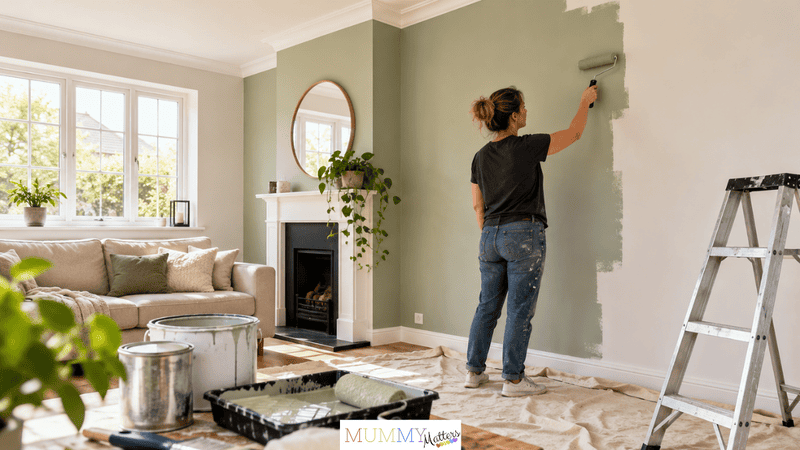
The cost of painting the inside of a house in the UK varies depending on the size of your property, the number of rooms and whether you hire a professional painter and decorator or do the work yourself.
As a general guide, professional interior painting can cost anywhere from a few hundred pounds for a single room to several thousand pounds for an entire property.
Average Interior Painting Costs in the UK (2026)
The table below provides indicative costs for hiring a professional painter and decorator in the UK.
| Painting Project | Estimated Professional Cost |
|---|---|
| Small bedroom | £200–£450 |
| Average-sized bedroom | £250–£600 |
| Living room | £350–£900 |
| Kitchen walls | £200–£450 |
| Hallway, stairs and landing | £400–£1,600 |
| Two-bedroom house | £1,500–£3,000 |
| Three-bedroom house | £2,000–£4,500 |
| Four-bedroom house | £3,000–£6,000+ |
These figures are indicative budgeting ranges rather than guaranteed quotations or verified national averages. Costs depend on room size, wall condition, location, preparation requirements and whether ceilings, woodwork, materials and VAT are included.
For a more accurate estimate, request written quotations from local painters and decorators, ensuring each quote covers the same work.
The estimates above are intended as a general budgeting guide. For additional information about current decorating prices, you can compare published cost guides from Checkatrade and MyBuilder. Both provide useful information about professional painter and decorator charges in the UK. Remember that actual quotations will depend on your location, the condition of your property and the work required.
Before committing to a decorating project, it’s worth obtaining at least three written quotations from local painters and decorators. Ask each professional to specify whether their price includes paint, preparation work, ceilings, woodwork and VAT, so you can compare quotations fairly.
DIY Interior Painting: How Much Does It Cost?
Painting your home yourself can be a cost-effective way to refresh your interiors, particularly if you’re comfortable with basic decorating and have the time to complete the work properly.
Although you’ll save on professional labour costs, you’ll still need to budget for paint, preparation materials and decorating equipment.
How Much Does DIY Painting Cost?
For an average-sized bedroom, a reasonable starting budget for DIY painting is approximately £60–£150, depending on the paint you choose and whether you already own the necessary equipment.
Here’s an illustrative breakdown of what you might spend:
| Decorating Supplies | Estimated Cost |
|---|---|
| 5 litres of standard emulsion paint | £20–£50 |
| Paintbrushes and rollers | £10–£25 |
| Paint tray | £3–£8 |
| Masking tape | £3–£8 |
| Sandpaper and filler | £5–£15 |
| Dust sheets | £5–£15 |
| Estimated total | £46–£121 |
Prices are approximate budgeting estimates and will vary by retailer, brand and product quality. Additional paint, primer or specialist materials may increase the total.
How Much Paint Will You Need?
Most standard interior emulsion paints cover approximately 10–14 square metres per litre per coat, although coverage varies depending on the product and wall surface.
To estimate how much paint you’ll need:
- Measure the length and height of each wall.
- Multiply these measurements to calculate the wall area in square metres.
- Add together the areas of all the walls you plan to paint.
- Subtract large windows and doors if appropriate.
- Multiply the remaining area by the number of coats required.
- Divide this figure by the coverage stated on your paint tin.
For example, if your walls have a total paintable area of 30 square metres and your chosen paint covers 12 square metres per litre, you’ll need approximately five litres for two coats.
Allow a little extra for touch-ups and variations in surface absorbency.
Is DIY Painting Worth It?
Decorating yourself can save a considerable amount of money, especially when you’re refreshing a room that’s already in good condition.
However, it’s important to consider the time and effort involved. Preparing walls, protecting furniture, cutting in around ceilings and applying multiple coats can take longer than expected.
If your walls need extensive repairs, you’re working with particularly high ceilings, or you’re decorating difficult areas such as staircases, hiring a professional may be the more practical option.
For straightforward projects, though, DIY painting can be an enjoyable and affordable way to give your home a fresh look.
If you’re planning other improvements alongside your decorating, you might also find our guide to easy ways to cut costs and save money helpful.
CHow Much Does It Cost to Hire a Painter and Decorator in the UK?
Hiring a professional painter and decorator can save time and help you achieve a smooth, long-lasting finish, particularly when decorating larger rooms or areas that require extensive preparation.
In the UK, professional decorators typically charge by the day or provide a fixed quotation for the entire project.
In 2026, professional painters and decorators in the UK may charge approximately £150–£400 per day, depending on their experience, location and the complexity of the project.
For example, MyBuilder reports typical daily rates of £150–£250, while Checkatrade’s 2026 pricing guide gives a range of £250–£400, with an average of £325.
These figures provide a useful starting point when budgeting, but actual quotations will vary. Always check whether paint, preparation materials and VAT are included in the quoted price.
What Affects Professional Painting Costs?
Several factors influence the final price of an interior painting project:
- Room size: Larger rooms generally require more paint and additional labour.
- Wall condition: Cracks, damaged plaster and uneven surfaces may need repairing before painting begins.
- Paint quality: Premium and specialist paints can increase material costs.
- Number of coats: Covering dark colours or achieving an even finish may require additional coats.
- Ceilings and woodwork: Painting skirting boards, doors, window frames and ceilings adds to the workload.
- Location: Labour rates vary across the UK, with prices often higher in London and the South East.
- Accessibility: High ceilings, staircases and awkward spaces may require additional equipment or preparation.
One of the biggest costs is labour and the type of paint used. If you want to hire a painter but worry about your budget, consider more affordable paint brands or decorating a smaller section of your home first.
When planning an interior painting project, it is worth considering more than just the initial price. Surface preparation, paint quality and professional application can all influence the finished result. Homeowners in Denver looking to refresh your home with interior painting services can explore the options available through Ireland’s Finest Painting Company. Choosing the right approach can help balance your budget with the appearance and durability you want to achieve.
How to Get an Accurate Painting Quote
Before hiring a professional decorator, request a detailed written quotation outlining exactly what is included.
Ideally, your quotation should specify:
- Whether paint and decorating materials are included.
- How much preparation work will be carried out.
- Whether ceilings, doors and skirting boards are included.
- How many coats of paint will be applied.
- The estimated completion time.
- Whether VAT is included in the quoted price.
Getting at least three quotations from local decorators can help you compare prices and understand what represents good value.
Remember that the cheapest quotation isn’t necessarily the best. Experience, customer reviews, preparation standards and the quality of materials can all affect how well your newly decorated rooms look and how long the finish lasts.
How Much Does It Cost to Paint a Bedroom in the UK?
Painting a bedroom is one of the most affordable ways to give your home a fresh look. Whether you’re updating a child’s bedroom, refreshing your main bedroom or redecorating a guest room, the cost will largely depend on the room’s size and the amount of preparation required.
As a general guide, hiring a professional painter and decorator to paint an average-sized bedroom in the UK could cost approximately £250–£600 in 2026, depending on the room’s size, condition and the work involved.
This is an indicative budgeting range rather than a fixed national average. Painting the walls alone will generally cost less than a complete redecoration that includes the ceiling, skirting boards, doors and other woodwork.
For an accurate estimate, ask your decorator to provide a written quotation specifying which surfaces, materials and preparation work are included.
Smaller bedrooms may cost less, while larger rooms with high ceilings, damaged walls or detailed woodwork can be more expensive.
What Can Increase the Cost of Painting a Bedroom?
Several factors can affect the final price:
- Wall preparation: Filling holes, repairing cracks and sanding uneven surfaces takes additional time.
- Colour changes: Painting over dark walls with a much lighter colour may require extra coats.
- Ceilings and woodwork: Including ceilings, doors, skirting boards and window frames will increase labour and material costs.
- Feature walls: Creating a contrasting feature wall may involve additional preparation and careful cutting in.
- Furniture: Rooms containing large or heavy furniture may take longer to prepare and protect.
If you’re working with a limited budget, consider painting the walls yourself and leaving more complicated tasks, such as repairing damaged plaster, to a professional.
For bedrooms that are already in good condition, a fresh coat of paint can make a noticeable difference without requiring a complete makeover.
How Much Does It Cost to Paint a Kitchen in the UK?
Giving your kitchen a fresh coat of paint can make a surprisingly big difference without the expense of replacing cupboards, worktops or appliances.
As a provisional guide, painting kitchen walls professionally in the UK may cost approximately £200–£450, depending on the size of the room, the condition of the walls and the amount of preparation required.
Although kitchens are often smaller than living rooms, they can be more complicated to decorate because of fitted cupboards, appliances, splashbacks and other fixtures.
What Affects the Cost of Painting a Kitchen?
Several factors can influence the final price:
- Wall preparation: Kitchen walls may need cleaning and degreasing before painting, particularly around cooking areas.
- Paint choice: Durable, washable paints designed for kitchens can cost more than standard emulsion.
- Cupboards and appliances: Protecting fitted units, worktops and appliances requires additional preparation.
- Ceilings: Kitchen ceilings may need stain-blocking primer if they have been affected by cooking residue or water stains.
- Kitchen size and layout: Awkward corners and areas around cabinets can take longer to paint.
What Is the Best Paint for Kitchen Walls?
When choosing kitchen paint, look for a product that is durable, washable and suitable for areas exposed to occasional moisture and cooking splashes.
Many modern kitchen paints are designed to resist everyday stains and allow surfaces to be wiped clean without damaging the finish.
A washable matt or durable eggshell finish can be a practical choice, depending on the look you want to achieve.
For areas directly exposed to water, such as behind sinks, suitable splashbacks or other water-resistant finishes may offer better protection than paint alone.
Can You Save Money by Painting Your Kitchen Yourself?
If your kitchen walls are in reasonable condition, painting them yourself can be an affordable weekend decorating project.
To keep costs down, focus on refreshing the existing walls rather than undertaking a complete kitchen makeover.
Make sure surfaces are thoroughly cleaned, allow sufficient drying time between coats and follow the paint manufacturer’s instructions.
With the right preparation and paint, even a relatively small decorating project can help your kitchen feel brighter, cleaner and more welcoming.
Interior House Painting Costs: Is It Worth the Investment?
A fresh coat of paint is one of the most affordable ways to update your home, whether you’re refreshing a single bedroom or planning to redecorate your entire property.
As we’ve explored, interior house painting costs in the UK can vary considerably depending on the size of your home, the condition of your walls, your choice of paint and whether you hire a professional painter and decorator.
If you’re working with a smaller budget, painting your rooms yourself can help you save on labour costs. However, professional decorators can be particularly valuable when tackling larger projects, difficult spaces or walls that require extensive preparation.
Before getting started, take time to calculate how much paint you’ll need, compare material costs and obtain quotations if you’re considering professional help.
You don’t necessarily need to redecorate your entire house to make a noticeable difference. Sometimes, refreshing a tired living room, updating a bedroom colour or brightening your kitchen is enough to make your home feel new again.
If you’re planning further improvements, you might also enjoy our guide to five ways to freshen up your home.
Ultimately, the best approach is one that suits your budget, your available time and the finish you want to achieve. If you’re looking for more affordable ways to transform your living space, take a look at our budget-friendly home upgrades to make your house look new for further inspiration.
Frequently Asked Questions About Interior House Painting Costs
How much does a painter and decorator charge per day in the UK?
As a provisional budgeting estimate, a professional painter and decorator in the UK may charge approximately £150–£400 per day. However, rates vary depending on location, experience and the complexity of the work. Some decorators charge more, particularly in London and the South East. Always request a written quotation before agreeing to any work.
Is it cheaper to paint a room yourself?
Yes, painting a room yourself is generally cheaper because you avoid professional labour costs. You’ll still need to purchase paint, brushes, rollers and preparation materials, but DIY decorating can offer considerable savings if your walls are in good condition and you already have some equipment.
How long does it take to paint a bedroom?
Painting an average-sized bedroom typically takes one to two days, depending on the condition of the walls, the number of coats required and the drying time between applications. Additional preparation, repairs or painting ceilings and woodwork can extend the project.
How often should you repaint the inside of your house?
Many homeowners choose to repaint interior walls approximately every three to seven years, although this varies depending on the room and how much wear it receives. Busy areas such as hallways, kitchens and children’s bedrooms may need refreshing more frequently, while quieter rooms can often go longer between decorating projects.
Does painting your house increase its value?
Freshly painted interiors can make a property more appealing to potential buyers by creating a clean, well-maintained appearance. Neutral colours can also help buyers imagine themselves living in the space. However, painting doesn’t guarantee an increase in property value, and the financial return will depend on the condition of your home and the local housing market.
Updated: October 2026