
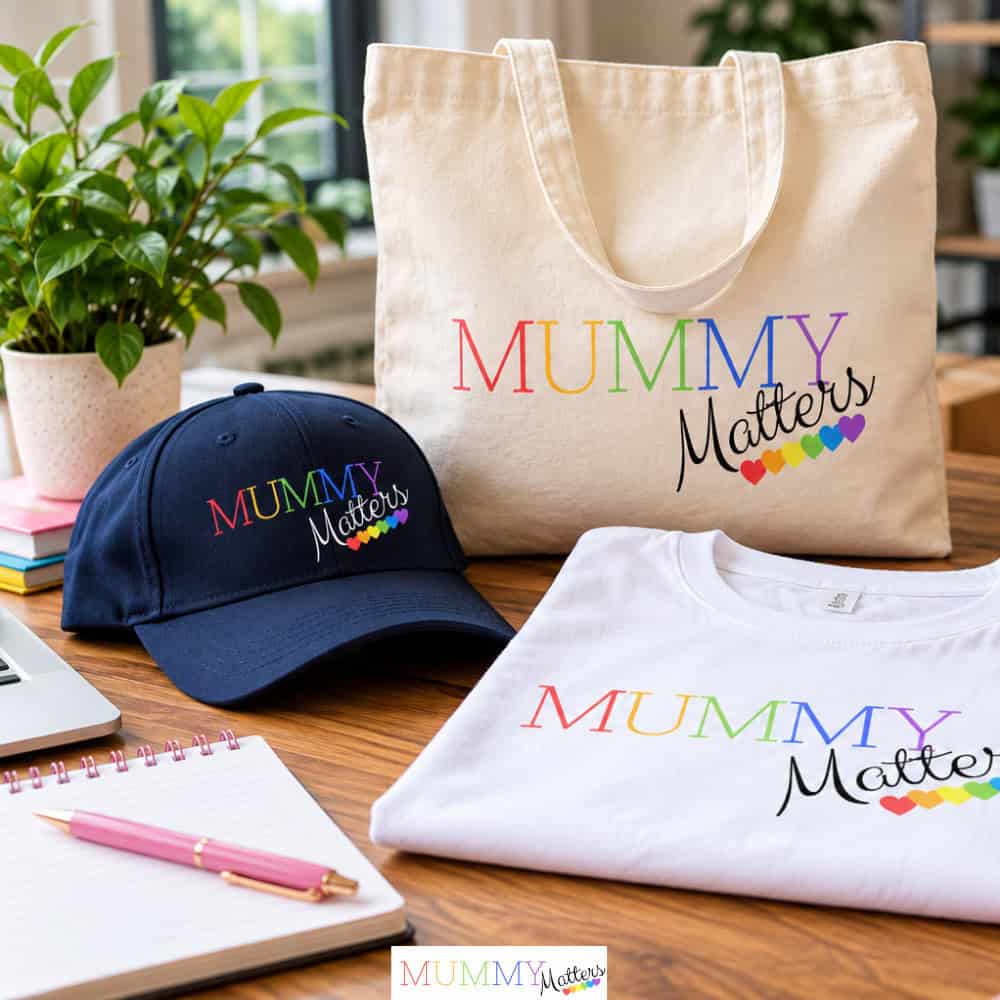
Creating custom merchandise can be a great way to build a stronger connection with your audience while adding another income stream to your business. Whether you run a blog, small business, online community or established brand, the right merchandise can turn loyal followers into customers while helping more people discover your name.
But successful branded merchandise involves more than simply adding your logo to a T-shirt or mug. You need to think carefully about what your audience would genuinely want to buy, how much it will cost to produce, whether to use print-on-demand or order in bulk, and how you will market and sell your products.
If you’re considering creating your own merchandise, this guide walks you through the process from choosing the right products and suppliers to testing your designs and planning a successful launch.
Now that you have decided to make merch part of your brand, you might be wondering what to do next. Here are some steps to follow for creating custom merchandise:
Find a merchandise supplier you can trust

One of the most important decisions when creating custom merchandise is choosing the right supplier. Price matters, but it shouldn’t be the only factor you consider. The quality of the finished products will reflect directly on your brand, so poorly printed designs, uncomfortable clothing or unreliable delivery can quickly turn an exciting idea into a disappointing customer experience.
Before choosing a supplier, compare product quality, printing or embroidery options, minimum order quantities, production times, shipping costs and customer support. It is also worth checking whether you can order samples before committing to a larger order.
Print-on-demand or bulk ordering?
You’ll also need to decide whether print-on-demand or buying merchandise in bulk makes the most sense for your business.
With print-on-demand, products are usually created only after a customer places an order. This can make it easier to test new ideas without investing heavily in stock or finding somewhere to store it. Some providers can also handle fulfilment and shipping directly to your customers.
Ordering in bulk can reduce the cost per item and potentially increase your profit margin, but it requires a larger upfront investment. You also take on the risk of being left with products that don’t sell.
If you’re launching merchandise for the first time, starting with a small range or using print-on-demand can be a useful way to discover what your audience actually wants before investing in larger quantities.
Choose merchandise your audience will actually want
Once you have an idea of how your merchandise will be produced, the next step is deciding what to sell. Rather than choosing products simply because they are popular, think about your audience and what they would genuinely find useful, wearable or enjoyable.
The most popular merch items currently include t-shirts, hoodies, caps, phone covers, and coffee mugs. However, there is no need to limit yourself to what everyone else is selling. Think outside the box, and you might come up with something so unique that it will blow competitors and fans away alike.
Headwear is a great choice because people wear it out in public every day. If you want to make a strong impression, you can design custom fitted hats with logo details that look clean and professional. This type of product has a high perceived value, so fans are more likely to keep and wear it. You can choose colors that match your brand identity perfectly. It is a simple way to get your name seen by more people without spending a lot of money.
Your merchandise doesn’t necessarily need to feature a large logo to be recognisable as part of your brand. A favourite phrase, illustration, subtle reference or design inspired by your content can sometimes create a product that people are more likely to use regularly.
Try to keep your first collection relatively focused. A smaller range of carefully chosen products can be easier to manage and promote than launching lots of different items at once. You can always expand the collection once you know which designs and products your audience responds to.
Order samples before you launch
Before committing to a product or design, order samples wherever possible. Something that looks great on a screen may not translate quite as well onto fabric, embroidery, a mug or another physical product.
Check the quality of the product itself as well as the printing or embroidery. Look at colours, positioning, sizing and how the item feels to use or wear. If you’re selling clothing, it is particularly important to check the fit and sizing before recommending it to customers.
Don’t be afraid to make changes after seeing your samples. Your merchandise represents your brand, so it is better to adjust a design or choose a different product before launch than discover quality issues after customers have started ordering.
It is also worth photographing your samples yourself. Original lifestyle images can give customers a much better idea of what they are buying and provide you with useful content for your website, social media and launch promotion.
Decide where you will sell your merchandise
Before launching your merchandise, decide where customers will be able to buy it. For many small businesses and online brands, selling directly through their own website can be the simplest option, particularly if you already have an established audience visiting your site.
Depending on your business, you could also sell through an ecommerce platform, online marketplace, social media shop or at physical events. If you use a print-on-demand provider, check whether it integrates with the platform you already use, as this can make processing orders and fulfilment much easier.
Work out your costs before setting a price
Before deciding how much to charge, calculate the true cost of each product. This should include manufacturing, printing or embroidery, packaging, payment processing fees and any shipping costs you intend to absorb.
From there, you can set a price that gives you a reasonable profit margin while still offering good value to your customers. It is also worth reviewing your pricing regularly as your costs and sales change. Remember that the cheapest product isn’t necessarily the most appealing. If your merchandise feels well made, looks good and is genuinely useful, customers may be willing to pay more for it.
If you are testing a new merchandise range, starting small can also help you understand which products generate genuine interest before committing more money to stock or marketing.
Build interest before your merchandise launch
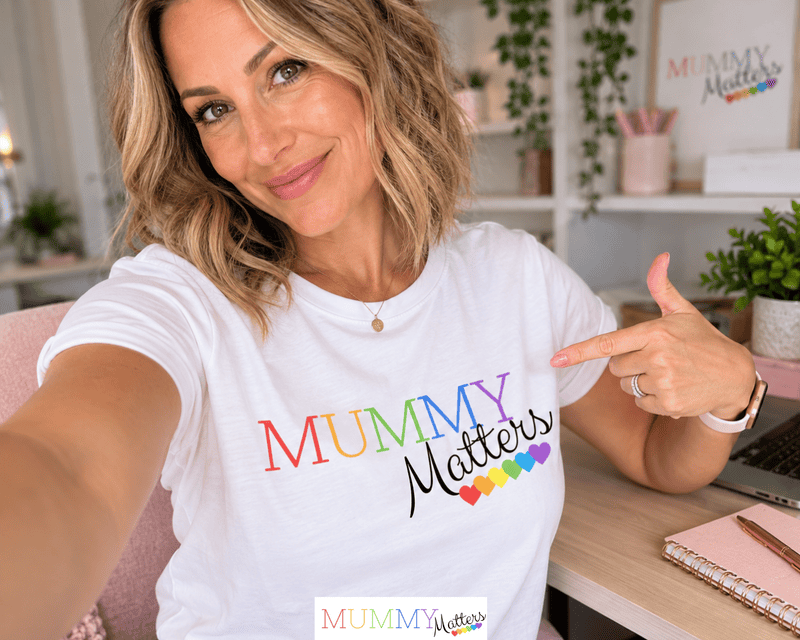
You don’t have to wait until your merchandise is available to start talking about it. Sharing behind-the-scenes glimpses of the design process, product samples or packaging can help build interest and make your audience feel involved in the launch.
Social media is an obvious place to do this, but don’t forget about the audience you already own. If you have an email list, newsletter or regular website visitors, use those channels to introduce your new products too.
You could also ask your audience for their opinion on potential colours, designs or products before making your final choices. As well as creating engagement, this can give you useful insight into what people may actually want to buy.
When you are ready to launch, consider offering an introductory incentive such as a limited-time discount, free delivery or a small gift with qualifying orders. Avoid discounting so heavily that you remove your profit margin; the aim is to encourage those first purchases while establishing the value of your merchandise.
After launch, pay attention to which products sell, which designs attract the most interest and what customers say about their purchases. Use that information to decide what to restock, discontinue or introduce next.
Common mistakes to avoid when creating custom merchandise
Creating your own merchandise can be exciting, but it is easy to get carried away with the possibilities. Keeping your first collection simple can help reduce both the financial risk and the amount of work involved.
Some common mistakes to watch out for include ordering too much stock before testing demand, choosing products based on price rather than quality, launching too many designs at once and forgetting to account for packaging, fees and delivery costs when setting your prices.
It is also worth thinking beyond your own preferences. You might love a particular colour, slogan or product, but your audience ultimately needs to want it enough to spend money on it. Asking for feedback and testing a small selection of products can help you make decisions based on genuine interest rather than guesswork.
Finally, don’t rush the launch simply because you have announced a date. If your samples aren’t quite right or you aren’t happy with the finished design, fixing the problem before customers order is far better than dealing with disappointing products afterwards.
Final thoughts
Creating custom merchandise can be a rewarding way to grow your brand, generate an additional income stream and give your audience another way to connect with what you do. The key is to focus on products people genuinely want rather than creating merchandise simply because other brands are doing it.
Start with a small, carefully chosen range, prioritise quality and order samples before committing to a launch. Once your merchandise is available, listen to customer feedback and use your sales data to guide what you create next.
You don’t need a huge collection to make branded merchandise successful. A few well-designed products that reflect your brand and appeal to your audience can be a much stronger starting point than dozens of items that have been created without a clear purpose.
Updated: October 2026