
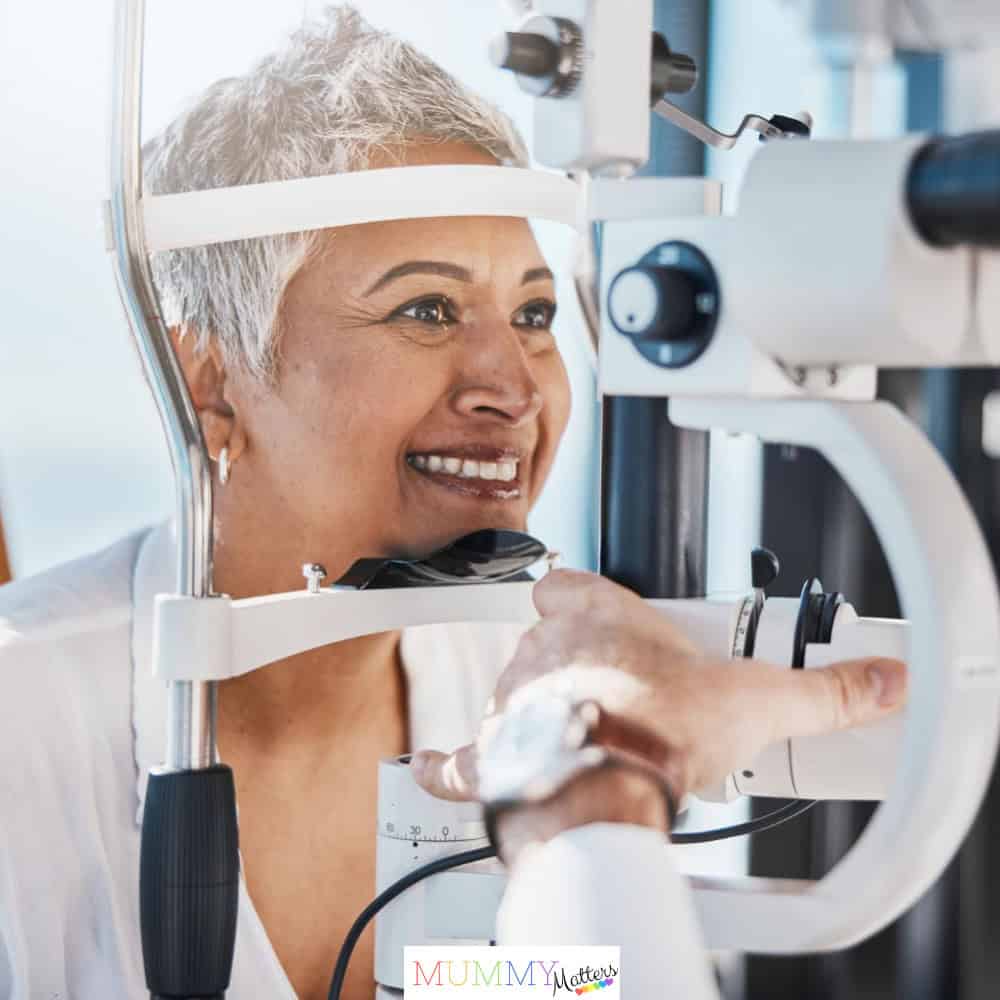
Our eyesight is something many of us take for granted until we notice a change. Yet looking after our eyes is just as important as taking care of the rest of our health, and a few everyday habits can make a real difference.
From protecting your eyes from UV exposure and taking regular breaks from screens to eating a balanced diet and keeping up with routine eye tests, there are plenty of simple ways to support good eye health throughout your life.
Regular eye tests are particularly important because they don’t just check whether your glasses or contact lens prescription has changed. They can also help identify signs of some eye conditions before you notice any obvious symptoms.
In this guide, we’ll look at eight practical ways to keep your eyes healthy, protect your vision and recognise when it’s time to seek professional advice.
Protect Your Eyes From UV Light
Just as we protect our skin from the sun, our eyes need protection from ultraviolet (UV) radiation too. Long-term exposure to UV light is associated with an increased risk of eye conditions including cataracts, so wearing good-quality sunglasses is about much more than reducing glare on a sunny day.
When choosing sunglasses, look for a pair that provides proper UV protection. In the UK, sunglasses carrying the CE or UKCA mark and labelled as providing UV400 or 100% UV protection are a good place to start. A close-fitting or wraparound style can provide additional protection by reducing the amount of sunlight reaching your eyes from around the sides of the lenses.
It’s also worth remembering eye protection in situations where there’s a risk of injury. DIY, gardening and certain sports can all expose your eyes to flying particles or debris, so appropriate protective eyewear is a simple precaution that could prevent a potentially serious eye injury.
Have Regular Eye Examinations
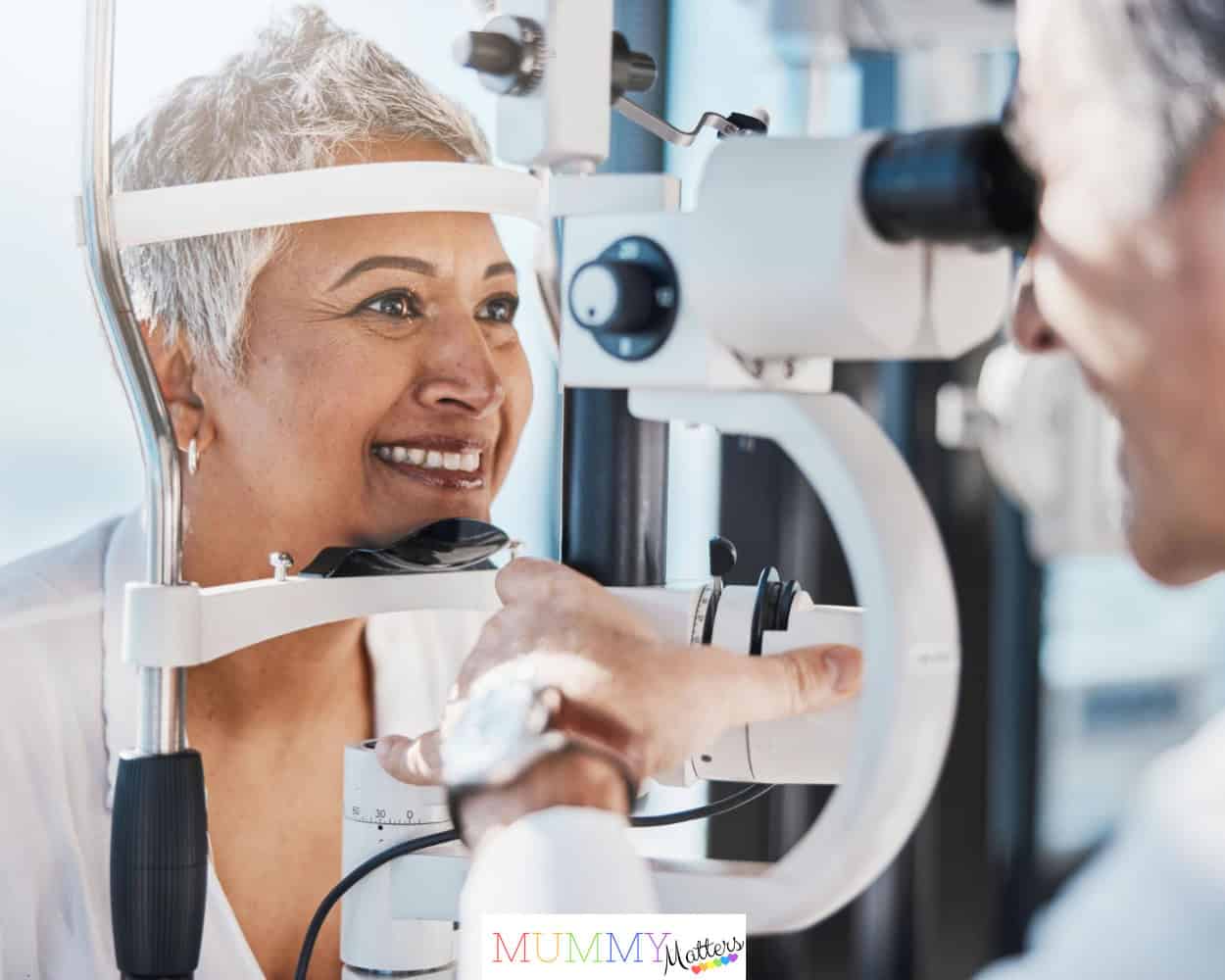
Regular eye examinations aren’t just about finding out whether you need glasses or updating an existing prescription. They also give an optometrist an opportunity to examine the health of your eyes and look for signs of conditions that may not cause noticeable symptoms in their early stages.
The NHS generally recommends having your eyes tested every two years, although some people may be advised to have examinations more frequently depending on their age, eye health, family history or other health conditions.
If an eye examination identifies something that needs further investigation, you may be referred for specialist assessment. Dedicated eye clinics such as Centre for Sight offer specialist consultations, diagnostic testing and treatment for a range of eye conditions. This can include imaging such as OCT scans, which produce detailed images of structures within the eye and can help specialists assess eye health.
Keeping up with routine appointments is particularly important because changes to your eyes aren’t always something you’ll notice yourself. Rather than waiting until your vision becomes blurry or uncomfortable, think of an eye test as another regular health check.
Eat a Balanced Diet for Eye Health
What you eat can play a part in supporting your eye health, just as it does your overall health. Rather than focusing on one supposed ‘superfood’ for better eyesight, aim for a varied, balanced diet that provides the nutrients your eyes need.
Colourful fruit and vegetables are a great place to start. Dark leafy greens such as spinach and kale contain lutein and zeaxanthin, while carrots and sweet potatoes are sources of beta-carotene, which the body converts into vitamin A. Vitamin A is important for normal vision, particularly in low-light conditions.
Vitamin C can be found in foods such as citrus fruits, berries and peppers, while nuts and seeds provide vitamin E. Oily fish including salmon, sardines and mackerel are sources of omega-3 fatty acids and can form part of a healthy, balanced diet.
The important thing is variety. Eating plenty of fruit and vegetables, alongside wholegrains, protein and healthy fats, supports your general health as well as providing nutrients involved in maintaining normal eye function. If eating well feels difficult when family life is busy, healthy family meal planning can make it much easier to include a wider variety of nutritious foods throughout the week.
If you have been diagnosed with an eye condition, don’t assume that an over-the-counter eye supplement will help. Some specific vitamin and mineral supplements are recommended for certain people with age-related macular degeneration (AMD), but they aren’t suitable or necessary for everyone, so this is something to discuss with your optometrist, GP or eye specialist.
Give Your Eyes Regular Breaks From Screens
Whether you’re working at a computer, scrolling on your phone or concentrating on a book for long periods, your eyes can start to feel tired and uncomfortable. Screen use in particular can contribute to digital eye strain, with symptoms including dry or irritated eyes, headaches, blurred vision and difficulty focusing.
One simple habit to try is the 20-20-20 rule. Every 20 minutes, look at something around 20 feet away for at least 20 seconds. This gives your focusing muscles a brief rest and encourages you to look away from the screen regularly.
It can also help to blink consciously when you’re using a screen, as we tend to blink less frequently when concentrating. Position your screen at a comfortable distance, reduce distracting glare and make sure the text is large enough that you’re not continually squinting or leaning forwards to read it.
If your eyes regularly feel dry, sore or strained despite making changes to your screen habits, mention it at your next eye examination rather than simply putting up with the discomfort.
Practise Good Eye and Contact-Lens Hygiene
Good hygiene can help reduce the risk of irritation and eye infections. Try to avoid rubbing or touching your eyes unnecessarily, particularly if you haven’t washed your hands, and always wash and dry your hands before handling contact lenses.
If you wear contact lenses, follow the cleaning, replacement and wearing instructions provided by your optometrist and the lens manufacturer. Don’t sleep in lenses unless you’ve specifically been advised that they are suitable for overnight wear, and avoid exposing contact lenses to tap water, including when swimming or showering.
Eye makeup deserves a little attention too. Avoid sharing mascara, eyeliner or other products used around the eyes, replace products regularly and remove your makeup before going to bed. If you develop an eye infection, it’s sensible to stop using eye makeup and contact lenses until you’ve received appropriate advice.
Glasses should also be kept clean, although this is mainly about maintaining clear, comfortable vision rather than preventing eye disease. A clean microfibre cloth and suitable lens cleaner will usually do the job without scratching the lenses.
Don’t Smoke
Smoking doesn’t only affect your lungs and heart; it can also have a significant impact on your eye health. Smoking is associated with an increased risk of developing age-related macular degeneration (AMD) and cataracts, both of which can affect your vision as you get older.
Tobacco smoke exposes the eyes to harmful chemicals and oxidative stress, and the risks can increase with the amount and length of time someone smokes. Giving up smoking therefore has benefits for your eye health as well as your wider health.
If you smoke and would like help to stop, you don’t have to rely on willpower alone. The NHS offers advice and support to help people quit, including information about local Stop Smoking Services and treatments that can make quitting easier.
Look After Your Overall Health
Looking after your general health can help protect your eyes too. Conditions such as diabetes and high blood pressure can affect the blood vessels and other structures within the eyes, which is another reason why regular health checks and managing any existing conditions are important.
If you have diabetes, attending your diabetic eye screening appointments is particularly important. Diabetic retinopathy can develop when high blood sugar levels damage the blood vessels at the back of the eye, and screening is designed to identify changes before they begin to affect your sight.
Regular physical activity, eating a balanced diet and maintaining a healthy lifestyle all support your wider health, which in turn can benefit your eyes. It’s also worth knowing your family’s eye-health history, as some conditions, including glaucoma, can run in families.
Make sure your optometrist knows about any relevant medical conditions, medications and family history when you have an eye examination. This information can help them understand whether there are particular changes or risk factors they need to look out for.
Know When Changes to Your Vision Need Medical Attention
Regular eye examinations are important, but you shouldn’t necessarily wait for your next routine appointment if you notice a sudden or unusual change in your vision. New symptoms can have many causes, and while some are relatively minor, others need to be assessed quickly.
Seek urgent medical advice if you experience a sudden loss or significant change in vision, severe eye pain, a painful red eye, or suddenly develop new flashes or floaters. A dark shadow or curtain moving across your vision also needs prompt assessment.
If you notice a more gradual change, such as persistent blurred vision, increasing difficulty seeing at night, recurring headaches associated with your eyesight or ongoing discomfort, arrange an appointment with an optometrist. They can examine your eyes and advise whether you need further investigation or treatment.
Children may not always realise or be able to explain that their vision has changed, so look out for signs such as frequently rubbing their eyes, sitting unusually close to screens, squinting or struggling to see things at a distance. Short-sightedness (myopia) is particularly important to look out for during childhood, and if you’re concerned about your child’s eyesight, an optometrist can check their vision even if they are too young to read.
Make Eye Health Part of Your Everyday Routine
Looking after your eyes doesn’t need to involve complicated routines. Simple habits such as wearing sunglasses with proper UV protection, eating a varied diet, taking regular screen breaks and attending routine eye examinations can all become part of everyday life.
It’s also important not to ignore changes in your eyesight. Getting to know what’s normal for you and seeking professional advice when something doesn’t feel right can help ensure potential problems are investigated promptly.
Our eyesight plays such an important role in how we work, travel, spend time with our families and enjoy the world around us. Giving our eyes a little more attention now is a simple way to help look after them for the years ahead.
This article is for general information only and isn’t a substitute for advice from an optometrist, GP or other qualified healthcare professional. If you’re concerned about your eyesight or experience a sudden change in vision, seek appropriate medical advice.