

Keeping your car in good condition isn’t just about avoiding an unexpected breakdown. Regular car maintenance helps keep you and your passengers safe, reduces the risk of expensive repairs and can even save you money on fuel.
Whether you’re doing the school run, commuting to work or heading off on a family road trip, you want to know your car is reliable. Simple checks, such as monitoring tyre pressure, checking fluid levels and keeping up with servicing, can make a real difference to how safely and efficiently your vehicle performs.
It’s easy to put off car maintenance when life gets busy, particularly when your vehicle seems to be running perfectly well. However, overlooking small problems can sometimes lead to much bigger repair bills later.
In this guide, we’ll explore the main benefits of regular car maintenance, from improving road safety and fuel efficiency to protecting your car’s resale value. We’ll also look at why a little preventative care can save you considerable time, money and inconvenience in the long run.
Improved Safety
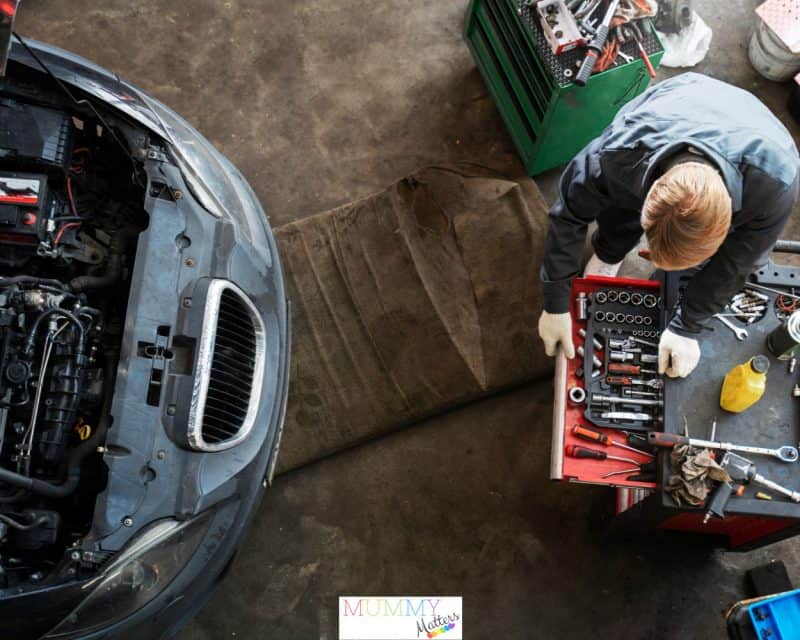
One of the most important benefits of regular car maintenance is keeping yourself, your passengers and other road users safe. Even a small mechanical problem can become dangerous if it goes unnoticed, particularly when driving in poor weather or at higher speeds.
Regular checks help identify potential problems before they become serious. Some of the most important areas to monitor include:
- Brakes: Worn brake pads or damaged components can affect stopping distances. Unusual noises, vibrations or changes in braking performance should always be investigated.
- Tyres: Check tyre pressure, tread depth and general condition regularly. In the UK, the legal minimum tread depth for most cars is 1.6mm across the central three-quarters of the tyre, around its entire circumference.
- Lights: Make sure headlights, brake lights, indicators and fog lights are working correctly, particularly during the darker winter months.
- Steering and suspension: Unusual vibrations, pulling to one side or difficulty steering could indicate a problem that needs attention.
- Seatbelts and safety systems: Check seatbelts for visible damage and pay attention to warning lights relating to airbags, ABS and electronic stability control.
Whether you’re purchasing a vehicle from a Chrysler dealership or maintaining the family car you’ve owned for years, safety should always come first.
It’s also worth remembering that an MOT is a minimum annual roadworthiness check for vehicles that require one, rather than a substitute for regular servicing. Keeping up with routine maintenance between MOT tests helps ensure your car remains safe and reliable throughout the year.
Better Performance & Reliability
There’s nothing more frustrating than getting into your car when you’re already running late, only to discover it won’t start. Whether you’re heading to work, taking the children to school or setting off on a family holiday, having a reliable vehicle makes everyday life considerably easier.
Regular car maintenance helps keep your vehicle running smoothly by ensuring that essential components are working as they should. Following the manufacturer’s recommended servicing schedule can also help identify developing problems before they result in an inconvenient or expensive breakdown.
Some of the most important maintenance tasks include:
- Engine oil and filter changes: Fresh oil helps lubricate moving engine components, reducing friction and wear. Following the recommended oil change intervals is particularly important for protecting your engine.
- Battery checks: A weakening battery can cause starting problems, especially during colder weather. Checking its condition can help prevent unexpected failures.
- Fluid levels: Engine coolant, brake fluid and other essential fluids need to be maintained at the correct levels to keep your car operating safely and efficiently.
- Timing belt maintenance: Some engines rely on a timing belt that must be replaced according to the manufacturer’s recommendations. For example, arranging a Peugeot 3008 timing belt change when required can help prevent serious engine damage.
- Air filters: Replacing dirty or blocked filters at the recommended intervals helps maintain proper airflow and engine performance.
It’s also important to pay attention to changes in how your car feels or sounds. Unusual noises, vibrations, warning lights or a noticeable loss of power shouldn’t be ignored, even if the vehicle still seems driveable.
By keeping up with routine servicing and addressing problems promptly, you can reduce the likelihood of unexpected breakdowns and help your car remain dependable for years to come.
Higher Resale Value
When the time comes to sell or part-exchange your car, its maintenance history can make a real difference to how attractive it is to potential buyers. A vehicle that has been regularly serviced and properly looked after is generally more appealing than one with an uncertain history.
For many people, buying a second-hand car is a significant financial commitment, so having evidence that it has been well maintained provides reassurance. A complete service history can help demonstrate that essential maintenance has been carried out at the recommended intervals.
There are several ways regular car maintenance can help protect your vehicle’s resale value:
- Keep accurate service records: Retain invoices, receipts and service documentation to show when maintenance and repairs were completed. Digital service records are increasingly common, so make sure you can access these too.
- Address minor problems promptly: Small issues such as warning lights, unusual noises or worn components can make prospective buyers nervous, particularly if they suggest more expensive repairs might be needed.
- Maintain the tyres and brakes: Buyers may consider the condition of these components when deciding whether a car represents good value for money.
- Look after the interior and exterior: Although not strictly mechanical maintenance, keeping your car clean and addressing minor damage can improve its overall presentation.
- Keep up with MOT requirements: A valid MOT certificate and a history without recurring serious defects can help reassure potential buyers about the vehicle’s condition.
It’s worth remembering that regular servicing doesn’t guarantee a higher selling price. Factors such as mileage, age, market demand and overall condition will still influence what your car is worth.
However, being able to demonstrate that you’ve taken good care of your vehicle can give potential buyers greater confidence and may help you achieve a better price when it’s time to sell.
Cost Savings
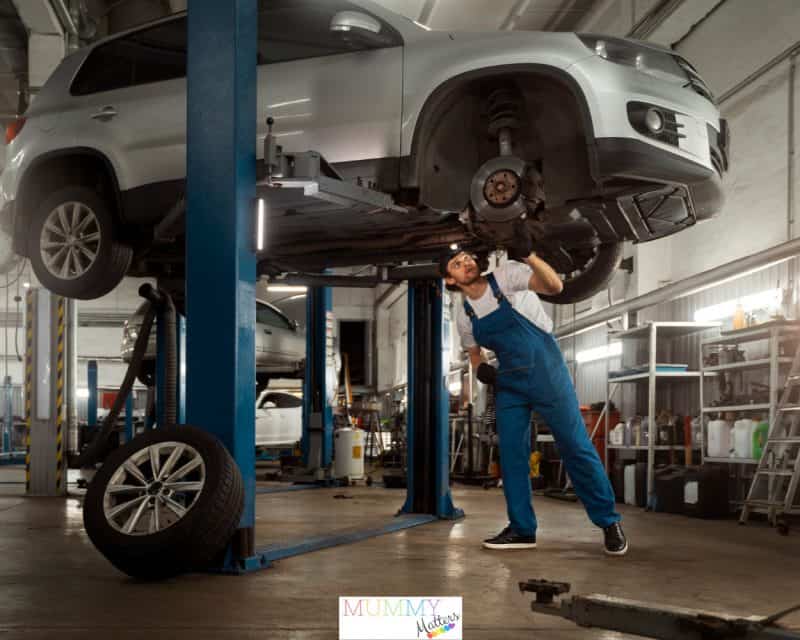
One of the biggest advantages of regular car maintenance is the potential to save money over time. Although servicing and replacing worn components involves an upfront cost, preventative maintenance can help you avoid much larger repair bills further down the line.
For example, keeping up with oil changes helps protect your engine from unnecessary wear, while checking tyre pressures and wheel alignment can help prevent uneven tyre wear. Regular tyre rotations, where appropriate for your vehicle, can also extend the life of your tires, reducing how frequently they need replacing.
Keeping up with these checks is often easier when you have a reliable local garage. Regular servicing, tyre inspections and wheel alignment checks can help identify problems before they become expensive. For motorists living in Suffolk, finding a garage that offers several services in one place can make vehicle maintenance more convenient. Local businesses such as Hadleigh Tyres Suffolk offer motorists an option when looking after their vehicles and keeping on top of essential maintenance.
There are several ways regular car maintenance can help reduce your motoring costs:
- Improved fuel efficiency: Correct tyre pressures, properly maintained engine components and regular servicing can help your vehicle operate more efficiently.
- Fewer unexpected repairs: Identifying worn or damaged components early may prevent more serious mechanical problems from developing.
- Longer-lasting tyres: Maintaining the correct tyre pressure, checking wheel alignment when necessary and monitoring tread wear can help you get more mileage from your tyres.
- Reduced risk of breakdowns: Routine inspections can identify potential problems before they leave you stranded and facing recovery costs.
- Protecting your warranty: Following the manufacturer’s servicing requirements and keeping appropriate records can help you meet the conditions of an existing vehicle warranty.
It’s tempting to delay maintenance when household budgets are tight, particularly if your car appears to be running without any problems. However, putting off essential checks can sometimes turn a relatively inexpensive repair into a much larger bill.
By budgeting for regular servicing and dealing with minor issues promptly, you can make car ownership more predictable and potentially save a considerable amount of money over the lifetime of your vehicle.
Environmentally Friendly
Regular car maintenance isn’t just good for your vehicle and your bank balance. It can also help reduce the environmental impact of everyday driving. While no petrol or diesel car is completely environmentally friendly, keeping your vehicle in good working condition can improve fuel efficiency, reduce unnecessary emissions and help components last longer.
Something as simple as maintaining the correct tyre pressure can make a difference. Underinflated tyres create additional rolling resistance, meaning your engine may need to work harder and use more fuel. Regular checks are particularly worthwhile before long journeys or when carrying a heavier load.
There are several ways that looking after your car can help reduce its environmental impact:
- Improved fuel efficiency: Keeping tyres correctly inflated and following the recommended servicing schedule can help your car use fuel more efficiently.
- Reduced emissions: Addressing engine faults and problems with emissions-control systems promptly can help prevent unnecessary pollution.
- Longer-lasting components: Maintaining parts properly and replacing them when necessary can reduce avoidable wear and premature replacement.
- Preventing fluid leaks: Checking for oil, coolant and other fluid leaks helps protect your vehicle while reducing the risk of harmful substances entering the environment.
- Responsible disposal: Used engine oil, batteries and worn tyres should be recycled or disposed of through appropriate facilities rather than being thrown away with household waste.
Choosing a reputable garage can also make it easier to keep on top of essential maintenance. Professional service providers such as Hollenshades offer vehicle maintenance and repair services that can help drivers identify mechanical problems and keep their cars operating efficiently.
Of course, regular servicing is only part of the picture. Combining good vehicle maintenance with smoother driving habits, avoiding unnecessary idling and planning journeys efficiently can also help reduce fuel consumption.
For families who rely on their cars for school runs, work and everyday activities, these small changes offer a practical way to make motoring a little more economical while reducing unnecessary environmental impact.
Updated: October 2026