

Maintaining a healthy lawn in Texas takes more than simply running the mower over the grass whenever it starts to look long. Hot summers, periods of drought and the type of grass growing in your garden can all affect how often — and how closely — your lawn should be cut.
Regular mowing helps encourage dense, healthy growth, keeps weeds and pests under better control and gives your outdoor space a neat, well-cared-for appearance. However, mowing too short, using blunt blades or cutting stressed grass during very hot weather can do more harm than good.
Understanding when and how to mow your lawn can help protect the grass throughout the changing Texas seasons while keeping it looking its best.
Healthy Grass Growth
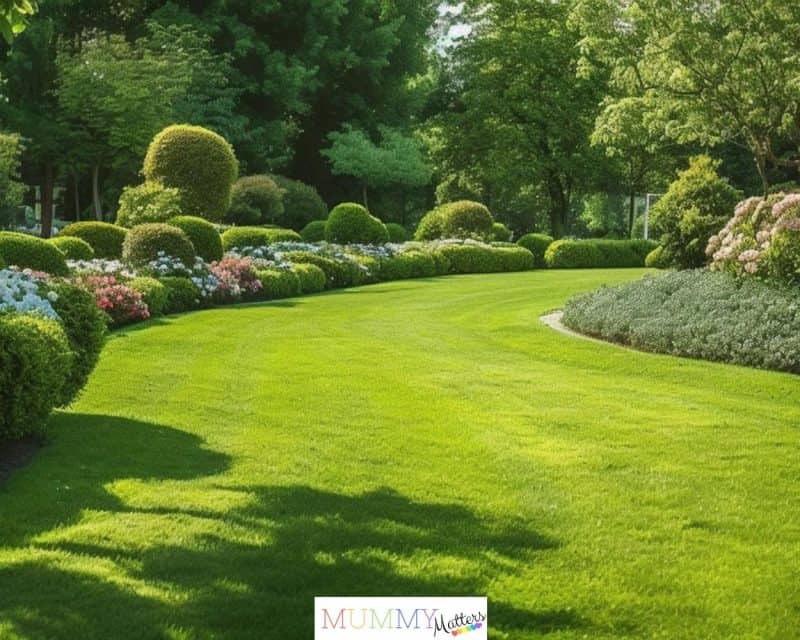
Regular mowing encourages grass to grow more densely, helping to create a thicker lawn with fewer spaces for weeds to establish themselves. Cutting the grass also encourages new growth, although getting the mowing height right is important if you want to avoid putting unnecessary stress on your lawn.
The ideal mowing height will depend on the type of grass you have, so it is worth knowing which variety is growing in your garden rather than relying on a one-size-fits-all approach. During periods of particularly hot or dry Texas weather, allowing the grass to remain slightly longer can also help shade the soil and reduce moisture loss.
Consistency matters too. Mowing regularly when the grass is actively growing is generally better than allowing it to become very long and then cutting it back dramatically in one session.
Pest Control
Allowing grass to become excessively long can create sheltered, humid areas where certain insects and other unwanted visitors may be more likely to hide. Keeping your lawn at an appropriate height makes it easier to spot potential problems before they become more difficult to manage.
Regular mowing also gives you an opportunity to inspect your lawn for unusual patches, thinning grass, discolouration or signs of insect activity. Mowing alone won’t prevent every lawn pest, but combining a sensible mowing routine with good watering, drainage and general lawn care can help create healthier growing conditions and make problems easier to identify.
Aesthetic Appeal
A regularly mown lawn can make a noticeable difference to the overall appearance of your home. Keeping the grass at an even height creates a tidier outdoor space and can help borders, pathways and other landscaping features stand out. If you’re planning improvements beyond the lawn, these upgrades to your home that can make a big difference include some simple ideas for refreshing your garden and outdoor space.
It can also make your garden more enjoyable to use. Whether you’re hosting a backyard barbecue, spending time outdoors with family or simply relaxing on the porch, a healthy, well-maintained lawn provides an inviting backdrop to your outdoor living space.
Adaptation to Texas Climate
Texas lawns have to cope with intense summer heat, periods of drought and significant seasonal changes, so your mowing routine may need to change throughout the year. During particularly hot or dry periods, allowing the grass to remain slightly longer can help shade the soil, protect the roots and reduce moisture loss.
The right mowing height also depends on the variety of grass growing in your lawn. Warm-season grasses commonly grown in Texas can have different mowing and maintenance requirements, which is why identifying your grass type is an important part of developing an effective lawn-care routine.
It is also useful to become familiar with what healthy growth looks like for your particular grass variety. Colour, density, root development and the way the lawn recovers after mowing can all provide clues about its condition. For example, our guide to the signs your Sir Walter Buffalo lawn is thriving explains what healthy growth can look like in this popular Buffalo grass variety, as well as some of the warning signs to watch for.
Proper Mowing Techniques

How you mow is just as important as how often you mow. Start by keeping your mower blades sharp, as blunt blades can tear rather than cleanly cut the grass. Torn grass tips can turn brown and leave the lawn looking uneven or unhealthy.
As a general rule, avoid removing more than one-third of the grass blade in a single mow. If your lawn has become particularly long, gradually reduce its height over several mowing sessions rather than cutting it dramatically all at once.
It is also worth varying your mowing direction occasionally rather than following exactly the same route every time. This can help prevent the grass from repeatedly being pushed in one direction and encourage a more even appearance.
Where possible, avoid mowing when the lawn is extremely wet. Wet grass can clump together, produce an uneven cut and make mowing more difficult.
Grasscycling
Grasscycling simply means allowing the finely cut grass clippings produced during mowing to remain on the lawn rather than collecting and disposing of them. When conditions are suitable, the clippings break down naturally and return nutrients to the soil.
This can save time while also reducing the amount of garden waste you need to dispose of. For the best results, mow regularly so that the clippings are short enough to settle between the grass blades rather than forming thick clumps on the surface.
If the lawn has become very long, the clippings are particularly heavy or wet, or the grass is showing signs of disease, it may be better to collect them instead. Grasscycling works best as part of a regular mowing routine rather than as a way of dealing with large amounts of overgrown grass.
Conclusion
Regular lawn mowing is about much more than keeping your garden looking tidy. The right mowing routine can support healthy growth, help you spot potential problems earlier and make your outdoor space more enjoyable throughout the year.
Texas weather can make lawn care challenging, particularly during periods of extreme heat and drought, so adapting your routine to the season and your particular grass variety is important. Simple habits such as keeping mower blades sharp, following the one-third rule and adjusting your mowing height when conditions change can all contribute to a healthier lawn.
If maintaining your lawn is becoming difficult or you’re unsure what your grass needs, professional lawn-care services such as Heroes Lawn Care Southlake in Texas can also provide advice and ongoing maintenance tailored to local growing conditions.
Editor’s Note: This article has been updated to provide clearer, more practical guidance on lawn mowing techniques, seasonal lawn care and maintaining healthy grass in Texas.