
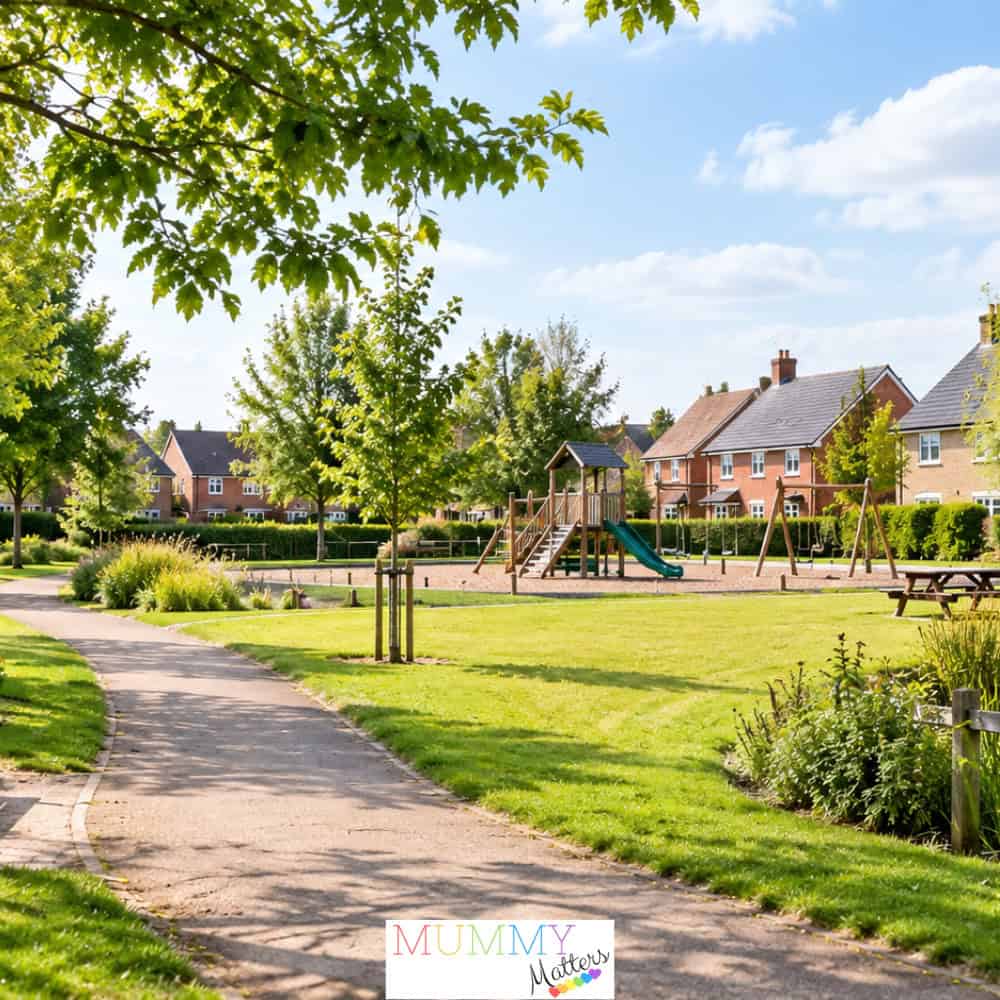
Finding the right house is exciting, but choosing the right neighbourhood can make just as much difference to how happy you feel in your new home. After all, you can redecorate a living room or change your garden, but you can’t easily change the area around you.
Whether you’re moving across town, relocating for work or looking for somewhere to raise a family, there’s much more to consider than house prices and how attractive a street looks. Local schools, transport links, green spaces, safety and a sense of community can all influence your everyday life.
The difficulty is knowing what really matters before you’ve had the chance to live somewhere. A neighbourhood that seems perfect during a Sunday afternoon viewing might feel quite different during the morning school run.
If you’re wondering how to choose a good neighbourhood, these practical tips will help you research potential areas, recognise what matters most to your household and make a more informed decision before moving.
Think About the Type of Home You Need
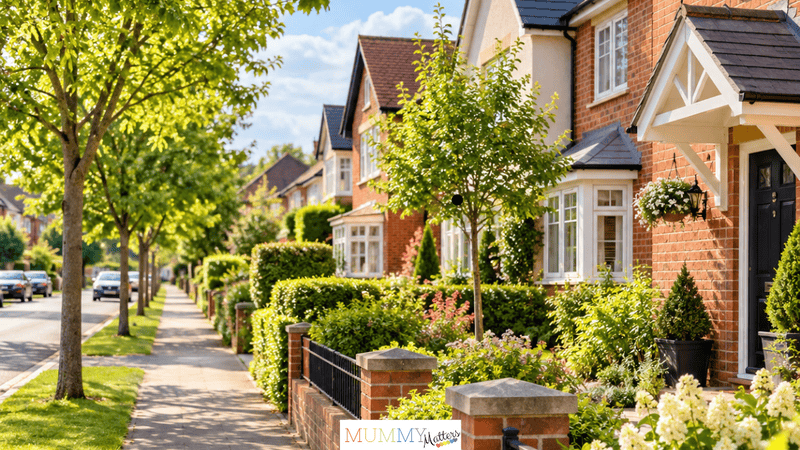
Before you start comparing neighbourhoods, it’s worth thinking about the kind of home that will suit your lifestyle, both now and in the years ahead. There’s little point falling in love with an area if the properties available don’t offer the space, layout or features your household needs.
For families, this might mean looking for a house with enough bedrooms, a garden where the children can play or somewhere to store bikes and outdoor equipment. If you’re unsure which features to prioritise, my guide to what to look for in a family home explores some of the practical details worth considering.
The type of property you prefer can influence where you choose to live. City centres often have a greater selection of flats and apartments, while suburban neighbourhoods may offer more detached and semi-detached houses with gardens. If you’re considering moving abroad, you’ll find different housing options depending on the country and location.
For example, Luxury condos found here offer an alternative to traditional houses for buyers interested in apartment-style living with shared facilities and modern amenities. Properties like these may appeal to people who prefer having facilities close at hand without the responsibility of maintaining a larger house.
It’s also important to think about your longer-term plans. Are you hoping to settle somewhere for the next ten years, or is this likely to be a shorter move? Would renting give you more flexibility while you get to know an unfamiliar area, or are you ready to buy?
Having a clear idea of your budget, preferred property type and essential requirements will make it easier to identify neighbourhoods where you can realistically find a home that works for you.
What Makes a Good Neighbourhood?
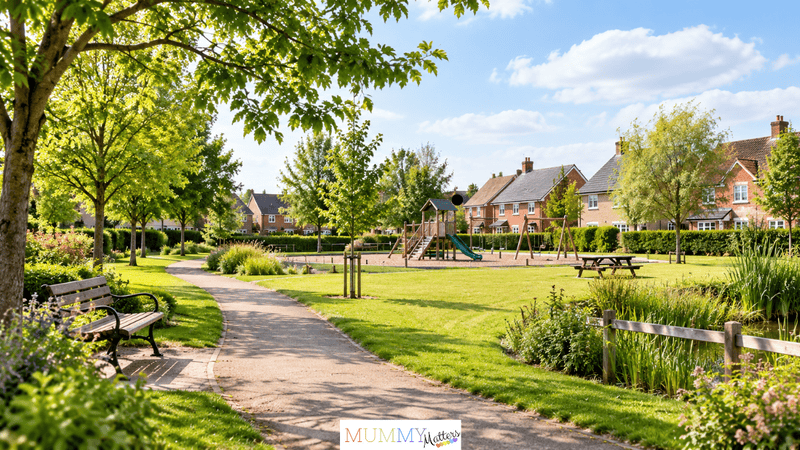
What makes a good neighbourhood for one person won’t necessarily suit someone else. A young couple might love being within walking distance of restaurants, shops and nightlife, while a family with children may be more interested in schools, parks and quieter residential streets.
For me, one of the most important things about choosing somewhere to live is thinking about what everyday family life will look like. It’s easy to be impressed by a lovely house, but if the school run is difficult, the nearest supermarket is miles away or there’s nowhere for the children to spend time outdoors, those little frustrations can soon add up.
Good local amenities can make a real difference. Having shops, healthcare services, leisure facilities and green spaces nearby means spending less time travelling and more time enjoying where you live. Even something as simple as being able to walk to a local park or pop out for a few essentials can make an area feel more convenient.
Schools are another important consideration for families. Rather than relying entirely on Ofsted ratings or league tables, look at the schools themselves, their admissions arrangements and whether their approach feels right for your child. Remember that living close to a particular school doesn’t automatically guarantee a place.
It’s also worth paying attention to the general atmosphere of a neighbourhood. Do the streets feel welcoming and well maintained? Are there places where neighbours can meet, children can play or families can spend time together? A strong sense of community can help somewhere feel like home, particularly when you’re moving to an unfamiliar area.
Ultimately, the best neighbourhood is one that suits your circumstances, budget and priorities. It’s about finding somewhere you can picture yourself enjoying ordinary everyday life, rather than simply choosing an area that looks attractive on paper.
Research the Area Before You Move
A neighbourhood can look lovely in estate agent photographs, but that doesn’t always tell you what it’s like to live there. Before making any decisions, spend some time researching the area and, if possible, visiting it in person. Once you’ve found somewhere that feels right, my guide to the top things to do when moving house covers the practical preparations that can help make moving day easier.
One of the best things you can do is explore a potential neighbourhood at different times of day. A peaceful street on a Sunday afternoon might be surprisingly busy during the school run, while somewhere that seems quiet during the week could have a completely different atmosphere on Friday and Saturday evenings.
There are several things worth investigating before you decide where to live:
- Crime and safety: Check local crime information through Police.uk and pay attention to how comfortable you feel walking around the area.
- Schools and childcare: Look at nearby schools, admissions policies and inspection reports. If you have children, consider how they’ll get to school each day.
- Transport links: Try out your potential commute and check public transport options, particularly if your household relies on buses or trains.
- Flood risks: Use the GOV.UK flood risk service to understand whether a property or neighbourhood could be affected by flooding in England.
- Local amenities: Find out how far you’ll need to travel for supermarkets, GP surgeries, dentists, parks and leisure facilities.
- Future developments: Check local council planning applications to see whether any significant building projects or road changes are proposed nearby.
It’s also worth speaking to people who already live in the neighbourhood. Local community groups can be helpful for understanding everyday issues, although it’s sensible to balance individual opinions with your own observations.
With plenty of research available about the area you’re thinking of moving into, buying a house in a good neighbourhood won’t be something out of reach. Just make sure your realtor is familiar with the local property prices and real estate market trends!
Once you have identified the type of neighbourhood that suits your lifestyle, comparing available properties can help turn your research into a practical home search. For example, buyers considering a move to New Mexico can browse homes for sale in Albuquerque to explore different property types, asking prices and neighbourhoods across the city. Looking at current listings alongside local amenities, commuting distances and household requirements can help you narrow down suitable areas before arranging property viewings.
Getting Involved in Your New Community
Finding a house you love is one thing, but feeling at home in a new neighbourhood often takes a little longer. Even if you’ve only moved a few miles away, it can take time to get used to unfamiliar surroundings, meet new people and establish your everyday routines.
One of the nicest ways to settle into an area is to get involved in the local community. You don’t have to join every club or attend every event, but finding a few activities you enjoy can help you feel connected to the people around you.
For families, this might mean exploring local parks, signing the children up for sports clubs or attending community events. Libraries, leisure centres and local groups can also be good places to meet people, particularly if you’re moving somewhere you don’t already know anyone. Moving can be a big adjustment for children, especially if they’re leaving familiar friends and routines behind. I’ve also shared some practical advice on settling your family into new surroundings, including ways to help everyone feel more comfortable after a house move.
It’s worth thinking about these opportunities before you move, too. If your children enjoy football, swimming or other activities, finding out what’s available nearby could make the transition easier. Likewise, if you enjoy walking, gardening or spending time outdoors, having access to green spaces and local groups might be an important part of your decision.
Don’t underestimate the value of getting to know your neighbours, either. A friendly conversation over the garden fence or a recommendation for a reliable local tradesperson can make an unfamiliar place feel much more welcoming.
Of course, you don’t need a packed social calendar to be happy somewhere. Some people love being part of a busy community, while others prefer a quieter lifestyle with a little more privacy. What matters is finding a neighbourhood where you feel comfortable and have opportunities to enjoy the things that are important to you.
Finding a Neighbourhood That Feels Like Home
Choosing a good neighbourhood isn’t necessarily about finding the most desirable postcode or the prettiest street. It’s about finding somewhere that works for you and the way you want to live.
Take your time, explore different areas and think beyond the property itself. The things that might seem unimportant during a house viewing, such as how busy the roads are or whether there’s somewhere nearby for an evening walk, can make a surprising difference once you’re living there.
Moving house is a big decision, and there’s rarely a neighbourhood that ticks absolutely every box. But by doing your research, being realistic about your priorities and trusting your impressions when you visit, you’ll be in a much better position to find somewhere that genuinely feels like home.