

Editor’s Note (Updated August 2026): This guide has been updated to include the latest UK breastfeeding research published during Breastfeeding Awareness Month 2026, alongside evidence-based guidance and practical advice for new parents.
Breastfeeding is one of the most natural ways to feed your baby, and it comes with many benefits for both mother and child. Whether you’re planning to breastfeed, already feeding your newborn, or weighing up your options, understanding the benefits of breastfeeding can help you make informed, confident choices.
Health organisations such as the NHS and the World Health Organization recommend exclusive breastfeeding for the first six months of life, followed by continued breastfeeding alongside solid foods for two years or longer where possible.
This guide explores the health benefits of breastfeeding for babies and mothers, how breast milk supports growth and development, and answers common questions parents ask.
New Research Highlights the Reality of Breastfeeding in the UK (2026)
While the health benefits of breastfeeding for both mother and baby are well established, new research published during Breastfeeding Awareness Month 2026 highlights that many parents still feel unprepared for the realities of their breastfeeding journey.
A survey of 1,000 UK mothers who had breastfed within the last three years, commissioned by Momcozy, found that breastfeeding often differs significantly from expectations.
Some of the key findings included:
- 54% of mums said breastfeeding was harder than they expected.
- 24% felt unprepared for the realities of breastfeeding, with leaking breasts, loneliness and the length of feeds among the biggest surprises.
- 45% found breastfeeding in public difficult, often due to a lack of privacy, feeling self-conscious or unwanted attention.
- More than one in five (22%) said breastfeeding left them feeling empowered.
- 44% felt breastfeeding strengthened the bond with their baby.
- An overwhelming 96% said they had experienced at least one special moment while feeding their child.
Statistics in this section are taken from the Momcozy State of Breastfeeding in the UK Report 2026, based on a survey of 1,000 UK mothers.
The research also found there is no single “normal” breastfeeding journey. While some mothers breastfed for longer than they originally planned, others stopped earlier than hoped, reminding us that every family’s experience is different.
As registered midwife Sophie Martin explains:
“Many mums expect breastfeeding to come naturally, but the reality can be physically, emotionally and mentally demanding. At the same time, breastfeeding can bring an incredible sense of connection and confidence. Education and preparation is key.”
The findings reinforce an important message: while breastfeeding offers many proven health benefits, it can also be challenging. Honest conversations, realistic expectations and access to trusted support can help parents feel more confident during those early weeks.
What New Mums Often Wish They Had Known
The same research also asked mothers what they wished someone had told them before they began breastfeeding.
Some of the most common answers included:
- Breastfeeding can take time to learn for both mum and baby.
- Sore or cracked nipples are common in the early days.
- Newborns often feed far more frequently than expected.
- Cluster feeding is normal but can be exhausting.
- It’s common to feel incredibly hungry and thirsty while breastfeeding.
- Feeding in public can feel daunting at first.
- Every baby’s feeding pattern is different.
- A good latch makes a huge difference to comfort and milk transfer.
- Breastfeeding can be emotionally overwhelming as well as incredibly rewarding.
If you’re struggling, remember that you’re not failing. Breastfeeding is a learned skill for both you and your baby, and it’s perfectly okay to ask for support from your midwife, health visitor or a qualified lactation consultant.
Practical Tips to Make Breastfeeding Easier
Based on advice from registered midwife Sophie Martin, these simple strategies can help many new parents:
- Focus on achieving a comfortable latch rather than worrying about feeding schedules.
- Keep a bottle of water nearby during every feed to stay hydrated.
- Expect feeding patterns to change frequently, especially during growth spurts.
- Rest whenever you have the opportunity, particularly during periods of cluster feeding.
- Remember that breastfeeding is a skill that develops with time and practice.
- Above all, be kind to yourself. Every breastfeeding journey is unique.
Why Breastfeed? Understanding the Benefits of Breastfeeding

Breastfeeding has many benefits because breast milk is uniquely designed to meet your baby needs from the moment your baby is born. Human milk adapts as your baby grows, offering tailored nutrition and immune protection that formula milk cannot replicate.
The importance of breastfeeding lies not just in nutrition, but also in bonding, emotional regulation, and long-term health outcomes.
Breastfeeding has many benefits for families across cultures and health systems, and breastfeeding supports both physical and emotional wellbeing.
Breast Milk: Nature’s Perfect First Food
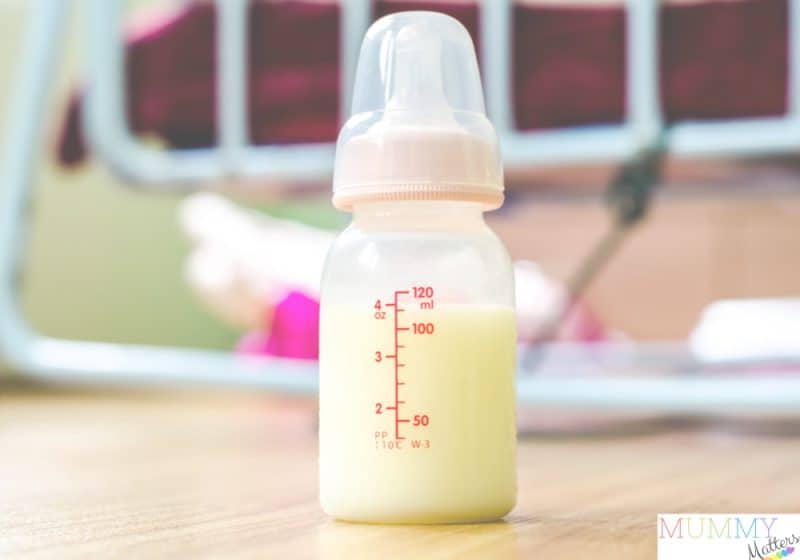
Breast Milk Contains Everything Your Baby Needs
Breast milk contains everything your baby needs to grow and develop during the first six months. Milk contains proteins, fats, vitamins, minerals, antibodies, enzymes, and hormones that support growth and development.
Breast milk is the best food for your baby because it:
- Contains everything your baby needs to grow
- Provides nutrients your baby needs in the right balance
- Adjusts to your infant’s changing needs
- Is easy to digest for immature digestive systems
Giving your baby breast milk means your baby is still getting immune protection even as solids are introduced.
Benefits of Breast Milk for Infant Health
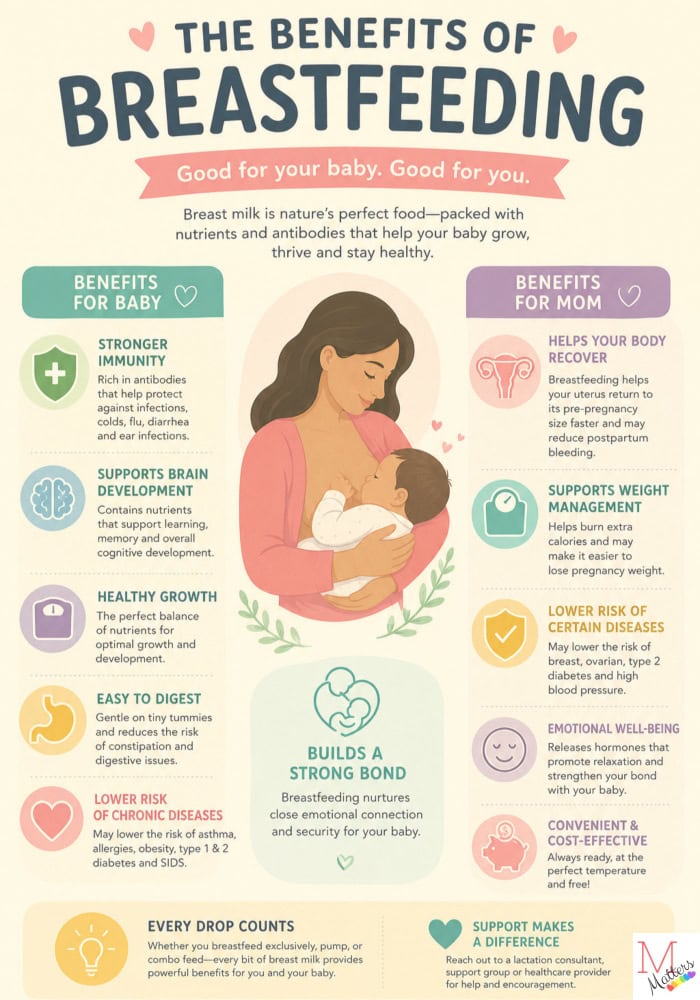
The benefits of breast milk include protection against infections and chronic illness. Breast milk protects your baby by transferring antibodies that help your baby fight illness while their immune system matures.
Breastfed babies have a lower risk of:
- Chest and ear infections
- Gastrointestinal illness
- Sudden infant death syndrome
- Obesity later in life
Breast milk benefits extend well beyond infancy, supporting long-term health into childhood.
Health Benefits of Breastfeeding for Your Baby
Breastfeeding for Your Baby’s Growth and Development
Breastfeeding for your baby supports brain development, gut health, and emotional security. Breastfed babies benefit from skin-to-skin contact, which helps regulate breathing, heart rate, and body temperature.
Breastfeeding helps your baby feel soothed, safe, and connected, especially during the months of life when regulation skills are still developing.
Benefits of Breastfeeding for Children Long Term
The benefits of breastfeeding for children include improved cognitive outcomes, stronger immunity, and reduced risk of certain conditions.
Research shows that children who were breastfed may have a lower risk of:
- Type 2 diabetes
- Asthma and allergies
- Certain infections
Breastfeeding contributes to healthy eating patterns later in life and supports emotional resilience.
Exclusive Breastfeeding and the First Six Months
Health authorities recommend exclusive breastfeeding for at least the first six months. Exclusive breastfeeding means your baby receives only breast milk, with no infant formula, water, or other foods.
Exclusive breastfeeding for at least six months:
- Supports optimal growth and development
- Helps protect your baby from infection
- Supports digestive and immune health
Around the first six months, babies are developmentally ready for complementary foods while continuing breastfeeding.
Breastfeeding vs Formula Milk
While formula milk is a safe alternative when breastfeeding is not possible, breastfeeding has lots of advantages that formula-fed babies do not receive to the same degree.
Breast milk differs from infant formula because:
- Breast milk contains live antibodies
- Breast milk adapts daily to your baby needs
- Breast milk protects your baby from illness
Formula-fed babies may not receive the same immune protection as breastfed babies, which is why breastfeeding is recommended when possible.
Benefits for the Mother

Health Benefits of Breastfeeding for Mothers
The benefits for the mother are both immediate and long-term. Breastfeeding also helps the uterus contract after birth, reducing bleeding.
Breastfeeding lowers your risk of:
- Breast cancer
- Breast and ovarian cancer
- Type 2 diabetes
- High blood pressure
Breastfeeding mothers often report improved emotional wellbeing and bonding with their new baby.
Breastfeeding and Maternal Health
Breastfeeding may help with postnatal recovery and emotional regulation. Producing and releasing milk releases oxytocin, supporting bonding and stress reduction.
Breastfeeding can help regulate hormones and may support postpartum mental health.
Breastfeeding Supports Bonding and Emotional Health
Breastfeeding supports emotional connection through close physical contact, eye contact, and responsiveness. Breastfeeding helps both baby and mother feel calm and connected.
Breastfeeding goes beyond nutrition — it is a relationship that evolves as your baby grows.
Continuing and Extended Breastfeeding
You can continue breastfeeding for as long as it works for you and your child. Extended breastfeeding beyond the first year continues to offer immune protection and comfort.
Breastfeeding exclusively early on, then continuing breastfeeding alongside family foods, supports health across childhood.
Practical Support for Successful Breastfeeding
Successful breastfeeding often requires support. Many parents benefit from:
- Breastfeeding support groups
- Guidance from midwives or lactation consultants
- Learning about milk supply and feeding cues
Using a breast pump can help maintain milk supply and allow others to help feed your baby breast milk.
Support breastfeeding at home, in healthcare settings, and in the workplace helps families continue breastfeeding longer.
Frequently Asked Questions About Breastfeeding
How long should I breastfeed my baby?
Health bodies recommend breastfeeding for six months exclusively, then continuing alongside solid foods for two years or longer if desired.
Is breast milk enough for my baby?
Yes. Breast milk contains everything your baby needs for the first six months.
Does breastfeeding reduce illness?
Yes. Breastfeeding reduces infections and lowers the risk of sudden infant death syndrome.
Can I breastfeed if I return to work?
Yes. Many parents combine breastfeeding with expressing milk using a breast pump and storage bags.
What if I can’t breastfeed?
If breastfeeding is not possible, infant formula is a safe alternative. Feeding decisions should always be free from guilt or pressure.
The Importance of Breastfeeding: A Balanced Perspective
Breastfeeding has many benefits, but every family’s situation is different. The advantages of breastfeeding are well-established, yet the best way to feed your baby is the one that supports health, wellbeing, and family circumstances.
Breastfeeding has lots of benefits — but informed, supported parents make the best decisions for their baby.
Trusted Sources and Further Reading
- NHS – Breastfeeding guidance and support
- World Health Organization – Infant feeding recommendations
- Centers for Disease Control and Prevention – Breastfeeding data and research
Disclaimer: This article was originally written in February 2011 while I was breastfeeding my second child and has since been updated to reflect my later experiences as a mum of three. It is based on my personal journey and opinions only. I am not a medical professional, and this content should not be taken as medical advice. If you have concerns about breastfeeding, feeding choices, or your baby’s health, please speak with a qualified healthcare provider or lactation consultant.