
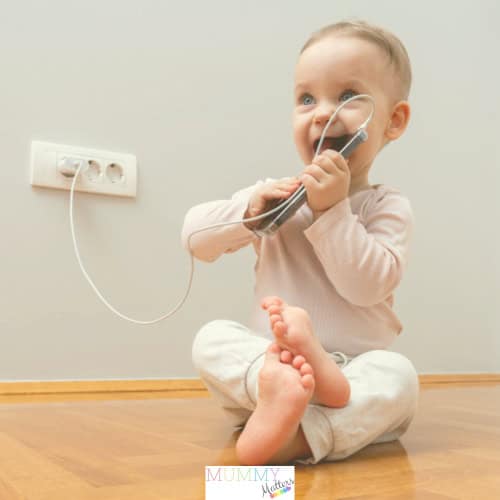
The moment your little one starts rolling, shuffling or attempting to crawl, your home suddenly looks very different. It’s time to babyproof your house!
What once seemed like a safe and comfortable family space can quickly reveal dozens of hidden dangers at baby height. Electrical outlets, dangling cords, unsecured furniture, sharp corners and everyday household items can all become a hazard for an inquisitive child.
As a parent, it’s impossible to remove every risk, but learning how to babyproof your home properly can dramatically reduce the chances of accidents and injuries. The key is to think like a curious toddler who wants to touch, pull, climb and investigate everything within reach.
This guide walks you through practical babyproofing steps, room-by-room safety checks and expert-backed advice to help create a safer environment for your growing child.
When Should You Start Baby Proofing?
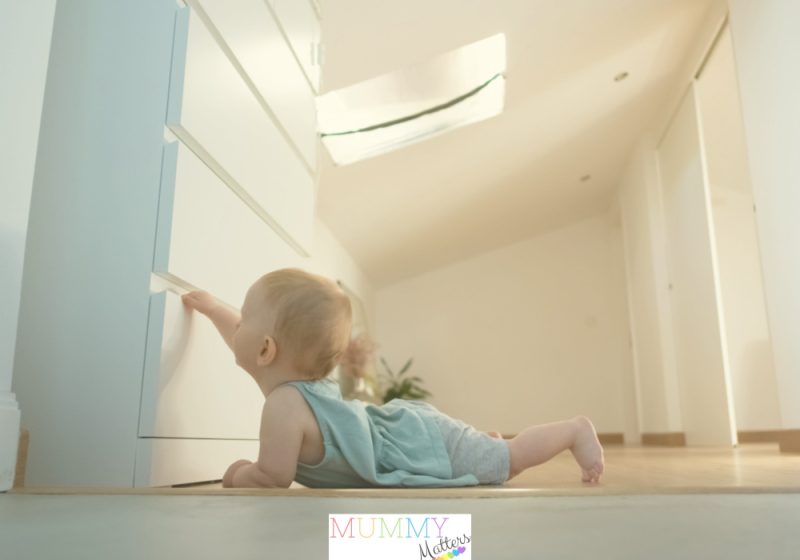
Many parents assume baby proofing begins when their baby starts to crawl.
In reality, it’s best to start much earlier.
Preparing your home before your baby arrives gives you time to identify hazards without the exhaustion that often comes with newborn life. It also helps establish safer habits from the start.
Most safety experts recommend beginning the babyproofing process during pregnancy or within the first few months after birth.
Start at Your Baby’s Eye Level
One of the simplest ways to spot potential hazards is to get down on your hands and knees and view each room from your baby’s perspective.
Look out for:
- Loose electrical cords
- Small objects on low shelves
- Sharp corners on furniture
- Unsecured cabinets
- Cleaning products within reach
- Blind cords and curtain cords
- Heavy furniture that could tip over
- Accessible drawers
You’ll often notice risks that are easy to miss when standing up.
Babyproofing Essentials Every Home Needs
Before tackling individual rooms, make sure you have some basic safety equipment available.
Essential Babyproofing Checklist
- Baby gate or stair gates
- Childproof lock systems
- Cabinet locks
- Drawer latches
- Outlet covers
- Corner protectors
- Furniture anchor kits
- Cord organisers
- Toilet lock
- Smoke detectors
- Carbon monoxide detector
These simple additions can significantly reduce common household accidents.
Secure Stairs and Install a Baby Gate
Falls are one of the most common injuries among young children.
If your home has stairs, installing a baby gate at both the top and bottom of the stairway should be a priority.
When choosing a baby gate:
- Use hardware-mounted gates at the top of a stair
- Ensure the gate is securely fitted
- Check regularly for wear and tear
- Avoid pressure-mounted gates at the top of stairs
Stair gates provide an important barrier as your little one becomes more mobile and adventurous.
Childproof Cabinets, Cupboards and Drawers
Babies love opening doors and exploring hidden spaces.
Kitchen cabinets, bathroom cupboards and bedroom drawers often contain dangerous items that can cause injury.
Use a childproof lock or latch system on:
- Cleaning product cupboards
- Medicine cabinets
- Under-sink storage
- Tool drawers
- Alcohol storage
- Utility room cupboards
A quality lock prevents curious hands from accessing dangerous items while still allowing adults easy access.
Kitchen Safety Matters
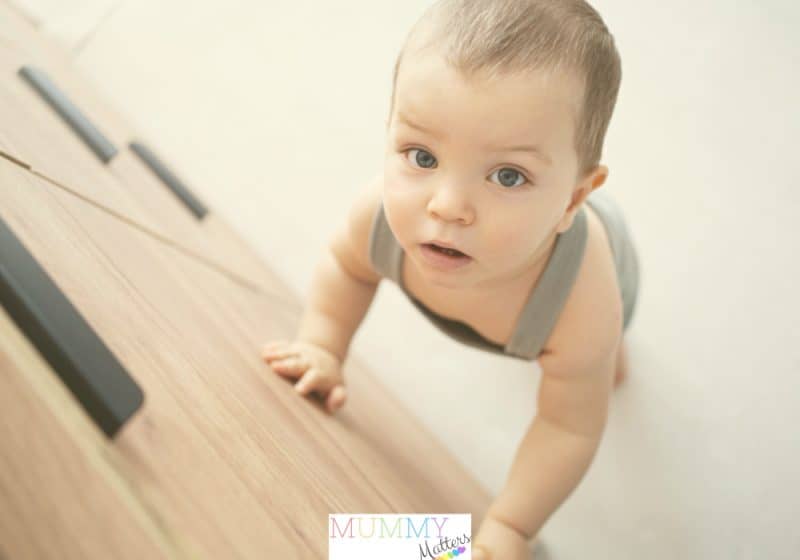
The kitchen contains more potential hazards than almost any other room.
Be sure to:
- Lock lower cabinet doors
- Store knives well out of reach
- Secure cleaning products
- Keep hot drinks away from edges
- Avoid leaving appliance cords dangling
- Lock dishwasher doors if necessary
A simple cabinet lock can prevent countless accidents.
Cover Electrical Outlets and Manage Cords
Electrical outlets naturally attract curious fingers.
Installing outlet covers helps prevent electric shocks and is one of the easiest baby proofing tasks.
However, don’t overlook the risks posed by cords.
Loose cords can create:
- Strangulation risks
- Tripping hazards
- Choking hazards
- Pull-down injuries
Choose cordless window coverings where possible and keep every cord secured behind furniture or using cord management systems.
Pay particular attention to:
- Lamp cords
- Blind cords
- Television cables
- Charging cables
Cord safety is often overlooked but remains an important part of babyproofing.
Anchor Furniture to Prevent Tip-Overs
Many parents focus on plugs and cupboards but forget about furniture.
Children frequently use furniture to pull themselves up or climb.
Secure the following furniture to the wall:
- Dresser units
- Bookshelves
- Wardrobes
- TV stand units
- Tall storage furniture
Always anchor furniture to the wall according to manufacturer instructions.
Furniture tip-over accidents can be devastating but are largely preventable.
Protect Against Sharp Corners
Coffee tables, TV stands and side tables often feature sharp corners that can cause injuries during falls.
Adding corner protectors can soften impacts and reduce injuries.
Pay particular attention to:
- Coffee table corners
- Fireplace hearths
- TV stand edges
- Dining tables
- Window ledges
Sharp corners become particularly problematic once babies start cruising around furniture.
Reduce Choking Hazards Throughout the Home

One of the biggest risks for babies and toddlers is putting things in their mouths.
Anything small enough to fit through a toilet roll tube can be considered a choking hazard.
Regularly check floors and low surfaces for:
- Coins
- Batteries
- Small toys
- Buttons
- Jewellery
- Small objects
Remember that older siblings’ toys can often present a choke risk for younger children.
Common Choking Hazard Checklist
Keep these items away from your baby:
- Loose batteries
- Magnets
- Marbles
- Beads
- Small toy parts
- Pen caps
- Buttons
Create a Safe Nursery
The nursery should be a calm, secure space for sleep and play.
Safety checks should include:
- Securing furniture
- Positioning the changing table away from windows
- Keeping cords away from the cot
- Using fitted bedding only
- Ensuring monitors and chargers remain out of reach
Never leave a baby unattended on a changing table, even for a moment.
Bathroom Babyproofing
Bathrooms contain several hidden risks.
Install:
- A toilet lock
- Cabinet locks
- Non-slip bath mats
Always store medicines, razors and cleaning products in a locked cupboard.
Never leave standing water in a bath and supervise your small child around water at all times.
Fire and Carbon Monoxide Safety
Babyproofing isn’t only about bumps and falls.
Every home should have:
- Working smoke detectors on every level
- A carbon monoxide detector near sleeping areas
- An escape plan for emergencies
Test smoke detectors monthly and replace batteries according to manufacturer recommendations.
Carbon monoxide is invisible and odourless, making a carbon monoxide detector an essential safety device for families.
Room-by-Room Babyproofing Checklist

Living Room
- Cover electrical outlets
- Secure lamp cords
- Anchor TV stand furniture
- Protect sharp corners
- Remove small objects
Kitchen
- Lock every cabinet containing chemicals
- Secure drawers
- Store knives safely
- Keep appliances unplugged when not in use
Bathroom
- Install a toilet lock
- Lock cupboards
- Store medicines securely
Nursery
- Anchor furniture
- Position changing table safely
- Remove dangling cords
Stairs and Hallways
- Install stair gates
- Remove trip hazards
- Improve lighting
Frequently Asked Questions
What age should I babyproof my home?
Ideally during pregnancy or before your baby becomes mobile. Most parents begin serious babyproofing between 4 and 6 months.
Do I need a baby gate if my home is single-storey?
Possibly. A baby gate can still help restrict access to kitchens, utility rooms or other unsafe areas.
Are outlet covers necessary?
Modern UK electrical outlets are safer than older designs, but outlet covers and proper supervision can still provide additional peace of mind.
What’s the biggest babyproofing mistake parents make?
Many parents focus on obvious dangers but forget to secure heavy furniture to the wall. Furniture tip-overs remain a significant cause of preventable injuries.
Editor’s Note: At Mummy Matters, we’ve experienced first-hand how quickly babies transform from lying peacefully on a play mat to crawling, climbing and getting into everything within reach. This guide has been updated to ensure it remains accurate, relevant and useful for today’s parents, combining practical family experience with current child safety advice from trusted organisations.
Final Thoughts
Learning how to babyproof your home isn’t about creating a risk-free environment—because that’s impossible. Instead, it’s about reducing unnecessary hazards while allowing your child to safely explore and develop.
As your little one grows, revisit your babyproofing measures regularly. What isn’t reachable today may become accessible in just a few weeks.
By taking a proactive approach, installing appropriate locks, securing furniture, managing cords and removing choking hazards, you’ll create a safer home where both you and your child can feel more confident as each new milestone arrives.