

Stress, anxiety and poor sleep affect millions of people worldwide — and it’s no surprise that supplements promising calm, balance and better rest are everywhere. From magnesium and omega-3 to herbal supplements like ashwagandha and valerian root, the options can feel overwhelming.
But which supplements actually help reduce anxiety, support relaxation, and improve sleep quality — and which ones can make anxiety symptoms worse?
This evidence-based guide cuts through the noise, explaining what works, what doesn’t, and how to use supplements safely as part of a natural approach to anxiety support.
Understanding Stress, Anxiety & Sleep (and Why Supplements Are So Popular)
Stress and anxiety are closely linked to the nervous system and stress response. Chronic stress increases stress hormones like cortisol, disrupts neurotransmitters such as serotonin and GABA, and can lead to sleep disturbances, low mood and anxiety symptoms.
While supplements aren’t a cure for anxiety disorder or anxiety and depression, targeted vitamins and minerals may support mood regulation, relaxation and better sleep — especially when deficiency is involved.
Supplements may be useful alongside lifestyle changes, therapy, and (when needed) prescription medications — not as a replacement.
Magnesium: One of the Best Supplements for Stress & Anxiety
Why Magnesium Matters
Magnesium is a mineral involved in over 300 biochemical reactions, including neurotransmitter activity and nervous system regulation. Low magnesium levels are associated with stress and anxiety, poor sleep, and muscle tension.
Research has found that magnesium supplementation could help reduce anxiety symptoms, particularly in people with mild to moderate anxiety or chronic stress.
Magnesium Glycinate vs Citrate: What’s the Difference?
Magnesium Glycinate
- Bound to glycine (a calming amino acid)
- Gentle on the stomach
- Supports relaxation and sleep
- Often recommended for anxiety relief and sleep problems
Magnesium Citrate
- More bioavailable than oxide
- Can help with constipation
- Less calming for anxiety support
- May cause loose stools in higher doses
Best choice for anxiety and sleep: magnesium glycinate
How Magnesium Helps
- Supports neurotransmitters like serotonin and GABA
- Helps regulate the stress response
- Promotes relaxation and better sleep
L-Theanine: Calm Without Sedation
L-theanine is an amino acid found naturally in green tea. It’s widely used for anxiety support because it promotes calm without making you drowsy.
Evidence-Based Benefits
- Increases alpha brain waves (linked to relaxation)
- Supports mood regulation
- May help reduce anxiety and stress
- Can improve sleep quality indirectly
L-theanine works well for people with anxiety who feel wired but tired, or whose minds won’t switch off at night.
Omega-3 Fatty Acids: Brain Health & Mood Support
Omega-3 fatty acids (EPA and DHA) are essential fats found in oily fish. They play a key role in brain health and may help regulate mood and inflammation.
How Omega-3 Supports Anxiety
- Helps reduce inflammation linked to anxiety and depression
- Supports neurotransmitters such as serotonin
- May help lower anxiety and stress symptoms over time
Omega-3 is not a fast-acting anxiety supplement, but it’s one of the best supplements for stress when used consistently.
Ashwagandha: Helpful for Some, Not for Everyone
Ashwagandha is an adaptogenic herbal supplement traditionally used in Ayurvedic medicine to support stress management.
Potential Benefits
- May help regulate stress hormones
- Shown to reduce perceived stress
- May support sleep quality
Important Caution
Ashwagandha can worsen anxiety in some people, especially those who:
- Are sensitive to stimulatory herbs
- Have thyroid conditions
- Experience panic-type anxiety
Start low, avoid combining with new supplements, and stop if anxiety symptoms increase.
Lion’s Mane: An Evidence Reality Check
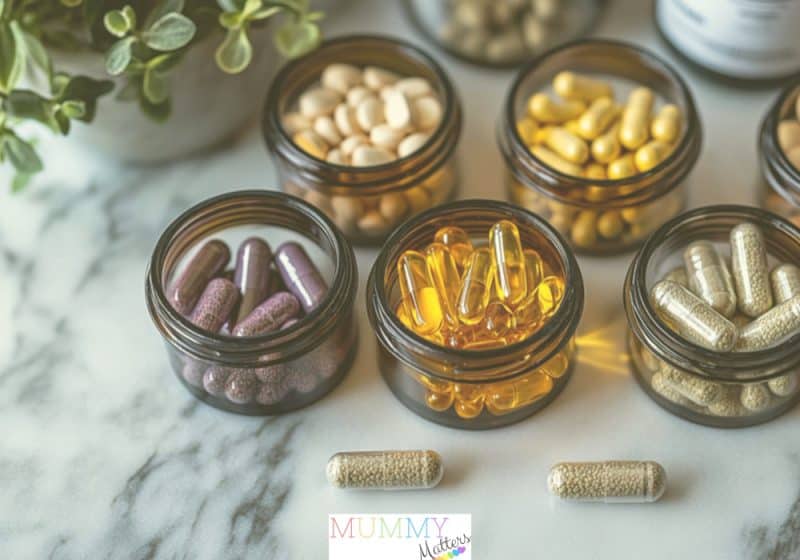
Lion’s Mane mushroom is often marketed for brain health, anxiety relief and mood support — but the evidence is limited.
What Research Actually Shows
- Some small studies suggest benefits for cognitive function
- Very limited evidence for anxiety support
- Effects are subtle and long-term
For people with anxiety, Lion’s Mane is not a first-line supplement, and in rare cases it may increase nervous system sensitivity.
When Supplements Can Make Anxiety Worse
While natural supplements sound gentle, supplementation isn’t risk-free.
Supplements may worsen anxiety when:
- Dosages are too high
- Multiple supplements are stacked together
- Stimulatory herbs are used unknowingly
- There is an underlying vitamin or mineral imbalance
Watch Out For:
- Excess caffeine-containing herbs
- High-dose vitamin B6 (can cause nerve symptoms)
- New supplements taken all at once
- Ignoring vitamin D deficiency or iron deficiency
If you experience increased feelings of anxiety, stop the supplement and consult with a healthcare professional.
What About Vitamins for Anxiety?
B Vitamins (B6, B9, B12)
B vitamins support neurotransmitter production and energy metabolism.
- Vitamin B6 helps produce serotonin and GABA
- Vitamin B9 (folate) supports mood regulation
- Vitamin B12 deficiency is linked to anxiety and depression
A b complex may help with anxiety when deficiency is present.
Vitamin D
Vitamin D deficiency is common, especially in the UK, due to limited sunlight. Vitamin D3 supports mood and immune health and may help regulate mood.
Fortified foods and supplementation may be helpful, particularly in the winter months.
Herbal Supplements for Anxiety & Sleep (With Care)
Some herbal supplements may support anxiety relief and sleep support:
- Valerian root – may help with sleep disturbances
- Lemon balm – mild anxiety support and relaxation
- Herbal blends – often better tolerated than single herbs
These are best used short-term and not mixed with prescription medications without advice.
Lifestyle Changes Still Matter Most
Even the best supplements for stress work better when combined with:
- Regular sleep routines
- Reduced caffeine and alcohol
- Gentle exercise
- Stress management practices
- Nervous system regulation techniques
Supplements can support, but lifestyle changes create the foundation.
FAQs: Supplements for Stress, Anxiety & Sleep
Do supplements work for anxiety?
Supplements may help reduce anxiety symptoms, especially when a deficiency or chronic stress is involved. They work best as part of a broader anxiety management plan.
What is the best supplement for anxiety and sleep?
Magnesium glycinate and L-theanine are among the best supplements for stress, anxiety and sleep support.
Can supplements replace anxiety medication?
No. Supplements aren’t a replacement for prescription medications. Always talk to your doctor before adding supplements if you’re being treated for anxiety disorder.
How long do supplements take to work?
Some (like magnesium) may help within days; others (like omega-3) may take several weeks.
Further Reading
Harvard Health Publishing – evidence-based supplement reviews
National Health Service – guidance on vitamins and minerals
National Institutes of Health – dietary supplement fact sheets