

* Please note this article may contain affiliate links*
Getting enough sleep can feel like an impossible task in family life. One child is struggling to switch off at bedtime, a teenager is wide awake scrolling at midnight, and meanwhile the adults are lying there replaying tomorrow’s to-do list at 2am.
It’s no surprise that many parents start looking into supplements that support sleep. From herbal supplements and magnesium to the growing popularity of melatonin gummies, there’s a huge amount of advice online — and not all of it is helpful or safe.
As a parent, I think most of us just want to know one thing: what genuinely helps, and what should we be cautious about?
In this guide, I’m looking at supplements that support sleep in both children and adults, highlighting the important differences between the two. We’ll cover melatonin, magnesium, sleep hygiene, when supplements may help with sleep problems, and when it’s worth speaking to a professional instead.
What Are Sleep Supplements?
Sleep supplements are products designed to help people relax, fall asleep, or improve sleep quality. Some are classed as dietary supplements, while others may be considered sleep medicine depending on the ingredients and how they’re used.
Common sleep supplements include:
- Melatonin
- Magnesium
- Lavender
- Chamomile
- Valerian root
- CBD products (although these are not typically recommended for children)
- Herbal teas and natural remedies
Some are available over the counter and without a prescription, while others may need medical guidance — especially for children and teenagers.
The important thing to remember is that sleep supplements should support healthy sleep habits, not replace them.
Why Sleep Problems Are Different in Kids and Adults

Sleep problems can look very different depending on age.
For adults, sleep difficulties are often linked to:
- Stress and anxiety
- Hormonal changes
- Shift work
- Poor sleep hygiene
- Too much caffeine or screen time
- Mental load and family pressures
For children and teens, sleep problems in children are more commonly connected to:
- Inconsistent bedtime routines
- Anxiety or overstimulation
- Neurodevelopmental conditions such as ADHD or autism
- Late-night gaming or phone use
- Changes in routine
- School pressures
Children and adolescents also naturally experience changes to their sleep and wake patterns during puberty, which can make older children seem permanently nocturnal.
Melatonin Explained: What Parents Should Know
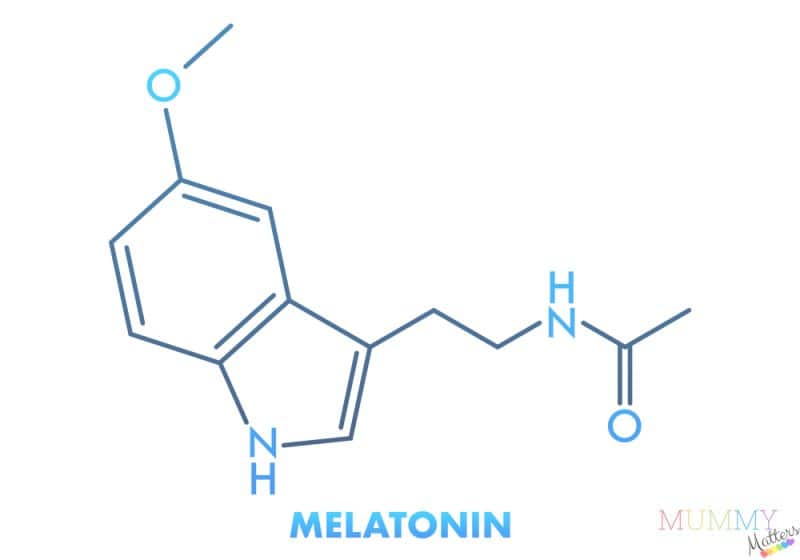
What is melatonin?
Melatonin is a hormone naturally produced by the brain that helps regulate the sleep cycle. The body tends to release melatonin in the evening as it gets dark, signalling that it’s time to sleep.
In simple terms, melatonin is a hormone that helps regulate when we feel sleepy and when we feel alert.
The body should naturally produce melatonin through exposure to daylight during the day and darkness at night. However, modern life can affect sleep and melatonin production, especially with heavy screen use before bed.
How does a melatonin supplement work?
A melatonin supplement is designed to mimic the body’s natural release of melatonin. It may help some people fall asleep more easily or support a more consistent sleep schedule.
Melatonin is available in:
- Tablets
- Liquids
- Sprays
- Melatonin gummies
Many adults use melatonin as a sleep aid for jet lag, shift work, or temporary sleep disturbances.
Is Melatonin Safe for Children?

This is where things become more complicated.
In the UK, melatonin use in children is generally approached more cautiously than in some other countries. Unlike the US, where melatonin is available over the counter, melatonin supplements in the UK are usually prescribed under medical supervision.
According to the NHS, melatonin may also help children with neurodevelopmental conditions such as ADHD or autism who experience significant sleep disorders.
However, experts stress that melatonin use in children should not be the first step for ordinary bedtime battles or occasional sleep issues.
Many parents understandably feel exhausted and desperate to help their child sleep better, but it’s important not to automatically give melatonin to a child without proper guidance.
When might melatonin be recommended for children?
A doctor or sleep medicine physician may sometimes recommend melatonin for:
- Children with ADHD
- Children with autism
- Certain diagnosed sleep disorders
- Severe sleep disturbances
- Circadian rhythm disorders
The use of melatonin in children is usually intended as short-term use alongside behavioural support and improved sleep hygiene.
Sleep Hygiene Comes Before Supplements

Honestly, this is the part most of us don’t want to hear when we’re exhausted — but healthy sleep habits really do matter more than any supplement.
What children eat in the evening can also play a surprisingly big role in sleep quality, especially when it comes to sugar, caffeine and heavy snacks before bed, so it’s worth understanding the foods that may affect your child’s sleep.
Before considering sleep aids for kids or adults, it’s worth looking carefully at your family’s bedtime routine and sleep environment.
Simple ways to improve sleep hygiene
For children and teens
- Keep a consistent sleep schedule
- Reduce screens at least an hour before bedtime
- Avoid sugary snacks late in the evening
- Create a calm, predictable bedtime routine
- Keep bedrooms cool and dark
- Encourage physical activity during the day
For adults
- Limit caffeine after lunchtime
- Avoid doom-scrolling in bed
- Try to wake at similar times daily
- Reduce alcohol before sleep
- Create a wind-down routine before bed
Sleep problems can be addressed more effectively when the basics are in place first.
The Sleep Foundation has some excellent evidence-based sleep advice for both children and adults.
The Role of Magnesium in Sleep

The role of magnesium in sleep has become a huge talking point recently — and unlike some trends online, there is reasonable evidence behind it.
Magnesium helps regulate muscle relaxation, nerve function and stress responses. Some adults find it helps with better sleep and relaxation, particularly if they are deficient.
Foods naturally rich in magnesium include:
- Nuts and seeds
- Dark leafy greens
- Bananas
- Wholegrains
- Dark chocolate
Magnesium may help improve sleep quality in adults, but the evidence for kids sleep support is still more limited.
As with any supplements for kids, it’s sensible to speak with a healthcare professional first rather than assuming “natural” automatically means risk-free.
Natural Sleep Supports for Children
When parents are looking for help with sleep problems in children, I personally think it’s understandable to want gentle, natural sleep approaches before jumping to stronger options.
Some approaches that may help children’s sleep include:
- Warm baths before bed
- Calming music or audiobooks
- Consistent sleep training approaches for younger children
- Magnesium-rich foods
- Limiting stimulating activities late in the evening
- Herbal supplements only under professional guidance
Infant sleep and toddler sleep can be especially exhausting for parents, but it’s important to remember that disrupted sleep in children is often developmentally normal.
One thing we’ve personally been really impressed with in our house is the CalmCarry device. Originally, we bought it to help support calmer bedtimes for the children, but I’ve actually found myself reaching for it on evenings when my own mind won’t switch off. It’s not a replacement for good sleep hygiene or a proper bedtime routine, but as part of a calmer wind-down routine, we’ve found it surprisingly helpful for those restless nights where everyone feels overstimulated.
Find out more about CalmCarry here!
Sleep Supplements for Adults

Sleep in adults is often affected by stress, hormones, work pressures and lifestyle habits.
Adults may benefit from:
- Magnesium
- Lavender
- Chamomile tea
- Short-term melatonin use
- Cognitive behavioural therapy for insomnia
- Relaxation techniques
However, regular reliance on sleep medicine or prescription medications should always be discussed with a healthcare professional.
The NICE guidelines on insomnia and sleep management explain when medical support may be appropriate.
When Should You Worry About Sleep Problems?
Occasional sleep problems are incredibly common. But there are times when it’s important to seek further support.
Speak to your GP if:
- Your child’s sleep difficulties are ongoing and severe
- Sleep problems are affecting school or mental health
- Your child snores heavily or stops breathing during sleep
- You suspect anxiety or underlying health concerns
- Adults are experiencing chronic insomnia
- Fatigue is affecting daily functioning
Children and adults both deserve proper sleep care, and sometimes sleep problems are linked to wider physical or emotional health concerns.
Practical Sleep Advice for Families
If there’s one thing I’ve learned as a parent, it’s that there’s rarely a magic fix when it comes to sleep.
The things that tend to help most are usually:
- Consistent routines
- Calm evenings
- Realistic expectations
- Less pressure around sleep
- Looking at the bigger picture of family wellbeing
Supplements can sometimes help with sleep problems, but they work best alongside strong routines and healthy sleep habits.
FAQs
What is melatonin?
Melatonin is a hormone produced naturally by the body that helps regulate the sleep and wake cycle.
Is melatonin safe for children?
Melatonin use in children should only happen under medical guidance in the UK. It is sometimes recommended for children with ADHD, autism or diagnosed sleep disorders.
What are the best sleep aids for kids?
Healthy sleep habits, consistent bedtime routines and good sleep hygiene are usually the safest and most effective first steps before considering supplements for kids.
Can magnesium improve sleep?
Magnesium may help improve sleep quality in some adults, particularly if they have low magnesium levels or struggle with relaxation.
When should I worry about my child’s sleep?
You should seek medical advice if your child’s sleep problems are persistent, severe, affecting daily life, or linked to breathing issues, anxiety or developmental concerns.
Are melatonin gummies safe?
Melatonin gummies may seem harmless, but melatonin supplements should still be treated carefully, especially for children and teens.
Conclusion
Sleep struggles can leave the whole family feeling drained, emotional and overwhelmed. When you’re desperate for rest, it’s easy to see why supplements become appealing.
But while sleep supplements — including melatonin — can sometimes play a role, they’re not a substitute for healthy routines, consistent sleep hygiene and addressing the root cause of sleep difficulties.
For most families, the best approach is a balanced one: realistic routines, supportive sleep habits, and professional advice where needed.
And if you’re currently dealing with bedtime battles, night waking or exhausted teenagers who seem allergic to sleep, you’re definitely not alone.