
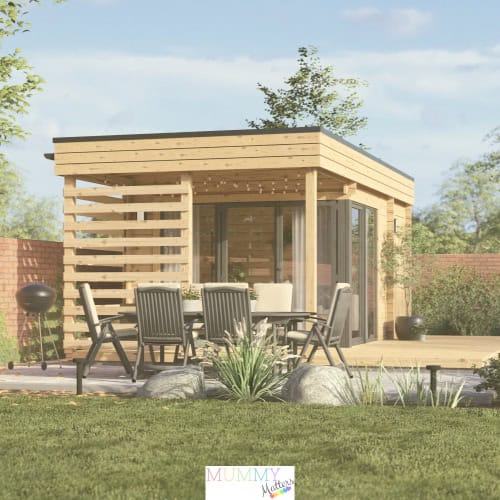
The growing popularity of garden rooms is changing the way families use their outdoor spaces, giving children a safe and weatherproof area to play.
In 2026, they are becoming a popular family investment. They help reduce indoor clutter and solve issues caused by unpredictable weather. They also provide a space that can grow with your children.
This guide explores the essential safety features, smart design ideas, and practical aspects of a children’s garden room to ensure the space is loved by kids and trusted by parents.
Safety First: Essential Features for Child-Friendly Garden Rooms
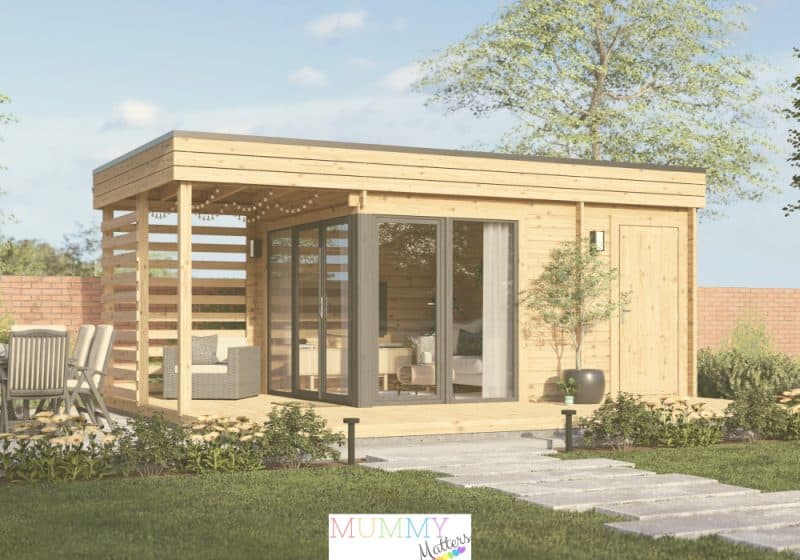
Prioritising safety is paramount when designing a garden room for children, ensuring a secure environment for play and relaxation.
Key features include robust insulation and climate control, impact-absorbing flooring, secure windows, and child-safe electrical systems.
How do insulation and climate control prevent overheating and cold exposure?
Effective insulation and climate control are crucial for maintaining a stable, child-safe temperature year-round within a garden room.
High-performance insulated garden rooms, with wall U-values of 0.18–0.28 W/m²K, prevent excessive heat gain in summer and heat loss in winter.
- Maintain an indoor temperature between 20–25°C for optimal child comfort.
- Install app-controlled air conditioning and heating units, along with motorised blinds, to automatically regulate temperature, as seen in premium 2026 models.
- Proper ventilation is essential to prevent condensation, which can lead to mould and potential health issues.
What are the window safety considerations for child-friendly garden rooms?
Window safety in garden rooms involves using durable materials, secure locks, and ensuring clear visibility from the main house for supervision.
Tempered glass is required for windows less than 45cm (18 inches) from the floor in residential settings and should be applied to garden rooms to prevent serious injury if broken.
- All low-level windows and doors must have tempered or laminated (Grade A) safety glass installed. Glazing that’s within 300 mm of the floor level must always have safety glass.
- Install childproof locks and restrictors to prevent accidental falls.
- Position doors and windows to ensure clear sightlines from the house to the play area.
How can electrical safety be ensured in a child-friendly garden room?
Ensuring electrical safety means installing covered outlets, proper wiring, and child-proof switches to prevent accidents.
All electrical work should be carried out by a certified electrician, adhering to Part P of the Building Regulations for England and Wales, ensuring safe and compliant installations.
- Make sure your electrical outlets are covered and install child-proof switches at the right height.
- To prevent children accessing wires or electrical components, ensure all cabling is safely concealed.
- It is recommended that all circuits have a Residual Current Device (RCD) for automatic power cut-off in the event of a fault.
The Age-Adaptive Garden Room Framework: Design Elements That Make Garden Rooms Irresistible to Kids
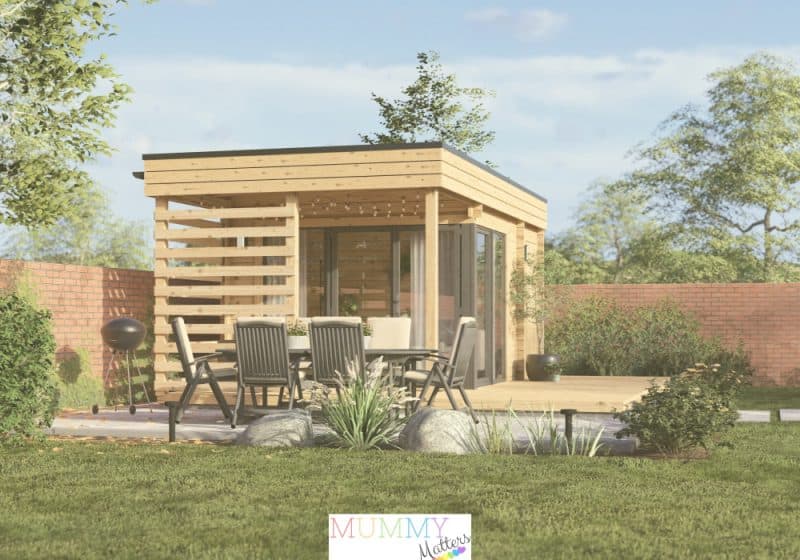
The Age-Adaptive Garden Room Framework offers a three-phase design approach, ensuring the space evolves with children’s developmental stages from early years to teenage years.
This framework integrates specific safety features, storage solutions, and layout configurations to create a space that remains engaging and functional as children grow.
Phase 1: Early Years (3-5 Years) – The Discovery Zone
For preschoolers and young children, the garden room should prioritize sensory exploration, gross motor play, and imaginative activities in a highly secure environment.
Design a layout with clear, open spaces for movement, alongside dedicated zones for quieter, focused play.
- Safety: Rubber or foam mat flooring, rounded furniture edges, and secure window locks.
- Lighting: Large windows and skylights brighten the space and create a stimulating environment for young children.
- Storage: Low-level bins and shelves for toys, books, and art supplies encourage children to tidy independently.
- Theme: Theme ideas include nature murals, a play kitchen, or a reading corner.
Phase 2: Primary Years (6-11 Years) – The Adventure Hub
As children enter primary school, their play becomes more structured, incorporating games, crafts, and early learning.
The garden room needs to support these evolving interests while offering spaces for both individual and collaborative activities.
- Layout: Flexible zones for board games, craft tables, and comfortable seating for reading or homework.
- Storage: Shelf units for books, craft materials, and board games, with modular designs that can be rearranged.
- Technology: Include a spot for either a tablet or a small computer with charging points.
- Theme: A flexible theme such as ‘science lab’, ‘art studio’, or ‘adventure base’ can be easily updated over time.
Phase 3: Secondary Years (12+ Years) – The Teen Retreat
For teenagers, the garden room transforms into a crucial space for independence, social interaction, study, and personal expression.
The design should foster a sense of ownership and offer privacy while remaining connected to the home.
- Layout: Set aside areas that are meant for study, relaxation and socializing. You could even create a games console setup or have a small sound system.
- Storage: Ample concealed storage for personal items, sports gear, and school supplies.
- Personalization: Allow your child to personalise the space with features such as a chalkboard wall or pinboard.
- Comfort: Comfortable seating, a small fridge, and good lighting help create a space suitable for both study and relaxation.
What are the adult uses for a garden room when kids are at school?
During school hours, a family garden room can reclaim its identity as a productive and peaceful space for adults, offering a quiet retreat from the main house.
Many garden rooms are initially designed as home offices or creative studios, then adapted for family use, highlighting their inherent versatility.
- Home Office: A quiet, dedicated space free from the rest of the household to enable you to work effectively from home.
- Fitness Studio: An ideal space for yoga or home workouts, with room for fitness equipment.
- Creative Hub: A space for painting, writing, or making music.
Conclusion: Taking the First Step Toward Your Family Garden Room
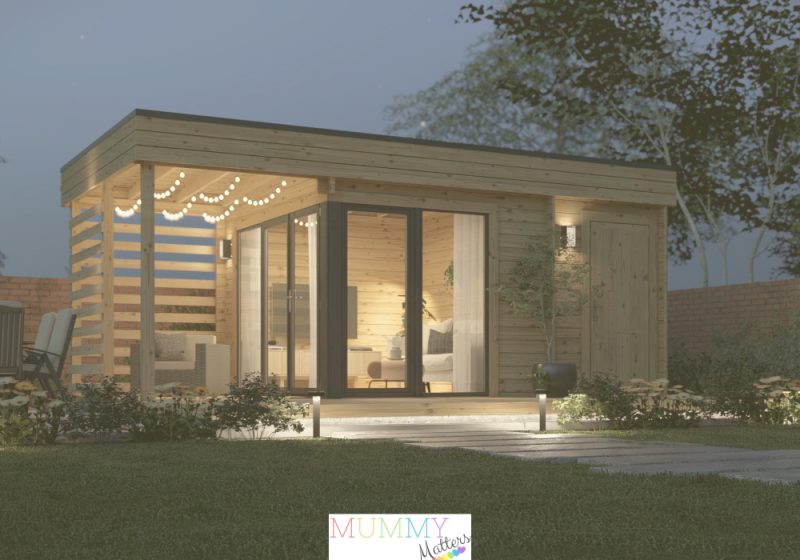
A garden room can create a safe, practical space where children can thrive, learn, and play, while also serving as a long-term investment for the home.
Parents can have a space that grows along with the kids by being cautious about safety features, applying the Age-Adaptive Garden Room Framework and planning for what’s next.
This investment helps reduce household clutter and can be enjoyed year-round. It also adds value to your home and creates a space the whole family can enjoy.