

As women enter their forties, changing hormone levels and other age-related changes can affect everything from energy and muscle mass to bone health and overall wellbeing. Perimenopause may also begin during this decade, bringing changes that can influence sleep, mood and how we feel day to day. These changes are a natural part of the aging process, but nutritional needs can vary considerably from one woman to another.
A balanced diet, regular movement, good-quality sleep and other healthy lifestyle habits should remain the foundation of healthy ageing. Supplements may also be useful for addressing particular nutritional gaps or individual needs, but turning 40 doesn’t automatically mean you need to start taking them. If you’re considering a new supplement, particularly if you take medication or have an existing health condition, it’s sensible to speak to your GP, pharmacist or another qualified healthcare professional first.
Omega-3 Fatty Acids

Omega-3 fatty acids are essential fats that play an important role in maintaining overall health. The main types include EPA and DHA, which are found primarily in oily fish, and ALA, which is found in plant foods such as walnuts, chia seeds and flaxseeds.
For women over 40, getting enough omega-3 as part of a balanced diet can help support normal heart function and overall health. Oily fish also provides useful nutrients such as protein, vitamin D and selenium, making it a valuable addition to the diet where suitable.
In the UK, the NHS recommends eating at least two portions of fish each week, including one portion of oily fish. Women who do not regularly eat fish may consider an omega-3 supplement, while algae-based omega-3 supplements provide an alternative for vegetarians and vegans.
Rather than assuming a particular dose is suitable for everyone, check the amount of EPA and DHA provided by a supplement and follow the manufacturer’s guidance. If you take medication, particularly medicines that affect blood clotting, speak to your GP or pharmacist before taking a high-dose omega-3 supplement.
Vitamin D3
Vitamin D plays an important role in maintaining healthy bones, teeth and muscles because it helps the body regulate calcium and phosphate. Low vitamin D levels can become increasingly common with age, and getting enough can be particularly important as women move through midlife and beyond.
Our bodies produce vitamin D when our skin is exposed to sunlight, but in the UK there isn’t enough sunlight during autumn and winter for most people to make sufficient vitamin D this way. It can also be difficult to obtain enough from food alone, although sources include oily fish, egg yolks and some fortified foods.
The NHS recommends that adults consider taking a daily supplement containing 10 micrograms (400 IU) of vitamin D during autumn and winter. Some people, including those who have very little exposure to sunlight, may be advised to take vitamin D throughout the year.
Individual requirements can vary, so taking higher doses isn’t necessarily better. If you’re concerned that you may be deficient or think you need a higher-dose supplement, speak to your GP, pharmacist or another qualified healthcare professional for personalised advice.
Magnesium
Magnesium is an essential mineral involved in many processes throughout the body, including normal muscle and nerve function, energy production and the maintenance of healthy bones and teeth.
Women can obtain magnesium naturally from foods such as nuts, seeds, wholegrains, leafy green vegetables and legumes. A varied, balanced diet should provide enough magnesium for most people, although some women may consider supplementation if their diet is lacking in magnesium-rich foods or if a healthcare professional identifies a particular need.
Magnesium supplements are available in several forms, including magnesium citrate and magnesium glycinate. Different forms can vary in how well they are tolerated, and taking too much supplemental magnesium can cause digestive side effects such as diarrhoea.
If you’re considering magnesium to help with a particular concern, such as sleep, muscle discomfort or symptoms during perimenopause, it’s worth discussing this with your GP, pharmacist or another qualified healthcare professional rather than assuming that a higher dose will provide greater benefits.
Nicotinamide Mononucleotide (NMN)

Nicotinamide Mononucleotide (NMN) has attracted considerable interest in healthy ageing research because it is a precursor to NAD+ (nicotinamide adenine dinucleotide), a molecule involved in cellular energy metabolism and a number of important processes within the body.
NAD+ levels can change with age, which has led researchers to investigate whether influencing NAD+ metabolism could have potential health benefits. However, research into NMN supplementation in humans is still developing, and there isn’t currently enough evidence to consider it an established anti-ageing treatment.
As women age, NAD+ levels naturally decline, contributing to decreased cellular function, reduced energy production, and slower recovery processes. This decline becomes particularly noticeable after 40, when many women experience fatigue, slower metabolism, and decreased resilience to stress. This decline in cellular energy leads to further NAD+ peptide research to look closely at direct ways to support these symptoms.
Some early human studies of NMN have investigated areas such as NAD+ levels, metabolic health and physical function, but larger and longer-term studies are needed to understand its potential benefits and long-term safety.
If you’re interested in NMN for energy, it’s worth remembering that supplements marketed for healthy ageing can vary considerably in their ingredients and evidence base. Speak to a qualified healthcare professional before adding NMN or similar supplements to your routine, particularly if you take medication or have an existing health condition.
Collagen Peptides
Collagen is an important structural protein found throughout the body, including in the skin, bones, tendons and cartilage. Our natural collagen production gradually decreases as we age, which is one reason collagen supplements have become increasingly popular among women interested in supporting their skin and joint health during midlife.
Research into collagen peptide supplementation suggests there may be benefits for areas such as skin hydration and elasticity, although results vary between studies and supplements shouldn’t be viewed as a way to stop or reverse the natural ageing process. There is also ongoing research into the potential role of collagen peptides alongside nutrition and exercise in supporting bones, joints and connective tissues.
You may also come across discussions describing collagen or other compounds as the best peptide for bone repair. However, bone health is complex, and supplements shouldn’t be relied upon to treat an injury or bone condition. Adequate protein, calcium and vitamin D, alongside appropriate exercise, all have important roles in maintaining healthy bones.
Similarly, women looking to support changes in their skin may explore supplements alongside topical skincare and the best anti-aging products. The most appropriate approach will depend on your skin, lifestyle and individual needs.
Collagen supplements are commonly made from bovine or marine sources and are available as powders, capsules and ready-made drinks. Hydrolysed collagen peptides are broken down into smaller components, meaning these supplements are easily absorbed and can be mixed into drinks or foods, depending on the product. Always follow the manufacturer’s directions and check the ingredients carefully if you have allergies or specific dietary requirements.
Probiotics
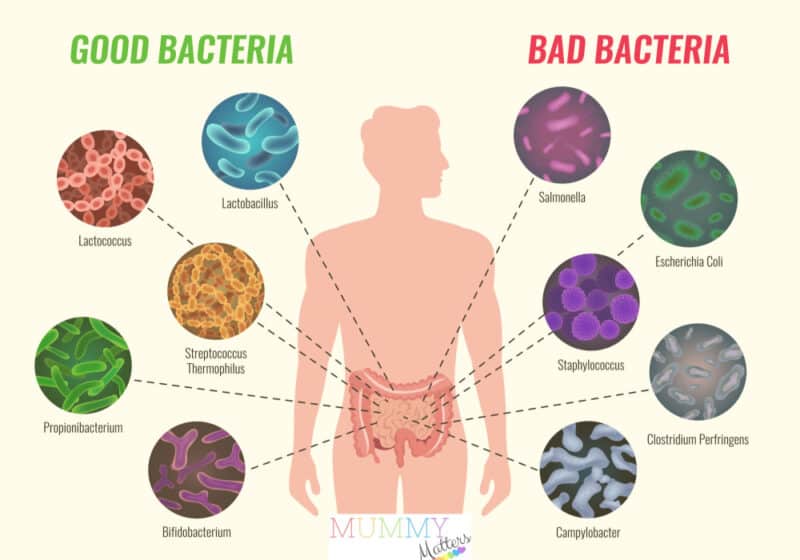
The gut microbiome is made up of trillions of microorganisms living in the digestive system, and researchers continue to explore how these microbes may influence digestion, immune function and wider health.
Hormonal changes during perimenopause and menopause may also influence the gut microbiome, although research into exactly what this means for women’s health is still developing. Probiotic supplements contain live microorganisms and may be helpful in certain circumstances, but their effects can vary considerably depending on the particular strains used.
Rather than choosing a probiotic simply because it contains the highest number of colony-forming units (CFUs), look at which strains the product contains and what they have been studied for. It’s also worth remembering that fermented foods and a varied, fibre-rich diet can help support a diverse gut microbiome naturally.
If you’re experiencing persistent digestive symptoms, it’s sensible to speak to your GP or another qualified healthcare professional rather than relying on probiotics alone, as symptoms can have many different causes.
B-Complex Vitamins
B vitamins play a number of important roles in the body, including helping to release energy from food and supporting the normal functioning of the nervous system. They include vitamins B1, B2, B3, B5, B6, B7, folate (B9) and vitamin B12.
Most women should be able to obtain the B vitamins they need through a varied, balanced diet. However, individual requirements can differ depending on diet, medication and certain health conditions. Vitamin B12 deserves particular attention for people following a vegan diet because it is naturally found primarily in animal-derived foods, although fortified foods and supplements can provide alternative sources.
It’s worth avoiding the assumption that a high-dose B-complex supplement will automatically improve energy levels. Persistent tiredness can have many causes, including iron or vitamin B12 deficiency, poor sleep and other health conditions, so unexplained or ongoing fatigue is worth discussing with your GP.
If you do choose a B-complex supplement, check the amounts of individual vitamins rather than assuming that higher doses are better. Some B vitamins can cause unwanted effects when taken in excessive amounts over time.
Conclusion
Healthy ageing isn’t about reaching 40 and suddenly needing a shelf full of supplements. A varied diet, regular physical activity, good-quality sleep and looking after your overall wellbeing remain some of the most important foundations for long-term health.
Supplements can have a useful role when they help address a nutritional gap or meet a particular individual need. Vitamin D, omega-3, magnesium, B vitamins, probiotics, collagen and newer supplements such as NMN all have different levels of evidence behind them, so it’s worth looking beyond marketing claims when deciding whether a product is right for you.
Your nutritional needs can also change throughout perimenopause, menopause and later life. If you’re experiencing persistent fatigue, changes in your health or symptoms you’re concerned about, speak to your GP or another qualified healthcare professional rather than assuming that a supplement is the answer.
Ultimately, supplements are best viewed as exactly that: something that can supplement a healthy lifestyle rather than replace one.