
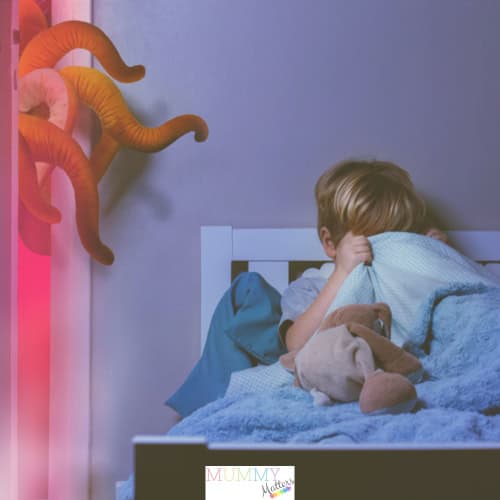
Sleep anxiety in children is far more common than most parents realise. Many children experience nighttime anxiety, bedtime anxiety, or worries that make going to sleep feel overwhelming. If your child is anxious at bedtime, struggles with nighttime fears, or finds it hard to relax at the end of the day, you are not alone.
This guide explains the causes of anxiety in children, the signs of sleep anxiety, and 10 ways to help your child feel calm, safe, and ready for a good night’s sleep. Whether your child is younger or older, these strategies can help alleviate anxiety and promote better sleep.
What Is Sleep Anxiety in Children?
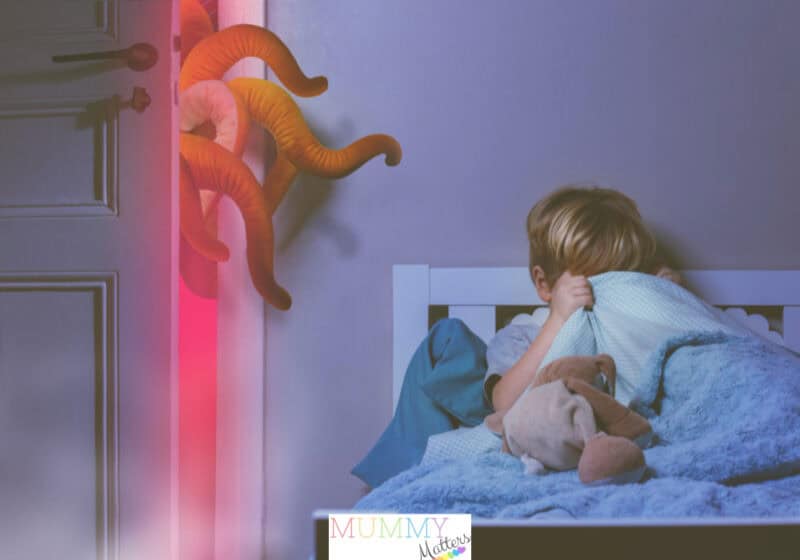
Sleep anxiety in children describes worry, fear, or anxious thoughts that appear around bedtime or during the night. A child may feel afraid of the dark, experience separation anxiety, worry about school or friendships, or simply find it hard to relax enough to fall asleep.
Sleep anxiety is a common issue, especially when sleep patterns are disrupted, stress levels are higher, or a child is going through a change. Many children may also experience sleep disturbances when overtired or struggling with a lack of sleep.
Causes of Sleep Anxiety in Children
Understanding the underlying causes of anxiety helps you support your child more effectively. Common triggers include:
- Separation anxiety (especially in younger children)
- Feeling scared of the dark
- Stress and anxiety are linked to school, friendships, or change
- Overtiredness, irregular sleep routines, or poor sleep habits
- A big life change, such as moving home, a new sibling, or a family transition
- Anxious thoughts that appear at night when everything is quiet
- Previous nightmares or difficulty sleeping night after night
- Children with greater sensitivities often have more anxiety than other children
When a child is anxious, bedtime can become a cycle: being tired makes anxiety worse, and anxiety makes it harder to fall asleep.
Symptoms of Sleep Anxiety in Children
Look for signs of sleep anxiety in your child:
- Trouble falling asleep or staying asleep
- Clinging behaviour or wanting you to stay by their side the whole night
- Complaints of tummy aches or headaches caused by anxiety
- Fear of being alone at bedtime
- Asking repeated questions about safety
- Difficulty relaxing or winding down
- Frequent nightmares or sleep disturbances
- Your child is afraid or says they are scared without a clear reason
These symptoms may appear suddenly or build gradually over time.
10 Ways to Help Your Child Sleep Better and Reduce Anxiety at Night
These gentle, practical strategies are written specifically to help parents support children with sleep issues and nighttime anxiety. Try the suggestions consistently to discover what works best for your child.
1. Establish a Predictable Bedtime Routine
A consistent bedtime routine can help your child stay calm by signalling safety and predictability. A regular sleep routine reduces bedtime anxiety by helping the body naturally prepare for sleep.
Include calming activities such as warm baths, soft lights, bedtime stories, or quiet play. A predictable routine also builds healthy sleep habits and improves sleep quality over time.
2. Create a Calming Sleep Environment
A child’s sleep environment has a big impact on anxiety at bedtime. Make their room feel safe and soothing:
- Use a night light if your child is scared of the dark
- Keep noise low and lights soft
- Limit screens before bed
- Allow them to use a transitional object to help them cope, such as a favourite comfort toy or blanket
These simple techniques often reduce nighttime anxiety more than parents expect.
3. Talk to Your Child About Their Worries
Talk to your child gently about their worries well before bedtime. Let your child express feelings openly without rushing to “fix” everything.
You can also:
- Encourage your child to describe their anxious thoughts
- Validate their feelings
- Help your child feel understood and supported
- Get your child to write or draw their worries earlier in the day
- Teach that anxious thoughts are normal and manageable
Children often relax more easily once they feel heard.
4. Use Relaxation Techniques With Your Child
Relaxation techniques with your child can help alleviate anxiety and promote better sleep. Try:
- Slow breathing techniques
- Gentle stretching
- Progressive muscle relaxation
- Guided bedtime stories or visualisations
- Soft music or white noise
Practising relaxation shows your child that anxiety can improve with calming tools — and gives them lifelong coping strategies.
5. Address Nighttime Fears With Compassion
If your child is afraid of monsters, shadows, noises, or being alone, respond with warmth rather than dismissal. Many children have a vivid imagination, especially when tired.
Acknowledge their feelings, stay calm, and use practical reassurance such as:
- Showing them the room with the lights on
- Adding a night light
- Allowing a comfort object
- Letting them choose a calming song or smell (lavender, for example)
Over time, this builds confidence and helps a child feel safe enough to sleep independently.
6. Introduce a Transitional Object to Help Reduce Anxiety
A comfort toy, soft blanket, or small item from you can help children feel connected and secure. This object can help them cope when they feel anxious at night.
Younger children and older children alike can benefit from this comfort-based approach.
7. Use a Bedtime Worry Box or Journal
A worry box is a simple way to help a child manage anxious thoughts. Encourage your child to write, draw, or tell you their worries early in the evening. Place them into a small box and “save them for tomorrow.”
This helps them process their emotions and significantly reduces bedtime anxiety.
8. Gradually Build Independence at Bedtime
If your child is anxious and wants you to stay beside them, use gentle, gradual steps:
- First, sit on the bed
- Then move to a chair nearby
- Then to the doorway
- Eventually, outside the room
This builds confidence at your child’s pace.
Praise your child for even the smallest steps.
9. Improve Daytime Routines to Improve Sleep Quality
Daytime habits affect nighttime anxiety:
- Stay active during the day
- Limit sugary foods and caffeine (in older children)
- Maintain a regular sleep routine
- Allow outdoor time for natural light exposure
- Keep evenings calm and low-stimulation
These habits help a child’s body and brain prepare for sleep.
10. Seek Professional Help If Anxiety Is Affecting Sleep
If your child’s anxiety is affecting daily life, school, behaviour, or sleep night after night, seek professional help.
Reach out to:
- Your GP or paediatrician
- A child therapist
- School wellbeing staff
- A sleep specialist
Professional help can identify underlying causes of anxiety, including when children may have anxiety disorders, separation anxiety, or stress-related triggers. Support your child early to prevent long-term sleep anxiety.
FAQ: Help for Sleep Anxiety in Children
What is the difference between regular worries and sleep anxiety symptoms?
Regular worries fade with reassurance, while symptoms of sleep anxiety happen consistently at bedtime and interfere with a child’s sleep.
Why does my child feel anxious at night?
Children often experience anxiety at night because it’s the quietest time of day. With fewer distractions, anxious thoughts can feel bigger.
How can I help my child sleep better?
Use calming routines, reduce stimulation, and talk to your child about their worries. Many of the 10 ways to help above can quickly improve their sleep quality.
Is a night light okay for kids with sleep anxiety?
Yes — a night light can reduce fear of the dark and help a child feel safe.
When should I seek professional help?
Seek professional help if anxiety is affecting your child’s daily life, behaviour, or emotional wellbeing, or if sleep issues continue despite your support, or emotional wellbeing, or if sleep issues continue despite your support.