

If you’re wondering why your child can’t sleep, you’re not alone. Many children experience trouble sleeping at different stages of development, leaving parents exhausted and searching for answers.
This guide will help parents and carers understand what’s really going on with child sleep, what might be stopping your child from settling, and how to gently restore healthy sleep patterns for better sleep — naturally.
Understanding Sleep Problems in Children

Sleep problems are incredibly common. From toddlers to teens, many children go through phases where it becomes difficult to go to bed or stay asleep throughout the night.
Child sleep is influenced by biological rhythms, emotional wellbeing, and daily habits. When one of these is disrupted, your child may struggle to fall asleep or wake frequently.
Common signs your child has sleep problems
- Difficulty going to sleep or getting to sleep
- Frequent night waking (child wake episodes)
- Waking early and unable to go back to sleep
- Daytime tiredness or irritability
- Refuses to go to bed or stay in bed
These are all symptoms of insufficient sleep and can impact mood, behaviour, and development.
For evidence-based guidance, the NHS offers trusted advice on children’s sleep routines and challenges.
Why Your Child Can’t Sleep
There isn’t just one answer. Sleep issues often come down to a mix of lifestyle, environment, and emotional factors.
1. Poor Bedtime Routine
A consistent bedtime routine is essential. Without one, your child may not feel ready for sleep or understand when it’s time to wind down.
Poor sleep habits — such as irregular bedtimes or stimulating activities close to bedtime — can make it harder for your child to fall asleep naturally.
2. Screen Time and Overstimulation
Using screens in the hour before bedtime interferes with melatonin production, making it harder to get your child to sleep.
According to the Sleep Foundation, blue light delays natural sleep signals and disrupts sleep patterns.
Night Terrors and Emotional Triggers
Night terror episodes can be alarming for parents. Unlike nightmares, sleep terrors happen during deep sleep, and your child may not remember them.
Triggers include:
- Overtiredness (lack of sleep)
- Stress or anxiety
- Disrupted sleep schedule
Children experiencing sleep terrors often appear distressed but are not fully awake.
Sleep Environment Matters More Than You Think
Your child’s sleep environment plays a huge role in their ability to sleep at night.
Create a calming sleep space:
- Keep the room dark, quiet, and cool
- Remove distractions and noise
- Make sure your child feels safe and comfortable
A consistent, calming environment signals to your child’s brain that it’s time for rest.
Sleep Disorders to Be Aware Of
Sometimes, ongoing sleep difficulties may indicate underlying sleep disorders.
These can include:
- Insomnia is the inability to fall or stay asleep
- Sleep apnea (including obstructive sleep apnea)
- Behavioural sleep difficulties
If your child won’t sleep consistently and symptoms persist, it may be worth speaking to your GP or a sleep clinic.
The American Academy of Pediatrics provides detailed insights into sleep disorders in children as well.
How to Help Your Child Fall Asleep Naturally
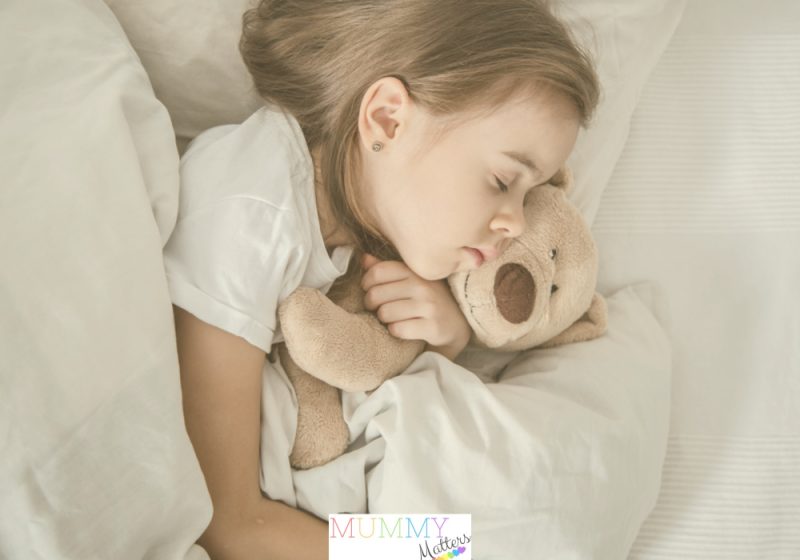
The goal is to help your child learn how to fall asleep independently and develop healthy sleep habits.
1. Build a Consistent Bedtime Routine
A predictable bedtime routine helps your child feel secure and signals that sleep is coming.
Try:
- Bath
- Pyjamas
- Story time
- Lights out at the same time each night
This makes it easier for your child to fall asleep and stay asleep.
2. Set a Clear Sleep Schedule
Make sure your child is getting enough sleep for their age. The right amount of sleep supports emotional and physical development.
Keep bedtime and wake time consistent — even at weekends — to regulate their internal clock.
3. Encourage Independent Sleep
Let your child learn to settle themselves. If they wake throughout the night, gently encourage them to go back to sleep without relying on you.
This helps them become confident and capable sleepers.
4. Reduce Stimulation Before Bed
Avoid sugar, screens, and energetic play close to bedtime.
Instead, focus on calming activities that prepare your child for rest.
5. Use a Sleep Diary
A sleep diary can help identify patterns in your child’s sleep difficulties.
Track:
- Bedtime
- Wake times
- Night waking
- Behaviour before bed
This can highlight triggers and help you make effective changes.
When Your Child Refuses to Go to Bed
If your child refuses to go or refuses to go to bed, it can feel like a nightly battle.
This often comes down to:
- Lack of boundaries
- Overtiredness
- Anxiety or fear
What helps:
- Stay calm and consistent
- Gently return your child back to bed
- Avoid long conversations or stimulation
Over time, consistency makes it easier for your child to stay in bed and feel secure.
Supporting Healthy Sleep Habits Long-Term

Helping your child develop healthy sleep takes time — but it’s worth it.
Key sleep tips for parents:
- Make sure your child has a calming wind-down routine
- Keep sleep routines consistent
- Avoid sleep medicine unless advised by a professional
- Prioritise natural sleep rhythms
Many children struggle at some stage, but with the right support, they can overcome their sleep difficulties.
FAQs: Why Your Child Can’t Sleep
Why does my child wake up throughout the night?
This is often due to sleep associations, anxiety, or poor sleep habits. Teaching your child to self-settle can help reduce night waking.
How much sleep does my child need?
The amount of sleep varies by age, but most school-age children need 9–11 hours per night.
What if my child can’t sleep even with a routine?
If your child still has trouble sleeping, consider reviewing their sleep environment, reducing stimulation, or speaking to a GP.
Are sleep problems in children normal?
Yes — sleep problems in children are very common and often temporary.