

Camping holidays are one of the best ways to spend quality time together as a family. From toasting marshmallows under the stars and exploring woodland trails to waking up to birdsong instead of alarm clocks, camping offers adventures that children often remember for years. Whether you’re planning a weekend away or a fortnight touring the UK, being well prepared can make all the difference.
If you’re camping with children, packing can feel a little overwhelming. Unlike staying in a hotel or holiday cottage, you’re responsible for bringing almost everything you’ll need, from sleeping equipment and cooking essentials to entertainment for rainy afternoons. Add Britain’s famously unpredictable weather into the mix, and it’s easy to worry that you’ll forget something important.
The good news is that you don’t need to pack absolutely everything. With a little planning and a reliable camping checklist, you can feel confident that your family has everything needed for a comfortable and enjoyable trip.
After many family camping holidays over the years, we’ve discovered that some items are absolute essentials, while others simply make life much easier. We’ve also learned a few lessons the hard way—like always packing extra socks, never underestimating chilly summer evenings, and keeping a torch within easy reach for those late-night toilet trips!
In this guide, you’ll find a comprehensive UK family camping packing list covering everything from shelter and sleeping equipment to clothing, food, entertainment and those little extras that experienced campers never leave home without. Whether it’s your very first camping holiday with the kids or you’re simply looking for a handy checklist before your next adventure, this guide will help you pack with confidence and spend less time worrying about forgotten items.
Why Packing Well Makes Family Camping Easier

One of the biggest differences between camping and other family holidays is that you can’t simply pop downstairs to reception if you’ve forgotten something. While most campsites have a small shop selling essentials, they often stock only the basics, and buying replacements can quickly become expensive.
Packing thoughtfully before you leave means you can spend less time stressing about what you’ve forgotten and more time enjoying your holiday together. A well-organised camping setup also makes everyday tasks, such as cooking meals, getting everyone ready for bed, or finding dry clothes after a rain shower, much simpler.
Taking a little extra time to prepare before you travel can help you:
- Stay comfortable whatever the British weather decides to do.
- Avoid unnecessary trips to nearby supermarkets or camping shops.
- Keep children entertained during downtime and rainy spells.
- Make mealtimes quicker and easier.
- Sleep more comfortably throughout your holiday.
- Reduce stress, especially if you’re camping with younger children.
- Save money by bringing everything you already own instead of buying forgotten essentials.
Remember, every family camps slightly differently. Some people enjoy travelling light with only the basics, while others like to create a home-from-home with comfortable chairs, fairy lights and plenty of little luxuries. There’s no right or wrong approach—the best camping holiday is the one that works for your family.
The checklist below includes everything we’ve found useful over the years, helping you decide what’s essential for your next family camping adventure.
Family Camping Essentials
Before you start thinking about clothes and food, it’s important to make sure you’ve packed everything needed to create a safe, comfortable base for your holiday. These are the items that turn an empty pitch into your family’s home for the next few days.
If you’re new to camping, it can be tempting to buy every gadget available, but in reality, a handful of reliable essentials will serve you far better than lots of unnecessary extras. As you camp more often, you’ll naturally discover which items suit your family’s style of camping.
Shelter and Pitch Equipment Checklist
☐ Family tent (with enough sleeping space for everyone)
☐ Tent footprint or groundsheet protector
☐ Groundsheet for inside living areas (if required)
☐ Tent pegs
☐ Spare tent pegs
☐ Mallet or camping hammer
☐ Spare guy lines
☐ Tent repair kit
☐ Tarp or canopy for extra shelter
☐ Windbreak
☐ Camping chairs for everyone
☐ Folding camping table
☐ Doormat or outdoor mat
☐ Camping trolley or wagon (especially useful on larger campsites)
For our longer family camping holidays, we still use the Coleman Weathermaster 8XL that we’ve owned since 2020. It’s a big tent to transport, but the amount of living space, enclosed porch and BlackOut Bedrooms make it worth it for us. You can read my Coleman Weathermaster 8XL review after six years of use for our full experience with it.
If an older child or teenager would prefer their own sleeping space, our Coleman Kobuk Valley 2 vs 3 Plus comparison can help you choose between a lightweight festival tent and a roomier model with additional storage.
Don’t Forget the Little Things
Some of the smallest items can make the biggest difference once you’ve arrived on site.
A tent footprint helps protect the bottom of your tent from sharp stones, damp ground and general wear, helping it last much longer. It’s a worthwhile investment if you camp regularly.
Spare pegs and guy lines are another must-have. Pegs have an annoying habit of bending, disappearing into long grass or being left behind when packing away. Keeping a few extras in your camping box can save a lot of frustration.
If you’re staying on an exposed campsite, a windbreak creates a sheltered area for cooking, eating and relaxing. It also provides children with a safe space to play without toys constantly blowing across the campsite.
A camping trolley is one of those items you don’t realise you need until you’ve carried heavy bags across a large campsite several times. If your pitch is a long walk from the car, it can save multiple journeys and a lot of tired arms.
If You’re Staying on an Electric Hook-Up Pitch
Many UK campsites offer electric hook-up pitches, allowing you to power appliances and charge devices during your stay. If you’ve booked one, don’t forget to pack:
- Electric hook-up cable (typically 25 metres)
- Mains adaptor if required
- Outdoor extension lead
- Multi-socket extension
- Cable tidy or reel
Having access to electricity makes camping much more comfortable, particularly if you’re travelling with younger children, using a camping fridge, or simply want somewhere to charge phones and rechargeable lanterns overnight.
Top Tip
Before leaving home, consider doing a quick “garden test” if you’re using a new tent. Pitching it once in your garden helps you check that all the poles, pegs and guy lines are present and gives you the confidence that you’ll be able to put it up quickly when you arrive at the campsite. It’s far less stressful than discovering a missing pole after a long drive!
Sleeping Equipment

A cosy, comfortable sleeping setup can make all the difference when you’re camping with children. While the excitement of sleeping under canvas is part of the adventure, nobody enjoys waking up cold, uncomfortable or sleep-deprived.
Even during the height of summer, temperatures on UK campsites can drop surprisingly low overnight. We’ve gone to bed in T-shirts after a warm evening and woken up wishing we’d packed another blanket!
Sleeping Checklist
☐ Sleeping bags for everyone
☐ Pillows from home
☐ Air beds, camp beds or self-inflating sleeping mats
☐ Air pump (manual, electric or rechargeable)
☐ Spare batteries or charger for your pump
☐ Fitted sheets for air beds
☐ Extra blankets or fleece throws
☐ Hot water bottles (perfect for chilly evenings)
☐ Sleeping bag liners (optional but great for extra warmth)
☐ Favourite comfort toy or blanket for younger children
☐ Eye masks (especially if you’re camping during long summer days)
☐ Ear plugs (particularly useful on busy campsites)
Choosing the Right Sleeping Bags
Not all sleeping bags are created equal. Before you travel, check the temperature rating and choose one that’s suitable for the time of year you’ll be camping. A lightweight summer sleeping bag may not provide enough warmth if temperatures fall into single figures overnight.
For younger children, it’s often worth packing an extra blanket as they can wriggle out of their sleeping bags while they sleep without even realising it.
Air Beds or Camp Beds?
There’s no right answer—it depends on your family’s preferences.
Air beds are popular because they’re affordable and comfortable, especially the deeper double-height versions. However, they can lose a little air overnight and may feel cold underneath unless you use a fitted sheet and blankets.
Camp beds keep you raised off the ground and often provide better insulation and support, although they can take up more space when packed.
Self-inflating mats are a great option if you’re touring or have limited storage space, offering a good balance between comfort and portability.
Bring Your Own Pillow
It might seem like an unnecessary luxury, but taking your pillow from home can make a huge difference to the quality of your sleep. Familiar pillows are often far more comfortable than inflatable travel pillows, and they help children settle more easily in an unfamiliar environment.
Staying Warm at Night
British weather has a habit of surprising even experienced campers. One evening you could be sitting outside in shorts and T-shirts, and by bedtime you’ll be reaching for a hoodie and fluffy socks.
To stay warm overnight, consider:
- Wearing clean, dry sleepwear.
- Changing out of any damp clothes before bed.
- Adding an extra fleece blanket over sleeping bags.
- Filling hot water bottles before bedtime.
- Wearing warm socks if temperatures drop.
- Keeping a hoodie nearby for those early morning trips to the toilet block.
A Tip We’ve Learned Over the Years
One of the best decisions we’ve made is keeping a torch or head torch beside every bed. Whether someone needs the toilet in the middle of the night, you’re trying to find a dropped toy, or you’re checking on a child who’s called out, having a light within easy reach saves a lot of fumbling around in the dark.
It’s also worth keeping a small bag or organiser inside the tent for essentials like glasses, phones, medications and car keys. Having everything in one place means you’re not hunting around with a torch when everyone else is trying to sleep.
Clothes to Pack for Camping in the UK

Packing clothes for a UK camping holiday can be one of the trickiest parts of your preparation. The weather can change dramatically in a single day, so it’s worth packing for sunshine, showers and chilly evenings, even if the forecast looks promising.
The key is to pack versatile layers that can easily be added or removed throughout the day. It’s also a good idea to avoid overpacking by choosing clothes that can be mixed and matched.
I always pack one extra outfit for every child, no matter how long we’re going away. Somehow someone always manages to fall in a muddy puddle, get soaked in a water fight or spill hot chocolate all over themselves. That spare outfit has rescued more than one camping holiday!
Everyday Clothing Checklist
☐ T-shirts
☐ Long-sleeved tops
☐ Shorts
☐ Trousers or leggings
☐ Hoodies or fleeces
☐ Pyjamas
☐ Underwear
☐ Plenty of socks (always pack more than you think you’ll need!)
☐ Swimwear
☐ Sun hat
☐ Sunglasses
Waterproof Clothing
Even in the middle of summer, rain is always a possibility when camping in Britain.
Make sure everyone has:
☐ Waterproof coat
☐ Waterproof trousers (particularly useful for younger children)
☐ Lightweight packable rain jacket
☐ Waterproof bag or dry bag for wet clothing
If heavy rain is forecast, having a second waterproof coat for younger children can be a lifesaver while the first one dries.
Footwear
Different activities call for different shoes, so it’s worth taking a few options.
☐ Trainers
☐ Wellington boots
☐ Sandals or flip-flops
☐ Walking shoes or hiking boots (if you’re planning longer walks)
☐ Slippers or cosy shoes for inside the tent
Wellies are often the unsung heroes of family camping trips. Every year I wonder whether they’re worth packing and every year somebody ends up needing them!
Warm Evenings
One thing that often surprises first-time campers is just how cool evenings can become.
Pack:
- Warm hoodie or fleece
- Jogging bottoms
- Thick socks
- Lightweight hat if you’re camping early or late in the season
- Blanket for sitting outside after sunset
There’s something magical about sitting around chatting outside the tent in the evening, but you’ll enjoy it much more if everyone stays warm.
Laundry Tips
If you’re camping for more than a few days, you don’t necessarily need to pack a fresh outfit for every day.
Many family-friendly campsites have laundry facilities, and handwashing a few essentials, such as underwear and socks, can save valuable packing space. A small bottle of travel detergent and a lightweight clothes airer or washing line can make this much easier.
Top Tip: Pack Clothes in Individual Bags
One of the simplest ways to stay organised is to pack each family member’s clothes into separate packing cubes or labelled bags.
For younger children, you could even pack complete outfits together, making it easy to grab everything needed each morning without rummaging through suitcases.
It also helps keep the tent tidy and makes unpacking much quicker when you arrive.
Camping Kitchen Equipment

One of the joys of camping is eating outdoors together, whether that’s a full English breakfast cooked on the camping stove, sandwiches after a day of exploring or marshmallows toasted over the fire pit (where permitted).
A little preparation before you leave home makes cooking on the campsite much easier. Keeping all of your kitchen equipment stored together in a dedicated camping box also saves time when you’re packing for future trips.
Cooking Equipment Checklist
☐ Camping stove
☐ Gas canisters (check they’re compatible with your stove)
☐ Lighter or waterproof matches
☐ Camping kettle
☐ Saucepans
☐ Frying pan
☐ Cooking utensils (wooden spoon, spatula, tongs)
☐ Sharp kitchen knife
☐ Chopping board
☐ Colander or sieve
☐ Tin opener
☐ Bottle opener
☐ Measuring jug
☐ Mixing bowl
Eating & Drinking
☐ Plates
☐ Bowls
☐ Mugs
☐ Reusable cups
☐ Water bottles
☐ Knives, forks and spoons
☐ Children’s cutlery (if needed)
☐ Serving spoon
☐ Picnic blanket for outdoor meals
Choosing reusable plastic or melamine tableware is often a good idea for camping, as it’s lightweight, durable and far less likely to break if dropped.
Cleaning Up
Nobody enjoys washing up while camping, but having the right equipment makes the job much quicker.
Pack:
☐ Washing-up bowl
☐ Washing-up liquid
☐ Sponge or dish cloth
☐ Scourer
☐ Tea towels
☐ Microfibre cloth
☐ Bin bags
☐ Food waste bags
☐ Kitchen roll
☐ Hand soap
If your campsite doesn’t have hot water at the washing-up area, you’ll be grateful for a kettle to warm water at your pitch.
Keeping Food Fresh
Depending on how long you’re camping for, you’ll probably need a way to keep chilled food fresh.
Useful items include:
☐ Cool box
☐ Ice packs
☐ Electric camping fridge (if using electric hook-up)
☐ Reusable food storage containers
☐ Zip-lock bags
☐ Foil
☐ Cling film or reusable food wraps
Pre-chilling your cool box and freezing bottles of water before you travel can help keep food colder for longer.
Drinks Station
If you’re anything like us, tea or coffee is one of the first things you’ll want after arriving at the campsite!
Consider keeping a small drinks box stocked with:
- Tea bags
- Coffee
- Hot chocolate
- Sugar or sweetener
- Long-life milk
- Biscuits
- Marshmallows
Keeping everything together means you can quickly make a drink without rummaging through bags after a long journey.
A Tip We’ve Learned Over the Years
Before you leave home, check that your gas canisters are full and your camping stove is working properly. There’s nothing more frustrating than arriving at the campsite ready to cook dinner, only to discover you’ve packed an empty gas bottle or forgotten the regulator.
We also find it helpful to keep a small plastic crate just for frequently used items like cooking oil, salt, pepper, herbs, washing-up liquid and kitchen roll. It stays packed between camping trips, making future packing much quicker.
Food to Take Camping With Kids
Planning your meals before you leave home is one of the easiest ways to make family camping less stressful. Rather than deciding what to cook each day, having a rough meal plan means you can shop in advance, reduce food waste and spend more time enjoying your holiday.
If you’re camping for several days, consider preparing some meals at home and freezing them before you travel. They’ll help keep your cool box cold on the journey and simply need reheating when you’re ready to eat.
Easy Camping Breakfast Ideas

Breakfast is often everyone’s favourite meal when camping, especially when eaten outside in the fresh air.
Some family-friendly options include:
- Bacon sandwiches
- Sausage or breakfast baps
- Scrambled or fried eggs
- Beans on toast
- Croissants or pastries
- Cereal with long-life milk
- Overnight oats
- Greek yoghurt with fruit and granola
- Fresh fruit
- Pancakes with berries or syrup
If you’re heading out early for the day, overnight oats or yoghurt pots can be prepared the night before to save time.
Simple Camping Lunches
Lunch is usually best kept quick and easy, especially if you’re spending the day exploring nearby attractions or walking.
Popular camping lunches include:
- Sandwiches
- Wraps
- Pasta salad
- Couscous salad
- Scotch eggs
- Sausage rolls
- Cheese and crackers
- Picnic boxes
- Fresh fruit
- Vegetable sticks with hummus
- Crisps
Preparing a picnic before you head out means you won’t need to search for cafés or restaurants while you’re out and about.
Easy Camping Dinners
After a busy day outdoors, nobody wants to spend hours cooking.
Some of our favourite camping meals include:
- Chilli con carne with rice
- Spaghetti Bolognese
- Chicken fajitas
- Burgers
- Hot dogs
- Pasta with pesto
- Sausages, mash and vegetables
- Stir fry
- Curry with microwave rice
- Jacket potatoes with fillings
- One-pot pasta dishes
If you have children who are picky eaters, it’s worth planning meals you already know they’ll enjoy rather than trying lots of new recipes while you’re away. Camping is exciting enough without stressful mealtimes!
Snacks for Hungry Campers
I don’t know what it is about camping, but our three always seem twice as hungry as they are at home after a day outdoors.
Good camping snacks include:
- Apples
- Bananas
- Grapes
- Strawberries
- Raspberries
- Crisps
- Popcorn
- Rice cakes
- Crackers
- Cheese strings
- Babybel cheese
- Yoghurt pouches
- Cereal bars
- Dried fruit
- Trail mix
- Marshmallows for toasting
Keeping snacks in an easy-to-reach container also helps avoid constant trips into the cool box.
Drinks to Pack
Don’t forget to stay hydrated, particularly during warmer weather.
You may want to bring:
- Plenty of drinking water
- Squash
- Tea and coffee
- Hot chocolate
- Long-life milk
- Fruit juice
- Fizzy drinks (if you enjoy them)
- Reusable water bottles for everyone
Many UK campsites have drinking water taps where you can refill bottles throughout your stay, so bringing reusable bottles is both practical and environmentally friendly.
Don’t Forget the Store Cupboard Essentials
It’s easy to remember the main ingredients but forget the little things that make cooking easier.
Before you leave, check you’ve packed:
- Cooking oil
- Salt and pepper
- Herbs and spices
- Tomato ketchup
- Brown sauce
- Mayonnaise
- Mustard
- Jam
- Peanut butter (if there are no allergies)
- Tea bags
- Coffee
- Sugar
- Stock cubes
Top Tip: Plan Your Meals Before You Shop
One of the best ways to save both money and packing space is to write a simple meal plan before you go. Once you know what you’ll be eating each day, you can create an accurate shopping list and avoid taking food you never use.
We also like to prepare and portion ingredients into reusable containers before we leave. Chopping vegetables, marinating meat or even cooking a chilli or Bolognese in advance makes campsite cooking much quicker, leaving more time to relax and enjoy your holiday together.
If you’re looking for more inspiration, take a look at our healthy family meal planning ideas and budget-friendly family meal tips, which can easily be adapted for camping holidays.
Toiletries and Personal Care Essentials
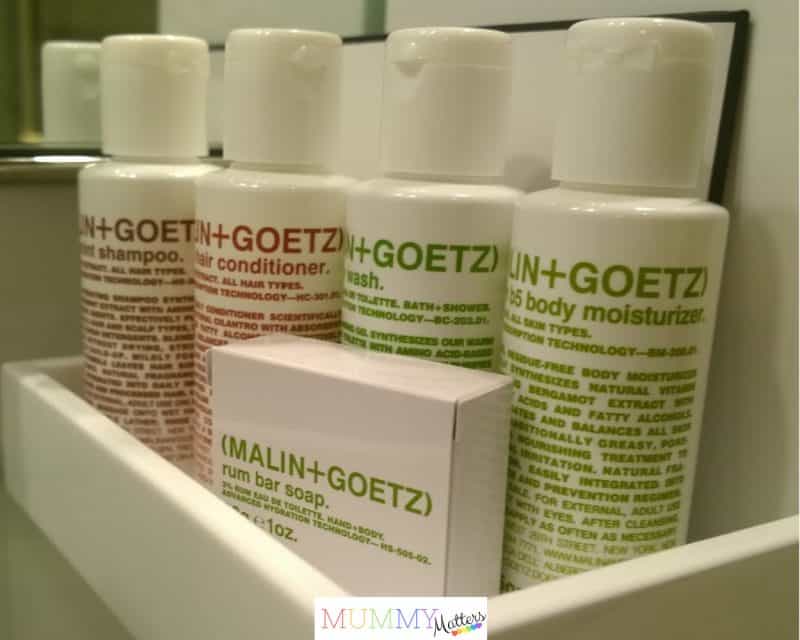
When you’re camping with children, having a well-stocked toiletry bag helps everyone stay comfortable, especially after muddy adventures, beach days or long walks. While most campsites have shower and toilet facilities, it’s worth remembering that you may need to carry everything with you from your pitch.
Keeping toiletries organised in a waterproof wash bag or shower caddy makes trips to the facilities much easier.
Toiletries Checklist
☐ Toothbrushes
☐ Toothpaste
☐ Dental floss or interdental brushes
☐ Shampoo
☐ Conditioner
☐ Body wash or soap
☐ Face wash
☐ Deodorant
☐ Hairbrush or comb
☐ Hair ties and clips
☐ Moisturiser
☐ Lip balm
☐ Razor and shaving gel (if required)
☐ Contact lenses and solution (if needed)
☐ Glasses
Towels & Shower Essentials
☐ Bath towels
☐ Microfibre travel towels
☐ Flannel
☐ Shower shoes or flip-flops
☐ Laundry bag for dirty clothes
☐ Waterproof bag for wet towels
Microfibre towels are a great option for camping because they’re lightweight, dry quickly and take up much less space than traditional bath towels.
Sun Protection
Even on cloudy days, it’s important to protect your family’s skin from UV rays.
Remember to pack:
☐ Sun cream (SPF 30 or higher)
☐ After-sun lotion
☐ Sun hats
☐ Sunglasses
☐ Lip balm with SPF
Applying sun cream before leaving the campsite each morning is often much easier than trying to persuade children to stand still while you’re out for the day!
Insect Protection
Depending on where you’re camping, midges, mosquitoes and other insects can be a nuisance, particularly during the warmer months or near lakes and rivers.
Useful items include:
☐ Insect repellent
☐ Bite relief cream or spray
☐ Anti-itch cream
☐ Tick remover
☐ Tweezers
It’s worth checking everyone for ticks after walks through long grass or woodland, particularly if you’re camping in rural areas.
Toilet Block Essentials
A small grab bag for visits to the campsite facilities can save you carrying everything each time.
You might include:
- Toilet roll
- Hand sanitiser
- Wet wipes
- Soap
- Towel
- Toothbrush and toothpaste
- Shower gel
- Clean clothes
Having everything ready to grab makes those early morning shower trips much easier.
A Tip We’ve Learned Over the Years
Keep a pack of baby wipes in an easy-to-reach place, even if your children are well past the baby stage. They’re brilliant for wiping muddy hands, cleaning picnic tables, freshening up before bed, dealing with spills and giving everyone a quick clean after a day outdoors when you don’t fancy queueing for the showers.
They’re one of those camping essentials that always seem to come in handy.
Family Camping First Aid Kit

Hopefully, you won’t need to use your first aid kit, but it’s always worth having one close to hand when you’re away from home. Children are naturally adventurous, and whether it’s a grazed knee after a bike ride, an insect bite or a headache after a busy day in the sunshine, being prepared can save an unnecessary trip to the nearest pharmacy.
Keep your first aid supplies together in a clearly labelled, waterproof container so everyone knows where to find them if needed.
First Aid Checklist
☐ Assorted plasters
☐ Sterile dressings
☐ Adhesive tape
☐ Antiseptic wipes
☐ Antiseptic cream
☐ Blister plasters
☐ Tweezers
☐ Small scissors
☐ Tick remover
☐ Safety pins
☐ Digital thermometer
☐ Instant cold pack
☐ Elastic bandage
Medicines
Remember to pack any medication your family uses regularly, along with a few essentials for common holiday ailments.
You may want to include:
☐ Prescription medication
☐ Paracetamol (adults and children if appropriate)
☐ Ibuprofen (adults and children if appropriate)
☐ Antihistamines
☐ Hay fever medication
☐ Travel sickness tablets
☐ Rehydration sachets
☐ Indigestion tablets
☐ Insect bite relief cream
☐ Aloe vera gel for mild sunburn
Always check expiry dates before you leave home and keep medicines stored safely out of the reach of younger children.
Emergency Information
It’s also sensible to keep a few important details easily accessible, including:
- NHS number (if you know it)
- Details of any allergies
- Current medications
- Emergency contact numbers
- Details of your travel insurance (if applicable)
- The postcode and telephone number of your campsite
Most UK campsites are within easy reach of local medical services, but having this information to hand can save valuable time if you ever need it.
Don’t Forget Your Four-Legged Family Members
If you’re taking your dog camping too, pack a few pet first aid essentials as well.
Consider bringing:
- Tick remover
- Tick and flea treatment
- Paw balm
- Bandages suitable for pets
- Any regular medication
- Emergency contact details for a nearby vet
A little preparation can give you peace of mind and help ensure everyone, including your furry family members, enjoys a safe and relaxing holiday.
Top Tip
Before setting off, take a few minutes to familiarise yourself with the campsite map. Knowing where the reception, first aid point (if available) and nearest exit are can be reassuring, especially if you’re staying on a larger holiday park.
For anything more serious than a minor cut or scrape, don’t hesitate to seek professional medical advice or speak to the campsite staff, who can usually direct you to the nearest pharmacy, NHS service or emergency care if required.
Entertainment for Kids While Camping

One of the biggest surprises for many parents is just how little entertainment children actually need once they settle into campsite life. Without the usual distractions of home, many children happily spend hours riding bikes, making new friends, exploring nature and inventing games of their own.
That said, it’s always worth packing a few activities for quieter moments, rainy afternoons or relaxing evenings around the tent.
Outdoor Toys and Games
Encouraging children to get outside and be active is one of the best parts of a camping holiday.
Some family favourites include:
☐ Football
☐ Frisbee
☐ Cricket set
☐ Rounders set
☐ Swingball
☐ Flying disc
☐ Bubble wands
☐ Skipping rope
☐ Kite
☐ Water pistols (where appropriate)
☐ Bucket and spade (if you’re heading to the coast)
Many campsites also have open spaces where children can safely kick a football around or make new friends to play games with.
Games for Rainy Days
British weather doesn’t always cooperate, so it’s worth having a few indoor activities ready just in case.
Pack a selection of:
- Uno
- Playing cards
- Travel board games
- Colouring books
- Puzzle books
- Word searches
- Sticker books
- Small LEGO sets
- Craft activities
- Books for bedtime
Our family never goes camping without a pack of cards. They’re lightweight, take up almost no room and provide hours of entertainment for both children and adults.
Related reading:
- Fun Games to Play With Uno Cards
- Easy Card Games to Play With Kids (Using Just One Deck)
Nature Activities
Camping is the perfect opportunity to encourage children to explore the outdoors.
Simple ideas include:
- Nature scavenger hunts
- Spotting birds and wildlife
- Identifying wildflowers
- Collecting interesting leaves (where permitted)
- Pebble hunting
- Cloud watching
- Stargazing
- Photography challenges
- Bug spotting
- Building fairy houses using fallen natural materials
Many campsites also organise children’s activities during the school holidays, so it’s worth checking the entertainment programme when you arrive.
Bikes and Scooters
If your campsite allows them, bikes and scooters can provide hours of fun and help children burn off energy.
Don’t forget:
☐ Bikes
☐ Scooters
☐ Helmets
☐ Bike locks
☐ Bike lights
☐ Pump
☐ Repair kit
It’s always worth reminding children of the campsite rules, especially around speed limits and being considerate of other campers.
Evening Entertainment

Evenings are often when some of the best camping memories are made.
Ideas include:
- Toasting marshmallows (where campfires are permitted)
- Playing family card games
- Telling stories
- Looking for constellations
- Watching the sunset
- Taking an evening walk around the campsite
- Hot chocolate before bed
These quieter moments often become the memories children treasure long after the holiday has finished.
Top Tip
Resist the temptation to overpack toys. In our experience, children usually spend far more time exploring, making friends and enjoying the freedom of the campsite than they do playing with the toys they’ve brought from home.
A football, a pack of cards, a colouring book or sheets and a few favourite games are often all you need to keep everyone entertained.
Camping Extras You’ll Be Glad You Packed
Some camping items aren’t essential, but once you’ve used them, you’ll probably never camp without them again. These little extras can make your pitch feel more organised, comfortable and homely, helping everyone relax and enjoy their holiday.
Handy Extras Checklist
☐ Fairy lights or battery-powered lanterns
☐ Head torches for everyone
☐ Spare batteries
☐ Power bank
☐ Phone charging cables
☐ Extension lead
☐ Peg basket or storage bag
☐ Door mat
☐ Clothes airer or washing line
☐ Clothes pegs
☐ Waterproof storage boxes
☐ Reusable shopping bags
☐ Kitchen roll
☐ Bin bags
☐ Dustpan and brush
☐ Small handheld brush
☐ Duct tape (surprisingly useful!)
☐ Multi-tool or penknife (store safely and keep out of children’s reach)
☐ Notebook and pen
☐ Portable fan for hot weather
☐ Rechargeable lantern
☐ Picnic blanket
Make Your Pitch Feel Like Home
One of the nicest things about camping is creating a cosy outdoor living space for your family.
Battery-powered fairy lights can make your tent feel warm and inviting in the evenings while also helping you find your pitch after dark. A simple outdoor mat by the entrance keeps muddy shoes outside, helping to keep the inside of your tent much cleaner.
A few storage boxes or collapsible crates can also make a big difference, keeping cooking equipment, food and clothing organised instead of scattered around the tent.
Stay Organised
The more organised your campsite is, the easier your holiday will be.
Simple habits such as keeping shoes by the entrance, storing toiletries in one place and using labelled storage boxes mean you’ll spend less time searching for things and more time enjoying your holiday.
Many experienced campers keep a dedicated “camping box” packed all year round with essentials like pegs, torches, batteries, washing-up liquid, kitchen roll and fairy lights. It saves a huge amount of time before every trip.
Charge Devices Easily
Even if you’re hoping to disconnect for a few days, most families still rely on their phones for maps, campsite information, emergency contacts and taking photos.
If you’re staying on an electric hook-up pitch, an extension lead and multi-socket adaptor are invaluable. If you’re off-grid, a fully charged power bank can keep your devices going for several days.
Top Tip
Before you set off, walk through your house and think about the little things you use every day without even noticing. Items like scissors, tape, a torch or a clothes airer might not make it onto a traditional camping checklist, but they’re often the things you’ll be most grateful to have once you’re away.
Things We Never Camp Without

After 12 years of family camping holidays, we’ve discovered that there are a few items we’d never leave behind. While every family is different, these are the things that consistently make our trips more comfortable and enjoyable.
Our must-haves include:
- A camping trolley – especially on larger campsites where the car isn’t parked next to your pitch.
- Head torches for everyone – perfect for late-night toilet trips and finding things inside the tent after dark.
- Fairy lights – they make the tent feel cosy and are surprisingly practical when you return after sunset.
- Extra blankets – even in the middle of summer, UK nights can be much colder than expected.
- A windbreak – ideal for creating a sheltered seating area and giving children a defined space to play.
- Wet wipes – useful for everything from sticky fingers and muddy shoes to quick clean-ups before bed.
- Reusable storage boxes – they help keep food, cooking equipment and clothing organised throughout your stay.
- A decent cool box – keeping food fresh means fewer trips to the campsite shop and less food waste.
Over time, you’ll develop your own list of camping essentials too. Every trip teaches you something new, and that’s all part of the adventure.
Frequently Asked Questions
What should you pack for your first camping trip with kids?
If it’s your first family camping holiday, focus on the essentials first: a reliable tent, comfortable sleeping equipment, suitable clothing for all weather, cooking equipment, food, toiletries and a basic first aid kit. You can always add extra comforts as you gain more camping experience.
How do you keep kids warm when camping?
Dress children in warm, dry sleepwear, use sleeping bags suitable for the season and pack extra blankets for colder nights. A hot water bottle (used safely and appropriately for your child’s age) can also help keep sleeping bags warm before bedtime.
What food is easiest to cook when camping?
Simple one-pan meals such as chilli, spaghetti Bolognese, fajitas, pasta dishes and burgers are all great camping options. Preparing meals at home before you travel can make cooking on the campsite much quicker.
Do I need an electric hook-up for family camping?
Not necessarily. Many families enjoy camping without electricity. However, an electric hook-up can make life easier if you want to use a camping fridge, charge devices or power small appliances.
How can I stop overpacking for a camping holiday?
Create a checklist before you start packing and plan your meals in advance. Packing versatile clothing that can be layered and keeping camping equipment stored together between trips can also help reduce unnecessary items.
