
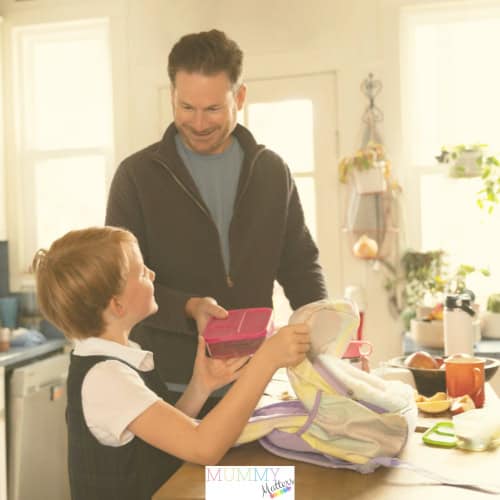
I used to think having a proper routine meant having everything perfectly organised… and honestly, that just made me feel like I was failing most days. Real family life doesn’t work like that. What does work is creating simple family routines that actually stick—flexible, realistic habits that help everyone feel more settled without adding pressure. If your days feel a bit chaotic lately, this might be exactly what you need.
In this guide, I’ll share tried-and-tested ways of building a routine that genuinely works—helping you make family life calmer, smoother and (most importantly) more enjoyable.
What Is a Family Routine (and Why Does It Matter)?

A routine is simply a predictable sequence of activities that happens in roughly the same way every day.
For families, this might include:
- Morning wake-ups and getting dressed and ready
- Mealtime patterns
- Homework or downtime
- A calming bedtime routine
When done well, family routines help children:
- Know what to expect
- Feel safe and secure
- Build good habits
- Develop independence
According to the NHS, consistent sleep and daily patterns play a key role in children’s emotional wellbeing and development.
Put simply, routines are important because they reduce decision fatigue—for both you and your children.
Why Simple Family Routines Make Life Easier
When you strip things back, a good routine should make your life easier—not harder.
Here’s what I’ve noticed in our own home:
- Mornings become less chaotic (fewer “where are your shoes?!” moments)
- Kids know what’s going on without constant reminders
- Evenings feel calmer and less rushed
- There’s less nagging and more cooperation
That’s because consistent routines provide a clear structure. Instead of reacting all day, you’re gently guiding your day.
And honestly? That shift alone can reduce stress massively.
Start Small (This Is Where Most Families Go Wrong)
If you take one thing from this article, let it be this: start small.
Trying to overhaul your entire daily routine overnight rarely works. It becomes overwhelming, and before long you slip into that all-too-familiar all-or-nothing mindset.
Instead:
- Pick one routine to focus on (e.g. mornings or bedtime)
- Keep it simple
- Repeat it daily
Think of it as something you’ll gradually build, not something you perfect overnight.
How to Create a Routine That Actually Works

1. Make a Plan (But Keep It Realistic)
You don’t need a complicated system—just a simple make a plan approach.
Ask yourself:
- What are the pressure points in our day?
- Where do things feel rushed or stressful?
- What would a smoother version look like?
Write it down or pop it into a calendar so everyone can see it.
A visible routine chart works brilliantly for younger kids, especially if it includes pictures.
2. Focus on Key Moments in the Day
You don’t need to control every minute. Focus on anchor points:
Morning Routine (a.m)
- Wake up
- Get dressed
- Breakfast
- Brush their teeth
- Out the door
After School
- Snack and decompress
- Homework or reading
- Errands if needed
Evening Routine (p.m)
- Mealtime
- Bath or shower
- Pyjamas
- Calm activities
- Bedtime
These moments create a natural flow that helps everyone stay on track.
3. Involve Your Children (It Builds Ownership)
One of the biggest breakthroughs for us was involving the kids.
When children take ownership of their routine, everything changes.
Try:
- Letting them help choose the order of tasks
- Giving age-appropriate household chores (like setting the table or unloading the dishwasher)
- Creating the routine together
This builds a sense of ownership and helps kids understand why routines matter.
4. Keep Mealtime and Bedtime Consistent
If there are two areas to prioritise, it’s these.
Regular mealtime and bedtime routines:
- Support better sleep
- Improve mood and behaviour
- Help the whole family feel more settled
The BBC has reported that consistent sleep patterns are linked to improved learning and behaviour in children.
A simple bedtime routine might look like:
- Bath
- Pyjamas
- Story
- Lights out at the same time every evening.
5. Expect Wobbles (and Practise Self-Compassion)
No routine is perfect.
There will be days when everything falls apart—and that’s okay.
This is where self-compassion matters.
Instead of thinking:
“We’ve failed”
Try:
“We’ll pick it up again tomorrow”
Consistency over time is what matters—not perfection.
Weekly Family Routines That Keep Things Running Smoothly

Daily habits are important, but don’t overlook your weekly family rhythm.
This might include:
- A shared calendar for activities
- A Sunday reset (uniforms, bags, lunches)
- A simple meal plan
- A quick tidy-up of things around the house
This helps your week feel more organised and less reactive—especially during busy times like back to school.
Making Routines Fun (Yes, Really!)
Routines don’t have to feel like a chore.
In fact, when you make routines fun, kids are far more likely to stick with them.
Ideas:
- Use music to signal transitions
- Turn tidying into a game
- Add small rewards or praise
- Use colourful charts or stickers
When routines are fun at the same time, they become something children look forward to—not resist.
Common Mistakes to Avoid
Even the best routine can fall apart if you:
- Try to do too much too soon
- Set unrealistic expectations
- Skip consistency
- Don’t adapt as your children grow
Remember: every family is different. What works for one won’t always work for another.
FAQs About Family Routines
What is the best routine for kids?
The best routine for kids is one that is simple, consistent and suited to their age. It should include regular sleep, meals, and downtime.
Why do routines help children feel secure?
Routines help children feel secure because they create predictability. When kids know what’s coming next, it reduces anxiety and builds confidence.
How can I get my family to stick to a routine?
Start small, involve your children, and keep things consistent. Visual aids like a routine chart and shared calendar can help everyone stay on track.
When should I change a routine?
You may need a new routine during big transitions like school starts, moving house, or changes in work schedules.
Do routines really reduce stress for parents?
Yes—simple, repeatable routines can significantly reduce stress by removing constant decision-making and creating a smoother daily flow.
Conclusion: Keep It Simple, Keep It Kind
If there’s one thing I’ve learned, it’s this:
The best routine is the one your family can actually stick to.
It doesn’t need to be perfect. It doesn’t need to look like anyone else’s. It just needs to work for you.
Start small. Be consistent. Adjust as you go.
Before long, those little habits will become second nature—and your days will feel calmer, more connected, and just that bit easier.