

Let’s be honest: mornings can feel chaotic. You wake up, you’re hoping for calm, but before you know it you’re scrambling, someone’s forgetting their sock, lunches aren’t packed, and you’re rushing to leave the house. But it doesn’t have to be that way. A good morning routine not only helps your family get out the door on time, but it also reduces stress, sets a positive tone for the whole day, and supports everyone’s wellbeing. Research shows that having an effective routine can reduce anxiety and boost your mental and emotional health. For children, family routines correlate with better social skills and academic success. So yes — we can absolutely create a stress-free morning.
Plan your good morning routine the night before
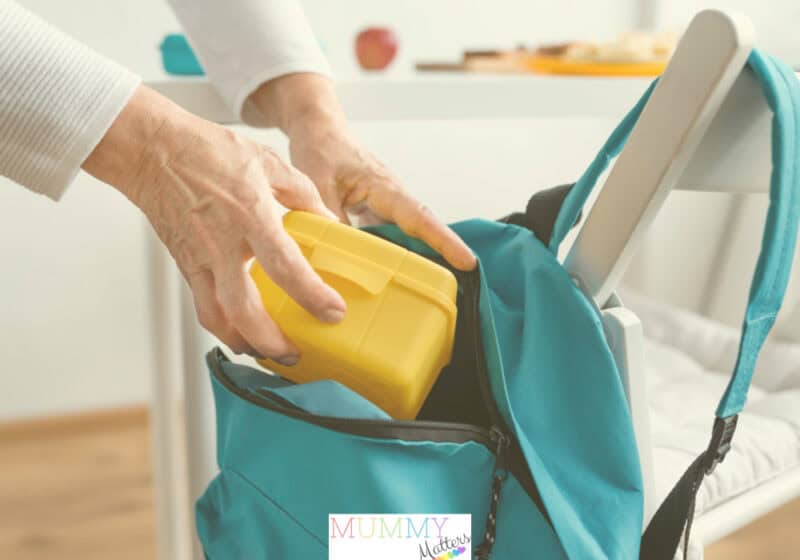
Evening routine = morning peace
A stress-free morning begins the night before. When you lay the foundations the evening prior, you radically reduce morning chaos. For example: pack the school bag, choose outfits, make sure the lunches or snack-boxes are ready.
Here’s what we do in our house (with teenage kids, yes, they’re more independent—but the prep still helps):
- We check each child’s school bag/backpack the night before: homework, permission slips, library books.
- Outfits are laid out (and yes, socks chosen) so no morning “I can’t find a sock” drama.
- We prepare lunches or at least have systems for them (fruit washed, containers ready) so morning isn’t the only lunch-rush.
When you’ve done that, the morning becomes less about scrambling and more about flow.
Set wake-up times and alarms wisely
Getting up on time is the first real hurdle of a stress-free morning routine.
- Set the alarm at a consistent time each day (including weekdays) so the body gets used to it. Research suggests predictability in wake-up helps routines stick.
- I often wake a few minutes before the kids—just enough for a moment’s quiet, to take a breath, maybe refill the kettle or get the cereal out. That little gap makes a difference.
- Avoid hitting snooze multiple times—this tends to throw the rhythm off and makes the rest of the morning feel rushed.
With a bit of planning you free the morning from being about panic and instead make it about starting the day.
Make breakfast + morning essentials easy

Breakfast is non-negotiable in our house. A healthy breakfast means less squabbling, more energy, and fewer “I’m starving” meltdowns.
In a good morning routine:
- Have breakfast options that are easy to grab: cereal, smoothies, toast with nut butter, fruit.
- Encourage everyone to brush and wash early: teeth, face, the lot. Brushing teeth is part of the flow.
- Keep the cereal, yoghurt, fruit in visible and accessible places, near the door or kitchen table, so no one wastes time searching.
- Sometimes I set a timer for 5 minutes of “all eating complete, shoes on” so we transition smoothly.
This helps reduce morning stress and makes the school morning less fraught.
Use visual cues and checklist for everyone
When kids (especially younger ones) see what’s happening, the morning runs smoother. Even with teens, a visible checklist or schedule helps.
- Create a checklist: get dressed, eat breakfast, brush teeth, pack lunch, leave the house.
- For younger children (if you still have them) use picture charts; for teens, maybe an app or a printed list stuck on the fridge.
- Place everything near the door: school bag, shoes, coat, any permission slips. If it’s all in one “launch zone,” the morning rush is less.
In our home, the kids know the zone: choose socks, shoes, backpack, jacket. If I ask “are you ready to go?” they check their zone.
This is a cornerstone of a stress-free morning routine with kids.
Leave the house (door on time!)
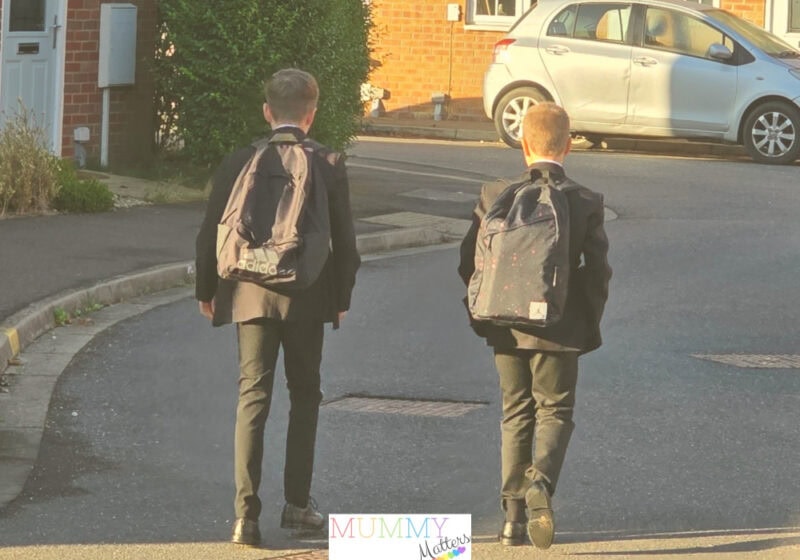
The goal is to leave the house on time — not five minutes late with everyone still scrambling.
Here’s what I aim for:
- If our outbound time is 8:30 am, we aim to be in the car/ready at 8:20. That buffer helps if some delays happen.
- When the alarm signals “time to go”, the kids know: shoes on, backpack in hand, coat on. No extra tasks.
- Avoid introducing new tasks at the last minute (e.g., “Oh! We must find your PE kit”); prep that the night before.
- Keep a small “morning emergency” kit near the door (extra hair tie, sock, or the missing book) so you don’t derail everything for one missing item.
When you’ve done the steps above, you’re giving yourself and your family the best chance for a smooth morning routine and stress-free start.
Specific school morning hacks for parents of teens
Since my children are teens (15, 13, 11), some hacks that work for this age group:
- Let them own part of the routine: choosing their outfit (within reason), packing their own lunch, checking their own backpack. Ownership = less nagging.
- Use a family meeting (briefly) on the weekend: “What’s happening next week? Do you have a test? Do you need kit for sports? Let’s check the schedule.” This reduces surprises.
- Encourage them to go to bed early so wake-up is easier. Teens need around 8-10 hours of sleep. A good evening and bedtime routine really helps the morning.
- Use visual cues or your checklist: yes, even for teens. We keep our checklist visible in the kitchen — “Backpack ✔, Lunch ✔, Phone/earphones ✔, Shoes ✔”. It keeps them accountable.
- Reward them (even small acknowledgements) when they leave the house on time one week in a row. Positive reinforcement helps maintain the rhythm.
FAQ – Your morning routine questions answered
Q: How long should the morning routine take?
A: Quite simply: long enough to be relaxed, not rushed. For our family, 30–40 minutes from wake-up to leaving is about right. Research shows routines help with time-management and productivity.
Q: What if someone always struggles to wake up?
A: Start with the wake-up time the night before: earlier bedtime, reduce screen time, prep what you can. Using wake-up tasks (e.g., pick a task to do as soon as the alarm rings) has been shown to help morning behaviour.
Q: How do I reduce morning chaos when I feel rushed?
A: Shift tasks into the evening where possible. Pack lunches the night before, lay out clothes, use a launch zone. In doing so you reduce the number of decisions and morning tasks.
Q: What if my family isn’t a “morning person”?
A: That’s OK. Being a “morning person” is less about personality and more about rhythm. You can still develop a robust morning routine by fixing wake-up times, prepping the night before, and having a checklist. It’s about consistency.
Final take-away
If you want a stress-free morning, start with the small things: prep the night before; set a consistent alarm; create visible checklists; make breakfast easy; leave on time. And yes—make it a good morning routine for everyone in your family (teens included!).
As a parent of three, I can promise you: when you get into this rhythm, the mornings become less of a battle and more of a calm, purposeful start to the day. That sets the tone for how your children (and you) feel all day long.