

In today’s always-connected world, screen time and sleep are closely linked — often in ways we don’t fully realise. Whether it’s scrolling on your phone, watching TV, or working late on a laptop, screen use has a measurable impact on your sleep quality, sleep duration, and overall health.
This guide explains how screen time directly affects sleep, why it leads to worse sleep, and the practical steps you can take to improve your sleep habits for more restorative sleep.
Understanding Screen Time and Sleep
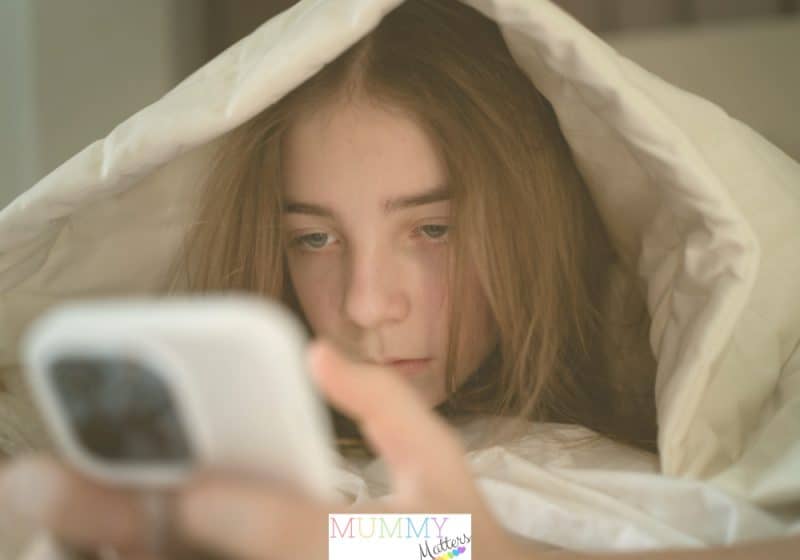
What is screen time and why does it matter?
Screen time refers to the amount of time spent using devices such as smartphones, tablets, TVs, and computers. With increasing daily screen exposure, especially in the evening, researchers have found strong links between screen media habits and sleep.
Studies in sleep medicine show that excessive screen time is associated with:
- Shorter sleep duration
- Increased sleep latency (the time it takes to fall asleep)
- Lower sleep quality
- Higher risk of sleep disturbance and sleep problems
Organisations like the Sleep Foundation and the American Academy of Sleep Medicine consistently highlight how electronic media use and sleep are deeply connected.
How Screen Time Before Bed Affects Sleep Quality
1. Blue light disrupts your circadian rhythm
One of the biggest ways screen time before bed can affect sleep is through blue light exposure.
- Screens emit blue light that mimics daylight
- This suppresses melatonin — the hormone that helps regulate sleep
- This disrupts your circadian rhythm and sleep cycle
Research shows that a computer screen affects circadian physiology, delaying your natural sleep time and reducing overall sleep quality.
2. It increases sleep latency (takes longer to fall asleep)
Looking at a screen before bed stimulates your brain, making it harder to switch off.
This leads to:
- Longer sleep latency
- Difficulty falling asleep
- Reduced REM sleep
The result? You may still get hours of sleep, but the quality of your sleep is reduced.
3. Mental stimulation keeps your brain alert
Whether you’re watching videos, gaming, or scrolling social media, screen exposure keeps your brain active.
This can:
- Increase alertness
- Trigger emotional responses
- Delay the transition to sleep
This is why evening screen habits are linked to poorer sleep quality and inadequate sleep.
4. It reduces total sleep duration
Spending more time on screens often means:
- Going to bed later
- Getting fewer hours of sleep
- Experiencing sleep loss
Studies show time spent using screens is associated with decreased sleep and shorter sleep duration, particularly in sleep in children and adolescents.
The Negative Effects of Screen Time on Sleep

Impact on sleep quality and health
The negative effects of screen time go beyond just feeling tired:
- Poor sleep quality
- Increased risk of sleep disorders
- Reduced focus and memory
- Mood changes and irritability
- Links to weight gain (see research on sleep duration and obesity among children)
According to the National Health Service, ongoing sleep deprivation can affect both physical and mental health.
Long-term consequences of poor sleep
Consistently disrupted sleep can lead to:
- Chronic sleep problems
- Reduced sleep health
- Lower productivity
- Increased risk of anxiety and depression
These are all part of the wider consequences of sleep deprivation.
How to Improve Sleep and Reduce the Effects of Screen Time
1. Set a screen-free wind-down period
One of the most effective tips for better sleep is to avoid screens before bed.
- Stop screen time before bed at least 60 minutes before sleep
- Replace it with calming activities (reading, journaling, stretching)
This simple change can significantly improve sleep outcomes.
2. Use night mode or blue light filters
While not perfect, these can reduce the effects of screen time:
- Enable “night shift” or “blue light filter” on devices
- Lower brightness levels in the evening
Note: Despite claims like “smartphones’ screens improves human sleep”, evidence suggests they still impact sleep negatively.
3. Create healthy sleep habits
Developing healthy sleep habits is key to long-term improvement:
- Go to bed at the same sleep time each night
- Limit amount of time spent using screens in the evening
- Keep your bedroom dark and cool
This helps regulate your body’s natural sleep cycle.
4. Follow good sleep hygiene practices
To practice good sleep hygiene, focus on consistency and environment:
- Avoid caffeine late in the day
- Keep screens out of the bedroom
- Use your bed only for sleep
Good sleep hygiene supports deeper, more restorative sleep.
5. Track your sleep quality
Tools like the Pittsburgh Sleep Quality Index can help measure:
- Sleep pattern
- Sleep duration
- Quality sleep levels
Understanding your sleep outcomes helps identify what’s working.
Screen Time and Sleep in Children and Teenagers
Why kids are more affected
Research shows use and sleep in children is particularly concerning:
- Children are more sensitive to blue light
- Their sleep habits are still developing
- Increased screen use leads to less sleep and behavioural issues
The link between screen time and sleep in children and adolescents is strong, with a clear impact on sleep quality and development. If you’re struggling to set boundaries, our guide to screen time management for teens can help you create realistic, family-friendly limits that actually work.
FAQs About Screen Time and Sleep
Does screen time really affect sleep quality?
Yes. Strong evidence shows screen time affects sleep by delaying melatonin production, increasing alertness, and reducing sleep duration and sleep quality.
How long before bed should I stop using screens?
Ideally, avoid screen time before bed for at least 60–90 minutes to support better sleep.
Can blue light glasses help?
They may reduce some effects on sleep, but they don’t eliminate the mental stimulation caused by screen use.
Is all screen time bad for sleep?
Not necessarily, but evening screen exposure has the greater impact on sleep, especially close to bedtime.
Expert Insight: Why Sleep Matters
According to the Sleep Foundation, adults need the recommended amount of sleep (typically 7–9 hours) for optimal health.
Poor sleep is linked to:
- Lower sleep quality
- Reduced cognitive performance
- Increased health risks
Final Thoughts: Finding Balance for Better Sleep
The relationship between screen time and sleep is clear: more screen exposure — especially at night — leads to worse sleep, lower sleep quality, and long-term health effects.
The good news? Small changes in your screen habits can make a big difference.
Start by:
- Reducing screen time before bed
- Creating better sleep habits
- Prioritising your sleep health
Better sleep isn’t about perfection — it’s about consistency.