

Some watches whisper refinement, while others shout their pedigree at first glance. The truly sustainable ones do neither. They simply persist and become companions without burden. When you examine them closely, value reveals itself in choices made long before you ever strapped one on. Here’s what matters most when identifying the most sustainable features of a quality watch.
Materials with Purpose
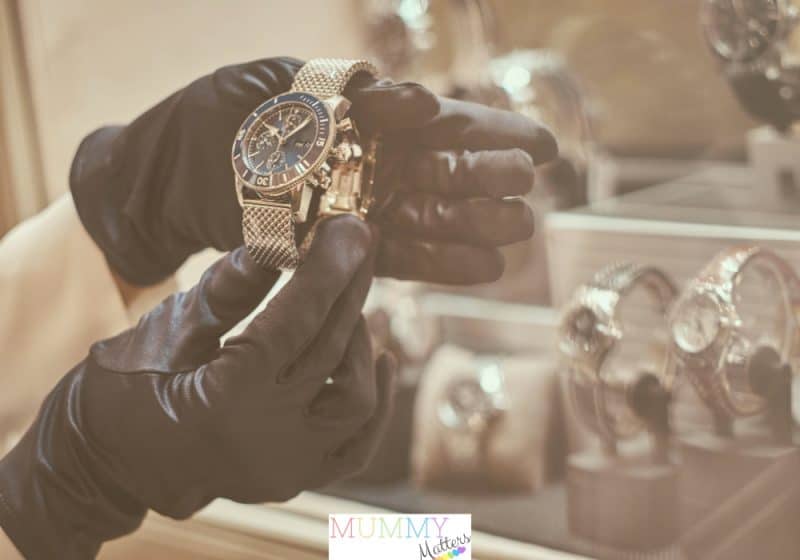
The first sustainable feature lives in metals and materials. If you’re searching for stylish, luxury watches for men in Australia, remember that not all steel is the same. Solid stainless-steel cases resist corrosion and remain handsome without frequent polishing.
Recycled metals bring environmental value without compromise. Look at the Citizen Promaster Fugu with a white dial. Its solid case and thoughtful use of materials feel serious when worn. The finish remains sharp over the years, even after daily wear.
Sustainable materials include:
- Recycled metals and responsibly sourced alloys
- Sapphire crystal that resists scratching and reduces waste over time
- Eco-friendly straps, such as recycled nylon or responsibly tanned leather
Heavier watches can still be greener. Weight alone doesn’t dictate environmental impact. Where materials come from and how they age matter more.
Movement Matters Deeply
Mechanical hearts last for decades if serviced. Quartz hearts may be efficient, but battery replacements affect long-term sustainability. Solar-powered movements offer a compelling alternative. They harness light and eliminate the need for frequent battery changes.
The Emporio Armani World Explorer shows this well. Sunlight becomes fuel, and you don’t need to replace cells often. Wear it regularly under light, and the watch keeps going.
In your evaluation, consider:
- Solar charge capability
- Movement longevity and service support
- Ease of servicing by independent watchmakers
A sustainable movement is one that continues performing with minimal intervention.
Longevity Begins with Finishing
Look beyond raw materials. Look at how a watch is finished. The fine details, such as crisp edges, aligned indices, smooth crowns, and secure clasps, are crucial. A cheaply finished watch ages unevenly. A well-finished one persists gracefully.
Ask yourself while handling a watch:
- Does the crown screw in securely each time?
- Do the bracelet links align without gaps?
- Does the clasp close with satisfying precision?
The Bulova Apollo 15 feels considered in every touchpoint. The pushers engage consistently. The dial markings stay crisp under scrutiny, and with care, it will endure.
Sustainable features are evident first in quality touches that many ignore.
Water Resistance and Daily Wear Resilience
A watch that cannot withstand moisture has a limited lifespan. Water resistance matters for long-term use. It protects the movement and prevents internal corrosion caused by humidity.
Check for:
- Genuine water resistance ratings validated by testing
- Secure screw-down crowns
- Tight casebacks that keep dust and moisture out
Even if you never swim with that watch, these seals improve daily durability. Sweat, rainfall, humidity, and temperature shifts test the timepiece relentlessly. Robust water resistance supports sustainable ownership.
Design Balance Between Classic and Functional

A sustainable design does not chase trends but invites longevity in relevance. Too many flashy details date themselves quickly. A balanced design, however, lasts. Consider timeless lines that cross decades. Minimalist dials with readable markers and hands that glow enough to be useful after dark.
Both understated and purposeful. Sustainable design features include:
- Clear legibility in multiple lighting conditions
- Balanced proportions that fit both casual and formal wear
- Colour choices that do not feel tied to fleeting trends
Avoid designs that feel loud for a season and awkward the next. Choose quiet confidence instead.
Repairability and Brand Support
A sustainable watch should be repairable. You don’t want to retire a piece simply because a minor part failed. Spare parts availability matters. Brand support affects how easy it is to maintain a timepiece.
Ask before you buy:
- Does the brand offer long-term servicing?
- Are replacement parts easily sourced?
- Can independent watchmakers work on it?
Some high-quality chronographs and mechanical watches can be difficult to repair when parts are scarce. Solar movements sometimes require specialised servicing. Yet strong brand networks can make a big difference.
Being sustainable includes thinking about tomorrow’s needs.
What You Actually Wear
Now take a moment, try the watch on, and let it settle on your wrist. Move your hand naturally. Does the watch feel alive with you? Does it demand attention or settle into routine?
Sustainability is not abstract. It should feel tangible. A watch that integrates into your daily movement will be worn, appreciated, and kept.
A sustainable watch in practice is:
- Comfortable enough for daily wear
- Balanced to complement varied outfits
- Durable enough for years of use
Good intentions matter, but actual wear matters even more.
Wrapping Up
Sustainable watches do not expire with the seasons. They outlive fleeting fashion impulses and ask for mindful care rather than passive consumption. Choose materials built to last; movements that require minimal wasteful intervention; designs that age gracefully; and brands that stand behind their work.