
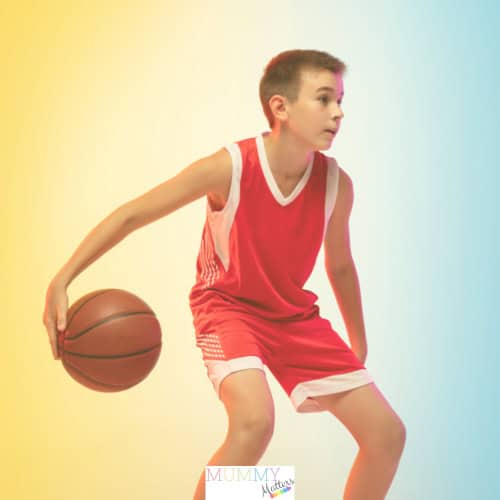
Young basketball players improve best when parents focus on development instead of constant results. Children need time to build coordination, confidence, movement patterns, and decision-making skills before performance becomes consistent.
Basketball places stress on growing bodies. Jumping, sprinting, sudden stops, and direction changes all increase physical demand. Parents should pay attention to recovery, sleep, hydration, and workload instead of only points scored or minutes played.
The Aspen Institute’s Project Play research found that children who specialise in one sport too early are more likely to experience burnout and overuse injuries.
Create a Positive Practice Environment
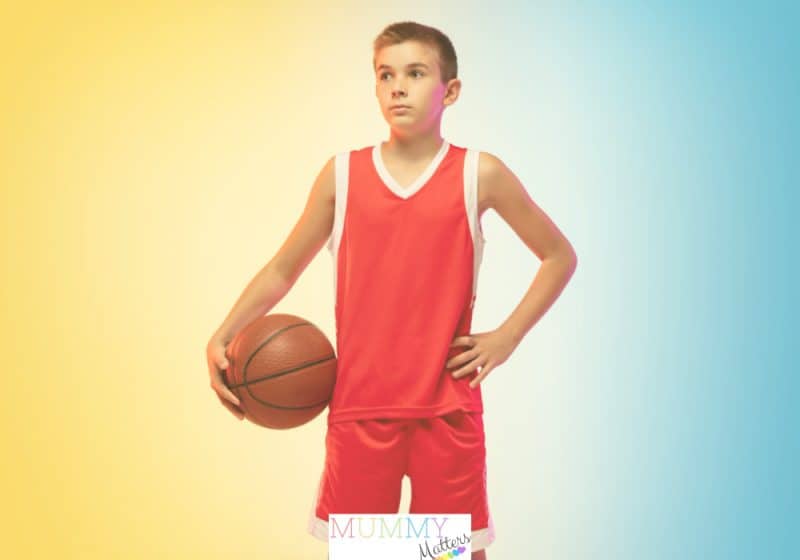
Young players improve faster when basketball feels enjoyable and structured. Encourage effort, teamwork, listening, and consistency. Avoid turning every game into a technical review session.
Simple home support makes a difference. A clear schedule, packed gear bag, healthy meals, and reliable transport all reduce stress for young athletes.
Comfort also matters during training and games. Well-fitted shoes, breathable layers, and basketball jerseys custom to the team can help players move comfortably and feel connected to the group without making appearance the focus.
Teach Good Recovery Habits Early
Recovery should be treated as part of training. Young players often think improvement only comes from more practice, but recovery protects performance and reduces injury risk.
Parents should help children build habits around:
- Sleep consistency
- Stretching after activity
- Balanced meals
- Water intake
- Rest days
- Screen breaks before bedtime
- Light mobility work
- Reporting soreness honestly
A tired athlete learns more slowly and reacts more slowly on court.
Support Hydration During Training
Basketball involves constant movement indoors and outdoors. Children can lose fluid quickly, especially during tournaments and summer sessions.
Hydration should start before activity begins. Waiting until a player feels thirsty is usually too late. Water access also needs to be easy during games, practices, travel, and bench time.
A gear setup that includes a secure water bottle pouch can help young athletes keep hydration accessible during tournaments, training camps, and long practice sessions where benches and bags may move frequently.
Encourage Multi-Sport Movement
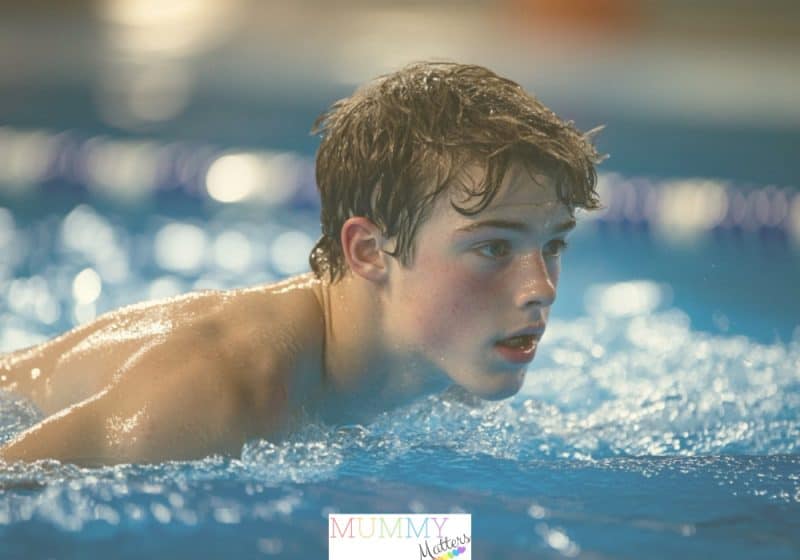
Basketball skills improve through varied movement. Running, swimming, football, gymnastics, athletics, and playground activity all help coordination and balance.
Children who move in different ways often become more adaptable athletes. They also avoid repetitive stress from using the same joints and muscles year-round.
Off-season variety is healthy. It keeps sport mentally fresh and physically balanced.
Communicate Calmly After Games
Children usually know when they played poorly. Long post-game lectures rarely help. Emotional reactions from parents can make performance anxiety worse.
After games, keep conversations simple. Ask how they felt, what they enjoyed, or what they learned. If the child wants technical feedback, keep it short and constructive.
The car journey home should feel safe, not like a performance review.
Understand the Role of Coaches
Parents and coaches have different jobs. Coaches teach tactics, drills, and team systems. Parents provide support, stability, and perspective.
Avoid coaching from the sidelines. Constant instructions can confuse young players and reduce confidence. Let the athlete focus on the coach’s voice during games.
If concerns arise about playing time, communication, or safety, discuss them privately and respectfully.
Watch for Burnout Signs
Burnout can appear slowly. A child who once loved basketball may start avoiding practice, complaining about minor injuries, or losing motivation.
Warning signs include:
- Constant fatigue
- Mood changes
- Fear of mistakes
- Trouble sleeping
- Loss of excitement before games
- Repeated injuries
- Irritability after practice
- Withdrawal from teammates
Rest is not weakness. Sometimes a short break improves performance more than extra training.
Keep Basketball in Perspective
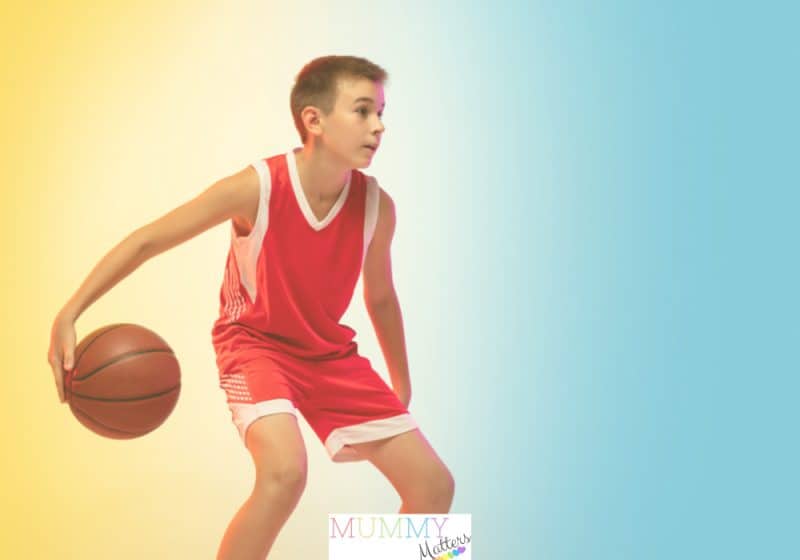
Basketball should support a child’s growth, not define their identity. Encourage friendships, school balance, hobbies, and family time outside sport.
Children who feel valued beyond performance usually handle setbacks better. They are also more likely to stay involved in sport long term.
The goal is not to create pressure around scholarships or rankings at a young age. The goal is to help children enjoy movement, teamwork, discipline, and confidence.
Conclusion
Parents play a major role in how young basketball players experience the sport. Structure, recovery, hydration, communication, and emotional support all matter more than sideline pressure.
The healthiest basketball environments help children compete hard while still enjoying the game. When parents focus on long-term development, young athletes build stronger habits, better confidence, and a healthier relationship with sport.your family