
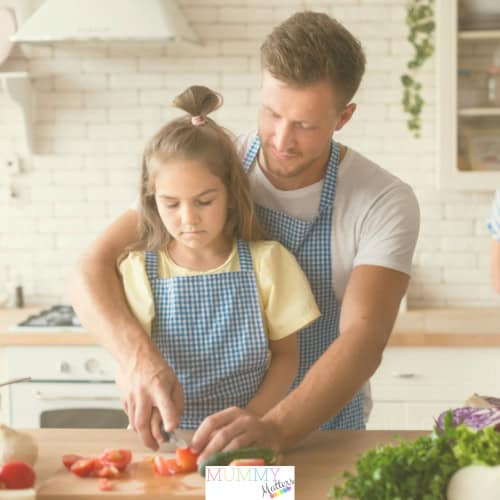
Teaching children how to cook isn’t about raising mini MasterChefs. It’s about building a life skill, encouraging independence, and helping kids develop a healthy relationship with food and cooking over time.
This cooking skills by age guide breaks down age-appropriate cooking skills, so you know what’s realistic, what’s safe, and how to gently get kids in the kitchen without pressure or perfection.
Every child develops differently — and you know your child best — but these milestones give a practical framework you can adapt to your family.
Why Cooking Skills by Age Matter
Learning a cooking skill supports more than just food preparation. Cooking helps children develop:
- Fine motor skills and dexterity
- Confidence and independence
- Numeracy (fractions, measuring, timing)
- Healthy eating habits
- Responsibility and focus
Involving kids in food and cooking early also builds self-esteem and makes new foods feel less intimidating.
The goal isn’t complex skills — it’s achievable progress, step by step.
Cooking Skills by Age: What Kids Can Realistically Do
Toddlers (2–3 years old): Getting Started Safely
A toddler or little one won’t be doing actual cooking — and that’s okay.
Age-appropriate cooking skills at this stage include:
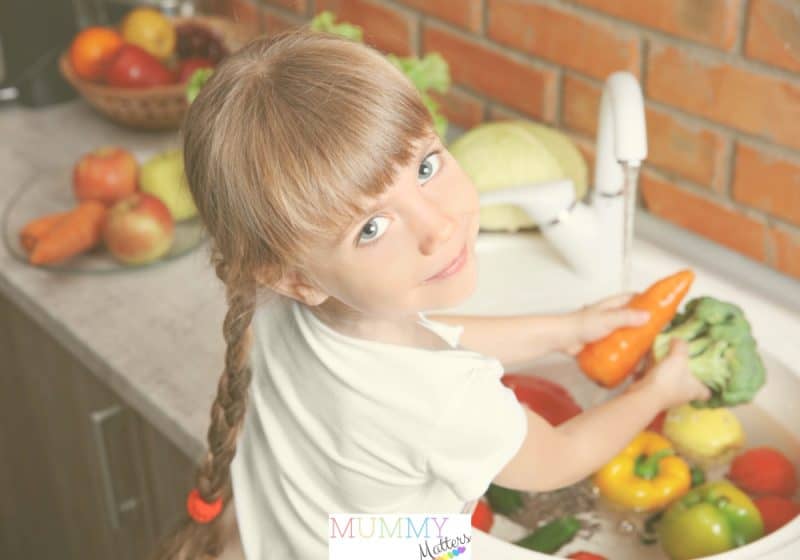
- Washing fruit and vegetables
- Stirring dry ingredients
- Pour ingredients with help
- Placing items into bowls
- Handwashing before and after food prep
At 2 years old, supervision is constant. Use a sturdy stool so your toddler can see the work surface safely.
These simple tasks help small kids feel involved around food without risk.
Preschoolers (4–5 years old): Simple Kitchen Tasks
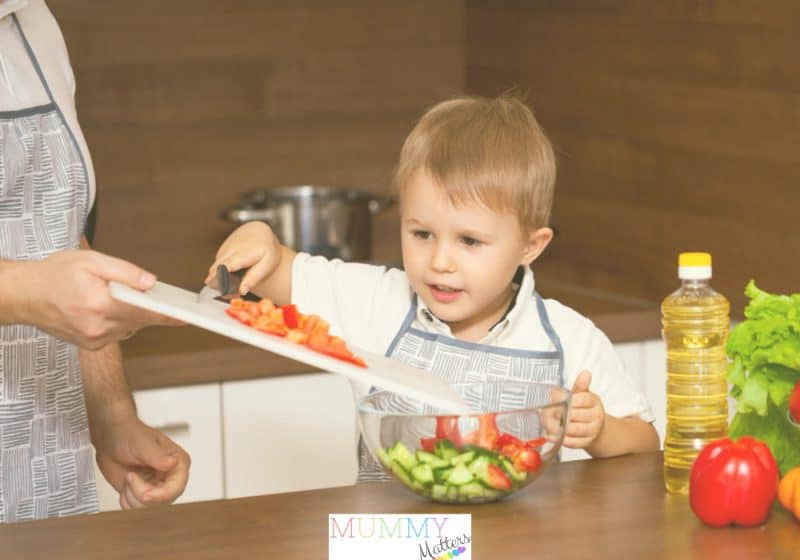
By age four or five, kids can take on more responsibility with close supervision.
Skills suggested for this age group include:
- Cracking eggs (with guidance)
- Using a peeler with help
- Mixing batters
- Grating soft foods using a grater
- Setting timers
- Set the table
A 5-year-old may also help with breading chicken or vegetables, learning texture and sequencing.
This is a great place to start learning to cook through repetition and routine.
Early Primary (6–7 years old): Building Confidence
Around age six or seven, kids start to follow instructions more reliably.
A 7 year child may be able to:
- Measure ingredients (introducing the idea of a fraction)
- Use kitchen shears
- Hold a knife for soft foods
- Chop herbs, bananas, or cooked vegetables
- Assemble simple meals (kids to assemble wraps, salads, or sandwiches)
This is often when knife skills are introduced using child-safe tools — never rush this stage.
Ages 8–9: Developing Real Kitchen Skills
By this age group, kids grow rapidly in confidence and coordination.
Cooking tasks may include:
- Peeling and chopping vegetables
- Using a sharp knife with supervision
- Grating cheese
- Following simple recipes
- Preparing meals like breakfast or lunch
An older child can begin actual cooking, such as stirring food on the hob or using the oven with an adult nearby.
This is when getting kids in the kitchen really pays off.
Ages 10–12: Increasing Independence
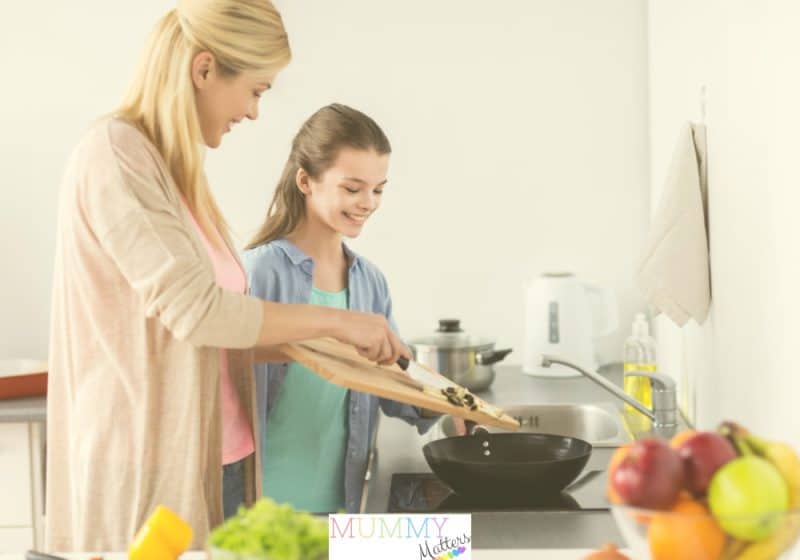
Older kids can now undertake different cooking responsibilities:
- Plan parts of a meal
- Handle hot pans with care
- Chop firmer vegetables
- Use multiple kitchen tools
- Understand food hygiene and safety tips
They may prepare an entire meal with guidance, learning meal planning and time management.
Supervision is still important, especially with a knife, hot liquid, or ovens.
Teens: Essential Cooking for Life
By the teenage years, kids should be learning essential cooking skills they’ll use long-term:
- Confident knife skills
- Safe use of a sharp knife
- Preparing meals from scratch
- Budget-friendly meal planning
- Cooking for others
This stage is about independence, not perfection. Let your kids experiment and make mistakes — it’s part of teaching cooking for real life.
Cooking with Kids: Safety First
No matter the age, supervision is key. Some children may not be ready for certain tasks even if their age suggests otherwise.
Basic safety tips include:
- Teach kids how to hold a knife correctly
- Start with soft foods before harder chopping
- Keep hot surfaces clearly explained
- Emphasise handwashing and clean surfaces
- Always stay close to the end of a task involving heat
If a child isn’t ready, pause and revisit later.
Cooking Skills and Healthy Eating
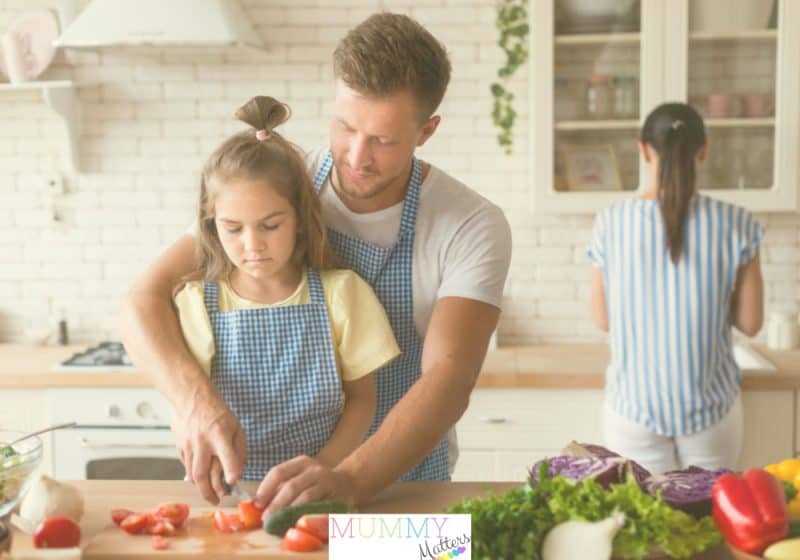
Research shows that kids who help with preparing meals are more likely to enjoy eating well and try new foods.
According to guidance from NHS, involving children in cooking supports long-term healthy lifestyle habits and food awareness.
Many registered dietitian recommendations also highlight cooking with your kids as a way to reduce picky eating and improve confidence around food.
Should You Use Cooking Classes?
Cooking classes can be helpful, especially for older kids who enjoy structure. However, teaching kids to cook at home is just as valuable — and often more meaningful.
Resources like Kitchn offer practical ideas for cooking activities at different stages.
The most important thing is consistency, not formal lessons.
Frequently Asked Questions
What are the best cooking skills by age to start with?
Start with washing, stirring, and pouring for young kids, then gradually introduce chopping, measuring, and cooking as skills develop.
When should kids start using a knife?
Knife use can begin around age six or seven with soft foods, child-safe knives, and full supervision.
How does cooking help child development?
Cooking improves fine motor skills, following instructions, confidence, and understanding of food hygiene.
How do I know if my child is ready?
Know your child best — age is a guide, not a rule. If they’re curious and able to follow instructions, they’re ready to start learning.
Final Thoughts
Teaching cooking skills by age doesn’t need to be overwhelming. Small, consistent steps help kids grow confident, capable, and comfortable in the kitchen.
Whether you’re involving a toddler, young kids, or older kids, let your child learn by age, interest, and readiness — and enjoy the process together.