
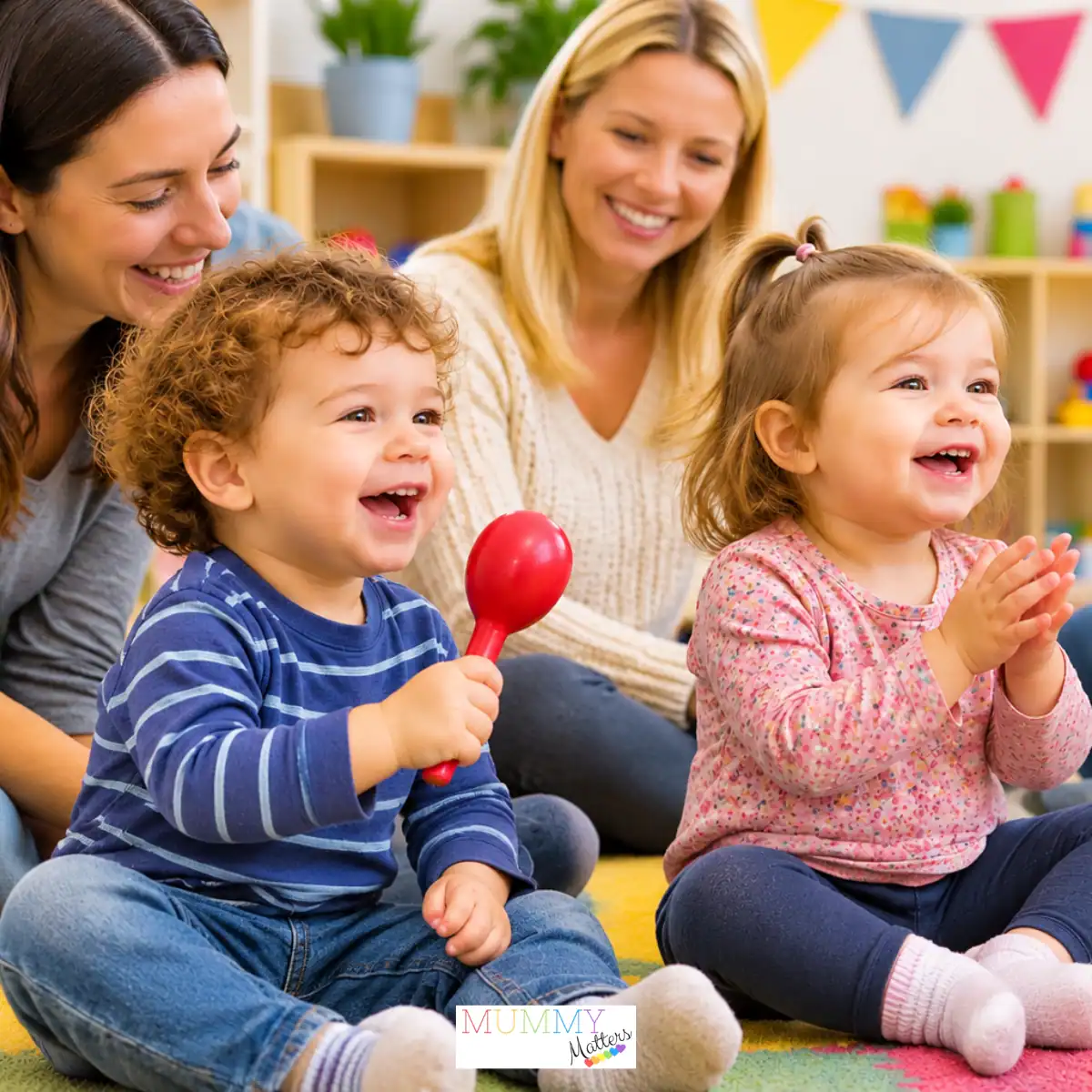
Parents want more than a pleasant hour with their toddler; they want to know whether a class supports skills that matter beyond the room. Structured parent-and-child sessions combine shared play with predictable routines and adult guidance, but their value depends on how children participate and what caregivers learn to carry home. The gains include social practice, communication, movement, and a clearer read on a child’s cues. Start with what structure changes.
A Predictable Setting for Trying New Things
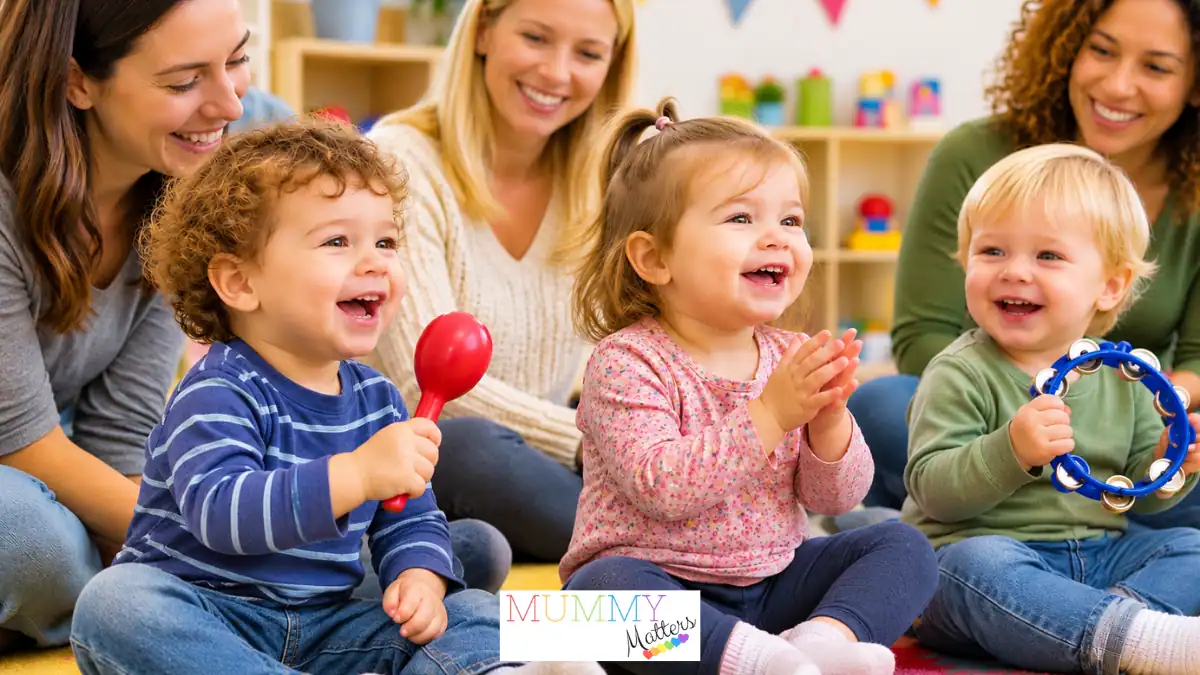
A familiar sequence, such as a welcome song, an activity, and a closing routine, helps toddlers anticipate what comes next. That predictability gives a child a clearer path into a group setting, even when the room, instructor, or other children are new. Repetition also gives a toddler more than one chance to join in.
Parents in Los Angeles can compare class formats by age range, schedule, and whether sessions include guided play or parent discussion. Most Mommy and Me classes in Los Angeles group offerings by developmental stage, including infant-age categories, giving caregivers a starting point for checking how a class is organized before choosing one for an older toddler. Ask whether activities suit walking, language, and shorter attention spans.
A structured class does not require a toddler to follow every direction. A child can watch first, take a turn with support, or return to an activity after a break. The parent’s presence helps the toddler explore at a manageable pace while providing a familiar person to check back with.
Practice Sharing Space With Other Children
Toddlers often play alongside other children before they begin sustained cooperative play. A group class gives them regular chances to notice another child’s actions, wait briefly for a toy, and participate near peers. These are early social experiences, not a test of whether a child can share on demand.
The adult-led activity also makes social moments easier to read. An instructor can demonstrate taking turns with a shaker or passing a ball, while the parent supports the child through the action. If a toddler holds on to a toy or steps away, the caregiver can describe what happened and guide the next attempt without forcing participation.
Look for a class where the instructor leaves room for different responses. One toddler may join a movement game at once; another may need to observe from a parent’s lap. Both are taking in the group, and both can build comfort over repeated visits.
Build Communication Through Play
Songs, gestures, stories, and simple choices give toddlers reasons to listen and respond. A child might point to a picture, copy an action, make a sound, or use a new word during an activity. These exchanges connect language with a clear purpose and a shared focus.
Parents can learn useful ways to extend that interaction at home. If a toddler points to a ball, the caregiver can name it, pause, and give the child time to respond. In class, an instructor’s demonstration can show how to use short phrases, repeat a word naturally, or follow the child’s attention rather than redirecting it.
Activities also invite communication without requiring speech. A toddler can reach, look, gesture, move, or vocalize to show interest or ask for help. Parents who notice these signals can respond more promptly and give the child another opportunity to communicate.
Support Movement and Flexible Attention
Movement-based play gives toddlers a place to practice actions such as reaching, balancing, dancing, or moving between activities. A simple obstacle path or rhythm game can encourage coordination and body awareness while keeping the parent close enough to offer reassurance. The class should allow space for safe movement and different ability levels.
Attention at this age often shifts quickly. A child may engage with a song, lose interest, and return when the group changes activities. A well-paced session alternates activity with quieter moments, so a toddler can participate without being expected to sit still for the entire class.
Caregivers can also notice which activities invite engagement and which create frustration. That observation helps them adjust play at home: offer a shorter turn, simplify a task, or give the child time to try again. The goal is useful practice, not perfect performance.
Gain Confidence and Ideas as a Parent
A parent-and-child class gives caregivers a chance to observe how their toddler responds in a group. They can see whether the child warms up gradually, prefers movement, imitates peers, or seeks support during transitions. Those details make it easier to choose activities that fit the child’s current interests.
Classes also create a regular space to ask practical questions and hear how other caregivers handle common moments, such as reluctance to join a game. The value comes from specific ideas and shared experience, not comparison. Every toddler has a different pace, and one session cannot define a child’s abilities.
Before enrolling, check the age range, activity style, caregiver role, and policy for missed sessions. Ask how instructors handle a child who needs a break or does not want to join an activity. Clear answers help you decide whether the class fits your toddler and your family’s routine.
Conclusion
Choose a class by the experience it creates, not by expecting a toddler to master a particular skill on schedule. Look for predictable activities, responsive instruction, and room for a child to watch before joining. After a visit, note what held your toddler’s attention and what felt difficult. Those observations can guide your next class choice or suggest a simple activity to repeat at home.