
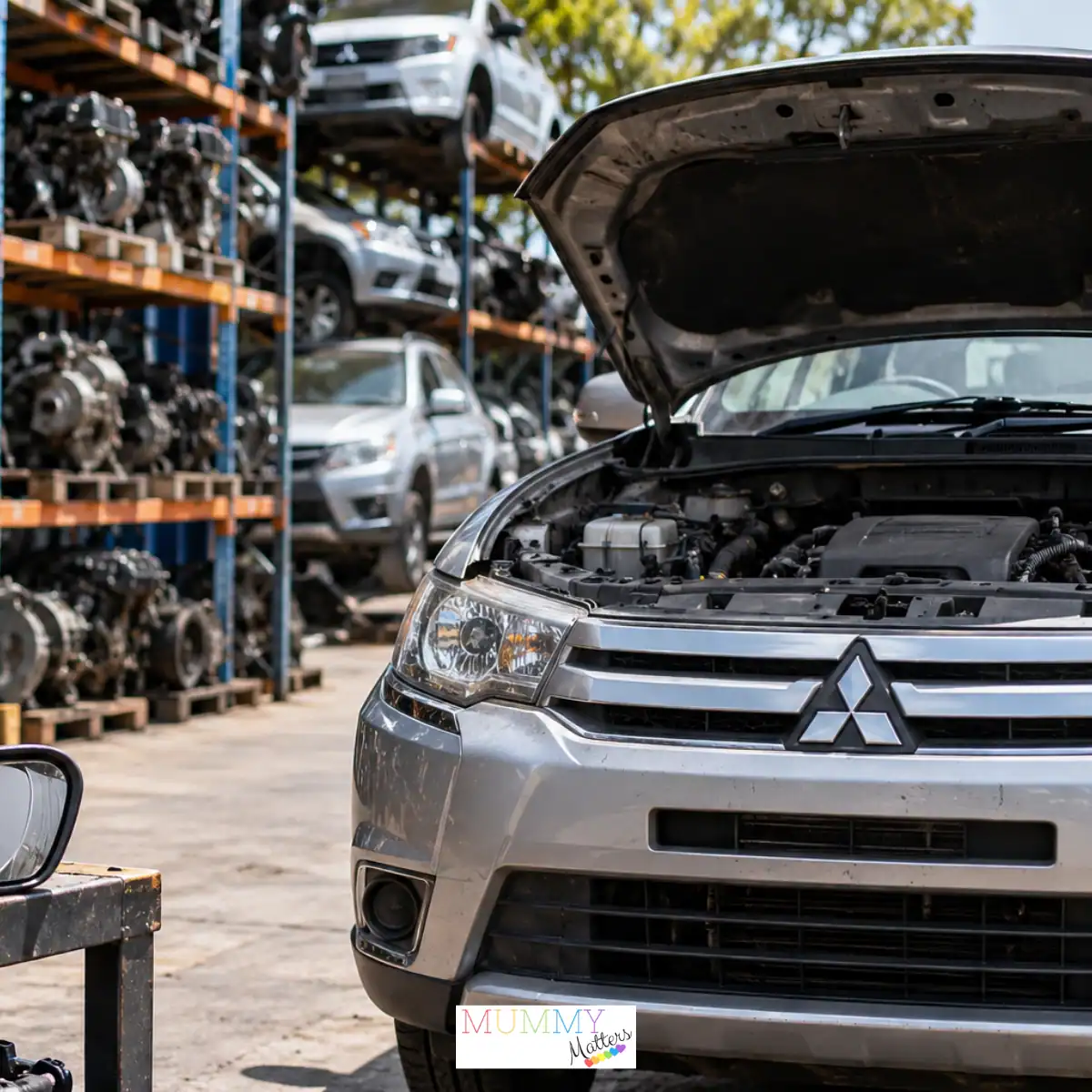
When a Mitsubishi reaches the end of its road, its condition does not tell the whole story: one damaged vehicle can still hold sound components, while another may have little worth reusing. For Melbourne owners and repairers, the challenge is finding the right part, not merely one that looks similar. Understanding how specialist wreckers source and assess donor vehicles explains where uncommon stock comes from.
Where Mitsubishi Parts Come From
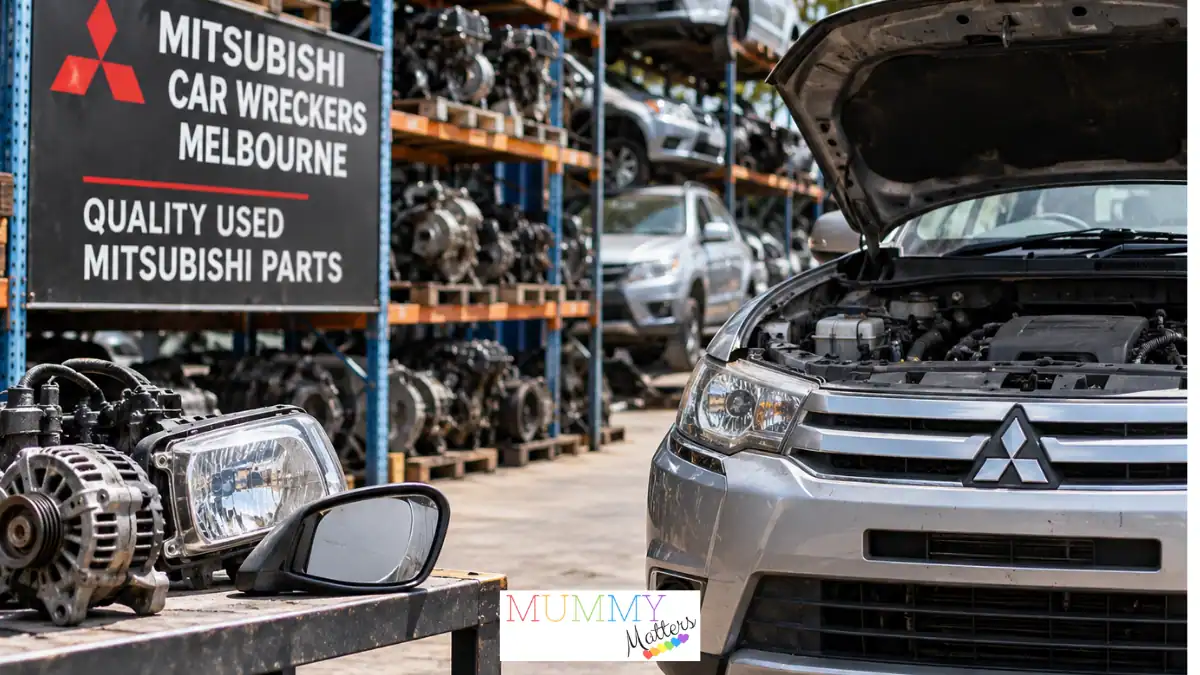
Usable donors come from different sources, so a single car rarely determines what reaches a parts shelf. That is where Mitsubishi car wreckers in Melbourne help buyers look for stock sorted by Mitsubishi model, rather than relying on a general yard’s current vehicles. The practical question is whether a matching donor supplied an identified, reusable part, not merely whether a yard has Mitsubishi badges on site.
Sources include unwanted cars, vehicles with accident damage, written-off vehicles and examples with mechanical faults. Each arrives with a different mix of intact and damaged assemblies. A collision can leave an engine or interior untouched, while age-related wear can make a body panel useful but an engine unsuitable. Careful dismantling starts with checking the individual component, not assuming the whole donor is either good or scrap.
The variety of donor conditions matters most when a replacement is hard to find. A broad intake of vehicles gives dismantlers more chances to locate parts from different model years and trims. It does not guarantee that a particular item is in stock, so buyers should describe the vehicle and part clearly when asking.
How Specialist Dismantling Preserves Useful Parts
A dismantler identifies a vehicle before removing components. Model, generation, trim, and damage location help establish what the donor contains and which parts remain suitable for reuse. This sorting prevents a similar-looking part from being treated as a confirmed match.
The condition of one assembly does not establish the condition of another. An accident-damaged Mitsubishi could have a bent body panel but an undamaged mirror, while a car with engine trouble could still have usable interior parts. Separating components by condition lets buyers ask about the item they need instead of relying on a broad description of the donor vehicle.
Dismantling also creates access to assemblies that are less visible than a bonnet or door. Wreckers can recover engines, smaller mechanical components, and interior pieces when inspection shows they are reusable. Availability depends on the vehicles received and the state of each part, so a specialist yard’s stock can differ from a general yard’s stock on any given day.
Why Donor Details Matter
Mitsubishi models can share a badge while differing in generation, trim, or component design. A part that appears identical in a photograph may not attach correctly or connect to the vehicle’s existing systems. Confirming compatibility before arranging collection or delivery avoids paying for a part that does not suit the car.
Give the seller the vehicle’s model and year, along with its trim if known. Describe the component and any identifying details on the original part. A repairer can help identify the required item when the name is unclear, especially for mechanical assemblies that have several related versions.
Damage on the donor warrants a direct question. Ask whether the part came from an area affected by impact, corrosion, or another fault and what inspection it received. A clear answer gives you a better basis for comparing a used component with the repair needed.
What to Check Before Choosing a Used Part
A useful enquiry narrows the search and helps establish whether a component is a practical match. Before agreeing to buy, check these points:
- Confirm the donor model, generation and trim where available.
- Ask how the part’s condition was assessed before removal.
- Check whether the component includes the fittings or connected pieces required.
- Clarify collection, delivery, and any return conditions before payment.
A seller should be able to describe the part’s known condition without treating every component from a vehicle as equally sound. If the answer is vague, ask for a closer description or another view of the item. For a major mechanical component, get a repairer to confirm compatibility before committing.
Why Stock Differs Between Yards
A yard’s stock reflects the vehicles it has received, the parts it has removed, and the condition of those parts. Two dismantlers can hold different components even when both handle Mitsubishi vehicles. A specialist focus makes vehicle identification more relevant to the search, but it does not mean every model or component is immediately available.
Some parts move quickly because repairers need them often; less common items depend on a suitable donor arriving and passing inspection. Contacting a yard with precise vehicle details helps staff check existing stock and identify whether a suitable donor is available. If it is not, ask whether the search can be revisited when another relevant vehicle is dismantled.
Used parts also require a realistic comparison. A component’s price and convenience matter, but so do its condition, fit, and the terms attached to the sale. Compare like with like, and do not assume that a lower price makes an uncertain part the better choice.
Conclusion
Quality Mitsubishi parts start with the right donor and careful checks on the individual component. Before you buy, provide accurate vehicle details, ask how the part was assessed, and confirm that it fits your repair. If the item is not in stock, ask the dismantler to check against incoming vehicles. That approach makes a specialist search more useful than choosing by appearance alone.