

Deciding that you are ready to try for a baby is incredibly exciting, but it can also leave you wondering whether there is anything you should be doing before you start trying to get pregnant. Should you take supplements, change what you eat, book an appointment with your GP or simply stop using contraception and see what happens? With so much advice available online, preparing for pregnancy can quickly begin to feel like another long list of things to get right.
All of my pregnancies were planned, and before trying to conceive I made a conscious effort to be the healthiest version of myself. I exercised regularly at the gym, avoided alcohol, took Pregnacare supplements and tried to eat as well as I could. However, experiencing an ectopic pregnancy and a missed miscarriage after having Lillie also taught me that doing everything “right” cannot guarantee how a pregnancy will unfold.
Preconception care is therefore best approached as preparation rather than perfection. It is about making informed, manageable choices without placing responsibility or blame on parents for circumstances beyond their control. In this guide, we will look at the practical steps women and men can take before trying for a baby, based on current UK health advice.
What is preconception health?
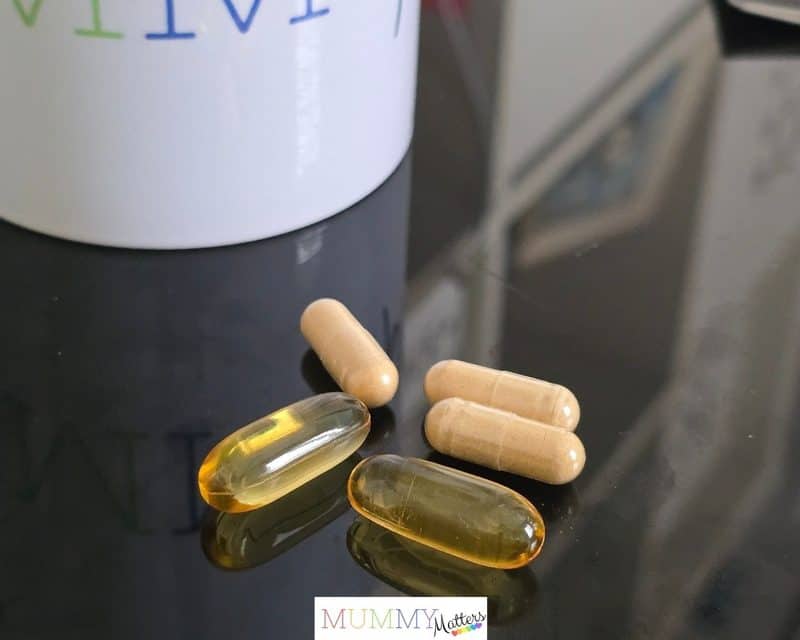
Preconception health simply means looking after your physical and emotional health before a pregnancy begins. Although traditional advice has often focused on women, preparation should not automatically become one person’s responsibility. The health and lifestyle of both prospective parents may be relevant, particularly because an egg and sperm each contribute genetic material at conception.
Preparation might include taking folic acid, reviewing medicines and health conditions, checking vaccination history and considering factors that could affect sperm health. It does not mean reaching an ideal weight, following a flawless diet or transforming your entire lifestyle before trying for a baby. The aim is to identify the changes relevant to you and seek appropriate support where it is needed.
Please note: This article provides general information based on UK health guidance and does not replace personalised advice from your GP, pharmacist, midwife or specialist. Never stop prescribed medication without speaking to a healthcare professional.
When should you start preparing for pregnancy?
If possible, beginning around three months before trying for a baby gives you time to introduce gradual changes, arrange any necessary appointments and establish habits that feel sustainable. It can also allow time to start folic acid before conception, review medicines or existing health conditions and consider lifestyle factors that may affect sperm development.
Three months is a useful preparation window rather than a compulsory waiting period. There is no single point at which everyone becomes “ready,” and you do not need to delay trying simply because every part of your lifestyle is not perfect.
If you are already trying, start with the steps that are relevant to you now. Similarly, if you discover that you are pregnant without having prepared beforehand, begin taking folic acid as soon as possible and contact your GP or maternity service for personalised advice. You have not failed or missed your opportunity to make positive choices.
If you have already received a positive test, my guide to what you should know about early pregnancy may also help you understand what happens next.
Start with your health and medical history
Preparing for pregnancy does not automatically mean you need a long list of tests or a special medical examination. If you are generally well, do not take regular medication and have no known concerns about your reproductive or family health, you may not need to see your GP before you begin trying. However, an appointment before conception can be valuable in some circumstances.
Do you need a preconception appointment?
Speak to your GP or specialist if you have a long-term physical or mental health condition, take regular medication, have experienced previous pregnancy complications or are concerned about your periods or fertility. You should also seek advice if you or your partner has a known inherited condition, or if one runs in either family, as genetic counselling or testing may sometimes be offered.
Preconception advice can be particularly important for people living with diabetes, epilepsy, thyroid disorders, high blood pressure, heart or kidney disease and some mental health conditions. The purpose is not necessarily to discourage pregnancy, but to ensure that suitable treatment, monitoring and specialist support are in place.
Before the appointment, make a note of your current medicines and supplements, relevant family history and any questions you would like to ask. Include information from both partners where appropriate.
Review medicines and supplements before trying
Some prescription medicines, over-the-counter treatments, herbal remedies and supplements may not be recommended during pregnancy, while others are essential for keeping an existing condition under control. Never stop taking prescribed medication simply because you are planning a pregnancy. A GP, specialist or pharmacist can help you understand the individual benefits and risks and recommend an alternative when necessary.
Mention products that may not feel like medicines, including herbal remedies, high-dose vitamins, sports supplements, weight-loss products and anything purchased online. Men should also ask for advice about medicines that could affect fertility, including prescribed testosterone or anabolic steroids.
Check your vaccinations and screening
Before trying to conceive, check whether you have received two doses of the MMR vaccine, which protects against measles, mumps and rubella. Rubella infection during pregnancy can cause serious problems for a developing baby, but your GP surgery should be able to check your vaccination record if you are unsure.
The NHS advises avoiding pregnancy for one month after an MMR vaccination, so address this before trying where possible. You should also ask for advice if you expect to travel somewhere that requires additional vaccinations.
Continue attending cervical screening when invited, and consider a sexual-health check if either partner may have been exposed to a sexually transmitted infection. Some infections have no obvious symptoms but can affect fertility or pregnancy, so testing allows them to be identified and treated.
Preparing your body for pregnancy: advice for women

Much of the advice aimed at women preparing for pregnancy centres on supplements, but there is no special detox, restrictive diet or expensive collection of fertility products that everybody needs. The most important steps are generally much simpler.
Start taking folic acid
The NHS recommends taking 400 micrograms of folic acid every day while trying for a baby and during the first 12 weeks of pregnancy. Folic acid helps reduce the risk of neural tube defects, including spina bifida, which can occur when a baby’s brain, spine or spinal cord does not develop as expected.
Because the neural tube develops very early—often before someone knows they are pregnant—it is best to start taking folic acid before stopping contraception or as soon as you begin considering pregnancy. If you are already trying or have received a positive pregnancy test, start taking it as soon as possible rather than worrying about the time you have missed.
Some people have a higher chance of a pregnancy affected by a neural tube defect and may be prescribed a stronger dose. This can depend on personal or family medical history, existing health conditions and certain medicines, so ask your GP or pharmacist which dose is right for you.
When I was preparing for my pregnancies, I chose to take Pregnacare. If you use a pregnancy multivitamin, check that it provides the recommended amount of folic acid and is formulated for pregnancy. Avoid supplements containing vitamin A in the form of retinol, as large amounts can harm a developing baby. The NHS guidance on vitamins and supplements during pregnancy provides further information.
Check your vitamin D intake
Vitamin D helps regulate calcium and phosphate, which are needed for healthy bones, teeth and muscles. The NHS recommends that pregnant and breastfeeding women consider taking a daily supplement containing 10 micrograms of vitamin D, between early October and late March when sunlight in the UK is not usually strong enough for the body to make sufficient vitamin D through the skin.
Some people may need vitamin D throughout the year, including those who spend very little time outdoors, usually cover most of their skin or have dark skin. Check what your pregnancy multivitamin already contains before adding a separate supplement, and ask a pharmacist, GP or midwife if you are unsure.
How men can prepare for pregnancy
Conversations about preparing for pregnancy often focus almost entirely on the woman, but men have an important role too. A sperm cell contributes half of the genetic material at conception. Preparing together also prevents one partner from carrying all the responsibility.
Why sperm health matters
Sperm are produced continuously, but the process from development to maturation takes approximately three months. Changes made today will not therefore affect the sperm involved in conception immediately, which is why it can be helpful for men to think about their health before a couple begins trying.
Semen quality is assessed using factors including sperm count, movement and shape. Lifestyle changes cannot guarantee conception or prevent every fertility difficulty, but addressing potentially harmful factors may support reproductive health as well as general wellbeing.
Review medicines and existing health concerns
Speak to a GP if there is a history of testicular injury, undescended testicles, surgery, cancer treatment, sexually transmitted infections or problems with erections or ejaculation. Men should also ask for advice about regular medication when there are fertility concerns rather than stopping treatment without guidance.
Testosterone replacement therapy and anabolic steroids require particular attention because they can suppress natural sperm production. University College London Hospitals states that tobacco smoking, anabolic steroids and illicit drugs are associated with poorer sperm parameters. Anyone using prescribed testosterone should speak to the clinician responsible for their treatment, while someone taking anabolic steroids should be honest with their GP so that appropriate support can be offered.
Previous chemotherapy or radiotherapy can also affect fertility, although the impact varies according to the treatment received. If this applies to you, ask your specialist or GP about your individual circumstances rather than assuming conception will not be possible.
Support healthy sperm production
There is no single food, vitamin or supplement proven to transform sperm health. The most useful approach is to follow the shared health advice covered below, including not smoking, avoiding recreational drugs, reviewing alcohol consumption, eating a varied diet and exercising regularly.
Frequent exposure to high temperatures around the testicles may temporarily affect sperm production. There is no need to become anxious about every warm bath or pair of fitted trousers, but avoiding regular hot tubs, saunas and prolonged heat exposure may be sensible, particularly where semen quality is already a concern.
Be cautious with products marketed as male fertility boosters. Supplements can be expensive, their quality varies and high doses of individual nutrients are not automatically beneficial. Ask a GP, pharmacist or fertility specialist for advice, especially if you take medication or live with an existing health condition.
Healthy changes you can make together

Preparing for pregnancy can feel more supportive when you approach it together. You do not need to follow identical diets or exercise routines, but sharing responsibility can make healthier habits easier to maintain and prevent the process from resting entirely on the prospective mother.
Stop smoking and avoid second-hand smoke
Smoking can affect fertility in women and men, while smoking during pregnancy increases the risk of complications for both the pregnancy and baby. If either partner smokes, stopping before trying to conceive is one of the most valuable changes you can make. Reducing exposure to second-hand smoke is important too, so it may need to become a household change rather than something one person manages alone.
Quitting is not always easy, but NHS stop-smoking services can offer practical support and advise on treatments that may help. You can find local options through the NHS Better Health stop-smoking service.
Vaping is considered less harmful than smoking, but it is not risk-free. If you use an e-cigarette to avoid returning to tobacco, ask a stop-smoking adviser, pharmacist, GP or midwife for guidance rather than making a sudden change that could lead you back to cigarettes.
Review alcohol and recreational drug use
The safest approach for someone who is pregnant or actively trying to become pregnant is not to drink alcohol. Conception may occur several weeks before a pregnancy is confirmed, and there is no established safe amount of alcohol during pregnancy. Reducing your intake before you begin trying can make the transition easier if you currently drink regularly.
Men are advised to remain within the UK low-risk guideline of no more than 14 units per week, spread across three or more days. Heavy drinking can affect general health, sexual function and potentially semen quality, so pregnancy preparation gives both partners an opportunity to review their habits.
Recreational drugs can affect physical and mental health, sexual function, fertility and pregnancy. If either of you uses drugs regularly, seek confidential advice from a GP or local drug and alcohol service, particularly if stopping without support may be difficult or unsafe.
Eat a varied, balanced diet
There is no scientifically proven “fertility diet” that guarantees conception, and you do not need expensive superfoods or a highly restrictive eating plan. Aim instead for a varied diet containing fruit and vegetables, wholegrain or higher-fibre carbohydrates, protein foods, dairy products or suitable alternatives, and sources of unsaturated fat.
When I was preparing for pregnancy, I described my approach as eating clean, but in practical terms I was trying to eat nourishing meals and reduce foods that did not help me feel my best. Looking back, balance is a kinder and more sustainable way to describe it. Preparing for a baby should not turn an occasional takeaway, biscuit or meal out into a source of guilt.
Focus on habits you can maintain, such as eating regular meals, including vegetables in familiar dishes and drinking enough water. Ask a GP or registered dietitian for individual advice if you follow a restricted diet, have a history of an eating disorder or are concerned about a nutrient deficiency.
You may also wish to reduce caffeine gradually. The NHS advises limiting caffeine to 200mg per day during pregnancy, including caffeine from coffee, tea, energy drinks, cola and chocolate. You do not necessarily need to stop completely, but it is helpful to understand how much your usual drinks contain.
Work towards a healthy weight without shame
Weight can influence fertility and the likelihood of certain pregnancy complications, but it is only one part of a much bigger picture. People of many different shapes and sizes become pregnant and have healthy babies, while fertility difficulties can affect anyone.
If you are concerned that being underweight or overweight could affect your fertility or pregnancy, your GP can help you consider the most appropriate support without judgement.
If you would like to lose or gain weight before trying for a baby, focus on gradual, sustainable changes rather than crash diets, fasting plans or unregulated products. Speak to your GP if you have struggled with disordered eating or use prescribed weight-loss medication, as some treatments may not be recommended when trying to conceive. Do not stop medication without advice from the prescriber.
Keep moving in a way that works for you
Regular movement supports cardiovascular health, strength, mood and sleep. You do not need to begin an extreme training programme before trying for a baby; walking, swimming, cycling, strength training, fitness classes and active hobbies can all count.
Exercise was an important part of my preparation because I was already attending the gym and wanted to feel as fit and healthy as I reasonably could. However, the most useful exercise is something that suits your body and can be maintained without leaving you feeling exhausted or punished.
If you are currently inactive, build up gradually. Speak to your GP if a health condition or injury affects your ability to exercise, or if very intense training causes your periods to become irregular or stop.
Once you are pregnant, gentle activities such as walking, swimming and prenatal yoga may help you remain active, provided they are appropriate for your individual health and pregnancy.
Look after sleep and emotional wellbeing
Trying for a baby is often presented as an entirely happy time, but it can bring worries about fertility, pregnancy, finances, work, relationships and the changes parenthood may bring. Previous fertility difficulties, pregnancy loss, birth trauma or mental health concerns can make the prospect feel particularly complicated.
After experiencing an ectopic pregnancy and a missed miscarriage following Lillie’s birth, I felt understandably anxious during my pregnancies with Ollie and Albie. Spotting brought back the fear that I might lose them too, and being physically prepared could not remove that emotional history.
Miscarriage and ectopic pregnancy are not caused by failing to prepare properly, eating the wrong thing or feeling worried. If you have experienced a previous loss, it is understandable to need additional reassurance or support before trying again.
Make space for honest conversations with your partner and try to support regular sleep, movement and time to unwind. Speak to your GP if anxiety, low mood, intrusive thoughts or previous trauma are affecting everyday life. If you take medication for your mental health, do not stop it without discussing pregnancy planning with the clinician responsible for your care.
Consider dental, home and workplace health
A routine dental check-up before pregnancy provides an opportunity to address existing problems. Continue brushing twice daily with fluoride toothpaste, clean between your teeth and contact a dentist if you have persistent pain, bleeding gums or other concerns. You can also read more about looking after your dental health during pregnancy.
Consider whether either partner is regularly exposed to pesticides, solvents, lead, heavy metals, radiation, laboratory materials or high temperatures at work. Most people will not need to make significant changes, but anyone with a known occupational exposure should follow safety procedures and speak to their employer or occupational-health team.
Everyday household products used according to their instructions are unlikely to require alarm. The aim is to identify and manage genuine risks, not to make your home or workplace feel frightening.
How often should you have sex when trying to conceive?

For most couples, the simplest advice is to have sex every two to three days without contraception. This generally means that sperm will be present during the fertile window without needing to identify the exact day of ovulation.
Ovulation usually happens around 12 to 16 days before the next period begins rather than automatically occurring on day 14. Apps, ovulation tests and changes in cervical mucus can help you understand your cycle, but they provide estimates rather than guarantees. Some couples find tracking useful, while others feel it makes sex too scheduled, so there is no requirement to use it.
If sex every two to three days is unrealistic because of work, health, tiredness or caring responsibilities, aim for what feels manageable. Seek medical advice if pain, erectile difficulties or another concern is making sex difficult.
When should you ask for help?
The NHS recommends speaking to your GP if you have been having regular unprotected sex for a year without becoming pregnant. Most couples do not conceive immediately, so taking several months is not necessarily a sign that something is wrong.
Women aged 36 or over are advised to seek help sooner because fertility declines with age and investigations can take time. Contact your GP earlier if either partner has a known concern, such as absent or very irregular periods, previous cancer treatment, testicular problems, a reproductive condition, previous pelvic infection or surgery, repeated pregnancy loss or difficulty having sex.
The first appointment will usually consider the health and medical history of both partners. Initial investigations may include blood tests to check ovulation and a semen analysis, with further tests or referral arranged where necessary. Fertility difficulties may involve a female factor, a male factor, a combination of both or have no clear explanation, so attend together where possible. If you are referred for further support, this introduction to fertility treatment and what you might expect explains some of the possible next steps.
Your pre-pregnancy checklist
Preparing for pregnancy does not need to happen all at once. Use this checklist to identify what is relevant to you and your partner, then take each step at a manageable pace.
- Start taking 400 micrograms of folic acid daily, unless your GP recommends a different dose.
- Check whether your pregnancy multivitamin contains the recommended folic acid and vitamin D.
- Review prescription medicines, over-the-counter treatments and supplements with a GP or pharmacist.
- Discuss any long-term physical or mental health conditions with the clinician responsible for your care.
- Check that you have received two doses of the MMR vaccine and attend cervical screening when invited.
- Stop smoking and reduce exposure to second-hand smoke.
- Avoid alcohol when actively trying to become pregnant and review both partners’ drinking habits.
- Avoid recreational drugs and seek support if stopping may be difficult.
- Aim for varied meals, regular movement and sustainable habits rather than a perfect routine.
- Consider whether either partner has workplace exposure to chemicals, radiation or excessive heat.
- Talk openly about emotional wellbeing, particularly after previous fertility difficulties or pregnancy loss.
- Have sex every two to three days if this feels comfortable and manageable.
- Know when to contact your GP for preconception or fertility advice.
You do not need to tick every box before you are “allowed” to start trying. The checklist is there to help you feel informed and supported, not to create another source of pressure.
Preparing, not perfecting
Preparing for pregnancy is not about completely transforming your life or trying to control an outcome that can never be guaranteed. It is about understanding the factors you can influence, asking for support where you need it and giving both prospective parents a meaningful role in the process.
For some couples, this may involve a preconception appointment and changes to medication. For others, it may simply mean starting folic acid, reviewing alcohol intake and building a few healthier habits together. Small, sustainable changes are more valuable than an intense routine that leaves you feeling anxious or exhausted.
Most importantly, fertility difficulties, miscarriage and pregnancy complications are not evidence that somebody failed to prepare properly. You can make thoughtful choices and still encounter circumstances beyond your control. Approach this stage with kindness towards yourself and your partner, and seek personalised advice from your GP, pharmacist or specialist whenever your health or medical history requires it.
Frequently asked questions about preparing for pregnancy
How long should you prepare your body before pregnancy?
Beginning around three months before trying can give you time to start folic acid, review medicines and introduce gradual lifestyle changes. However, three months is a useful preparation period rather than a compulsory delay. If you are already trying, begin with the steps relevant to you now.
What vitamins should I take before trying for a baby?
The NHS recommends 400 micrograms of folic acid daily while trying to conceive and during the first 12 weeks of pregnancy. Vitamin D may also be recommended. Some people need a stronger prescribed dose of folic acid, so ask your GP or pharmacist if you have an existing health condition, take regular medication or have relevant family history.
Should men prepare before trying for a baby?
Yes. Sperm health can be affected by smoking, recreational drugs, anabolic steroids, some medical conditions and other lifestyle factors. Because sperm development takes approximately three months, men can benefit from considering their health before conception rather than leaving all pregnancy preparation to their partner.
Do I need to see my GP before getting pregnant?
Not everyone needs a preconception appointment. Speak to your GP or specialist if you have a long-term physical or mental health condition, take regular medication, have experienced previous pregnancy complications or have concerns about fertility, periods, inherited conditions or vaccination history.
What if I am already pregnant and did not prepare beforehand?
Try not to panic or blame yourself. Begin taking folic acid as soon as possible, avoid alcohol and contact your GP or maternity service for guidance. Many pregnancies happen without months of preparation, and it is still worthwhile making positive changes after receiving a pregnancy test.