
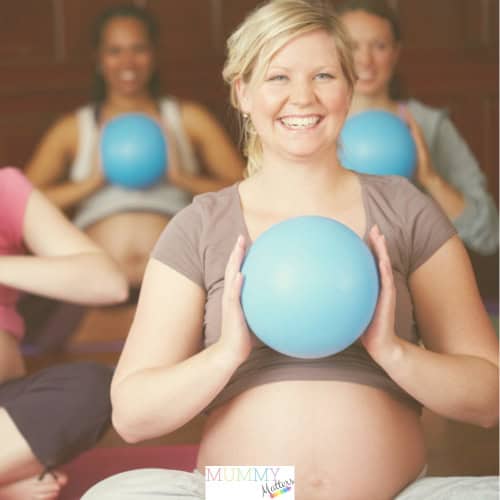
Having a baby can be a very exciting but life-changing event. Many pregnant individuals search for gentle ways to support their health during this crucial time. The prenatal yoga class has also become popular because it is less risky and more supportive. These sessions provide several benefits and help you have a comfortable and healthy pregnancy. Here are nine ways prenatal yoga classes support the well-being of both parent and baby.
1. Encouraging Physical Activity
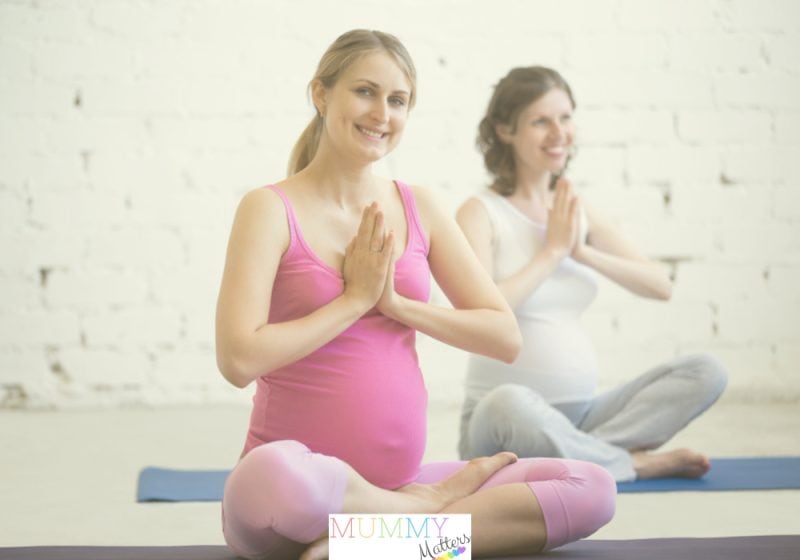
Many families choose to schedule prenatal yoga classes for expecting moms as part of a healthy pregnancy routine. Prenatal yoga offers a low-impact workout for expectant parents. During pregnancy, it is important to stay active to stay strong and flexible. Stretching regularly can help with common soreness, such as back and tight muscles. When participants move slowly, they are supporting their health and that of their developing child.
2. Boosting Emotional Well-being
During pregnancy, your emotions will experience hormonal highs and lows. Consider enrolling in group classes, taking a holiday, practicing meditation, and managing stress and anxiety through meditation and breathing techniques. It helps participants stay grounded and maintain emotional balance during pregnancy.
3. Promoting Better Sleep
Pregnancy was a period with common sleep disturbances. Relaxation techniques such as gentle yoga postures and breathing exercises can improve sleep quality. Relaxation techniques help your body to loosen up, which helps you fall and stay asleep. Better rest results in better overall health for both parent and child.
4. Strengthening Key Muscle Groups
Prenatal yoga specifically targets the muscles that serve crucial functions during pregnancy and birth. This includes poses that either open or stretch the lower back, hips, and pelvic floor. Strengthening these muscles can decrease discomfort and help prepare the body for labor. Regular exercise also aids in a quicker postpartum recovery.
5. Improving Posture and Balance
Posture is harder to maintain during pregnancy due to bodily changes. One of the things that we love about prenatal yoga is the movements that encourage balance and alignment. Better posture decreases pressure on the back and joints. This support brings greater ease in daily movement for everyone who is expecting.
6. Preparing for Labor and Birth
Contrary to popular belief, labor is much more than just physical! Prenatal yoga may include breathing methods and relaxation techniques, which may also be useful during delivery. Breath control and focus help to manage pain. These develop into more positive and empowering experiences of labor and delivery.
7. Fostering Social Connections
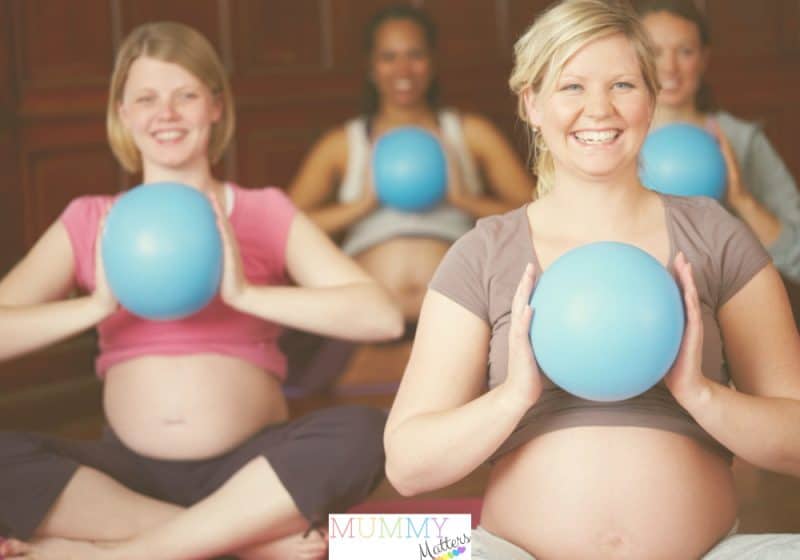
The benefits of joining a prenatal yoga class include the chance to meet people going through similar transitions. Peer support can help alleviate the sense of isolation. The companionship of exchanging tales and counsel in a nurturing atmosphere helps one forge friendships that last.
8. Supporting Circulation and Reducing Swelling
During pregnancy, blood flow needs to be equal throughout the body. Gentle movement in yoga also helps with circulation, thereby decreasing fatigue and risk of swollen legs and feet. Some postures promote free movement and may relieve discomfort caused by fluid retention. Increased blood flow also benefits the growing foetus.
9. Building Mind-Body Awareness
In practice, prenatal yoga teaches you to listen to your body. They come to realize their own perceptions, wishes, and boundaries. Conscious movement and breathing build a bond between you and the baby. Being more aware of our bodies may prompt healthier decisions during pregnancy.
Conclusion
There are also several benefits to taking prenatal yoga classes. Classes provide a wonderful resource through gentle movement, breathwork, and community. Better sleep, emotional support, and movement – all these elements add up to a more wholesome and comfortable life.
For those looking for ways to practise self-care during pregnancy, prenatal yoga may be an excellent entryway to include in your routine. By adopting these practices, well-being increases for the parent and child, enabling a better, healthier start in the journey into parenthood.