

The summer holidays always begin with so much excitement.
The alarm clocks are switched off, school uniforms are tucked away, and suddenly the days stretch out ahead of us, full of possibility. We make ambitious plans for family adventures, lazy afternoons in the garden, camping trips, paddling pools, picnics and all those little moments we’ve been looking forward to during the busy school term.
For the first week or two, everything feels fresh. Even simple pleasures like staying in pyjamas a little longer or enjoying an ice cream after lunch feel like a treat.
Then, almost without warning, something changes.
Your child wanders into the kitchen, sighs dramatically and delivers the phrase every parent knows is coming:
“Mum… I’m bored.”
You glance around in disbelief. The craft supplies are untouched, there are bikes in the garage, board games in the cupboard and a garden waiting to be explored. Weren’t they desperate for six weeks off school just a fortnight ago?
If this sounds familiar, take comfort in knowing you’re far from alone. Families across the UK tend to experience this same shift around the middle of the summer holidays. I like to think of it as the mid-summer holiday slump—that point where the excitement of endless free time starts to wear off, routines disappear, and children begin looking to us for entertainment.
The good news is that this doesn’t mean you’ve failed to create a memorable summer, nor does it mean your children need another expensive day out. In fact, this stage is a completely normal part of how children’s brains adapt to new routines and experiences.
Understanding why it happens can make those constant cries of “I’m bored!” feel much less frustrating—and it might even help you turn them into an opportunity for creativity, independence and some surprisingly special family moments.
As a mum of three, I’ve noticed this pattern almost every summer. The first couple of weeks are full of excitement, but somewhere around the middle of the holidays, one by one, my children start uttering those familiar words: “I’m bored.” It used to make me feel as though I wasn’t doing enough, but over the years I’ve realised it’s simply a normal stage of the school break.
Why the Excitement of Summer Doesn’t Last

If your children seemed endlessly entertained at the start of the holidays but are now complaining that there’s “nothing to do”, it’s not because you’ve suddenly become less fun. It’s because their brains have adjusted to their new normal.
Psychologists often refer to this as the novelty effect. New experiences naturally feel exciting because our brains pay more attention to things that are unfamiliar. The first morning without a school run feels like a luxury. The first picnic in the park is an adventure. Even staying up a little later than usual feels special.
But as the days go by, those once-exciting experiences become familiar. The brain adapts remarkably quickly, and what felt new a week ago simply becomes everyday life.
Children also thrive on a balance between routine and variety. During term time, their days have a predictable rhythm—school, clubs, homework, dinner and bedtime. When the long summer break arrives, that structure often disappears overnight. While the freedom is wonderful at first, too much unstructured time can leave children feeling restless without really understanding why.
Older children and teenagers can experience this just as much as younger ones. After catching up on sleep, finishing the latest computer game or spending a few days meeting friends, they may find themselves drifting between activities without anything holding their attention for long. Younger children, meanwhile, often begin relying more heavily on parents to provide ideas once their favourite holiday activities lose their sparkle.
This doesn’t mean your children are ungrateful or that you’re expected to fill every hour with exciting plans. It simply means their brains are doing exactly what human brains are designed to do—adapting to what’s familiar and beginning to look for the next source of stimulation.
Recognising this shift can be surprisingly reassuring. Instead of feeling pressure to constantly invent bigger and better days out, you can focus on gently introducing fresh experiences, rebuilding a little structure and allowing space for children to discover ways of entertaining themselves again.
Why Boredom Isn’t Always a Bad Thing
As parents, it’s easy to feel responsible every time our children announce they’re bored. We immediately start suggesting activities, planning outings or handing over a screen simply to stop the complaints.
But what if boredom isn’t actually something that needs fixing?
In reality, boredom can be an important part of healthy child development. Once children move beyond that initial feeling of “There’s nothing to do,” many begin creating their own entertainment. They build dens from blankets, invent games in the garden, write stories, experiment with baking, practise football tricks in the garden or finally pick up that book that’s been sitting on the shelf.
It’s often in these quieter moments that imagination has room to grow.
When children aren’t constantly being entertained, they learn valuable life skills that will benefit them long after the summer holidays are over. They begin to solve problems independently, make decisions about how they want to spend their time and discover interests they might never have explored if every moment had been planned for them.
The American Academy of Pediatrics also highlights the importance of unstructured play, noting that giving children time to use their imagination—even allowing for moments of boredom—supports creativity, emotional development and problem-solving skills.
Research has linked periods of unstructured play with a range of developmental benefits, including:
- Greater creativity and imagination.
- Improved problem-solving skills.
- Increased independence and confidence.
- Better emotional resilience.
- Stronger self-motivation.
Of course, there’s a difference between allowing children space to work through boredom and leaving them feeling lonely or unsupported. Younger children may still need gentle encouragement or a few ideas to get started, while teenagers often appreciate having the freedom to choose their own activities without feeling pressured.
The next time you hear, “I’m bored,” try resisting the urge to solve the problem immediately. Instead, you might respond with something like, “I wonder what you could come up with?” or “You’ve got lots of choices—let’s see what you decide.”
You may be surprised how often, after a few minutes of grumbling, they disappear and become completely absorbed in something they thought of themselves.
Sometimes, boredom isn’t the end of the fun—it’s simply the pause before creativity begins.
Signs Your Family Has Hit the Mid-Summer Holiday Slump

Not sure whether you’ve reached the mid-summer holiday slump? If several of these sound familiar, chances are your family has arrived there too!
They ask for snacks… constantly
They’ve barely finished breakfast before they’re rummaging through the fridge asking what’s for lunch. Then, an hour later, they’re hungry again. Sometimes boredom disguises itself as hunger, and the kitchen suddenly becomes the most exciting room in the house.
“There’s nothing to do!”
Despite a house full of toys, books, games or sports equipment, your children insist there’s absolutely nothing they can possibly do. More often than not, what they really mean is, “I can’t think of anything I feel like doing right now.”
Everyone seems to be arguing
Little disagreements that would normally be forgotten in seconds suddenly become full-scale sibling disputes. When children are feeling restless, they’re often more likely to become irritated with one another.
Screen time becomes the first suggestion
Whether it’s gaming, YouTube, TikTok or messaging friends, screens suddenly seem far more appealing than anything else. While technology certainly has its place, constantly reaching for a device can sometimes be a sign that children are craving stimulation rather than genuinely wanting to relax.
They start activities but never finish them
One minute they’re building Lego, the next they’re outside with a football, then five minutes later they’re back indoors looking for something else. It’s not unusual for children to struggle to settle when they’re craving a sense of novelty.
The whole house feels… flat
Perhaps the biggest sign of all is the change in atmosphere. The excitement of the first week has faded, everyone’s sleeping a little later, motivation is lower and even you might find yourself wondering how there are still several weeks of the holidays left.
If you’re nodding along, don’t panic. This stage is incredibly common, and it doesn’t mean your summer has gone off track. In fact, with a few simple changes, it’s often possible to bring back some of that excitement without spending lots of money or filling every day with organised activities.
Simple Reset Ideas That Really Work

If your family has reached the point where everyone feels a little restless, the answer isn’t usually to book a more expensive day out or plan every hour of the week. Often, it’s the smaller changes that make the biggest difference.
Here are a few simple ways to press the reset button and bring a little energy back into the summer holidays.
Reintroduce a Gentle Routine
One of the biggest challenges during the holidays is that every day can start to blur into the next. Without recreating the school timetable, having a loose daily rhythm can help everyone know what to expect.
For example:
- Breakfast together before screens.
- An outdoor activity each morning, even if it’s just a walk around the block.
- Quiet time after lunch for reading, drawing or independent play.
- One planned family activity in the afternoon.
- A consistent bedtime routine, even if bedtime is a little later than during term time.
Children often feel calmer when their days have a little structure.
Change the Scenery
You don’t have to travel far to make the day feel different.
A visit to a different park, a walk around a local nature reserve, a trip to the library or even taking a picnic to somewhere you’ve never visited before can provide the novelty that children’s brains are looking for.
Sometimes simply getting out of the house is enough to reset everyone’s mood.
Rotate Rather Than Reveal Everything
If younger children have access to every toy all the time, try putting some away for a week or two and then bringing them back out.
Old favourites often feel exciting again after a short break, saving you from buying something new.
Give Children a Mission
Instead of asking, “What do you want to do today?” give them a simple challenge.
You could ask them to:
- Build the tallest Lego tower they can.
- Create an obstacle course in the garden.
- Bake something for a neighbour.
- Learn a new card game.
- Photograph five interesting things on a family walk.
- Invent a game for everyone to play after dinner.
Having a purpose often sparks far more enthusiasm than leaving the whole day completely open-ended.
Let Them Be Part of the Planning
Children are much more likely to look forward to activities they’ve helped choose.
At the start of each week, sit down together and ask everyone to suggest one thing they’d like to do. It might be something as simple as a bike ride, a film night, a visit to the beach or making homemade pizzas.
Knowing there’s something to anticipate can help break up the long stretch of the summer holidays.
Don’t Feel You Have to Fill Every Minute
Perhaps the most important reset of all is for us as parents.
Social media can make it feel as though every family is enjoying back-to-back adventures, expensive attractions and picture-perfect days out. The reality is usually very different.
Some of the happiest childhood memories are made on ordinary days—playing in the garden, building dens in the living room, having water fights on the lawn or laughing over a family board game.
It’s perfectly okay for some days to be slower than others. In fact, those quieter moments often give children the chance to recharge, become more independent and create their own fun.
10 Family Challenges to Beat the Summer Slump
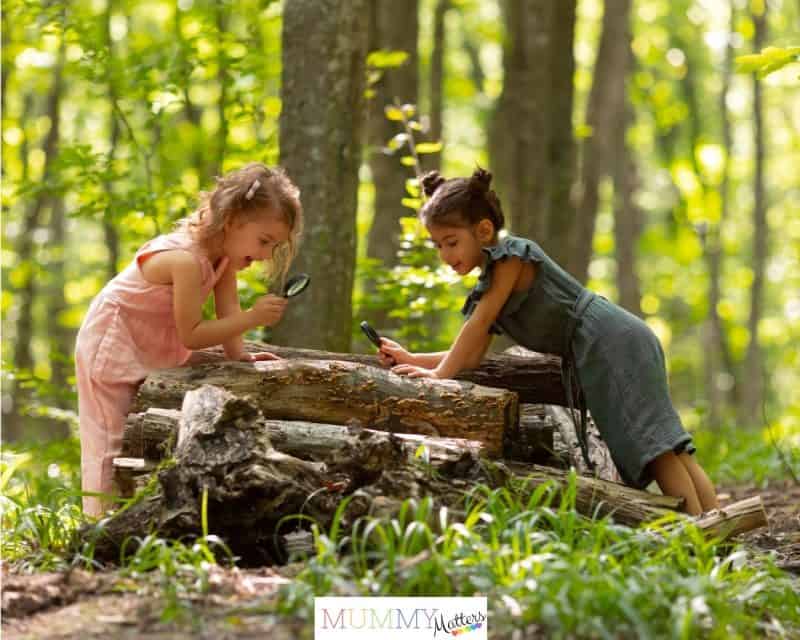
If your children seem stuck in a cycle of saying, “I’m bored,” sometimes all they need is a little inspiration. Setting a family challenge gives everyone something to focus on and can bring back that sense of excitement without spending a fortune.
1. The Nature Treasure Hunt
Head outdoors with a simple checklist and see who can spot the most items.
Look for things like:
- A feather
- A ladybird
- Something yellow
- A heart-shaped leaf
- A butterfly
- An interesting cloud
Take photos instead of collecting natural treasures so everything can stay where it belongs.
2. The No-Spend Adventure
Challenge yourselves to have an amazing day without spending any money.
Visit a local park, explore a woodland trail, cycle somewhere new, play football on the green or become tourists in your own town. You might be surprised by how much fun you can have with a little creativity.
3. Family Games Championship
Choose a different game each evening for a week and keep score on a homemade leaderboard.
You could include:
- Uno
- Dobble
- Monopoly
- Charades
- A family quiz
- Card games
Award a silly prize at the end of the week, such as choosing the next family film or deciding what’s for dessert.
4. Learn a New Skill
Everyone chooses one new skill they’d like to learn before the holidays end.
It could be:
- Juggling
- A magic trick
- Knitting
- Baking bread
- Solving a Rubik’s Cube
- Skipping tricks
- A few words in another language
The aim isn’t to become an expert—it’s simply to enjoy learning something new together.
5. Kindness Week
Each family member carries out one unexpected act of kindness every day.
It could be helping a neighbour, writing a thank-you note, baking for a friend, tidying without being asked or leaving encouraging messages for each other around the house.
6. The Family Photo Challenge
Choose a different theme every day and see what everyone photographs.
Ideas include:
- Something colourful
- Something tiny
- Something that makes you smile
- Reflections
- Summer wildlife
- Favourite places
At the end of the week, create a digital album or slideshow of everyone’s favourite pictures.
7. Read Together Challenge
Set aside just 20 or 30 minutes each day when everyone reads.
Younger children might enjoy being read to, while older children and teenagers can choose their own books, magazines or graphic novels.
A quiet reading habit can be a welcome break from the busyness of the holidays.
8. Cook Something New
Pick one recipe each week that nobody in the family has tried before.
Children can help measure ingredients, stir mixtures or choose the menu. Even if the recipe doesn’t turn out perfectly, you’ll have created a memory together.
9. Screen-Free Afternoon
Choose one afternoon each week when phones, tablets and games consoles stay switched off.
Instead, build a den, play in the garden, complete a jigsaw puzzle, go for a walk or simply spend time chatting together. You may hear a few complaints at first, but many families find these afternoons become the highlight of the week.
10. Summer Bucket List Countdown
Together, write a list of ten simple things you’d love to do before school starts again.
Keep the ideas realistic rather than expensive. Your list might include flying a kite, having a picnic, watching the sunset, making homemade ice lollies, sleeping in a tent in the garden or visiting a place you’ve never explored before.
Each time you tick one off, you’ll create a sense of progress and help make the remaining weeks of the holidays feel more meaningful.
What Not to Do When Your Child Says, “I’m Bored”

When the cries of “I’m bored!” become a regular soundtrack to the holidays, it’s easy to feel like you should have a solution ready every time. However, there are a few common traps that many of us fall into without even realising it.
Don’t feel guilty
The summer holidays aren’t a six-week performance where parents are expected to provide constant entertainment.
Children don’t need every day to be packed with exciting trips and perfectly planned activities. Simply spending time together, laughing, talking and enjoying everyday moments is often enough.
Don’t rush to fix boredom immediately
It’s perfectly natural to want to jump in with ideas as soon as your child complains. But giving them a little time to sit with that feeling encourages them to become more resourceful and independent.
You might be surprised by how quickly “I’m bored” turns into building a fort in the living room or kicking a football around the garden.
Scrolling through Instagram can make it seem as though every family is enjoying expensive holidays, theme parks and unforgettable adventures every single day.
Remember that social media usually shows the highlights, not the ordinary afternoons, the sibling arguments or the moments when children are also wandering around saying they’re bored.
The best family memories are rarely the most expensive ones.
Don’t overschedule every day
It can be tempting to fill the calendar with activities in the hope of avoiding boredom altogether.
Ironically, children often need downtime just as much as they need exciting experiences. Leaving space for free play, relaxation and spontaneous adventures helps create a healthier balance.
Don’t underestimate the power of ordinary days
Years from now, your children probably won’t remember every attraction you visited or every activity you booked.
They’ll remember chasing each other with water pistols, eating ice cream on a park bench, staying up to watch the stars, laughing during family game nights and making up silly games together.
Those simple moments are often the ones that become lifelong memories.
Final Thoughts
If your children have reached the point where every conversation seems to begin with, “I’m bored,” try not to see it as a sign that the summer holidays are falling apart.
More often than not, it’s simply a sign that the excitement of something new has settled into everyday life. It’s a completely normal stage that many families experience, and it doesn’t mean you need to spend more money, organise bigger adventures or become your children’s full-time entertainer.
Sometimes, the best thing we can do is gently guide our children towards finding their own fun. Give them a little structure, offer a few ideas if they need them and then step back. You may discover that boredom becomes the starting point for imagination, creativity and independence.
After all, childhood isn’t remembered because every day was perfectly planned. It’s remembered because of the unexpected adventures, the little traditions, the moments of laughter and the freedom to simply be a child.
So, the next time you hear those familiar words—“I’m bored!”—take a deep breath, smile and remember: this might just be the beginning of their next great adventure.
Frequently Asked Questions
Why do children get bored during the summer holidays?
It’s completely normal for children to become bored as the summer holidays progress. During the first week or two, everything feels exciting because the break from school is new and different. As that novelty wears off, their brains adapt, and those once-exciting activities begin to feel routine. Without the structure of the school day, some children also find it harder to decide how to spend their time, leading to those familiar cries of, “I’m bored!”
Is it good to let children be bored?
Yes—in moderation. While it’s important that children feel safe, supported and have opportunities to play, occasional boredom can actually benefit their development. It encourages creativity, problem-solving, independence and resilience. Rather than immediately providing entertainment, try giving your child a little time to come up with their own ideas. You may find they soon become absorbed in imaginative play, reading, crafting or creating games of their own.
How can I keep my child entertained during the summer holidays without spending money?
Some of the best summer memories don’t cost a penny. Visiting your local park, having a picnic, riding bikes, building a den, creating a nature scavenger hunt, playing board games, baking together, exploring a woodland walk or simply setting a family challenge can all provide hours of fun. The key is to mix a little structure with plenty of opportunities for children to use their imagination and make their own entertainment.
Should I feel guilty if my child says they’re bored?
Not at all. Every parent hears the words “I’m bored” at some point during the school holidays. It doesn’t mean you’re failing or that you’re not doing enough. Children don’t need constant entertainment or expensive days out to have a happy summer. In fact, quieter days often give them the chance to develop important life skills, discover new interests and create lasting memories through simple family moments.
How much screen time is appropriate during the summer holidays?
There isn’t a single amount of screen time that’s right for every family. What matters most is balance. Screens can be a perfectly enjoyable part of the holidays, especially for relaxing, staying in touch with friends or playing games together. However, it’s also important to make time for physical activity, outdoor play, reading, creativity, family time and plenty of sleep. Setting clear expectations and agreeing on screen time together can help reduce arguments while ensuring technology doesn’t take over the entire summer break.
According to UNICEF, play is far more than just fun. It plays a vital role in children’s emotional wellbeing, learning and healthy development, making time for unstructured play an important part of childhood.