
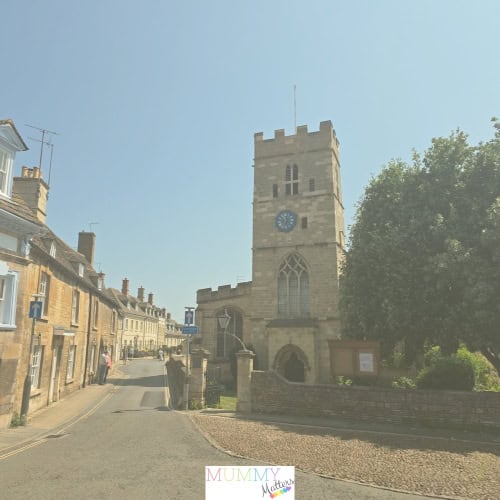
I’ve lived in Lincolnshire all my life, so my view of the county comes from much more than simply visiting its prettiest towns. I grew up in the small market town of Alford, later lived in Skegness, worked in Lincoln and have raised my own family in Lincolnshire. Over the years, I’ve spent plenty of time exploring places including Stamford, Louth, Horncastle and Woodhall Spa too.
If you’re thinking about moving to Lincolnshire, one of the county’s biggest attractions is the sheer variety of places you can choose from. There’s the historic city of Lincoln, beautiful market towns such as Stamford and Louth, traditional smaller towns including Alford and Horncastle, coastal communities and miles of countryside.
For me, Lincoln would probably be my first choice if I were considering a move today. I love its combination of history, shopping, restaurants, nightlife and cultural attractions, and there always seems to be a good atmosphere whenever I visit. But it certainly isn’t the only place in Lincolnshire I’d recommend.
The best place to live will ultimately depend on what matters most to you. You might want good transport connections, schools and plenty to do nearby, or perhaps you’d happily sacrifice some convenience for countryside, character and a quieter pace of life.
In this guide, I’ve combined my own experience of living in Lincolnshire with up-to-date research to explore some of the best places to live in the county, including the advantages and potential drawbacks of each. Whether you’re relocating to Lincolnshire or simply considering a move within the county, hopefully it will help you narrow down where might feel like home.
Editor’s note: This article was updated in August 2026 following further research into living in Lincolnshire, with updated information on transport, amenities and individual towns. I’ve also significantly expanded the guide with more of my own experiences from a lifetime of living in Lincolnshire.
Is Lincolnshire a Good Place to Live?
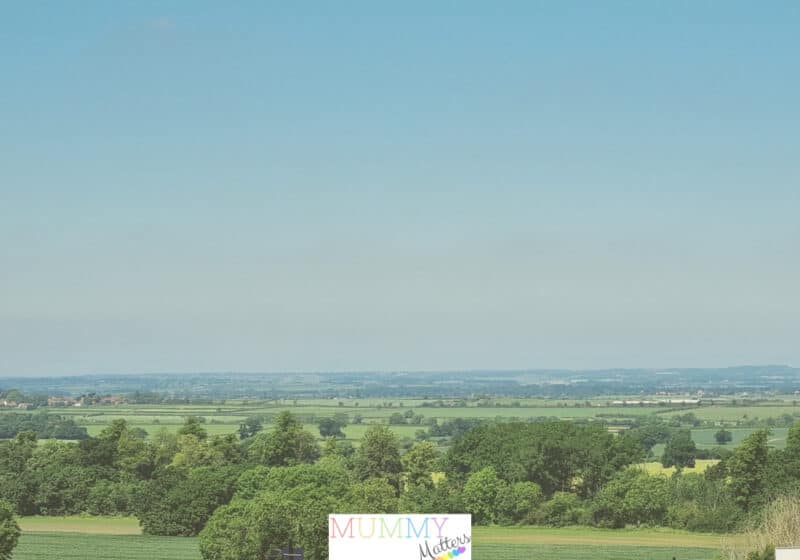
Having spent my whole life in Lincolnshire, I certainly think it is a lovely place to live. It has been a wonderful county to grow up in and, later, to raise my own family.
One of the things I appreciate most about Lincolnshire is the amount of space we have. There are miles of open countryside, the Lincolnshire Wolds, a long coastline and plenty of places where you can escape the crowds. I remember feeling particularly grateful for this during the Covid lockdowns. We could head out into the countryside and find huge open spaces where we barely saw another person. At a time when many families were confined to busy urban areas, I realised just how fortunate we were to have all of this on our doorstep.
There’s plenty of history and culture too. Lincoln has its magnificent cathedral and castle, while towns such as Stamford, Louth, Horncastle and Alford have retained much of their historic character. Head towards the coast and life feels different again, with traditional seaside towns and miles of beaches.
Of course, Lincolnshire won’t suit everyone. It is a largely rural county, so public transport can be limited depending on where you choose to live, and having a car can make life considerably easier. Some journeys also take longer than they look on a map thanks to Lincolnshire’s network of country roads – and anyone who has spent time here will know the frustration of finding themselves behind a tractor when they’re already running late!
On the other hand, if you like having countryside and open space around you while still being within reach of good schools, shops, restaurants, historic towns and family attractions, campsites, Lincolnshire has a lot to offer.
Pros and Cons of Living in Lincolnshire
Some of the things I love about living here include:
- Beautiful countryside and plenty of open space
- Historic towns and villages
- Easy access to the Lincolnshire coast
- A good choice of lifestyles, from city living in Lincoln to quieter market towns and rural communities
- Lots of history, heritage and places to explore
- Plenty of opportunities to enjoy the outdoors
Things to consider before moving to Lincolnshire:
- Public transport is much better in some parts of the county than others
- Rural living can mean relying heavily on a car
- Country roads can make journeys slower than expected
- Employment opportunities vary considerably depending on where in the county you live
- The experience of living in Lincoln, Stamford or Grantham can be very different from living in the Wolds or on the Lincolnshire coast
For me, those compromises have always been outweighed by the things I love about the county. But that’s also why there isn’t one single “best” place to live in Lincolnshire – the right choice depends very much on the lifestyle you’re looking for.
Where Are the Best Places to Live in Lincolnshire?
Lincolnshire is a big county, and the best place to live really depends on the lifestyle you’re looking for. Some areas offer excellent rail connections and plenty of amenities, while others are better suited to people dreaming of countryside, a traditional market town or life near the coast.
If you’re not sure where to start, these would be some of my top places to consider:
| If you’re looking for… | Consider… |
|---|---|
| Best all-rounder | Lincoln |
| Historic charm | Stamford |
| Lincolnshire Wolds & independent town life | Louth |
| Peaceful, leafy surroundings | Woodhall Spa |
| Traditional market-town living | Horncastle |
| Small-town community feel | Alford |
| Coastal living & a lively social scene | Skegness |
| Fast rail connections to London | Grantham |
| Smaller South Lincolnshire market town | Bourne |
| Practical market-town base | Sleaford |
These aren’t the only good places to live in Lincolnshire, and later in the guide I’ll look at a few other towns worth considering too. However, they provide a good starting point and show just how different life can look depending on which part of the county you choose.
Of all of them, Lincoln would probably be my personal choice if I were moving today, but I have a real soft spot for Stamford, Louth, Woodhall Spa, Horncastle and Alford too. Each offers something quite different, so let’s look at them in more detail.
Lincoln – Best All-Round Place to Live in Lincolnshire
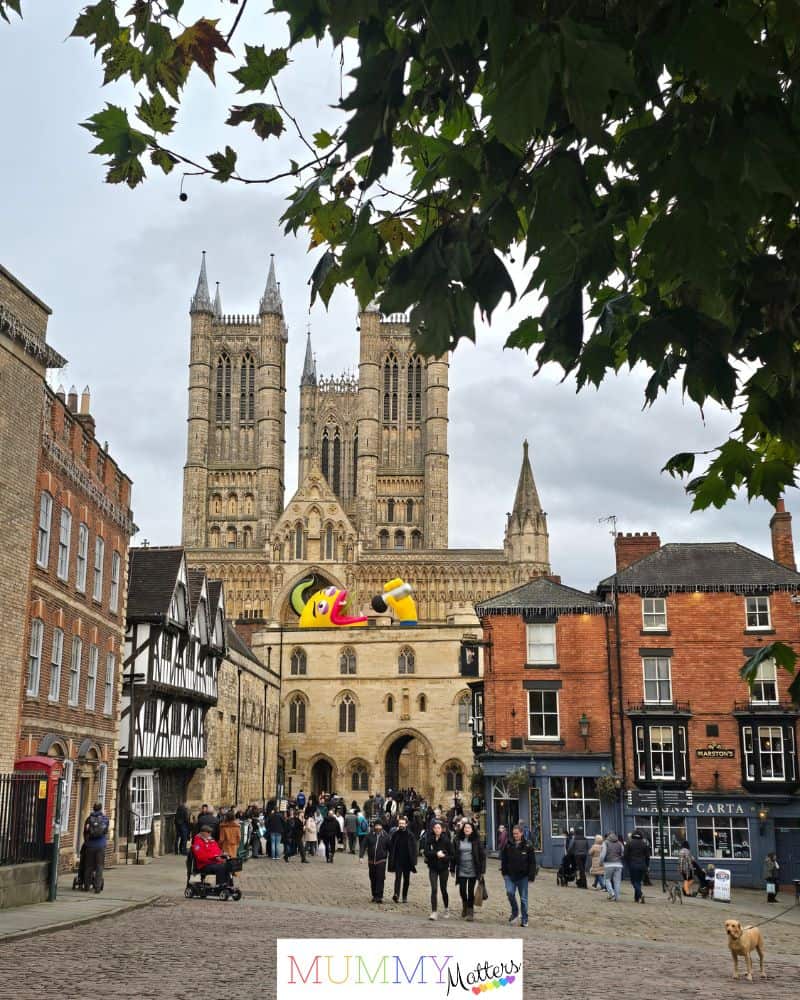
If I were choosing somewhere new to live in Lincolnshire today, Lincoln would probably be at the top of my list. I worked in the city when I was younger and still visit regularly, and I’ve always loved the atmosphere. Whenever we go, it feels busy and vibrant without having the overwhelming feel of a much bigger city.
Lincoln manages to combine two very different sides particularly well. Uphill, around the Cathedral Quarter, you’ll find Lincoln Cathedral, Lincoln Castle, Bailgate, independent shops and the cobbled streets around Steep Hill. Head downhill and it feels much more contemporary, with the High Street, Cornhill Quarter, Brayford Waterfront, restaurants, bars and the University of Lincoln.
There’s plenty going on culturally too. Alongside the city’s historic attractions, Lincoln has theatres, live music, festivals, museums, restaurants and nightlife. That’s one of the things that appeals to me personally: you can have the convenience and entertainment of city living while still being surrounded by the Lincolnshire countryside.
Transport and Getting Around
Lincoln is one of the better-connected places in the county. Lincoln Central railway station and the bus station sit alongside each other in the city centre, and there are direct rail services to destinations including London and Nottingham, with connections to other major cities.
The centre itself is relatively compact and much of it is walkable, although there’s one rather obvious catch: Lincoln is hilly! Steep Hill certainly lives up to its name, so that’s worth considering if mobility is an issue. Local buses connect the city centre with residential areas and surrounding communities.
Schools and Family Life
Families considering Lincoln have a wide range of state primary and secondary schools in and around the city, alongside independent options such as Lincoln Minster School. The University of Lincoln also gives the city a sizeable student population, which contributes to its lively atmosphere.
For family life, I think one of Lincoln’s biggest advantages is simply having so much within reach. You’ve got shops, restaurants, leisure facilities and entertainment in the city itself, but you don’t have to travel far before you’re back in open countryside.
What Are the Downsides of Living in Lincoln?
As much as I love Lincoln, I wouldn’t pretend it’s perfect. Traffic can be frustrating at busy times, parking in the centre is something you’ll need to factor in if you’re driving regularly, and the steep geography of the historic quarter won’t suit everyone.
You also need to think carefully about exactly where in Lincoln you choose to live. As with any city, different neighbourhoods offer very different experiences, so I would research individual areas, school catchments, transport and local amenities rather than choosing based on “Lincoln” as a whole.
My verdict: For me, Lincoln is the strongest all-round choice in the county. It’s the Lincolnshire location I’d personally be most tempted to move to, particularly because it combines history and character with shopping, nightlife, culture and the everyday amenities I’d want close to home.
Stamford – Best for Historic Charm
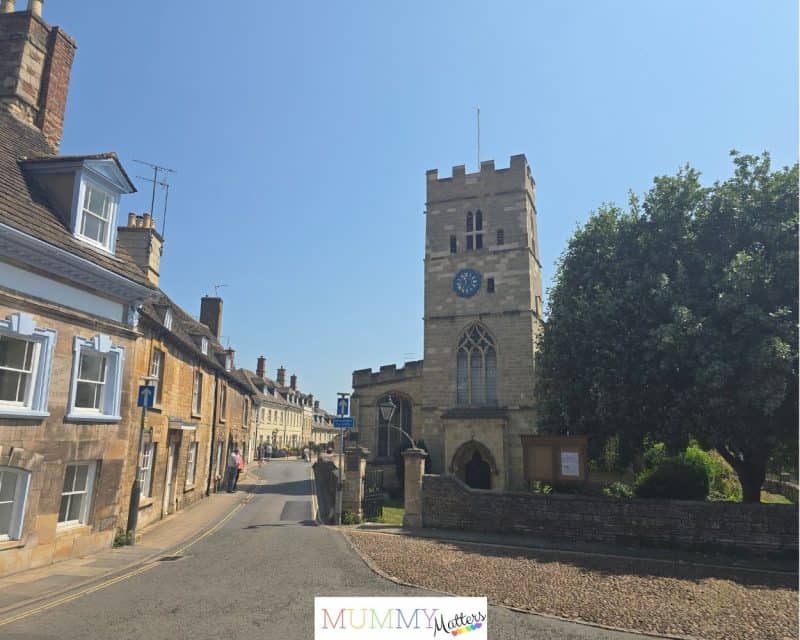
Stamford is one of those places that always feels special when I visit. It’s a beautiful historic market town with gorgeous limestone buildings, independent shops, cafés and restaurants, and plenty of character. If I wanted somewhere smaller and quieter than Lincoln but still wanted plenty happening around me, Stamford would be high on my list.
The town’s appearance isn’t accidental. Stamford became England and Wales’ first designated conservation area in 1967 and has more than 600 listed buildings. Its historic streets have also made it a popular filming location, appearing in productions including Pride and Prejudice, Middlemarch and The Crown.
Despite being historic, Stamford doesn’t feel like a town that exists purely for tourists. The centre has a good mixture of independent businesses and familiar names, regular markets and a thriving food and drink scene. Burghley House is just outside the town, while Rutland Water is also within easy reach.
Transport and Commuting
Location is one of Stamford’s biggest strengths. It sits close to the A1 and has its own railway station, making Peterborough particularly easy to reach by train. From Peterborough, commuters can connect to fast services towards London King’s Cross.
There are also direct rail connections from Stamford towards destinations including Cambridge, Leicester and Birmingham, making it an attractive option for people who want small-town living without feeling completely cut off.
Schools and Family Life
Stamford has a choice of schools within the town and surrounding area, including state and independent education. Families considering a move should look carefully at individual schools and admissions arrangements rather than choosing an area based on reputation alone.
For family life more generally, there’s plenty nearby. As well as Stamford’s shops, leisure facilities and cultural attractions, the surrounding countryside offers walks and outdoor activities, and Peterborough is close enough for additional shopping, entertainment and transport connections.
What Are the Downsides of Living in Stamford?
The biggest consideration is likely to be cost. Stamford’s desirability means you shouldn’t assume you’ll get the same amount of property for your budget as you might in some other parts of Lincolnshire.
It can also get very busy. Stamford attracts a lot of visitors, particularly at weekends and during events, and anyone considering moving here would be wise to experience the town at different times rather than judging it from one quiet weekday visit.
My verdict: Stamford is easily one of my favourite places in Lincolnshire. I love its history and cultural feel, and it’s somewhere I always enjoy spending time. For someone looking for a beautiful market town with plenty of character, good amenities and useful connections to Peterborough and beyond, it deserves to be near the top of the list.
Louth – Best for the Lincolnshire Wolds and Independent Town Life
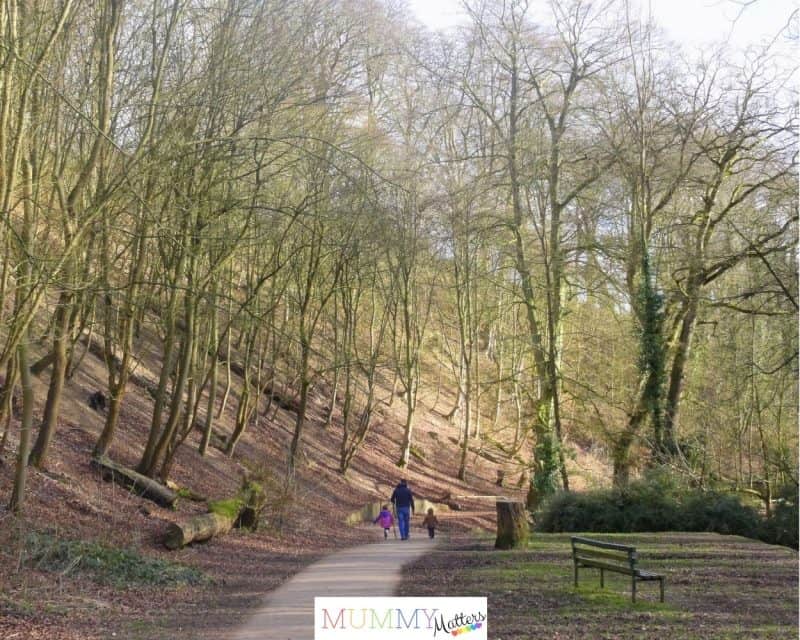
Louth is another Lincolnshire town I’ve always liked and have spent plenty of time in over the years. I actually learnt to drive in Louth, so I got to know its streets rather well – and thanks to some of those hills, I became pretty good at hill starts too!
My memories of Louth go back even further than that. When I was younger, I ran in an inter-county cross-country championship at Hubbard’s Hills. I can’t say running cross-country is something you’ll catch me volunteering for these days, but Hubbard’s Hills remains one of the places I immediately associate with Louth.
Sitting on the eastern edge of the Lincolnshire Wolds, Louth has that traditional market-town feel that I associate with this part of the county, but there’s enough going on that it doesn’t feel too sleepy.
Often called the “Capital of the Wolds”, Louth is particularly well known for its independent shops, food businesses and markets. Its Georgian and Victorian buildings give the centre plenty of character, with the impressive spire of St James’ Church dominating the skyline.
Shopping, Amenities and Family Life
For a relatively small market town, Louth has a good range of everyday amenities alongside its independent shops, cafés, pubs and restaurants. Markets continue to be held regularly in the town centre, helping Louth retain the traditional market-town atmosphere that makes it so appealing.
There are also useful leisure facilities, including Meridian Leisure Centre with swimming pools, a gym and sports facilities, while Louth Riverhead Theatre provides another option for entertainment and culture.
One of Louth’s biggest attractions for me is its location. You’re right beside the Lincolnshire Wolds National Landscape, but the Lincolnshire coast is also within easy reach. Hubbard’s Hills is a beautiful wooded valley on the edge of town and somewhere I’ve known since I was young. These days I’d be far more inclined to enjoy a walk or picnic there than another cross-country race!
Families have a choice of schools in and around Louth, including primary and secondary education. As with anywhere in this guide, I would always recommend checking the latest Ofsted reports, admissions criteria and catchment areas for individual schools rather than choosing a town based purely on a school’s reputation.
Getting Around
Transport is probably one of Louth’s biggest compromises. There is no railway station in the town, so if regular train travel is important to you, somewhere such as Lincoln, Stamford or Grantham is likely to be more convenient.
Louth sits at the junction of the A16, A157 and A153 and has bus connections, but realistically I think living here would be considerably easier with a car, particularly if you want to make the most of the surrounding countryside and coast.
What Are the Downsides of Living in Louth?
For some people, Louth’s relative isolation will be part of its appeal; for others, it could be the reason not to move here. If you need regular access to London or another major city, I’d look carefully at the journey before committing.
Likewise, if you want big-city shopping, nightlife and entertainment on your doorstep, Lincoln will probably suit you better.
But if your priorities are character, countryside, independent businesses and a traditional market-town atmosphere, I think Louth has a lot going for it.
My verdict: Louth is one of the Lincolnshire towns I genuinely enjoy spending time in. I’d particularly consider it if I wanted to live somewhere with a strong sense of identity and plenty of character, while having both the Lincolnshire Wolds and the coast close enough to enjoy regularly.
Woodhall Spa – Best for Peaceful, Leafy Living
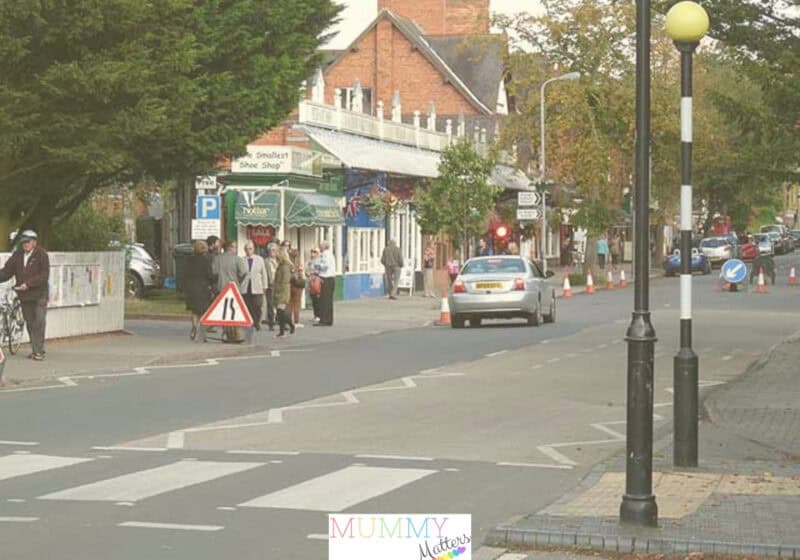
Woodhall Spa is another Lincolnshire town I have lots of happy memories of over the years. I’ve been to weddings at the beautiful Petwood Hotel, camped here with my own family on a couple of occasions and, when I was younger, loved visiting the wonderfully quirky Kinema in the Woods.
The Kinema really is one of those places you don’t forget. Tucked away among the trees, this lovely old-fashioned cinema felt completely different from a modern multiplex. One of the things I remember most was the interval, when the organ would rise up and play – I even remember a little model musician appearing with it, although I’m not sure whether that’s still part of the experience today. The organ itself is still there and is regularly played, which I love because it’s exactly the sort of quirky detail that makes somewhere stick in your memory.
Woodhall Spa itself has a very different feel from somewhere like Lincoln or Stamford. Its tree-lined avenues, independent businesses, historic buildings and connection with its spa-town and wartime heritage give it a quiet charm of its own. It’s somewhere I associate with a slower pace of life rather than hustle and bustle.
It’s also a lovely base for exploring this part of Lincolnshire. We’ve stayed at the Woodhall Spa Camping and Caravanning Club Site as a family, and nearby Tattershall Castle has a particularly special place in my memories. My Grandad used to take me there when I was a child, and years later I’ve been able to take my own children – one of those lovely full-circle family experiences that makes a place mean more than simply being somewhere you’ve visited.
Amenities and Family Life
Although Woodhall Spa has a peaceful, almost holiday-like feel, it isn’t simply somewhere people visit. There are independent shops, cafés and restaurants, healthcare services and a library, as well as plenty of opportunities to get involved in community life.
For families, Jubilee Park is a real asset. Alongside its well-known heated outdoor swimming pool, there are gardens, a children’s playground, tennis courts, sports facilities and plenty of space to enjoy being outdoors.
There are primary school options in and around Woodhall Spa, while secondary-age children may travel to schools in surrounding areas including Horncastle and Tattershall. As always, I’d check current admissions arrangements and individual schools carefully if education is an important factor in your move.
Woodhall Spa also has an unusually rich history for somewhere relatively small. Its connections with the RAF and the famous 617 “Dambusters” Squadron are still very visible, while nearby RAF Coningsby is home to the Battle of Britain Memorial Flight.
Transport and Getting Around
Transport is probably Woodhall Spa’s biggest drawback if you’re considering living here.
There is no railway station in the village. The nearest is Metheringham, around 13km away, while Lincoln, Sleaford and Boston provide other rail options further afield. Bus services connect Woodhall Spa with Lincoln and Boston, and there are also on-demand bus services available in the area.
For everyday life, however, I’d personally regard having a car as a considerable advantage here, particularly if you have children or regularly need to travel outside the village.
What Are the Downsides of Living in Woodhall Spa?
The peaceful location that makes Woodhall Spa so appealing will also be its biggest disadvantage for some people. If you need a railway station on your doorstep, a large shopping centre or lots of nightlife, this probably isn’t going to be your first choice.
It’s a very different proposition from Lincoln or even Stamford. I’d choose Woodhall Spa because I actively wanted a quieter lifestyle, not because I wanted city conveniences in a rural setting.
My verdict: Woodhall Spa has always felt like a lovely part of Lincolnshire to me. I’ve accumulated lots of happy memories here over the years, from the Kinema and weddings at the Petwood Hotel to camping here with my own family. Its leafy surroundings, history and slower pace make it somewhere I’d happily recommend to someone looking for a quieter place to call home – provided they’re comfortable with the transport compromises.
Horncastle – Best for Traditional Market-Town Living
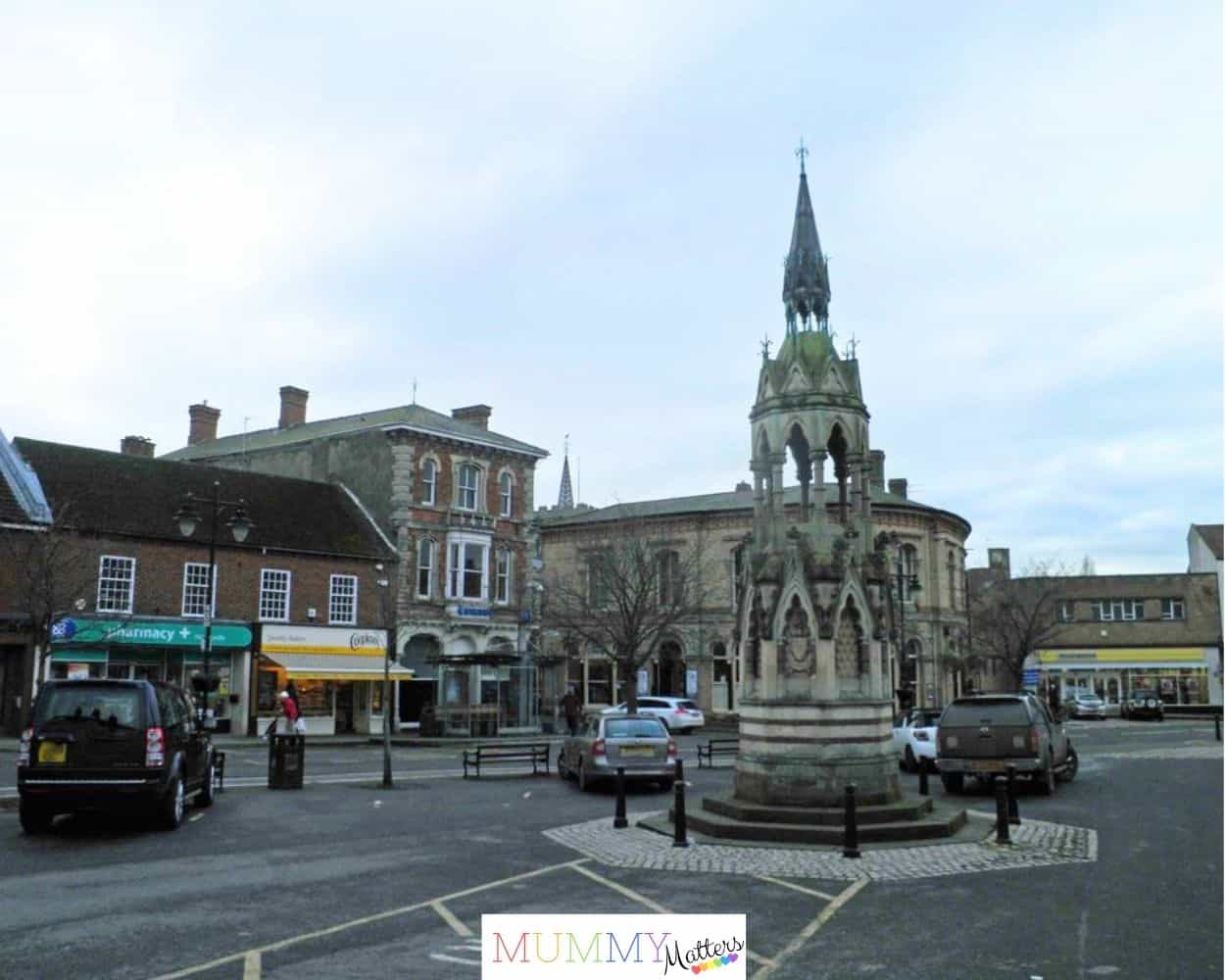
Having grown up in Alford, Horncastle was always a familiar place to me as we regularly passed through it on the way to Lincoln. I’ve stopped there occasionally over the years, including for the market, although it’s not somewhere I know as intimately as Alford, Louth or Lincoln.
That said, I can certainly see why Horncastle appeals to people looking for traditional Lincolnshire market-town life. Sitting on the edge of the Lincolnshire Wolds, it’s a relatively small town with plenty of history, independent businesses and a particularly impressive collection of antique shops.
Horncastle has held a market charter since the 13th century and markets are still very much part of town life today. Regular markets take place on Thursdays and Saturdays, with a farmers’ market joining them on the second Thursday of the month.
Amenities and Family Life
For a town of its size, Horncastle has a useful range of everyday amenities, including shops, pubs, healthcare, schools and a swimming pool. There are also numerous sports clubs, community groups and activities for children and adults.
If you enjoy getting outdoors, the location is particularly appealing. The Lincolnshire Wolds are right on the doorstep, while the traffic-free Spa Trail follows a former railway line between Horncastle and Woodhall Spa, providing a lovely route for walking and cycling.
There’s plenty of history here too. Parts of Horncastle’s Roman wall can still be seen, while the Sir Joseph Banks Centre celebrates the famous botanist and explorer who lived at nearby Revesby Abbey.
Transport and Getting Around
Like several of the smaller towns in this part of Lincolnshire, Horncastle doesn’t have a railway station, so that’s something to consider carefully if you rely on trains.
Bus services connect the town with surrounding areas, including Lincoln, Skegness and Woodhall Spa, and recent improvements have added more frequent connections between Horncastle and Woodhall Spa.
For me, though, this is another place where having a car would make everyday life considerably easier, particularly if you want to explore the Wolds or regularly travel further afield.
What Are the Downsides of Living in Horncastle?
The biggest compromise is transport. If commuting by train is important to you, Grantham, Stamford or Lincoln would make far more sense.
It’s also a small market town, so anyone wanting extensive shopping, nightlife or entertainment on their doorstep may find it too quiet. Lincoln is around 22 miles away, but that isn’t the same as having city amenities around the corner.
For someone actively looking for a slower pace of life, however, those things may be advantages rather than disadvantages.
My verdict: Horncastle isn’t somewhere I know quite as well as some of the other towns in this guide, so I can’t give it the same personal recommendation as Lincoln, Louth or Alford. However, its historic centre, markets, independent businesses and location beside the Lincolnshire Wolds make it well worth considering if traditional market-town living appeals to you.
Alford – Best for Small-Town Community Life
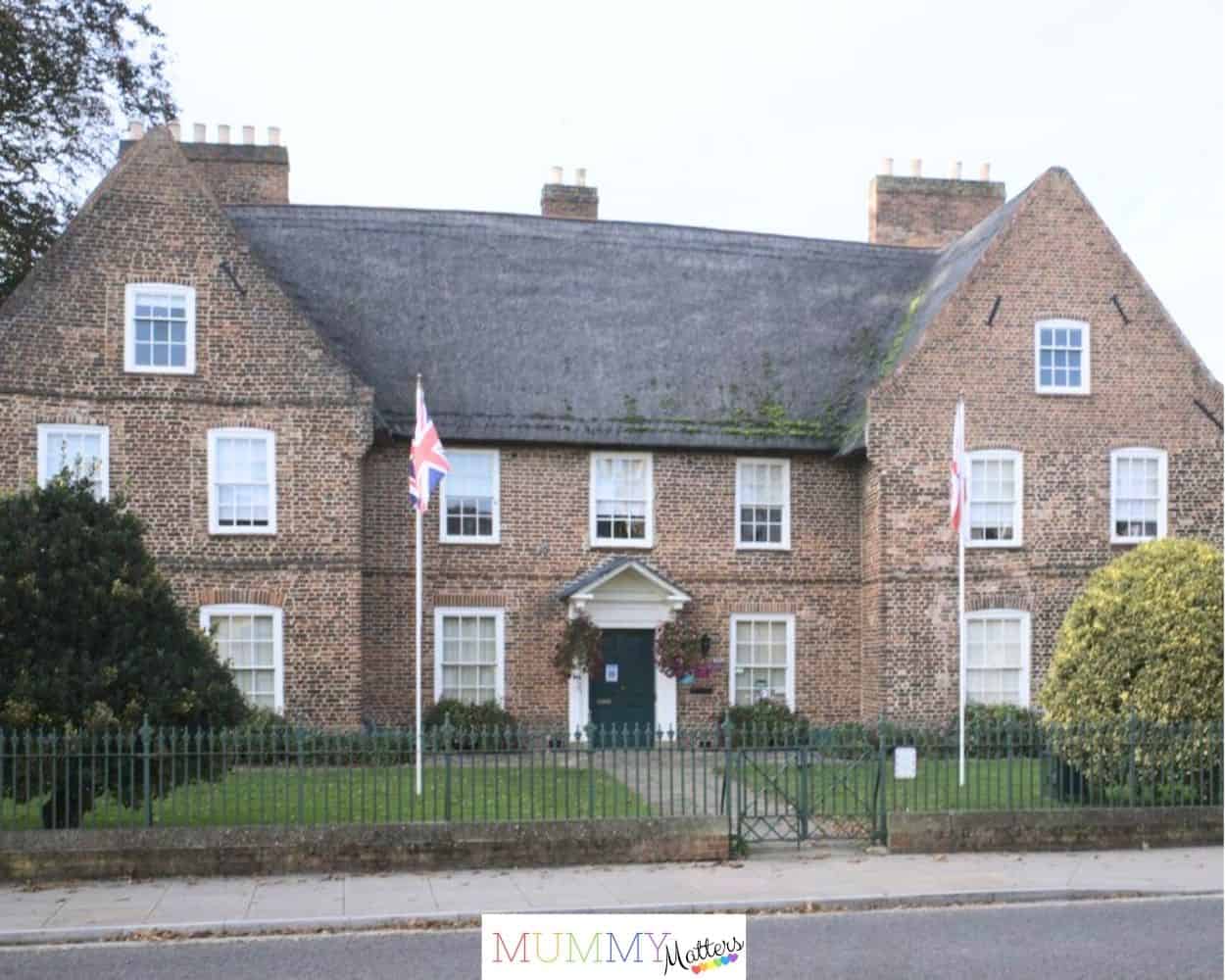
Alford will always be particularly special to me because it’s where I grew up. I lived on South Street from the day I was born until I eventually left Alford at 21. My Grandad was a mechanic at what was then Easton’s Milk Yard and we lived in the adjoining house, with a huge garden and apple trees that I spent far too much time climbing!
Growing up in Alford had that real small-town community feeling. I remember sitting on the wall beside our house, right next to one of the main roads through town, chatting to people as they walked past. You seemed to know someone wherever you went, but I never remember it feeling intrusive – people were friendly and looked out for one another.
One of my favourite memories is of St Wilfrid’s Church. Whenever there was a wedding, the bells would ring out and people would gather along the street to watch the wedding party arrive. It always felt like something special was happening. I was a bridesmaid for my Auntie there once and remember thinking how exciting it was that this time I was the one in the pretty dress with everyone watching us!
Growing Up in Alford
I attended Alford Primary School before going on to Queen Elizabeth’s Grammar School, and I still have family attending the grammar school today. When I was growing up, most of my extended family lived in Alford too, although gradually people began moving away and eventually I did the same.
My first experiences of working life were here as well. I started working at David’s supermarket when I was just 14 and later worked at Quantrell’s Solicitors before moving to Skegness.
Some of my happiest Alford memories are of Bank Holiday weekends and the Alford Craft Market. I loved wandering around the stalls in the Corn Exchange and grounds of Alford Manor House, but my favourite part was when the Morris dancers came to town. People would sit around the edge of the Market Place watching the different sides perform, and it always created such a brilliant atmosphere.
As I got older, Alford inevitably became a rather different place to me. My teenage years included nights in the local pubs – the Windmill and Half Moon were particular favourites – before I eventually left town at 21.
Another thing I loved about growing up in Alford was the freedom to get out into the surrounding countryside. I used to cycle for miles, sometimes on my own and sometimes with my Mum, heading through the villages around Alford and choosing different routes as we went. There were so many quiet roads and different ways to explore that it felt as though we could just keep going.
That’s something I still associate with this part of Lincolnshire – you’re never far from open countryside, and there are often several ways to get from one place to another. Even travelling between Alford and Skegness, we had three different routes we could choose from depending on where we fancied going that day.
What Is Alford Like Today?
Although I haven’t lived in Alford for many years, much of what gave the town its character remains. It’s still a small historic market town with the Manor House, Corn Exchange, St Wilfrid’s Church and its distinctive five-sailed windmill all forming part of the town’s identity.
Alford also sits in a lovely position for exploring this part of Lincolnshire. The Lincolnshire Wolds are nearby, while the coast at places such as Sutton-on-Sea and Mablethorpe is within easy reach.
For families, there are primary and secondary education options in the town, including Queen Elizabeth’s Grammar School. There are also everyday shops and services, although anyone moving from a larger town or city should expect a much smaller choice of shopping and entertainment.
Transport and Getting Around
Alford doesn’t have a railway station, and this is one of the practical drawbacks of living here. Bus services connect the town with surrounding areas, but I’d consider having a car particularly useful if you were living in Alford today.
On the positive side, the town itself is compact. Growing up there, so much of everyday life was within walking distance, which is something I probably didn’t appreciate properly until I was older.
What Are the Downsides of Living in Alford?
The obvious compromise is that Alford is small. If you want extensive shopping, nightlife, frequent public transport or easy rail commuting, somewhere such as Lincoln or Grantham is going to suit you much better.
And inevitably, the Alford I remember from my childhood isn’t exactly the same place today. Towns change, communities change and I’ve been away for many years, so I wouldn’t pretend my childhood experience tells you everything about living there in 2026.
But I think that’s also why I’d encourage anyone considering Alford to spend some proper time there rather than simply looking at statistics online.
My verdict: I’m undoubtedly biased when it comes to Alford because it was home for the first 21 years of my life. But when I think about growing up there, I remember apple trees, wedding bells, Bank Holiday craft markets, Morris dancers and always seeing a familiar face when I walked into town. It gave me a lovely place to grow up, and that’s why I couldn’t write a guide to the best places to live in Lincolnshire without including it.
Skegness – Best for Coastal Living and a Lively Social Scene
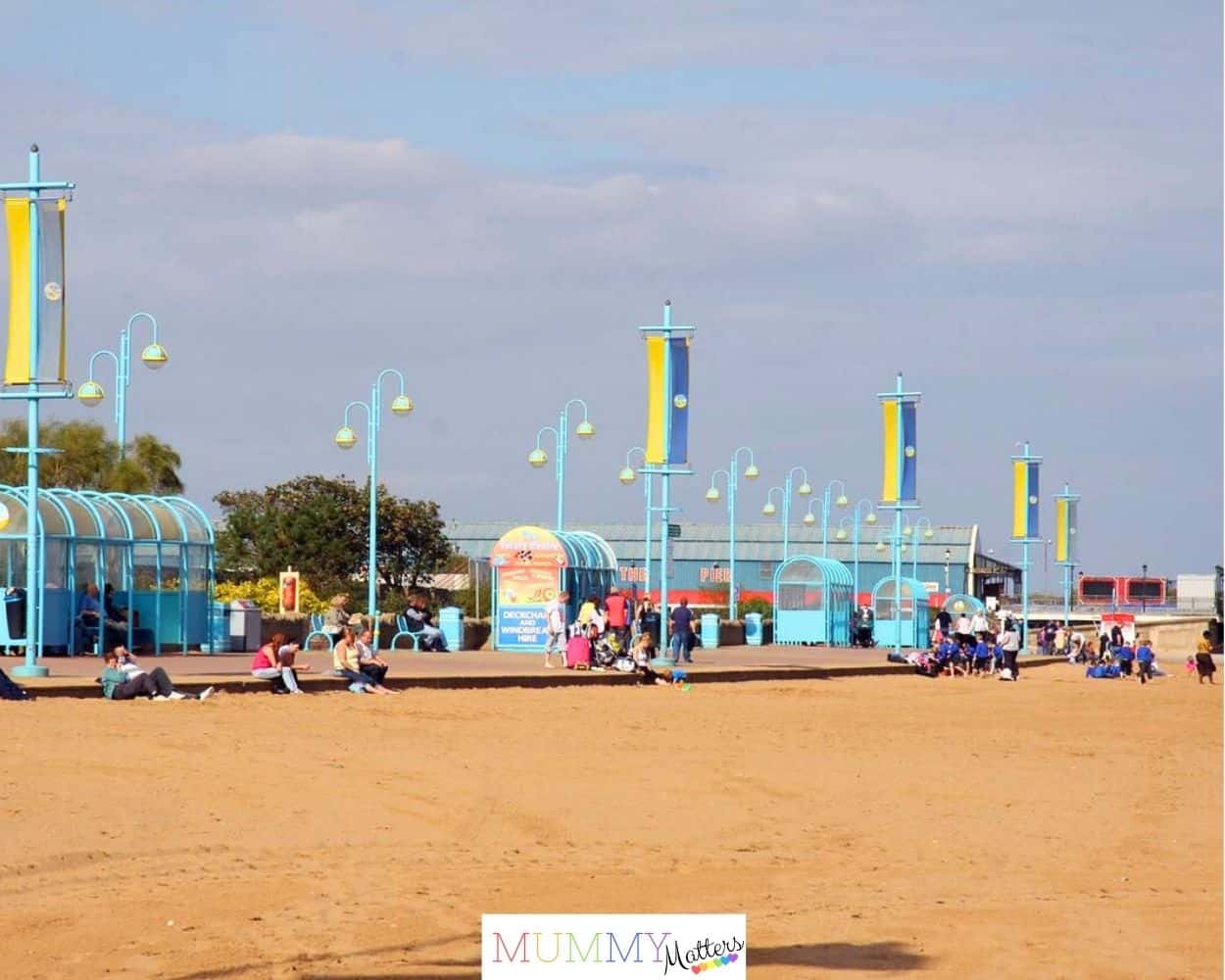
After leaving Alford at 21, I moved to Skegness and ended up living there for around seven or eight years. It was the perfect place for that stage of my life and I have some really happy memories of living there.
One thing I particularly liked was how easy it was to get around. Both of the houses I lived in were towards the outskirts of Skegness – one on the Ingoldmells side and the other towards Burgh le Marsh – yet I could still walk into town, to the shops, to work or, perhaps most importantly in my twenties, home after a night out!
There was always somewhere to eat, drink or meet friends, as well as the cinema, beach and fairground. I had lots of friends living locally at the time, so my years in Skegness involved plenty of socialising. And if we fancied something different, Ingoldmells was just up the road, with Butlin’s and Fantasy Island making it very easy to become a holidaymaker in your own backyard for the day.
Summer Skegness Versus Winter Skegness
Living in Skegness is quite different from visiting for a day at the seaside, and perhaps the biggest thing to understand is how much the town changes with the seasons.
Summer was obviously much busier. If I was driving to work, I had to think about my route and timing because the roads could become very congested with holiday traffic. That’s something I’d definitely factor in if I were considering moving there today.
Winter, though, felt completely different. Once the main holiday season had finished, Skegness became much more of a “locals’ town”. Familiar faces would reappear after a busy summer spent working or being away, and I remember it as a really friendly, sociable place.
I particularly loved Bank Holiday weekends and Christmas and New Year. There was always a good atmosphere, and for someone aged 21 to 28 who enjoyed going out and spending time with friends, Skegness suited me perfectly.
Everyday Life in Skegness
Of course, there is much more to living in Skegness than nightlife and the seafront. It’s a sizeable coastal town with supermarkets, shops, schools, healthcare, leisure facilities and a railway station, so you have many of the everyday services you need without having to travel elsewhere.
The beach is an obvious advantage, particularly if you love being beside the sea, while the wider Lincolnshire coast gives you plenty of options for days out and walks. Ingoldmells is close by, and quieter stretches of coastline are within easy reach when you want to escape the main resort.
Another potential advantage I’ve noticed more recently is the opportunity for teenagers to find part-time work. My best friend’s son lives in Skegness and has worked pretty much continuously since he was around 15, with jobs available within walking distance of home.
That’s been quite a contrast to my own children’s experience. Where we live now, there aren’t many local businesses that employ younger teenagers, while many of the bigger employers further afield seem to recruit from 18. In a busy tourist town like Skegness, the sheer number of cafés, restaurants, shops, attractions and hospitality businesses can potentially create more opportunities for young people looking for their first part-time or seasonal job.
Of course, that doesn’t mean every teenager will find work easily, but it’s something I hadn’t really appreciated about growing up in a tourist area until I compared our experiences.
Transport and Getting Around
Unlike several of the smaller towns in this guide, Skegness has its own railway station. Rail services connect the town inland towards Boston, Sleaford, Grantham and Nottingham, although journeys to larger cities can take considerably longer than they would from somewhere such as Grantham or Stamford.
Driving is straightforward outside the busiest periods, but summer traffic is a genuine consideration. The difference between a journey in February and the same journey on a sunny August Bank Holiday can be considerable.
What Are the Downsides of Living in Skegness?
The seasonality won’t suit everyone. Summer brings visitors, traffic and crowds, while winter is much quieter. Depending on your personality, either of those could be a positive or a negative.
Employment is another factor I’d investigate carefully before moving, particularly if your work is connected to tourism or hospitality, where seasonal patterns can matter.
And while Skegness has plenty of everyday amenities, anyone needing frequent access to a major city or fast rail services to London would probably be better placed elsewhere in Lincolnshire.
My verdict: I loved living in Skegness, but I also think the stage of life I was at played a big part in that. From 21 to 28, with lots of friends nearby and a very active social life, it was perfect for me. I could walk almost everywhere, there were plenty of places to eat, drink and socialise, the beach was on my doorstep and there was always something going on.
I wouldn’t assume that living in a seaside resort is the same as being permanently surrounded by holidaymakers either. Some of my favourite memories are actually of winter, when Skegness settled back into being a friendly local town. If coastal living appeals to you, I’d certainly put it on the list – but I’d recommend visiting in both August and January before deciding whether it’s the right place for you.
Other Good Places to Live in Lincolnshire
The places above are those I particularly wanted to highlight, either because I know them personally or because I think they offer something distinctive. But Lincolnshire is a large county, and there are several other towns worth considering depending on your priorities.
Grantham – Best for Commuters
Grantham isn’t one of the Lincolnshire towns I know particularly well. I’ve visited over the years, mainly for the occasional hospital appointment with my children, and we always enjoy visiting nearby Belton House, but my reason for including Grantham here is much more practical.
If regular travel to London is important, Grantham has a considerable advantage over many other parts of Lincolnshire. Its position on the East Coast Main Line means trains to London King’s Cross can take around 1 hour 12 minutes to 1 hour 22 minutes, while Peterborough is around half an hour away by train. There are also useful connections towards Nottingham and other destinations.
That makes Grantham particularly worth investigating if you like the idea of living in Lincolnshire but don’t want to give up relatively easy access to London.
Bourne – Best for a Smaller South Lincolnshire Market Town
Bourne is another option for people who prefer a smaller market town to city living. Sitting on the edge of the Lincolnshire Fens, it has a traditional town centre, independent businesses and plenty of green space nearby.
Wellhead Gardens provides 21 acres of parkland and waterways close to the centre, while Bourne Woods has around 400 acres to explore on foot or by bike. The surrounding area also puts you within reach of places such as Stamford and Grimsthorpe Castle.
The main compromise is transport. Bourne doesn’t have its own railway station, so I’d think carefully about commuting and how much you are prepared to rely on a car before choosing it over somewhere such as Stamford or Grantham.
Sleaford – Best for a Practical Market-Town Base
Sleaford is worth considering if you’re looking for a traditional Lincolnshire market town with better rail connections than some of the county’s smaller rural locations.
It has its own railway station, a historic town centre and everyday shops and services, alongside places such as The Hub, Navigation House and Cogglesford Watermill. The River Slea and Sleaford Navigation also provide walking routes close to town.
I don’t know Sleaford well enough personally to recommend it in the same way I can Lincoln, Alford, Louth or Skegness, but on practical grounds it deserves a place on the shortlist – particularly for someone who wants market-town living without being completely dependent on a car.
Frequently Asked Questions About Living in Lincolnshire
Where is the best place to live in Lincolnshire?
If I had to choose one place overall, I’d probably choose Lincoln. It offers the best balance for me personally, with history, culture, shopping, restaurants, nightlife and everyday amenities, while still having the Lincolnshire countryside within easy reach.
That doesn’t necessarily make it the best choice for everyone. I’d consider Stamford for historic market-town living, Louth for access to the Wolds, Woodhall Spa for a quieter lifestyle, Skegness for coastal living and Grantham if regular rail travel to London is a priority.
Is Lincolnshire a nice place to live?
I certainly think so. I’ve lived in Lincolnshire all my life and it has been a lovely place both to grow up and to raise my own family.
The combination of countryside, coastline, historic towns and open space is one of its biggest attractions for me. The trade-off is that Lincolnshire is very rural in places, so public transport and access to larger cities aren’t equally good across the county.
What are the best places to live in Lincolnshire for families?
There isn’t one answer because families prioritise different things. Lincoln offers lots of amenities and activities, Stamford combines a smaller-town atmosphere with useful transport connections, while places such as Louth, Alford and Woodhall Spa may appeal to families looking for a quieter lifestyle.
If you’re moving specifically for schools, I wouldn’t choose a town based on reputation alone. Check current Ofsted information, admissions criteria and catchment areas for the individual schools you’re considering before choosing a property.
What are the best villages to live in Lincolnshire?
Lincolnshire has some beautiful villages, particularly around the Lincolnshire Wolds. Tealby, near Market Rasen, is one of the best-known examples, with its picturesque setting, historic buildings, community-run shop and the Viking Way passing through the village.
However, village life in Lincolnshire can mean fewer shops, limited public transport and greater reliance on a car. I’d recommend spending time in any village you’re considering and trying the journey to work, school and your everyday amenities before deciding.
Where is the best place to live in Lincolnshire for commuting to London?
Grantham is one of the strongest options if London commuting is a priority because of its position on the East Coast Main Line and fast services to London King’s Cross.
Stamford can also work well if you’re happy to travel via nearby Peterborough. If frequent London travel is going to be part of your life, I’d put transport connections much higher up your priority list than choosing the prettiest Lincolnshire town.
Is Lincolnshire an affordable place to live?
It depends enormously on where you choose. Property costs can vary significantly between different parts of Lincolnshire, so it’s difficult to describe the whole county as either cheap or expensive.
As an example, Lincoln itself can still compare favourably with many larger English cities: the average house price in Lincoln was around £183,000 in June 2026. However, desirable locations such as Stamford can command considerably higher prices.
If affordability is one of the main reasons you’re considering moving to Lincolnshire, compare current property prices in several different areas rather than assuming prices will be similar across the county.
Final Thoughts: Finding Your Place in Lincolnshire
I’ve lived in Lincolnshire all my life and, despite moving around within the county, I’ve never really felt the urge to leave it behind.
The only places we’ve ever seriously talked about moving to are Cornwall or Devon – two parts of the country we absolutely love. But our family connections are here in Lincolnshire, so instead we enjoy our holidays down south and come home again.
And I’m happy with that.
Lincolnshire has given me a lovely place to grow up and, years later, a lovely place to raise my own family. From my childhood in Alford and my twenties in Skegness to working in Lincoln and countless days spent exploring places such as Louth, Stamford, Woodhall Spa and Horncastle, different parts of the county have been woven into different stages of my life.
That’s probably why I find it impossible to name one universally “best” place to live in Lincolnshire.
If I were choosing for myself today, Lincoln would probably be at the top of my list. But someone dreaming of a beautiful historic market town might choose Stamford, while another person might feel completely at home among the independent shops and countryside around Louth. Woodhall Spa offers something quieter, Skegness gives you life beside the sea, and little Alford will always have a particularly special place in my heart.
My biggest piece of advice would be to spend time in the places you’re considering before you move. Visit on an ordinary Tuesday as well as a sunny Saturday. Try the commute. Walk around the town centre. Explore the residential streets, check the schools and shops, and see how far you’d need to travel for the things that matter to you.
Because statistics can tell you a lot about an area, but they can’t tell you whether somewhere feels like home.
After a lifetime in Lincolnshire, this still feels like home to me.