
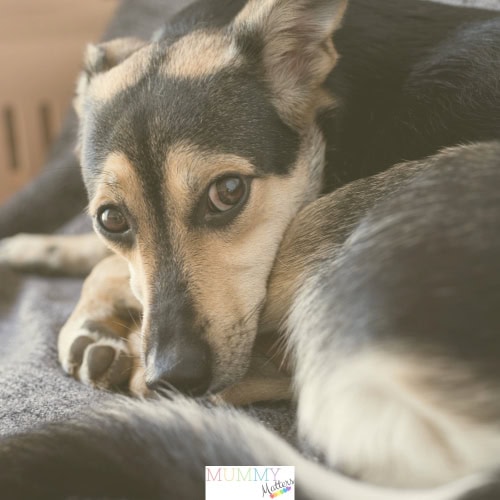
Dogs often lick their paws as part of their daily routine. It can seem harmless at first, especially after walks or grooming sessions. Many owners assume it is just a normal habit.
However, frequent or intense licking can signal discomfort. It may point to irritation, pain, or even behavioral issues. When this habit becomes repetitive, it deserves closer attention. Small changes in behavior often reveal bigger concerns. Paying attention early can help keep your dog comfortable and prevent further issues.
Below are six important reasons every dog owner should know about paw licking.
Is Paw Licking Normal in Dogs?
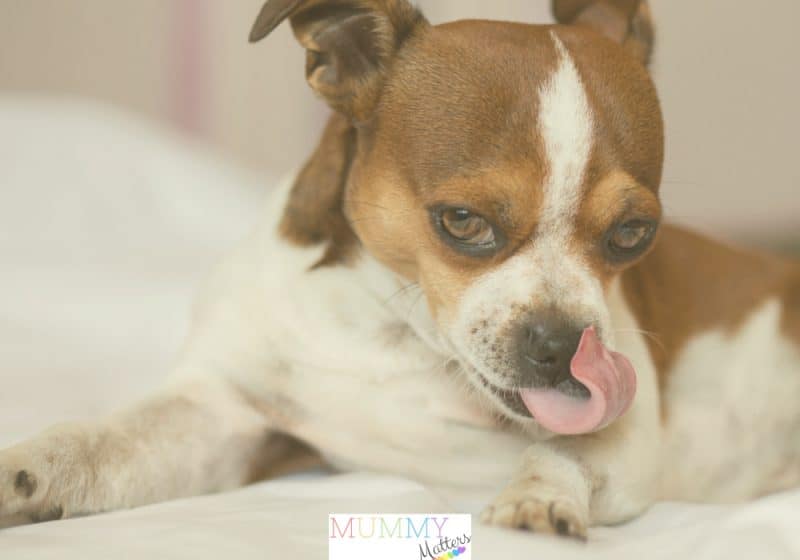
Occasional paw licking is completely normal. Dogs use it to clean dirt or remove small debris after being outside. It is part of their natural grooming behavior.
The concern begins when licking becomes constant. You may also notice redness or damp fur around the paws.
A closer look at why do dogs lick their paws shows that the behavior often goes beyond simple grooming. It can be linked to allergies, skin irritation, or even underlying pain that needs attention.
Excessive licking is often triggered by itchiness, inflammation, or discomfort in the paw area, as explained by MedcoVet. These triggers can build over time, which is why the behavior may appear gradually before becoming persistent.
1. Allergies
Allergies are one of the most common causes of paw licking. Dogs can react to environmental factors like pollen, grass, dust, or mold. Food sensitivities may also trigger similar reactions.
When allergens come into contact with the paws, they can cause itching and irritation. Dogs respond by licking the area to find relief. This behavior may provide temporary comfort but can worsen irritation over time.
You may notice redness between the toes, swelling, or frequent licking after outdoor activity. Some dogs may also chew their paws or develop inflamed skin. Managing allergies often involves limiting exposure and keeping paws clean.
2. Injuries or Pain
Even small injuries can cause noticeable discomfort. Cuts, splinters, or burns from hot surfaces may not always be easy to spot. Dogs may continue to walk normally even while in pain.
Licking becomes a natural response to soothe the affected area. However, repeated licking can slow the healing process and increase the risk of infection.
Dogs may favor one paw or show slight limping. These signs often appear alongside frequent licking. Regularly checking your dog’s paws helps detect issues early. Prompt care can prevent minor injuries from becoming more serious problems.
3. Parasites
Parasites such as fleas, ticks, and mites can irritate the skin around the paws. These pests often cause intense itching, which leads to persistent licking or chewing.
Dogs may focus on one specific area where the irritation is strongest. Over time, this can result in redness, hair loss, or even small sores.
The discomfort caused by parasites may increase during certain seasons. This makes regular prevention and grooming especially important. Keeping your dog’s coat clean and using preventive treatments can help reduce the risk.
4. Dry Skin
Dry skin can make the paws feel tight, rough, or uncomfortable. Changes in weather, especially cold or dry conditions, can reduce skin moisture levels.
Dogs may lick their paws to relieve dryness. While this may seem helpful, it can lead to further irritation if the skin becomes overly moist or sensitive.
You might notice cracked paw pads, flaking skin, or a dull texture around the paws. These signs often appear gradually and can worsen without proper care. Providing proper hydration and using paw-friendly moisturizers can help maintain healthy skin.
5. Anxiety or Stress
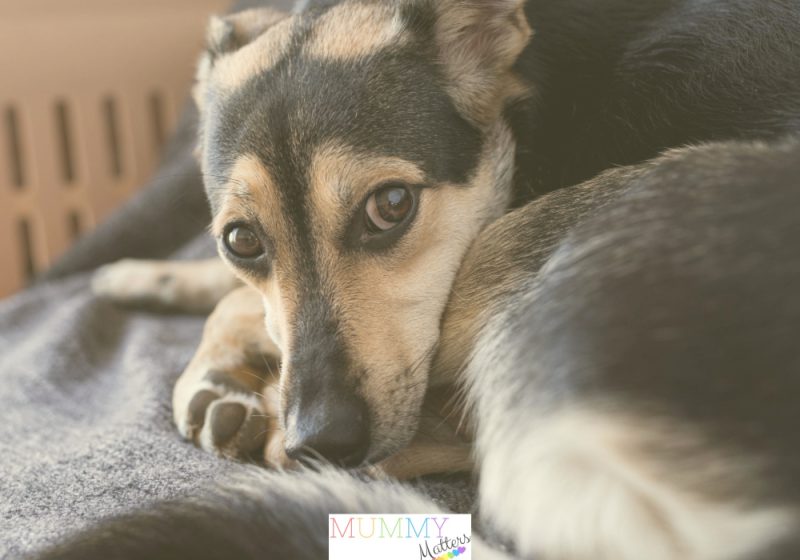
Paw licking is not always linked to physical discomfort. Emotional factors such as stress, boredom, or lack of stimulation can also trigger this behavior.
Dogs may develop repetitive habits when they feel anxious or restless. Licking becomes a way to calm themselves and manage their emotions.
This behavior may increase when a dog is left alone for long periods or lacks daily activity. It can also become more noticeable during changes in routine. Providing regular exercise, mental stimulation, and a stable routine can help reduce stress-related habits.
6. Infections and Joint Pain
Bacterial or fungal infections can develop when paws remain moist for extended periods. These infections often cause redness, swelling, and a noticeable odor. Dogs may lick more frequently as irritation increases.
Repeated licking can worsen the infection, creating a cycle that becomes harder to manage. You may also notice discoloration or sensitivity around the affected area.
Joint discomfort can also lead to paw licking. Dogs may focus on areas near joints to ease pain or stiffness. This is more common in older dogs or those with mobility concerns.
Conclusion
Paw licking in dogs can have many causes, ranging from simple grooming to underlying health concerns. Paying attention to patterns helps you respond early. Consistent care, observation, and timely support can keep your dog comfortable. Small actions can make a big difference in maintaining healthy paws and overall well-being. Regular checkups and proper care routines can further help prevent issues from developing.