

“What are calming toys for ADHD, and do they really help?”
Children (and adults) with ADHD often experience internal restlessness, sensory seeking, and difficulty sustaining attention. Many instinctively fidget (twirl hair, tap fingers, bounce legs) as a way to self-regulate. Some therapists and behavioural specialists suggest that purposeful sensory toys or fidget toy tools can provide a safer, less disruptive outlet for that energy, helping the child remain calm and focused.
Recent research has shown mixed results. Some studies suggest that fidgeting may aid sustained attention (in adults) by keeping arousal at an optimal level. PMC Others are more cautious: the use of fidget spinners in classroom settings, for example, has been linked to decreased attention or distraction over time. Verywell Mind. That said, these tools are not one-size-fits-all: their effectiveness often depends on the child, context, and how they are used.
So, when selecting a toy for ADHD or calming sensory tool, it’s important to balance the potential benefits against possible downsides (distraction, noise, novelty wearing off). With that in mind, here’s a guide to choosing and using calming toys for children and teens (and sometimes adults) with ADHD.
Calming Toys and Fidget Toys for ADHD — What to Look For
When selecting ADHD toys or sensory toys, keep these principles in mind:
- Discrete / non-distracting: quiet, minimal visual flash or lights
- Tactile / sensory feedback: something to touch, squeeze, press, twist
- Portable: small enough to carry or keep in a pocket
- Safe / durable: no small parts for young children, robust materials
- Variety & rotation: rotating toys helps avoid habituation
- Context-appropriate: what works in class vs. home vs. car
- Child preference: Some will prefer stretchy putty, others like clickers or rollers
Below are categories and examples, organised by age and use case.
Sensory & Palpable Tools for Young Children (Ages 4–8)
At younger ages, the sensory and tactile dimensions are strong. These calming toys help provide sensory stimulation without being visually overwhelming.
- Stress ball / squishy / soft squeeze toy: simple, quiet, effective. Useful in quiet times or under the desk.
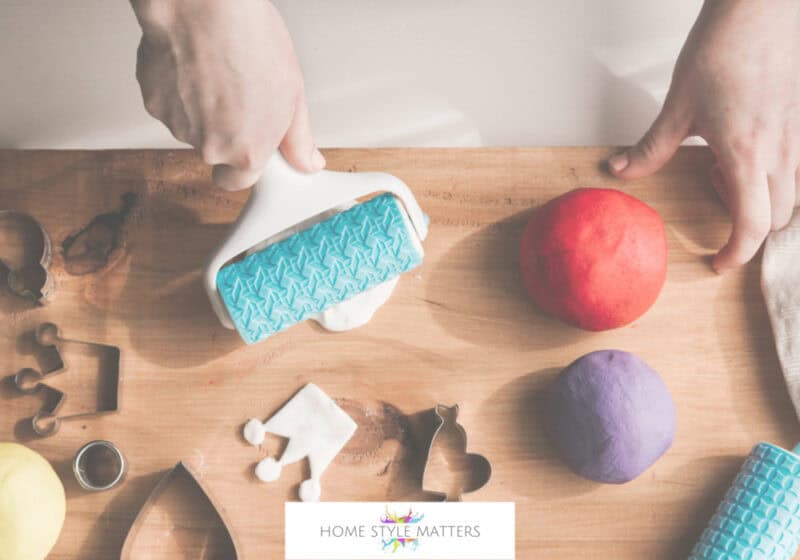
- Therapy putty / modelling clay: bend, stretch, mould. Quiet and discreet.
- Tactile / textured fidget: e.g. soft silicone bubbles, ridged rollers (noisy bits hidden)
- Tangle toys / twist-and-turn fidgets: non-electronic, silent manipulations
These types of sensory toy tools let younger children channel restlessness in a controlled way without distracting others.
Fidget Toy Options for Older Children & Teens
As children grow, their motor skills, preferences, and attention demands change. Here are more options:
- Fidget cube / multi-action fidget: with buttons, switches, dials etc.
- Fidget spinner: rotating gadget (but use with caution—some studies report negative attention effects)
- Fidget keychain / mini clickers: for portability
- 3D printed fidget / custom fidget: bespoke designs suited to personal preference
- Weighted toys / mini weighted lap pad / weighted blanket for calm moments
- Roller / fidget roller: smooth rolling motion
- Sensory chew / oral chew necklace: for kids who also seek oral input
- Fidget toy pack / kit: a mix so the child can choose what suits them that day
When using these, the key is moderation and context. A flashy spinner may distract during homework, but might help in waiting rooms. Rotating the set helps reduce novelty fade.
Mindfulness Toys for Teens & Adults (and “Overflow” Usage)
Older kids, teens, and even adults with ADHD can benefit from well-chosen fidget toys for stress relief or toys for adults:
- Slim fidget clicker tool (no lights)
- Portable fidget roller
- 3-in-1 fidget devices combining click / roll / spin
- Silent tactile fidget (e.g. soft silicone, silent buttons)
- Therapy putty / modelling compound
- Weighted lap pad / wrap for deep pressure
- Sensory chew / chewable pen cap for discreet oral input
Teens and adults often prefer something subtle, so it doesn’t call attention in meetings, study groups, or public spaces.
Best Fidget Toys for ADHD Kids & How to Use Them Wisely
Here are tips to turn toys into tools rather than distractions:
- Introduce with clear rules — Explain that it’s a tool to calm or refocus, not a toy to play with constantly.
- Limit usage time — they might start to distract if overused or become boring.
- Rotate toys — swap them in and out so novelty remains.
- Observe response — if attention drops, it might be the wrong type or noisy.
- Use in pairs with breaks — e.g. 20–25 minutes homework + 5 min fidget time
- Match type to situation — quiet hands-on tools for class; more movement-based ones in downtime
- Avoid overly visual or lighted gadgets — these can pull eyes away from work.
- Combine with other supports — organisational tools, breaks, movement, structure
Because the evidence is mixed, it’s wise to treat these as one piece of a broader ADHD support plan.
Evidence & Caveats — What Research Tells Us
To maintain authority and trustworthiness, here’s a look at what the research says about fidget toys and calming sensory tools in ADHD:
- Some longitudinal and adult studies suggest fidgeting may support attention, possibly by maintaining arousal. PMC
- Small classroom studies (e.g. with spinners) found that spinners sometimes reduced disruptive movement and increased “on-task” behaviours, at least initially — but attention gains were not sustained and in some cases attention worsened.
- More extensive research warns that tools like fidget spinners may harm academic performance if used ubiquitously or in distracting ways. ScienceDirect
- Reviews note that fidget toys are not a replacement for core ADHD therapies — medication, behavioural supports, structure, and coaching.
- Sensory tools are more anecdotal in evidence, but clinical practice supports their use as adjunctive support in sensory processing / self-regulation frameworks. brownhealth.org
Because of this nuanced evidence, in your article, you’ll want to emphasise: these tools may help some children, in the right way and context, but are not magic cures.
Choosing the Right Sensory Toy for Your Child (Age-by-Age Tips)
Here’s a breakdown:
| Age group | Key needs / challenges | Suitable Sensory toys | Tips & cautions |
|---|---|---|---|
| 4–8 years | strong sensory drive, fine motor still developing | stress balls, soft squeezies, modelling putty, tactile fidgets | Ensure no choking hazards, supervise during use |
| 8–12 years | more demand on sustained focus, greater variety | fidget cube, silent clickers, chewables, weighted small tools | Monitor distraction; rotate toys |
| 12–16+ years | social awareness, self-regulation, study tasks | subtle fidget clickers, portable rollers, putty, quiet tactile fidget | Choose low profile toys for school, teach self-limits |
| Teens / Adults | mental workload, meetings, stress | silent fidget devices, 3-in-1 fidgets, weighted wraps, chewables | Privately test and adjust; avoid toys that draw attention |
Because each child is unique, a period of trial and error is expected.
Safety, Practical Tips & Use in Daily Life
- Always check for small parts / choking risk, especially for younger children
- Noise / visual distraction: test toys in a classroom or quiet environment
- Hygiene: some toys (silicone, putty) get dirty — clean regularly
- Rule setting: e.g. “Only one fidget at a time,” or “Take out only when needed”
- Track results: note whether the toy improved calm, focus, or was a distraction
- Combine with sensory breaks / movement: a short walk, stretch, deep breathing
- Collaborate with teachers / therapists: ensure the tool supports, not undermines, learning
Summary & Caring Advice for Parents
- Calming toys / fidget toys can be helpful tools for many children with ADHD, but they are adjuncts—not replacements—for structured supports.
- Because evidence is mixed, encourage experimentation in small doses and observe your child’s response.
- Prioritise quiet, tactile, non-distracting toys, and rotate them to maintain novelty.
- Use clear rules, monitor usage, and collaborate with educational or therapeutic professionals.
- Remember: each child is unique. The goal is supporting self-regulation, not just distraction.