
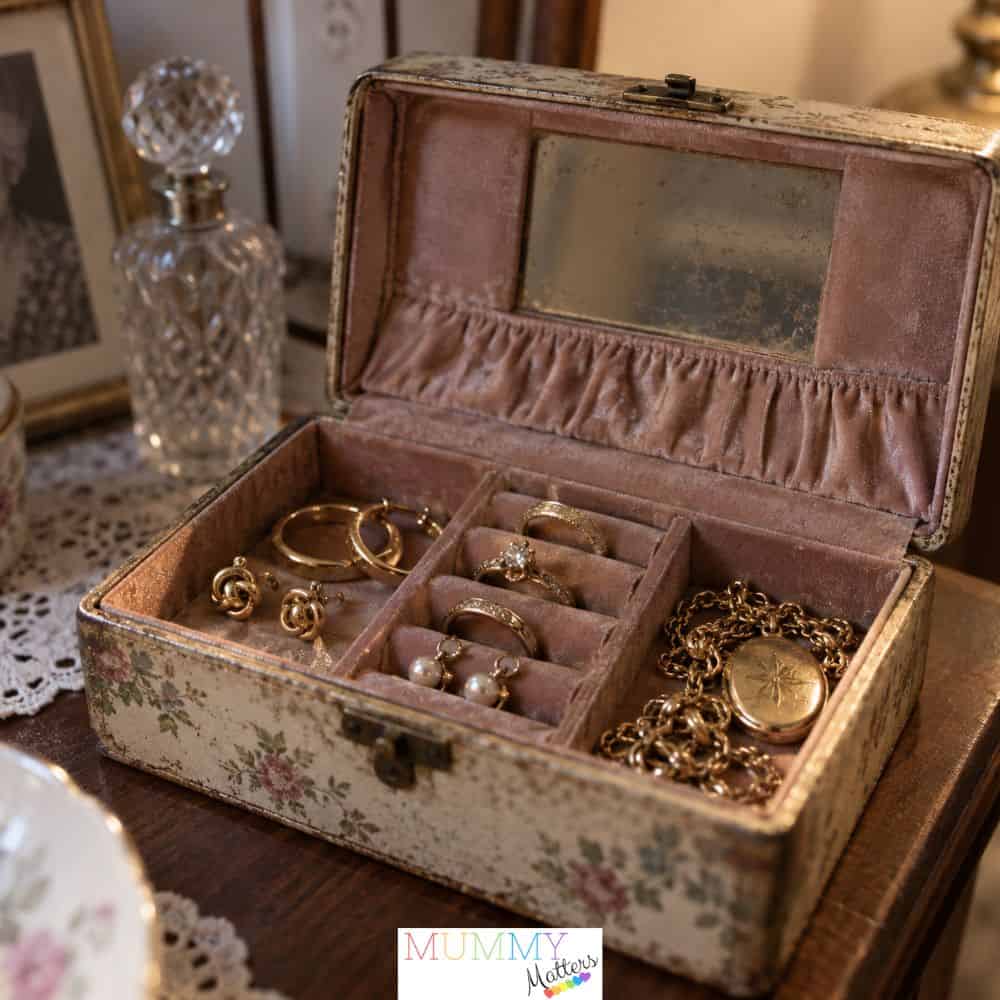
That forgotten jewelry box tucked away in a drawer might be holding more than just memories. For many of us, it’s a small treasure chest of single earrings, broken chains, and rings that have fallen out of fashion. While these items might not see the light of day, they possess a hidden value that can be unlocked. Turning this clutter into cash is a surprisingly simple way to boost your savings, pay off a nagging bill, or fund a little something special for your family.
Decluttering for Financial Gain

We all tend to collect old jewelry we don’t wear anymore. Maybe it was a gift that wasn’t quite your style, a piece passed down from a relative, or just the bits of a necklace that broke years ago. Instead of letting these items gather dust, you can actually turn them into a financial opportunity. Sorting through your old accessories does more than just tidy up your dresser; it helps you see what you have and find pieces that could become cash.
Think about that tangled chain, the single gold earring whose partner is long gone, or the chunky bracelet that hasn’t fit your style in a decade. Even though you can’t wear them, these items are often made of precious metals. By gathering them up, you’re not just decluttering your home, but also collecting assets that can be sold for their material value.
What ‘Scrap Gold’ Really Means
When you hear “scrap gold,” it might sound like worthless junk, but it’s really just any gold item valued for its raw metal content, not its design or brand name. This includes a wide range of things you might have lying around, like broken jewelry, dental gold, or even old gold coins you’re not interested in collecting. The value comes from the gold’s weight and purity itself.
Once you’ve gathered these pieces, the next step is to find a reliable service where you can sell your scrap gold and get a fair price. Good buyers offer straightforward processes, often with an online calculator to estimate your items’ worth before you even send them in. This transparency helps you understand what your collection is worth and makes sure you’re making a smart financial move.
Is Your Old Jewelry Worth Selling?
Figuring out if your old jewelry is valuable enough to sell is probably easier than you think. Start by looking for small markings called hallmarks. These stamps tell you how pure the item is. For gold, you might see numbers like 375 (9 karat), 585 (14 karat), or 750 (18 karat). The higher the number, the purer the gold, and the more valuable it is. Understanding gold purity through these karats is key to estimating its worth. Gold and premium jewelry can also be viewed as assets that retain value, which makes it worth taking a closer look at pieces you may have overlooked.
While some pieces might be worth more because of a designer name or large, high-quality gemstones, most broken or outdated items are valued based on their metal content. Don’t write off small or damaged pieces; even a few grams of gold can really add up. If you’re not sure, it’s always worth getting an estimate. Many services will value your items for free, so you have nothing to lose by finding out.
Maximizing Your Return
To get the most money for your old jewelry, a little preparation goes a long way. Start by separating your items by metal type if you can. Keep gold with gold and silver with silver. If you can identify the different karats from the hallmarks, it’s also helpful to group them.
Give your items a gentle cleaning with a soft cloth to remove any dirt or dust, but avoid using harsh chemicals that could damage the metal. When you’re ready to sell, be realistic about the value. You’re selling the item for its weight in precious metal, not its original retail price. The price you paid in the store included costs for design, craftsmanship, and branding, which aren’t part of the scrap value.
Reinvesting Your Newfound Funds
Selling old jewelry can give you a nice financial boost, and deciding how to use that money is an exciting next step. Instead of letting it just disappear into daily spending, think about using it to reach a specific financial goal. This unexpected windfall is a perfect chance to kick-start an emergency fund, giving you a safety net for unexpected expenses.
Another idea is to use the money to pay down high-interest debt, like a credit card balance. This saves you money on interest payments in the long run. You could also put it toward a specific savings goal, such as a family vacation or a down payment on a new car. For those looking at the bigger picture, there are many ideas for reinvesting small windfalls that can help the money grow over time.
That clear-out you’ve been putting off could be the first step toward reaching a financial goal. It all starts with opening that old jewelry box and seeing what opportunities you can find inside.