
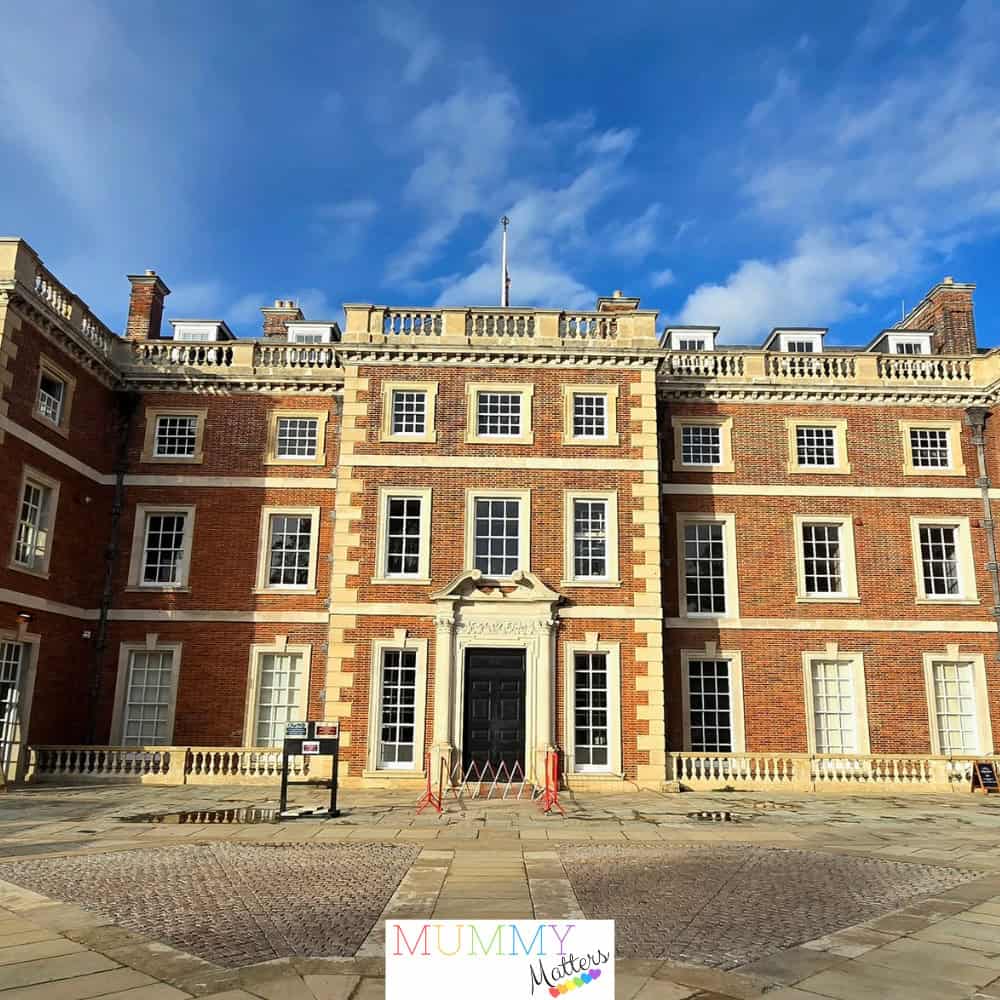
We were invited to visit Trent Park House of Secrets as guests of the museum. As always, all opinions and experiences shared are entirely our own.
Have you ever visited somewhere and wondered how on earth you had never heard of it before? That was exactly how I felt after our recent family visit to Trent Park House of Secrets in North London.
Simon, Ollie, Albie and I have always enjoyed discovering places with interesting histories. We previously visited Bletchley Park and found the stories of the secret intelligence operations during the Second World War fascinating, so Trent Park House sounded like somewhere we would enjoy.
The difference was that none of us knew anything about Trent Park House before our visit. In fact, I was rather surprised that somewhere with such an important wartime history had completely escaped my attention.
It wasn’t until we arrived that I discovered the museum had only opened to the public on 21st July 2026, which explained a lot!
What followed was a fascinating couple of hours learning about an extraordinary British intelligence operation, the people who made it possible and a beautiful historic house that has witnessed two very different chapters of British history.
If you’re looking for an interesting family day out in London, particularly with older children or teenagers, I think Trent Park House deserves a place on your list.
What Is Trent Park House of Secrets?
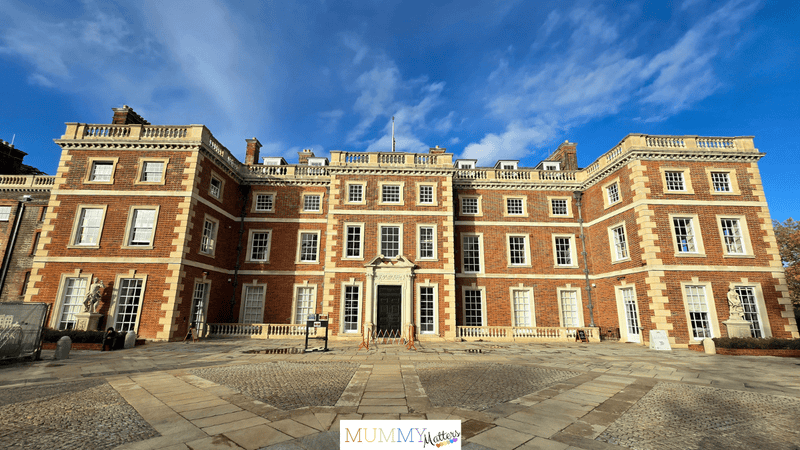
Trent Park House of Secrets is a museum in Enfield, North London, set within the beautiful grounds of Trent Country Park.
Although the house has a long and fascinating history, the museum focuses on two particularly interesting periods.
The first is the glamorous world of Sir Philip Sassoon, a wealthy politician and socialite who entertained some of the most famous and influential people of the 1920s and 1930s.
The second, and perhaps most surprising, is the house’s secret role during the Second World War.
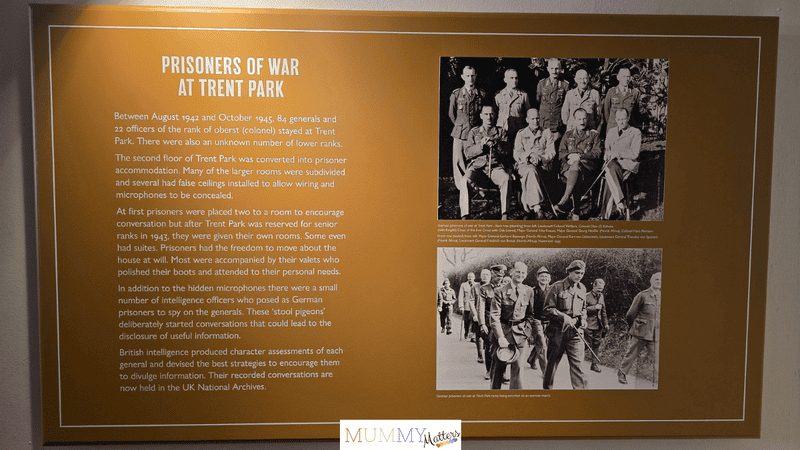
Trent Park became a detention and intelligence centre for high-ranking German prisoners of war, including captured generals. Unbeknownst to the prisoners, their conversations were secretly recorded and monitored by British intelligence officers working in rooms beneath the house.
Many of those listening were German-speaking Jewish refugees who had escaped Nazi persecution and subsequently contributed to Britain’s war effort.
It’s an extraordinary story, made even more remarkable by the fact that much of the operation remained secret for decades.
The museum finally opened its doors in July 2026 following years of campaigning, restoration and fundraising to preserve the house and share its history with the public.
Arriving at Trent Park House: Our First Impressions
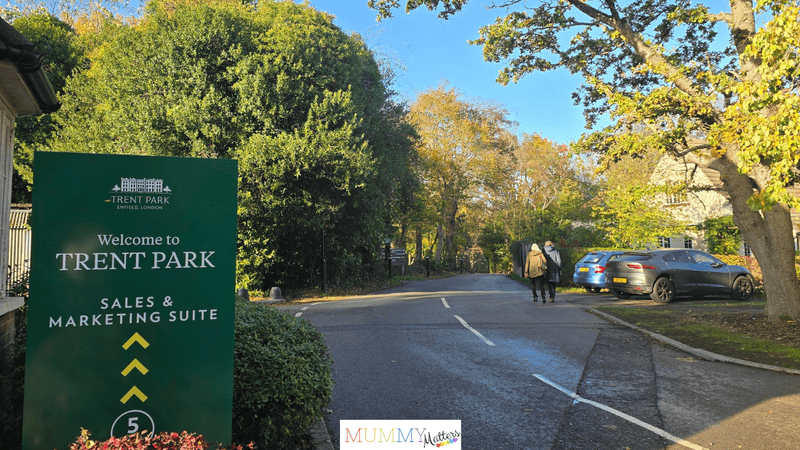
Our first challenge was actually finding the museum!
We followed our sat nav, which directed us to the Snakes Lane car park near Southgate Hockey Club. Part of the parking area belongs to the hockey club, while another section is available for parking.
We found it a little confusing initially, particularly as we couldn’t immediately see where we needed to go.
In the end, we followed Google Maps on foot through the nearby residential development, which took us approximately ten minutes.
Once we finally caught sight of Trent Park House, however, we were impressed.
The house itself is beautiful, with an imposing exterior and lovely surrounding parkland. There is still quite a lot of building work taking place around the estate, but it didn’t detract too much from our first impressions.
It’s easy to imagine how impressive the house must have been when Sir Philip Sassoon entertained his famous guests here.
Inside, we received a warm welcome from the museum staff before listening to a short introductory talk from one of the guides.
They explained a little about the history of Trent Park, how the museum was laid out and where we should begin exploring.
It was a lovely introduction and helped us understand what we were about to discover.
Exploring the Glamorous History of Trent Park House
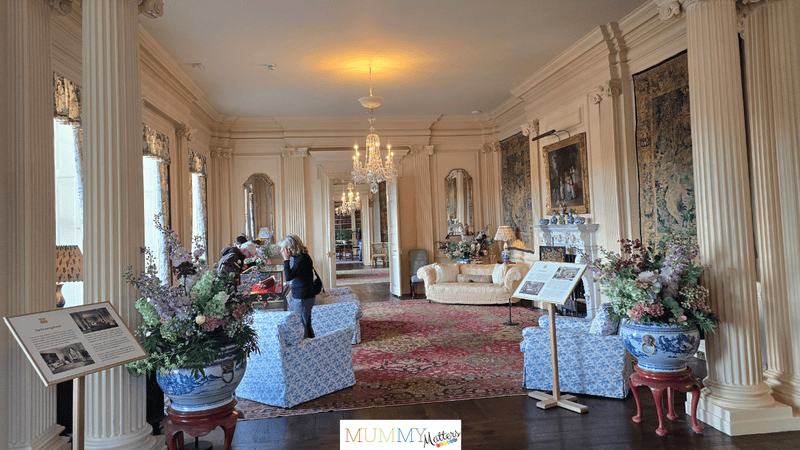
Our visit began on the ground floor, where the beautifully restored rooms tell the story of Trent Park before the Second World War.
I hadn’t realised quite how fascinating the history of the house was, even before it became a secret intelligence centre.
Sir Philip Sassoon and His Famous Guests
Sir Philip Sassoon inherited Trent Park from his father, Sir Edward Sassoon, in 1912.
He was just 23 years old and inherited considerable wealth alongside the estate.
Over the following years, he transformed Trent Park into an elegant country retreat where he entertained politicians, royalty, actors and other influential figures.
Among his famous guests were Winston Churchill, Charlie Chaplin and members of the Royal Family.
Imagine the conversations that must have taken place within those walls!
The exhibition also explores the role of Sassoon’s cousin, Hannah Gubbay, and the social world surrounding the house.
Sadly, Philip Sassoon died in June 1939, aged just 50, shortly before the outbreak of the Second World War.
The house passed to his cousin Hannah, but the War Office requisitioned the property before she could enjoy living there.
It was about to become the setting for something very different from the glamorous parties of the previous decades.
Beautifully Restored Rooms
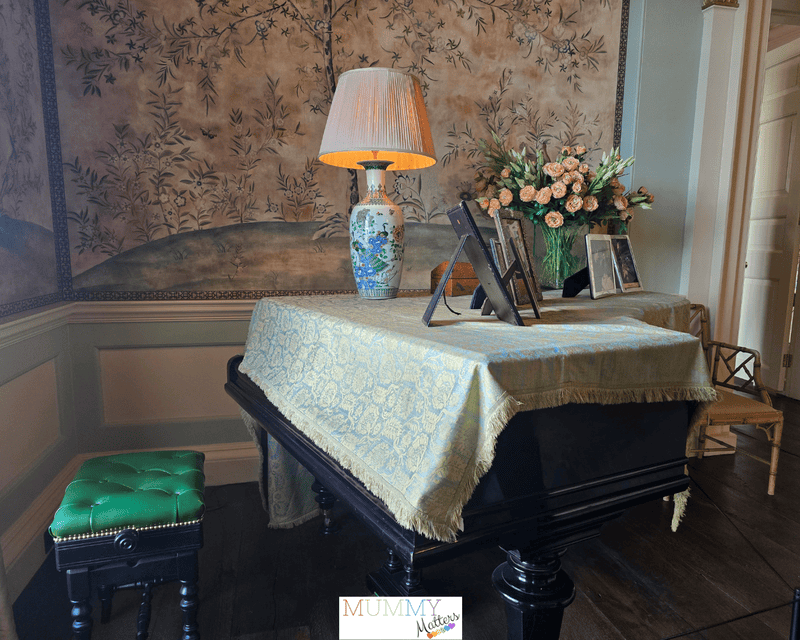
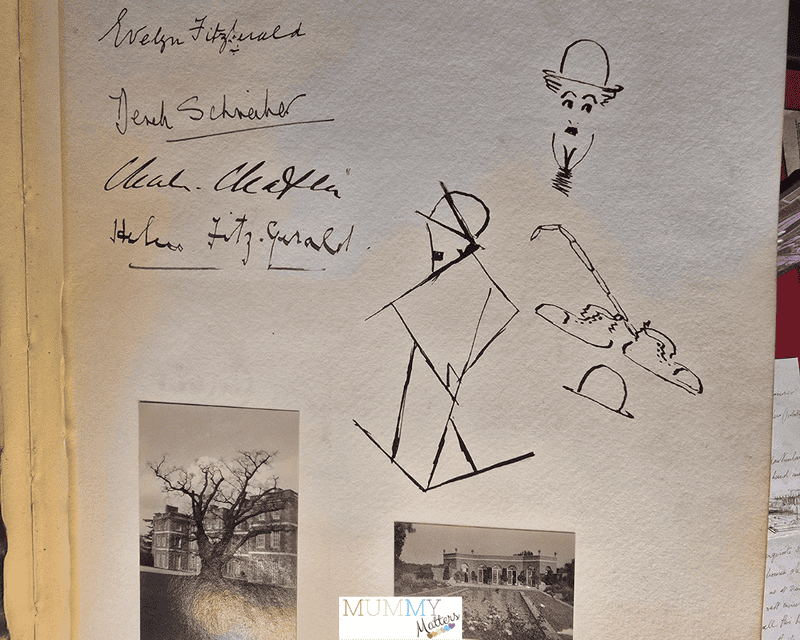
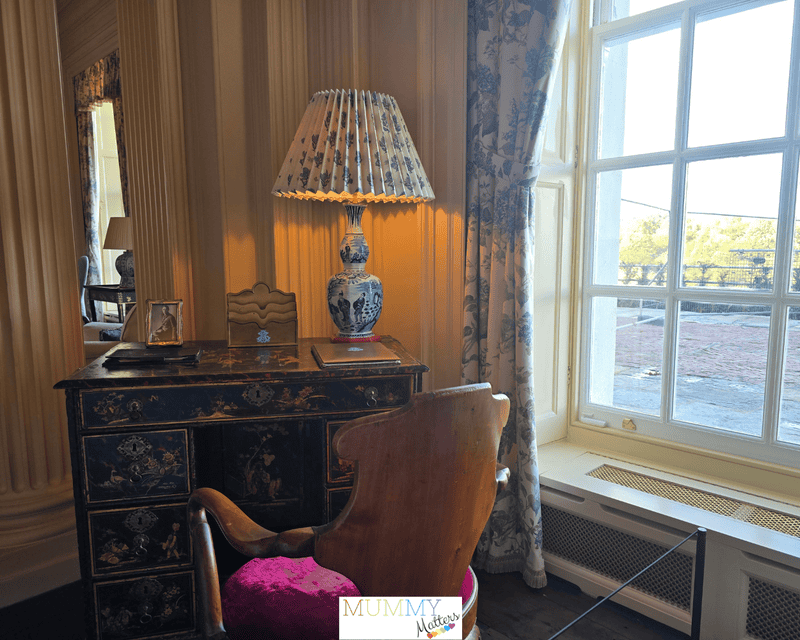
The ground-floor rooms have been restored to reflect how Trent Park would have looked during Sir Philip Sassoon’s time.
There are elegant furnishings, artwork and decorative details that help visitors appreciate the house’s former grandeur.
I enjoyed this part of the museum because it provides such an interesting contrast to what comes next.
Upstairs, you learn about wealth, luxury and high society. Downstairs, you discover a secret wartime operation that was taking place beneath those same beautiful rooms.
Discovering the Secret Listening Rooms Beneath Trent Park House
One of the most memorable moments of our visit was entering the underground section of the museum.
To reach it, you pass through a secret doorway disguised as a bookcase.
I always think little details like this make museums more exciting, particularly when you’re visiting with children.
Beyond the bookcase is a room containing an impressive scale model of Trent Park House, which helps you understand the layout of the building.
From there, stairs lead down into the basement, where the secret listening operation took place.
We were greeted by another member of the museum team, who explained how to explore the rooms and encouraged us to ask questions if we needed any help.
The staff we encountered throughout our visit were friendly, welcoming and knowledgeable.
Why Were German Prisoners of War Kept in Luxury?
One of the biggest surprises for all of us was discovering just how comfortably the German prisoners were treated.
When you imagine a prisoner-of-war camp, luxury accommodation probably isn’t the first thing that comes to mind.
Yet some of the high-ranking German officers held at Trent Park had their own bedrooms, while others enjoyed entire suites.
They had access to comfortable surroundings, gardens, books and other privileges.
Of course, there was a very deliberate reason for this.
British intelligence wanted the prisoners to relax, become comfortable and speak freely amongst themselves.
The more relaxed they felt, the more likely they were to discuss military information that could prove valuable to the Allies.
What the prisoners didn’t realise was that their conversations were being secretly monitored.
It was a remarkably clever approach to intelligence gathering.
The Hidden Microphones That Recorded Everything
I was particularly fascinated by the technology used to bug the rooms.
We tend to think of sophisticated surveillance equipment as something relatively modern, but the techniques used at Trent Park during the 1940s were remarkably advanced.
Tiny microphones were concealed in walls, furnishings and other unexpected locations.
What really surprised me was learning that microphones had even been positioned around the windows.
Some prisoners apparently believed they could avoid being overheard by leaning out of their windows to hold conversations.
The intelligence teams had anticipated that possibility and made sure those conversations could be monitored too.
It really made me appreciate the planning and ingenuity involved in the operation, particularly considering the technological limitations of the time.
Who Were the Secret Listeners at Trent Park?
Another part of the exhibition that I found especially interesting was the story of the Secret Listeners themselves.
Many were German-speaking Jewish refugees who had escaped Nazi persecution and found safety in Britain.
Some had joined the British Army’s Pioneer Corps before being recruited for their language skills.
Their ability to understand German dialects, informal expressions and military terminology made them particularly valuable to the intelligence operation.
Hidden away in the basement, they listened to conversations between German officers who had no idea their words were being recorded.
It must have been an extraordinary experience for people who had fled persecution to find themselves playing such an important role in the fight against Nazi Germany.
Their work helped uncover valuable military intelligence, including information about German weapons programmes and military operations.
The museum also explains how the recordings captured accounts of Nazi atrocities.
It’s an important reminder that the war wasn’t only fought by soldiers on battlefields. There were countless people working behind the scenes whose contributions were vital, even if their names were never widely known.
Inside the M Rooms: How the Listening Operation Worked
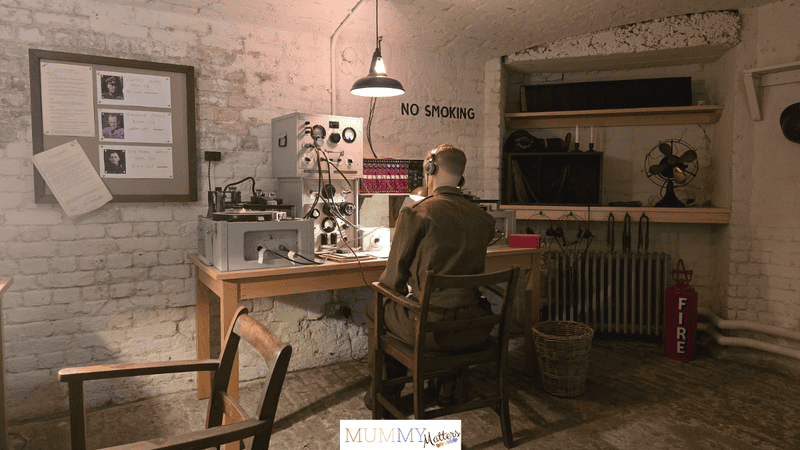
In the basement, visitors can explore three recreated M Rooms, short for ‘miked rooms’.
These were the spaces where the Secret Listeners worked in shifts, monitoring conversations taking place in the rooms above.
Initially, the operation monitored a small number of rooms, but the surveillance network expanded as the war progressed.
By the end of the war, twelve rooms and the prisoners’ common room had been bugged.
What I found particularly interesting was seeing how the different parts of the operation worked together.
The Secret Listeners weren’t simply listening to conversations and passing on information. There was a detailed process for recording, transcribing and analysing everything they heard.
Listening to Captain Townshend’s Diary
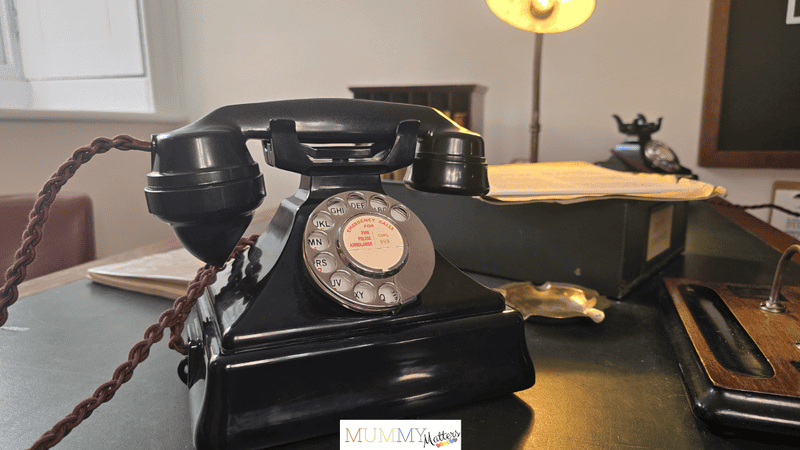
One of the interactive exhibits allows visitors to pick up a telephone and listen to recordings based on entries from Captain Townshend’s diary.
There are six different subjects to explore, including her arrival at Trent Park, the bugging operation, recruiting Secret Listeners, listening to the generals, Lord Aberfeldy and the role of women during the war.
I thought this was a particularly effective way of bringing the history to life.
Rather than simply reading about the operation, you can listen to accounts of what happened and begin to imagine what working at Trent Park might have been like.
There are also displays explaining the different German prisoners held at the house, including who they were, their military roles and where they were captured.
We even saw a handbook designed to help the intelligence teams understand German handwriting.
It’s these smaller details that really help you appreciate how much work went into the operation.
Trying Our Hand at Being Stool Pigeons
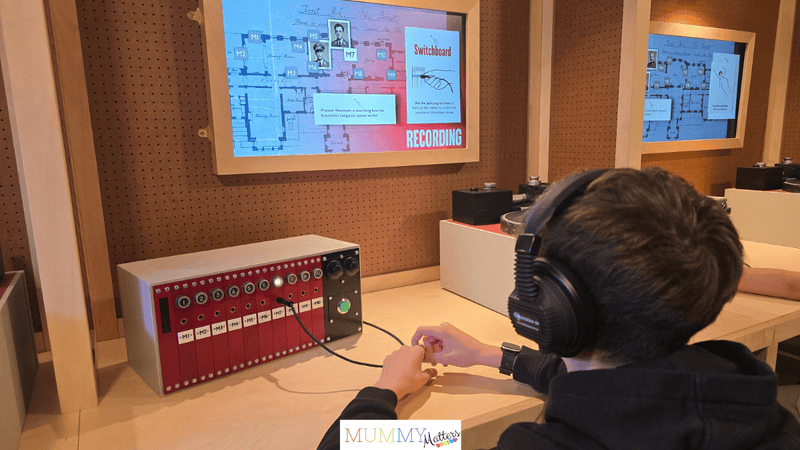
One of the boys’ favourite interactive activities involved trying to identify useful conversations.
Visitors can select different rooms to listen to, hear conversations and decide whether the information is worth recording.
If you hear something potentially valuable, you press the record button.
It sounds straightforward, but it makes you realise how much concentration and judgement the Secret Listeners needed.
They couldn’t simply record everything indefinitely. They had to recognise when something important was being discussed.
Both Ollie and Albie became completely absorbed in trying the equipment.
For me, this was one of the museum’s strengths. It doesn’t rely entirely on information boards to tell its story.
The interactive elements give visitors the opportunity to experience aspects of the intelligence operation for themselves.
The Playback Room and Transcribing Recordings
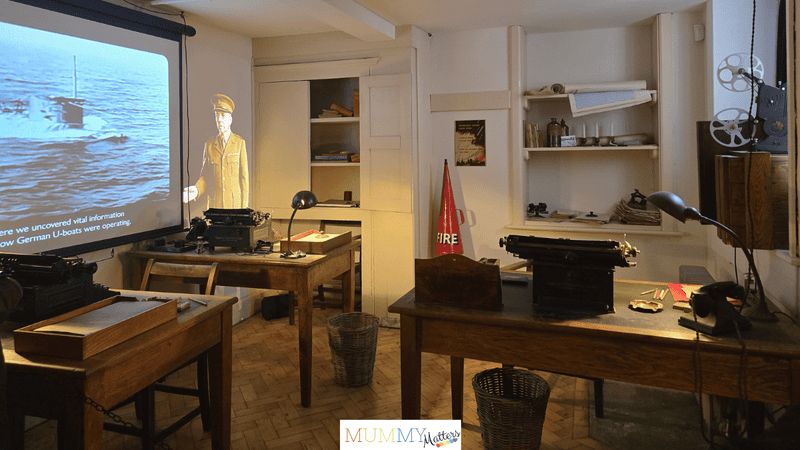
Another fascinating part of the exhibition explains what happened after a conversation had been recorded.
The recordings were made onto discs, which could then be played back through headphones or loudspeakers.
The Secret Listeners had to transcribe the conversations accurately, often dealing with different accents, dialects and complicated military terminology.
One detail that particularly stayed with me was learning that a recording lasting just seven minutes could take as long as an hour and a half to transcribe accurately.
Imagine how painstaking that must have been!
Once completed, the handwritten transcripts were passed to another room to be typed and prepared for further analysis.
Seeing the recreated equipment and learning about this process gave me a completely new appreciation for the amount of work involved.
Is Trent Park House Suitable for Children and Teenagers?
As a family blogger, one of the things I’m always interested in is whether an attraction genuinely appeals to children, rather than simply being somewhere adults want to visit.
I’m pleased to say that both Ollie and Albie really enjoyed Trent Park House.
There is quite a lot of reading throughout the museum, which won’t appeal to every child.
Albie, in particular, isn’t someone who wants to spend an entire museum visit reading information boards.
However, this is where the interactive exhibits make such a difference.
Both boys enjoyed trying the listening equipment, exploring the different rooms and discovering how the secret operation worked.
There were also opportunities to try on pieces of uniform, although neither of them chose to do that.
What Age Is Best for Visiting Trent Park House?
Personally, I think Trent Park House is likely to appeal most to secondary-school-aged children and teenagers, particularly those studying the Second World War or interested in history.
That doesn’t mean younger children wouldn’t enjoy it.
During our visit, I noticed a younger boy exploring the museum with his grandma.
She was brilliant at reading the information to him, explaining what things meant and encouraging him to try the interactive exhibits.
It was lovely to see how involved he became.
I think that illustrates something important about visiting museums with younger children. Sometimes the difference between an enjoyable visit and a boring one is having someone who can help make the information interesting and accessible.
If you’re visiting with younger children, I would concentrate on the interactive activities and share the historical information in smaller, manageable amounts.
Older children and teenagers are more likely to appreciate the wider historical significance of the museum.
How Long Do You Need at Trent Park House?
We spent approximately 90 minutes to two hours at Trent Park House, including stopping for refreshments afterwards.
During that time, we explored the main exhibition rooms, read plenty of information and tried the interactive exhibits.
The museum is self-guided, so you’re free to explore at your own pace.
You can spend longer in the areas that interest you most without feeling rushed.
I would recommend allowing around two hours for a family visit, although anyone who enjoys reading every display and studying the historical details could easily spend longer.
The Trent Park House Café
After exploring the museum, we finished our visit with coffee, hot chocolate and cake in the on-site café.
The café itself is lovely, although we found it rather warm indoors.
Fortunately, we visited on a beautiful, dry autumn day with blue skies, so we decided to sit outside on the patio.
It was a really pleasant place to relax after our visit.
The refreshments were reasonably priced too.
During our visit in October 2026, prices included:
- Latte: £3.80
- Hot chocolate: £3.90
- Cakes and muffins: approximately £3–£4
There were also savoury options available, which looked very appetising.
We only stopped for drinks and cake, but I would happily visit the café again.
It’s a lovely addition to the museum, particularly if you’re planning to spend some time enjoying the surrounding parkland.
How Much Are Tickets to Trent Park House?
I think Trent Park House offers good value for money, especially considering the quality of the restoration, the fascinating history and the interactive exhibitions.
At the time of our visit in October 2026, admission prices were:
- Adults aged 18 and over: £14
- Students: £12
- Children aged 5–17: £12
- Children under five: Free
- Carers accompanying disabled visitors: Free
Family ticket options included:
- One adult and two children: £26
- One adult and three children: £32
- Two adults and two children: £40
- Two adults and three children: £46
For a family of four like ours, the £40 family ticket works out at £10 per person.
Considering we spent around two hours exploring the museum and all four of us enjoyed the experience, I think that’s very reasonable.
There are also discounts available for some museum membership holders.
I would recommend checking the official Trent Park House website before visiting, as admission prices and offers may change.
Where Is Trent Park House and How Do You Get There?
Trent Park House of Secrets is located at:
Daffodil Crescent
Enfield
North London
EN4 0PS
The museum is situated within Trent Country Park, and there are several ways to reach it.
Parking at Trent Park House
One thing worth knowing before you visit is that there isn’t a general visitor car park immediately outside the museum.
As I mentioned earlier, our sat nav took us to the Snakes Lane parking area near Southgate Hockey Club.
From there, we walked approximately ten minutes through the nearby residential development.
It wasn’t particularly difficult once we knew where we were going, but it was a little confusing initially.
The museum’s recommended parking option is the free Trent Country Park car park, accessed from Cockfosters Road near Go Ape.
From there, it’s approximately a 15-minute walk to the house.
If you’re visiting by car, I would recommend checking the museum’s directions before setting off rather than relying entirely on your sat nav.
Visiting Trent Park House by Public Transport
The nearest convenient Underground station is Oakwood on the Piccadilly Line.
It’s approximately a 20-minute walk from the station to the museum.
There is also a free shuttle bus service for museum visitors, operating between Snakes Lane near Oakwood station and Chaplin Drive, a short walk from the house.
Seats need to be booked in advance, even though the service is free.
This could be a useful option if you’re visiting with children or would prefer to avoid the longer walk.
Is Trent Park House Wheelchair Accessible?
Although we didn’t need to use the accessibility facilities ourselves, we noticed that the museum had lift access between the ground floor and basement.
The main toilets are downstairs, and there is also an accessible toilet near the café.
According to the museum’s visitor information, the main exhibition spaces are wheelchair accessible.
Other facilities include:
- Three pre-bookable Blue Badge parking spaces close to the house.
- A drop-off point for visitors with mobility difficulties, arranged in advance.
- Accessible toilets on both exhibition levels.
- Lift access between floors.
- Hearing loop facilities.
- Assistance dogs welcomed throughout the museum.
As Trent Park House is a historic building, I would recommend contacting the museum before visiting if you have specific accessibility requirements.
It’s also worth considering the walk from the public car parks when planning your visit.
What Could Be Improved at Trent Park House?
We genuinely enjoyed our visit, and there was very little we felt could have been improved.
The parking arrangements were initially confusing, and there is still building work taking place around parts of the estate.
The museum also contains a considerable amount of written information, which might be challenging for younger visitors who prefer more hands-on activities.
However, the interactive exhibits do a good job of balancing this.
If there was one thing I would have loved to see, it would have been a recreated room showing where the German prisoners of war actually stayed.
Having learned about their surprisingly luxurious accommodation, I think it would have been fascinating to step inside a bedroom or suite and see how they lived.
It would also have helped connect the rooms upstairs with the listening operation taking place beneath them.
Unfortunately, the upper floors are being converted into luxury apartments, so we understand that this isn’t currently part of the museum’s plans.
It’s a shame from a visitor’s perspective, but it certainly didn’t spoil our experience.
Is Trent Park House Worth Visiting?
Absolutely!
We all thoroughly enjoyed our visit, and I came away feeling that we’d discovered somewhere rather special.
What surprised me most was how little I knew about the intelligence operation that took place here.
Like many people, I was familiar with Bletchley Park and the incredible work carried out by codebreakers during the Second World War.
Yet I had never heard of Trent Park House or the Secret Listeners.
The two stories complement each other beautifully, and I would certainly recommend Trent Park to anyone who has enjoyed visiting Bletchley Park.
One of the things that stayed with me afterwards was the thought that we never really know everything happening behind the scenes to keep our country safe.
Even during the 1940s, when technology was nothing like what we have available today, people were developing incredibly sophisticated ways of gathering information.
The ingenuity involved in the surveillance operation was impressive, but so was the dedication of the people listening, recording and transcribing those conversations.
Their work remained largely unknown for decades, and it’s wonderful that their stories are finally being shared.
One of London’s Newest Historical Attractions
Towards the end of our visit, I chatted with one of the museum advisors and mentioned how pleased I was to discover that Trent Park House had only opened in July.
It explained why I hadn’t heard of it before!
She told me that the museum had already welcomed more than 20,000 visitors since opening and that they were hoping to attract many more.
I really hope they do.
It has taken years of hard work, fundraising and restoration to bring this important piece of British history to the public.
Now that the museum is open, it deserves to be discovered and enjoyed by as many people as possible.
Frequently Asked Questions About Trent Park House of Secrets
When Did Trent Park House Open to the Public?
Trent Park House of Secrets officially opened as a museum on 21st July 2026.
The opening followed a lengthy campaign to preserve the historic building and share its secret wartime history.
What Are the Opening Hours for Trent Park House?
The museum normally opens Tuesday to Sunday, from 10am until 5pm, with last admission at 4pm.
During November and December 2026, the museum closes at 4pm, with last admission at 3pm.
It is scheduled to close during January 2027 for conservation and maintenance before reopening in February.
Always check the official website before travelling.
Do You Need to Book Trent Park House Tickets in Advance?
Advance booking is recommended to guarantee admission.
A limited number of tickets may be available on arrival, but booking ahead is the safest option, particularly during weekends and school holidays.
Can You Visit Trent Park House Without Going Into the Museum?
Trent Park House is surrounded by Trent Country Park, which offers opportunities for walking and enjoying the outdoors.
The museum café is also open to visitors, so you could combine a visit with some time exploring the surrounding area.
Is Trent Park House the Same as Bletchley Park?
No. They are separate historical sites that played different roles in Britain’s wartime intelligence operations.
Bletchley Park is particularly famous for codebreaking, while Trent Park House was used to secretly monitor conversations between captured German officers.
Both provide fascinating insights into the intelligence work carried out during the Second World War.
Is Trent Park House Suitable for a Rainy Day?
Yes. The museum’s main exhibitions are indoors, making it a good option for a rainy day in North London.
However, you may need to walk from the car park or Underground station, so it’s worth allowing for the weather when planning your journey.
Our Final Thoughts on Trent Park House of Secrets
Every so often, we visit somewhere that genuinely surprises us, and Trent Park House was one of those places.
We arrived knowing very little about its history and left having discovered an extraordinary story of intelligence, ingenuity and people whose contributions to the Second World War remained secret for far too long.
The house itself is beautiful, the museum staff are welcoming, and the combination of historical information and interactive exhibits makes the experience interesting for adults and older children alike.
Both Ollie and Albie enjoyed exploring the listening rooms and trying the equipment, while Simon and I found the historical details fascinating.
For me, one of the greatest pleasures of visiting places like this is discovering how much there still is to learn about events we think we already understand.
Trent Park House reminded us that behind the history books are countless stories of ordinary and extraordinary people whose work made a difference.
I’m so pleased we had the opportunity to visit, and I genuinely hope more families discover this fascinating museum.
If you’re looking for an educational, interesting and slightly different family day out in London, Trent Park House of Secrets is somewhere I would happily recommend.
You can find opening times, visitor information and book tickets through the official Trent Park House of Secrets website.