

A quiet home office gives you a reliable place to focus without losing touch with family life. Even in a busy household, thoughtful routines and clever use of space can reduce interruptions, keep work contained and make the end of the working day feel more definite.
Balancing Remote Work with Daily Family Demands
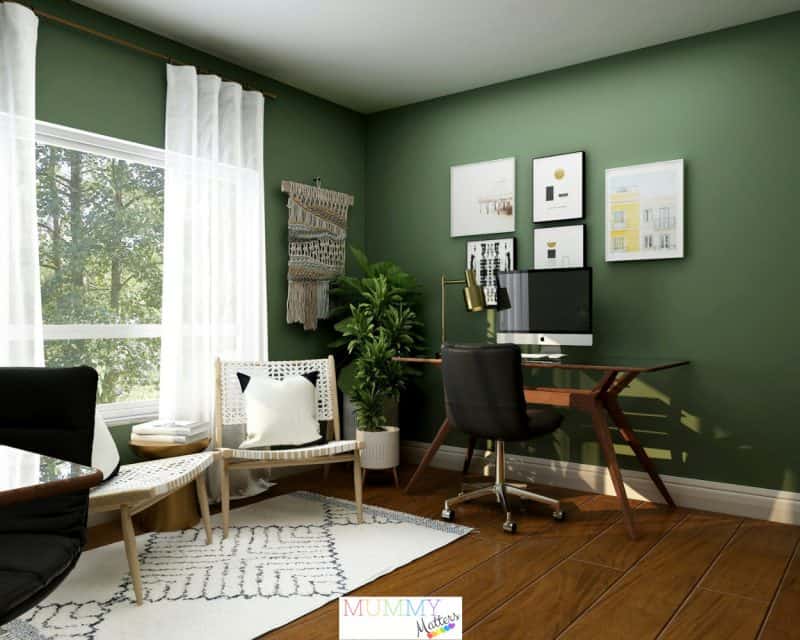
Start by identifying the hours when your home is naturally quieter. You might schedule focused work during school hours, early mornings or a toddler’s usual nap, then save emails and routine admin for busier periods.
Share your calendar with other adults in the house and add clear blocks for calls, deadlines and breaks. Guidance on work-life boundaries also recommends communicating your availability, which helps family members understand when an interruption can wait.
Build a small buffer into the day too. A spare 15 minutes between video meetings gives you time to answer the door, sort out a snack or deal with an unexpected family request without derailing the next call.
Defining Boundaries Between Work and Play
Choose a work zone that can be closed, screened or packed away after hours. A spare room is ideal, but a landing alcove, cupboard desk or quiet bedroom corner can still work. A folding screen or curtain provides a useful visual boundary in a shared room.
Set simple household signals. A closed door might mean you’re on a call, while headphones could show that you need 20 minutes of concentration. Children often respond well to a clock or coloured card that tells them when you’ll next be available.
Finish at a set time and put work items out of sight. Closing the laptop, clearing mugs and switching off the desk lamp helps stop work from spreading into family time.
Hiring a Trusted Loft Conversion Company
If every existing room already has a purpose, the loft may provide enough separation for a permanent office. Homeowners around Nottingham and Derby can speak with a Loft Conversion Company about design options, project management and taking the work from the initial idea through to completion.
Ask potential contractors to inspect the roof space before discussing layouts. Head height, staircase position, insulation, daylight and access to power will all affect what’s practical. Request a written quote that identifies the work included, estimated timings and responsibility for each stage.
Consider how the office could serve the household later. Built-in storage, extra sockets and a flexible floor plan may allow the room to become a study or hobby space if your working pattern changes.
Ergonomic Layouts for Busy Working Parents
Place your screen directly in front of you, with its top close to eye level, and keep frequently used items within easy reach. Your chair should support your lower back while allowing both feet to rest flat on the floor. A footrest can help if the desk height can’t be adjusted.
Position the desk near natural light without placing the screen directly opposite a bright window. This reduces glare while keeping the room pleasant during long working days. Practical home working balance advice also highlights regular movement, so leave enough space to stand and stretch.
Store chargers, paperwork and stationery in drawers or labelled boxes. A clear surface makes it easier to begin work promptly and prevents small items from migrating into the rest of the home.
The best home office is one you can leave at the end of the day. Give keys, notebooks and tomorrow’s task list a fixed home, then close the door or screen and return the space to silence until morning.