
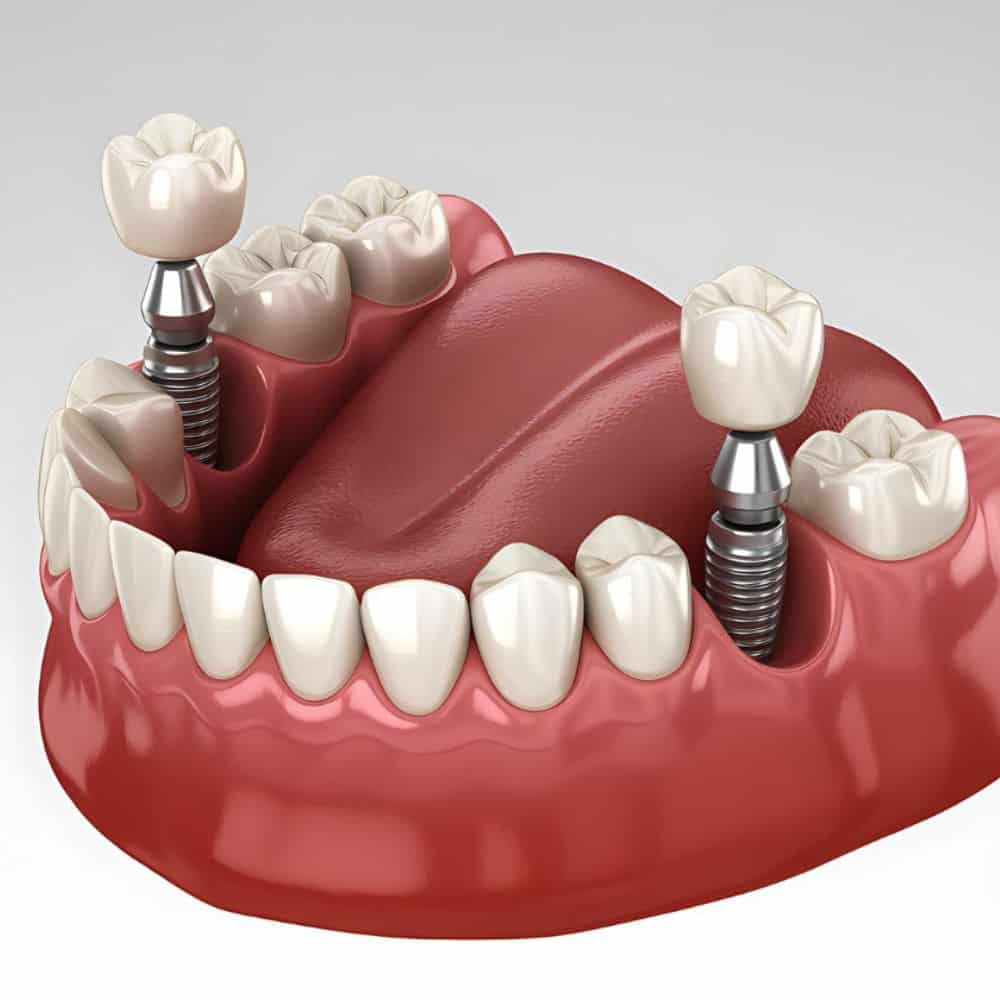
To make permanent tooth replacements last, you need to take care of them every day. They’re built to hold up, but only if you keep them clean. A good daily routine keeps your mouth healthy and your smile looking great.
Finding Proper Clinical Expertise

Good dental care is the key to keeping your teeth and gums healthy for the long haul. Booking a consultation with an affordable nearby specialist grants direct access to customized cleaning plans and thorough evaluations. Regular checkups help dentists catch small problems before they harm your jawbone.
During your visit, your dentist will check your restorations to make sure they’re stable. Hygienists carefully clean around your implants without scratching the smooth titanium. Working with a good dental team helps keep your smile healthy for years.
Sticking to a daily dental routine makes your checkups more effective and helps protect any work you’ve had done. At each visit, your dentist checks your gums, your bite, and the condition of fillings, crowns, or implants.
Professional cleanings also get rid of plaque in places your brush and floss can’t reach as well. Follow your dentist’s instructions on caring for implants or other restorations. Regular appointments help your dentist catch problems early, so they don’t turn into bigger deals later.
Daily Maintenance And Home Hygiene
Good home care stops harmful bacteria from building up around replacement teeth. A medical study says that when plaque collects around implants, it can lead to serious gum infections. Keeping your gums clean helps prevent bacteria from causing swelling and damage.
Selecting gentle tools makes daily cleaning routines far more effective:
- Soft-bristled toothbrushes
- Low-abrasive toothpaste
- Water flossers
Non-abrasive products protect the delicate seal between gums and posts. Cleaning around restoration bases removes stubborn food particles that standard brushes miss.
Modern Placement Tools And Precision
Advanced imaging and AI technology play a big role in how well implants are placed and how long they last. Studies show that AI-guided placement is more accurate and successful than older methods. Good positioning helps spread chewing forces evenly across your jaw.
Better placement also reduces stress on the bone around the implant over years of use. Precise planning tools help lower the risk of complications. When the implant is placed carefully, it feels comfortable and holds up well over time.
Long-Term Monitoring And Structural Care
Keeping dental work in good shape takes patience and regular checkups over the years. Studies show that to properly track implants and their condition, you need at least 5 years of observation. This long-term monitoring helps dentists catch small changes early.
During follow-up visits, dentists check your crowns, bridges, or implants and the bone around them. Regular X-rays confirm that the bone is still strong around the implant. Staying on top of these visits keeps your bite comfortable and your smile lasting.
Protecting your dental work comes down to daily cleaning and routine professional care. Staying ahead of problems keeps your bite strong and your smile confident. Simple daily habits add up to long-term success for your oral health.
Want more helpful tips, practical advice, and fresh ideas? Check out our blog for useful insights on all kinds of topics.