
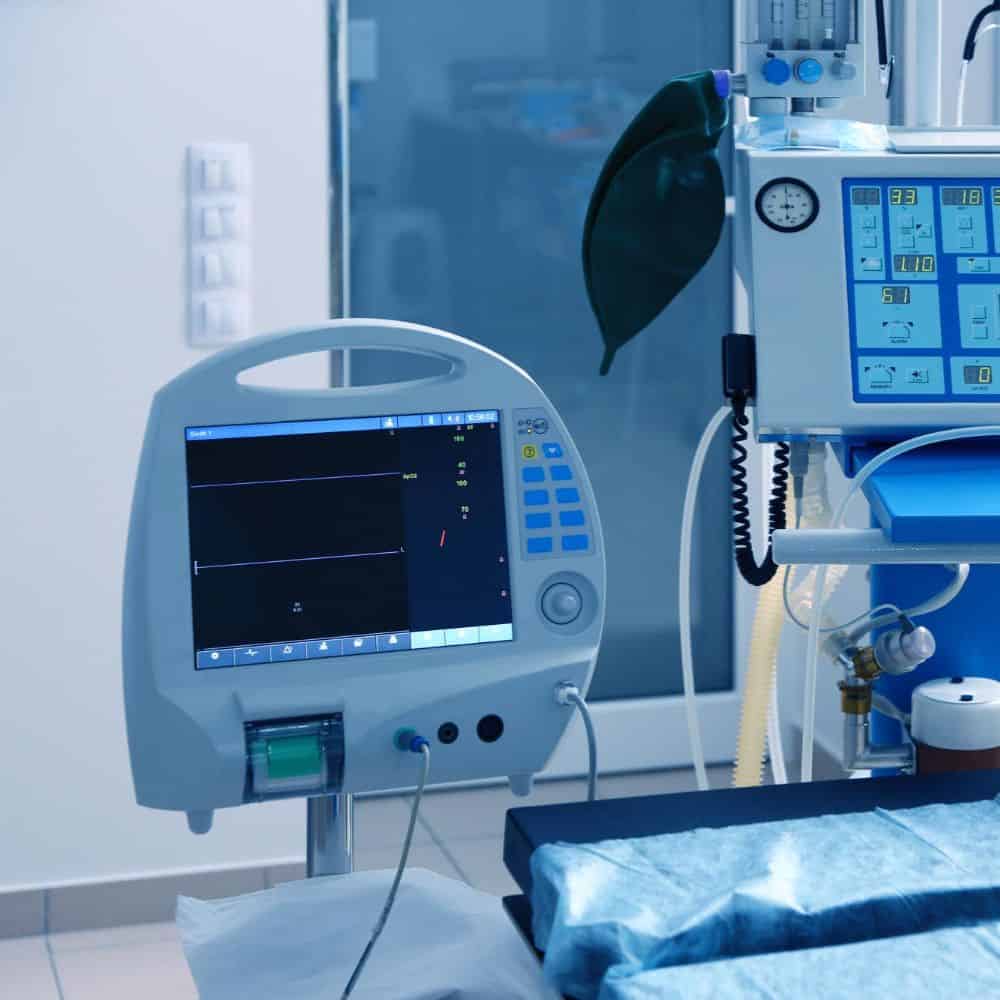
A hospital bed bought outright can run well into the thousands of dollars. Rented for the eight weeks most recovery periods actually last, the same bed costs a fraction of that. That single gap, between what equipment costs to own and what it costs to borrow for exactly as long as it’s needed, is the entire economic case for medical equipment rental, and it’s a case most families never actually run the numbers on before a hospital discharge forces the decision.
Getting this decision right matters more than it might seem, because the wrong default, buying first and asking questions later, is precisely how a temporary recovery ends up costing a family thousands more than it needed to.
Temporary Needs Rarely Justify a Permanent Purchase

The core math is straightforward once it’s actually laid out. A hospital bed, wheelchair, or Hoyer lift purchased outright can run into the thousands of dollars, an expense that makes sense for genuinely long-term or permanent needs but rarely for a defined recovery window measured in weeks or a few months.
Renting the same equipment for a temporary period costs a fraction of that upfront amount, and once the recovery period ends, there’s no leftover equipment to store, sell, or dispose of.
Where Renting Makes Sense Depends on Local Availability and Speed
Households arranging equipment quickly need more than a good price. They need it delivered fast, correctly, and often on the same day a discharge actually happens. Families sourcing medical equipment rentals in the Austin area frequently need same-day delivery, since hospitals rarely give more than a day or two of notice before sending a patient home.
For situations like these, Lakeway Mobility can provide same-day delivery of hospital beds, wheelchairs, and Hoyer lifts in many cases, helping families coordinate equipment around a discharge date they did not get to choose.
Rental Costs Typically Include Maintenance That Purchases Don’t
This is one of the more overlooked parts of the cost comparison. Equipment obtained through rental typically includes maintenance and repair as part of the arrangement, at no additional charge, while equipment that’s purchased outright puts that ongoing maintenance responsibility, and cost, entirely on the family. According to Medicare’s own official coverage guidance on durable medical equipment, coverage differs by equipment type, with some items requiring purchase, others rental, and some offering a choice between the two depending on cost and expected duration of need.
That distinction reflects a broader principle worth applying even outside Medicare specifically: equipment needed for a defined, temporary period is generally the better rental candidate, while equipment needed indefinitely tends to make more financial sense to eventually own.
A Few Factors Determine Which Option Actually Costs Less
A handful of specific considerations tend to determine whether renting or buying comes out ahead for a given situation:
- The expected length of the recovery period, since a rental’s cost advantage narrows the longer equipment is needed
- Whether the equipment requires regular servicing, since rental agreements typically cover that cost while ownership doesn’t
- How much of a purchase price could realistically be recovered through resale once the equipment is no longer needed
- Whether the person’s location is likely to change during the recovery period, since rented equipment is generally easier to exchange or relocate than owned equipment
None of these factors point in the same direction every time, which is exactly why a blanket assumption that buying is always cheaper long-term doesn’t hold up for genuinely temporary care situations.
Renting Also Removes the Burden of Storage and Disposal
Beyond the upfront cost difference, there’s a real practical cost to owning equipment that’s no longer needed. A hospital bed or wheelchair purchased for a temporary recovery has to go somewhere once recovery is complete, whether that’s storage space in a home, the effort of reselling it, or simply disposing of it.
Rental sidesteps all of that entirely, since the equipment gets picked up once it’s no longer needed rather than becoming a family’s problem to solve.
Conclusion
The decision between renting and buying medical equipment for temporary care isn’t really about which option is universally cheaper. It’s about matching the arrangement to the actual expected duration of need, since a purchase that makes sense for a permanent mobility requirement can be a genuinely poor financial decision for a six-week recovery window.
Renting keeps the upfront cost manageable, folds maintenance into the arrangement rather than leaving it to the family, and removes the equipment from a home the moment it’s no longer needed. For families facing a sudden discharge and an unfamiliar list of equipment to source quickly, that combination of lower cost and less long-term burden is usually the more sensible path forward.