
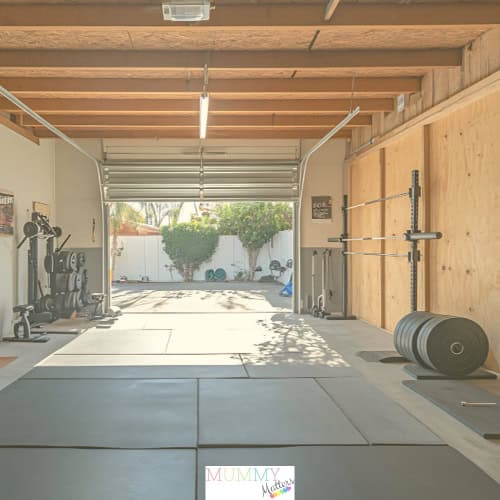
Turning your garage into a home gym is one of the smartest fitness decisions you can make. It gives you complete control over your training environment, removes the need to travel, and makes it far easier to stay consistent. Whether you are aiming to build strength, improve fitness, or simply create a more convenient way to exercise, a garage gym can be tailored exactly to your needs.
The only thing left to do is plan it properly. With the right setup, even a modest space can become a highly effective training area.
Start With a Clear Plan
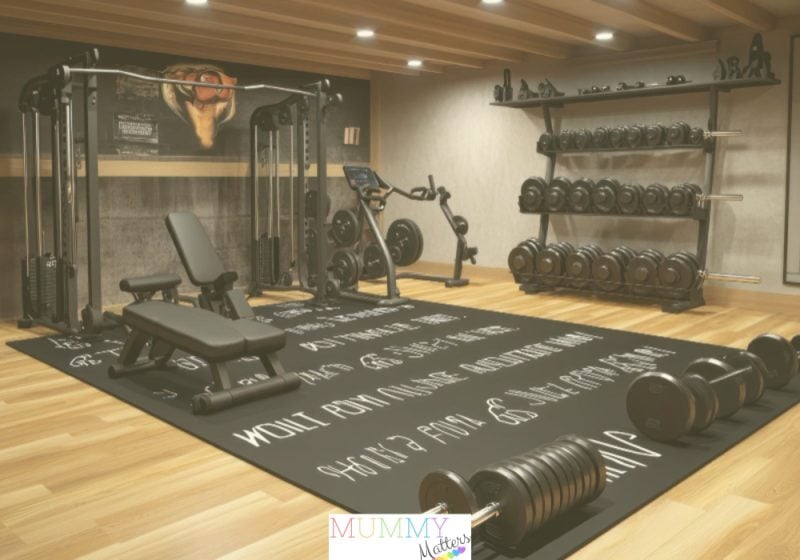
Before buying any equipment, think about how you want to train. Your goals will shape your setup. Strength training, cardio, and general fitness all require slightly different equipment and space considerations. Measure your garage and consider how much room you can realistically dedicate to your gym. You do not need to fill every inch. A clean, organised layout will make your workouts more enjoyable and safer. It is also worth thinking about storage early on. Keeping equipment tidy will help you maintain a space that you actually want to use.
Invest in Proper Gym Flooring
Flooring is often overlooked, but it is one of the most important parts of a home gym. A good surface protects both your equipment and your garage floor, while also improving safety and comfort. Using Mirafit gym flooring helps absorb impact from weights and reduces noise. This is especially important if you plan to lift heavy or perform dynamic movements. Rubber mats or interlocking tiles are popular choices because they are durable, easy to install, and provide a stable surface for lifting. They also help prevent slipping, which is essential for exercises like squats and deadlifts.
Choose Versatile Equipment First
When building a home gym, it is best to start with versatile equipment that allows you to perform a wide range of exercises. A solid starting point might include a barbell, weight plates, and an adjustable bench. If space allows, adding a power rack can open up even more training options. These pieces cover the main compound movements and form the backbone of many effective routines. You can then expand over time with additional equipment based on your goals, such as resistance bands, dumbbells, or conditioning tools.
Make the Most of Your Space
Garage gyms do not need to be large to be effective. The key is to use your space efficiently.
Wall-mounted storage, vertical racks, and foldable equipment can help maximise the area you have. Keeping the floor clear where possible will give you more room to move and make your workouts feel less restricted.
Create a Setup That Motivates You

Your home gym should be a place you enjoy spending time in. Small touches can make a big difference. This might include adding a speaker for music, a whiteboard for tracking progress, or even a mirror to check form. These additions help create an environment that feels purposeful and motivating. The more appealing your space is, the more likely you are to use it consistently.
Think Long-Term
Building a home gym is an investment, so it is worth thinking beyond your immediate needs. Choosing durable equipment and planning your layout carefully will save you time and money in the future. Start with the essentials and expand gradually. This approach allows you to build a setup that evolves with your training rather than rushing into unnecessary purchases.
Final Thoughts
Creating a home gym in your garage is about more than just convenience. It is about building a space that supports your goals and fits your lifestyle. By focusing on the fundamentals, you can create a gym that delivers real results. Soon, with the right setup, your garage can become one of the most valuable spaces in your home.