
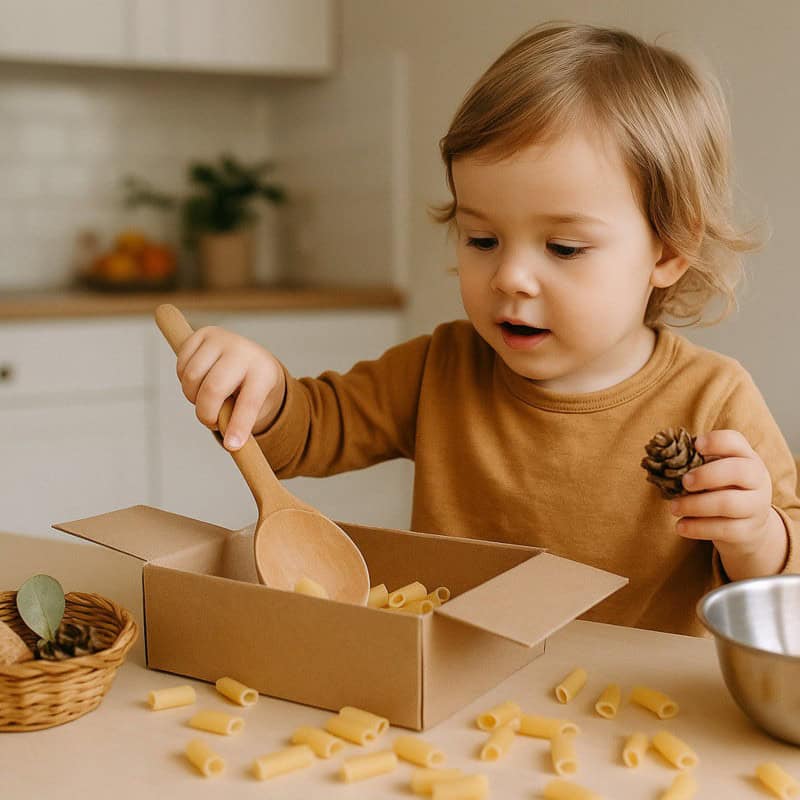
As a mum of three and someone who has spent countless hours encouraging my children’s learning at home, I’ve come to truly appreciate the power of learning through play. Whether it’s building tall towers, role-playing with stuffed animals, or getting messy with play dough, play-based activities offer so much more than just fun — they help children learn in the most natural and engaging way possible.
Activities for Children that Lay the Foundations for Lifelong Learning
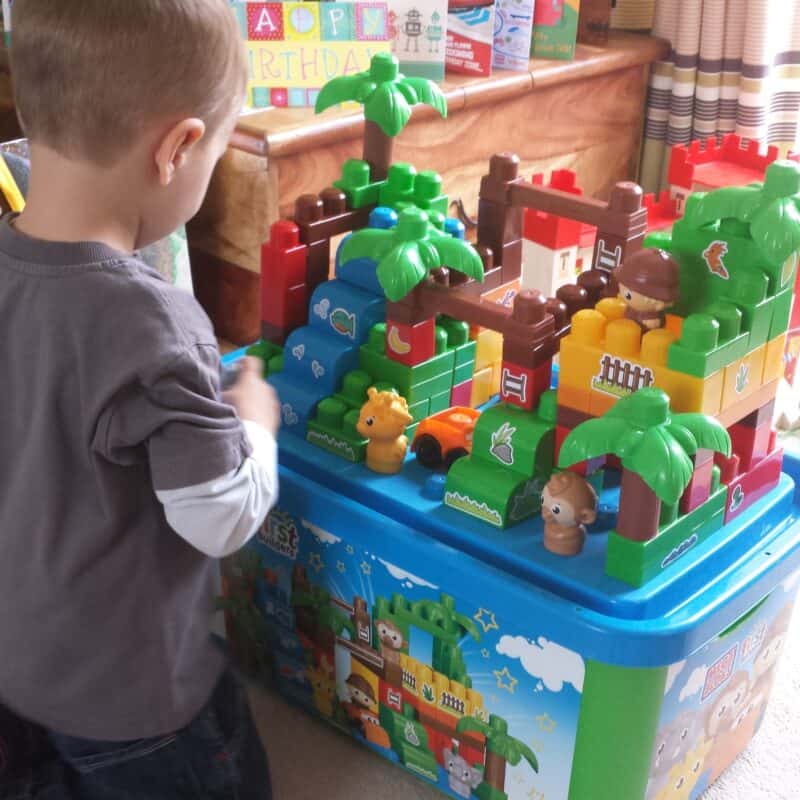
From toddler to primary school, every stage of childhood development benefits from play. Play-based learning fosters creativity, builds resilience, and develops key social skills that are vital in school and life. When children play, they’re not just having fun — they’re solving problems, using their imagination, and learning to interact with the world around them.
Research from the LEGO Foundation and Harvard’s Center on the Developing Child backs this up — learning through play helps children to develop the skills they need for success in the 21st century, including language development, self-regulation, and coordination skills.
Play-Based Learning: Why It Works
Play-based learning is an approach used in EYFS and nursery settings that centres around children’s natural curiosity. It’s all about allowing little ones to explore and learn through engaging, hands-on experiences that support their wellbeing and learning and development.
Whether it’s imaginative play, role play, or free play, these experiences stimulate a child’s senses and support their emotional and cognitive growth. Play becomes a way to develop phonics, mathematical thinking, and even problem solving skills — all without the need for worksheets.
Toddler Play Activities That Spark Curiosity
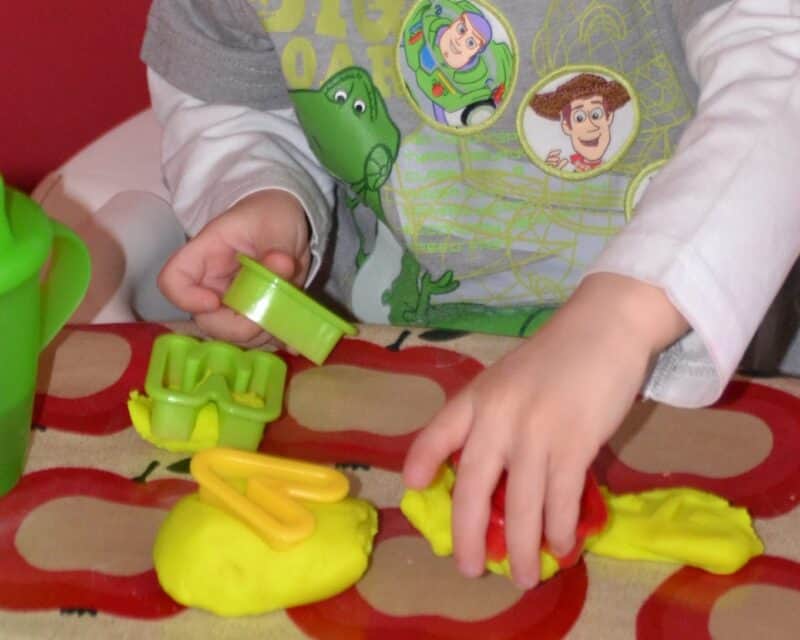
When you’re looking for play activities for your toddler, think about what naturally interests them. Activities that involve building blocks, play dough, or even a simple crayon and paper can be rich learning opportunities. Here are a few easy ideas:
- Play Dough Fun: Great for fine motor skills and creative play. Add natural elements like leaves or pasta for extra sensory play.
- Role-Play with Costumes: Perfect for pretend play, speech sounds, and recognising facial expressions.
- Playing with Blocks: Helps develop coordination skills, problem solving, and an understanding of shapes and balance.
- Rhyme and Rhythm Games: Singing together helps toddlers develop language, listening skills, and develop rhythm.
- Small World Play: Create miniature towns or forests with toys to explore a sense of the world around them.
Each type of play can help the individual child to grow in confidence and skill.
Help Them Learn Through Playful Interactions
One of the most beautiful things about play is how naturally it encourages social interaction. Whether children are engaging in games with rules or just messing about in the garden, these fun activities support social and emotional learning.
Play can also be guided. Adults suggesting play, such as setting up a themed pretend play area or encouraging storytelling, helps the child build on their interests and expand their skills. It’s not about doing it for them, but creating the space and opportunity for children to learn at their own pace.
Nurturing Children’s Learning and Wellbeing at Home
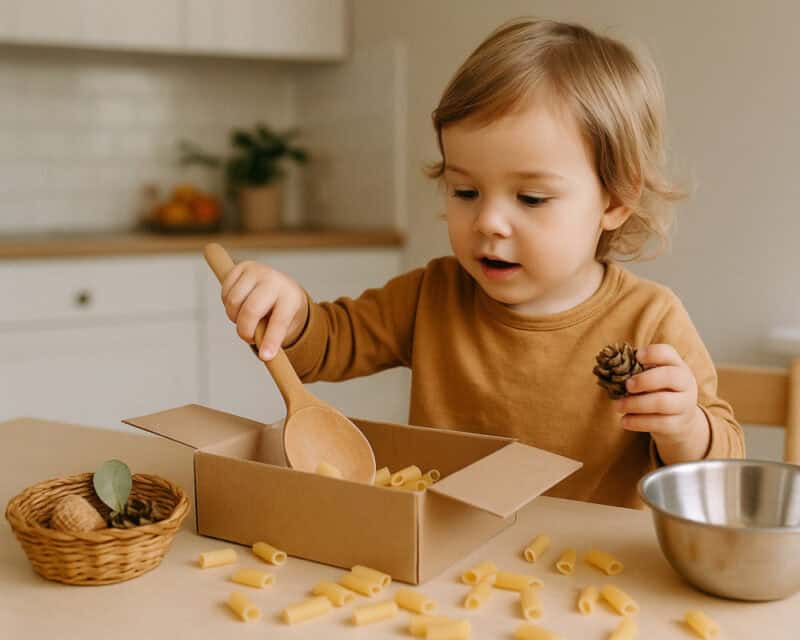
At home, I’ve found that structuring the day around a mix of independent play and guided play-based activities works well. This not only supports my children’s development but also boosts their self-confidence. It’s a wonderful way to develop strong bonds and observe how children get joy from discovering something new.
We use everyday materials — boxes, kitchen utensils, nature finds — and turn them into treasure. Whether you’re working within a budget or a busy schedule, there are always games available to suit your lifestyle.
For further support and resources on encouraging play at home, you might find these links helpful:
- National Association for the Education of Young Children (NAEYC)
- Unicef: Early Childhood Development
- The British Psychological Society – Play in Learning
Why Learning Through Play Matters
Play isn’t just play — it’s the foundation of a happy, healthy, well-rounded child. As parents and caregivers, we can make a huge impact when we help children by simply letting them play. In doing so, we support our children’s wellbeing, child’s development, and children’s learning — all while having a great time ourselves.
So next time you’re knee-deep in glitter or mediating a superhero battle between teddies, remember: you’re helping your child to develop in ways that matter deeply.
Let’s continue to learn through play, one playful moment at a time.