
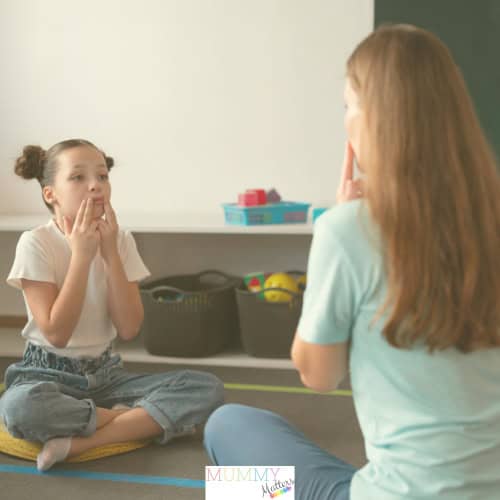
Childhood should be a time of wonder, exploration, and growth, but for many children across the UK and Ireland, emotional challenges, trauma, or developmental difficulties can make navigating early years particularly difficult. When words aren’t enough—or when children struggle to articulate their feelings—play therapy offers a unique and gentle pathway to healing. This therapeutic approach harnesses what children do naturally: play. Through carefully guided sessions, play therapy provides youngsters with a safe space to express themselves, process complex emotions, and develop essential coping skills that will serve them throughout their lives.
1. What Is Play Therapy?

Play therapy is a specialised form of psychotherapy that uses play as the primary medium through which children can explore their feelings, experiences, and relationships. Rather than sitting in traditional talk therapy sessions, children engage with toys, games, art materials, and imaginative play whilst a trained therapist observes, participates, and gently guides the therapeutic process.
In the UK and Ireland, reputable play therapists typically work within established frameworks such as the British Association of Play Therapists (BAPT) guidelines or the Irish Association of Creative Arts Therapists (IACAT) standards. These frameworks ensure that practitioners maintain rigorous training standards and ethical practices, providing families with confidence in the quality of care their children receive.
The beauty of play therapy lies in its accessibility. Children don’t need sophisticated vocabulary or mature emotional awareness to benefit—they simply need to do what comes naturally. Through this process, the therapist helps them make sense of their world, build resilience, and develop healthier ways of thinking and behaving.
2. Creating a Safe Space for Expression
One of the most significant benefits of play therapy is that it creates a genuinely safe environment where children can express themselves without fear of judgement or consequences. Many children, particularly those who’ve experienced trauma, loss, or instability, struggle to trust adults or feel secure enough to share their innermost thoughts and feelings.
The playroom becomes a sanctuary—a consistent, predictable place where children learn they can be themselves completely. Therapists carefully select materials and create an atmosphere that communicates acceptance and understanding. Whether a child needs to express anger through pounding clay, work through anxiety by repeatedly playing out scenarios with dolls, or simply sit quietly colouring, every form of expression is validated and valued.
This safe space is particularly crucial for children who’ve experienced domestic violence, abuse, or neglect—issues that affect thousands of families across the UK and Ireland each year. In play therapy, these children can begin to rebuild their sense of safety and trust at their own pace.
3. Developing Emotional Literacy
Many children struggle to identify and name their emotions, let alone communicate them effectively to others. Play therapy excels at helping youngsters develop emotional literacy—the ability to recognise, understand, and appropriately express feelings.
Through play, children learn to connect actions and scenarios with emotional states. A therapist might help a child notice that when their toy figure is pushed away by others, it might feel sad or rejected. These observations help children begin to understand their own emotional experiences and recognise that feelings are normal, valid, and manageable.
For children in the UK and Ireland dealing with common challenges such as separation anxiety, school-related stress, or friendship difficulties, this emotional literacy becomes a powerful tool. They learn that emotions aren’t scary or overwhelming but rather signals that can be understood and addressed.
4. Processing Trauma and Difficult Experiences
Children who’ve experienced traumatic events—whether bereavement, parental separation, bullying, illness, or abuse—often lack the cognitive development and language skills to process these experiences through traditional talking therapies. Play therapy provides an alternative route to healing.
Through symbolic play, children can safely explore and process traumatic experiences without having to relive them directly. A child might use puppets to enact scenarios that mirror their experiences, allowing them to gain perspective, test different outcomes, and gradually integrate difficult memories in a manageable way.
Research conducted across therapeutic settings in the UK has shown that play therapy can significantly reduce symptoms of post-traumatic stress in children, helping them move forward rather than remaining trapped in cycles of fear, anxiety, or destructive behaviour patterns.
5. Building Self-Esteem and Confidence
Many children who enter play therapy struggle with low self-esteem, often stemming from repeated failures, criticism, or challenging circumstances beyond their control. The therapeutic relationship itself becomes a powerful tool for building confidence.
In play therapy sessions, children experience consistent acceptance, attention, and validation—often for the first time in their lives. The therapist’s genuine interest in the child’s play communicates that they are worthy of attention and care. Children are given choices about what to play and how to direct sessions, fostering a sense of autonomy and self-efficacy.
As children master new skills in the playroom, create artwork, or successfully navigate challenging scenarios through play, they develop a stronger sense of their own capabilities. This newfound confidence often transfers to other areas of life, including school, home, and peer relationships.
6. Improving Social Skills and Relationships

For children struggling with social difficulties—whether due to autism spectrum conditions, attachment disorders, or simply developmental delays—play therapy offers a gentle way to develop crucial social skills.
Through play, children can practise taking turns, sharing, cooperating, and considering others’ perspectives. They learn to read social cues, manage conflicts, and express needs appropriately. The therapist might use role-play scenarios to help children rehearse challenging social situations, such as joining a group at playtime or handling disagreement with friends.
Group play therapy, which is increasingly offered across therapeutic services in the UK and Ireland, provides additional opportunities for children to practise these skills with peers in a supported environment. These experiences can be transformative for children who’ve struggled with loneliness or social isolation.
7. Supporting Families Through Challenging Times
Play therapy doesn’t exist in isolation—it typically involves regular communication with parents and carers, helping families understand their children’s inner worlds and develop more effective parenting strategies.
Therapists often provide feedback sessions where they help parents interpret their children’s play themes and behaviours, offering insights that can transform family dynamics. Parents learn new ways to respond to challenging behaviours, understanding that a child’s aggression or withdrawal might be expressing unmet emotional needs rather than simply “being naughty.”
Some play therapy approaches, such as filial therapy, actively involve parents in the therapeutic process, teaching them play therapy techniques they can use at home. This empowers families and extends the benefits of therapy beyond weekly sessions.
8. Addressing Specific Mental Health Challenges
Play therapy has proven effective for addressing a wide range of childhood mental health issues that are increasingly prevalent across the UK and Ireland. Children experiencing anxiety, depression, ADHD, or obsessive-compulsive behaviours can all benefit from this approach.
For anxious children, play therapy provides opportunities to explore fears in controlled, manageable ways, gradually building coping mechanisms and resilience. Children with ADHD benefit from the structure and consistent boundaries of the therapeutic relationship whilst having their need for movement and expression accommodated.
The non-verbal nature of play therapy makes it particularly valuable for children with language delays, autism spectrum conditions, or selective mutism—conditions where traditional talk therapy might be inaccessible or ineffective.
9. Culturally Sensitive and Inclusive Care
The diverse populations of the UK and Ireland require therapeutic approaches that respect cultural differences and individual family values. Play therapy’s non-verbal focus makes it inherently more culturally accessible than approaches that rely heavily on verbal communication and shared cultural references.
Play transcends language barriers, making play therapy particularly valuable for refugee and immigrant children who may be learning English whilst simultaneously processing experiences of displacement or trauma. The universal language of play allows these children to access support whilst they develop language skills.
Trained play therapists in the UK and Ireland increasingly receive training in cultural competence, ensuring they can work sensitively with families from diverse backgrounds, respecting different parenting styles, family structures, and cultural perspectives on mental health and wellbeing.
10. Long-Term Benefits and Life Skills
The benefits of play therapy extend far beyond childhood. The emotional regulation skills, self-awareness, and healthy coping mechanisms developed through play therapy become lifelong assets that help children navigate adolescence and adulthood with greater resilience.
Children who’ve experienced play therapy often demonstrate improved academic performance, not necessarily because therapy focuses on educational content, but because they’re emotionally available to learn. When children aren’t consumed by anxiety, trauma, or emotional dysregulation, they can engage more fully with education and opportunities.
Furthermore, the experience of a healthy therapeutic relationship can serve as a template for future relationships, helping children understand what respectful, boundaried, and nurturing connections feel like.
Conclusion
Play therapy represents a powerful, evidence-based intervention that honours children’s developmental needs whilst addressing significant emotional and behavioural challenges. Across the UK and Ireland, thousands of children have experienced the transformative benefits of this gentle yet profound therapeutic approach.
In a world where childhood mental health challenges are increasingly recognised and taken seriously, play therapy offers hope and healing through the most natural childhood activity: play. It provides children with tools they’ll use throughout their lives whilst meeting them exactly where they are—in the imagination, creativity, and wonder that define childhood itself.
For families navigating difficult times, play therapy isn’t just about fixing problems; it’s about nurturing resilience, fostering emotional health, and helping children become the confident, self-aware individuals they’re meant to be. In this light, play therapy isn’t simply therapeutic—it’s an investment in our children’s futures and, by extension, the future of our communities across the UK and Ireland.