
Teaching children to cook is one of the most valuable life skills you can pass on — but kitchen safety must always come first. From hot surfaces and sharp objects to spills and hygiene, the kitchen contains many hazards that can easily overwhelm little ones if clear rules aren’t in place.
This guide shares essential kitchen safety rules and practical safety tips to help you teach your children how to cook safely, confidently, and responsibly — whether they’re stirring their first sauce or learning how to use a knife properly.
Why Kitchen Safety for Children Matters
The kitchen is full of everyday risks that adults often take for granted. Boiling water, sharp knives, hot food, appliances, and cleaning products all pose potential danger if children don’t understand how to use them safely.
By setting clear kitchen safety rules, you help prevent accidents, build confidence, and ensure your home remains child safe while still allowing children to be involved in cooking.
Essential Kitchen Safety Rules to Teach Your Children
1. Oven Safety: Managing Heat and Hot Surfaces
The oven is one of the biggest common kitchen hazards for children.
Teach your kids to:
- Never touch the oven door or hot surfaces without adult permission
- Keep hands away from the front of the cooker
- Understand that pans, trays, and racks stay hot even after cooking
- Stand back when opening the oven to avoid steam and contact with hot air
Make sure handles toward the back and pans are positioned on the back of the stove whenever possible.
Tip: If you have a boiling water tap, ensure children know it’s off-limits unless supervised.
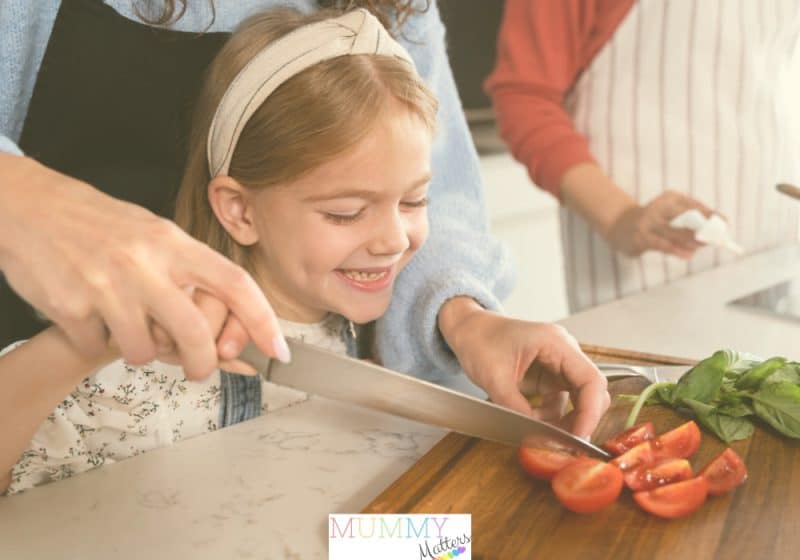
2. Knife Safety: Teaching Children to Use a Knife Correctly
Learning to use a knife is an important milestone, but it must be done safely.
Kitchen safety tips for knives:
- Start with age-appropriate kitchen knives
- Teach children to chop slowly using a claw grip
- Always cut away from little fingers
- Never run or walk while holding sharp objects
- Keep knives out of the reach of children when not in use
Children should learn early that sharp knives are tools, not toys.
3. Appliance Safety: Understanding Kitchen Equipment
Many accidents happen due to misuse of an appliance.
Teach children:
- Not to touch food processors, mixers, or blenders without help
- To keep fingers away from moving parts
- That appliances stay hot or sharp even when switched off
Ensure any appliance cord is not within reach of children.
4. Fire Safety in the Kitchen
Fire safety is a critical part of kitchen safety for kids.
Every child should know:
- Never leave cooking unattended (never leave the kitchen when cooking)
- What to do if something catches fire
- That water should never be used on oil fires
Make sure you keep a fire extinguisher accessible and explain its purpose. Ideally, have a fire extinguisher in your kitchen and a simple fire plan children understand.
5. Food Safety and Hygiene Rules

Good hygiene helps keep your kitchen safe and reduces the risk of illness.
Teach children:
- To wash their hands before and after preparing food
- Why germs can spread from raw food
- Not to lick utensils while cooking
- How to clean surfaces properly
Explain food safety in simple terms so each child knows why it matters.
6. Spill Management and Kitchen Mess
Slips are a common cause of injury.
Teach your kids to:
- Spot a spill quickly
- Clean up spills straight away
- Keep floors clear while cooking
A tidy kitchen helps prevent accidents and keeps everyone safe.
7. Utensils and Kitchen Tools
Children should learn which utensil is safe to use and when.
Explain:
- Which kitchen tools are child-friendly
- Why some items in the kitchen are adults-only
- How to store utensils safely in a cupboard
This builds independence while keeping things child safe.
8. Burns and Scald Prevention
Hot food, steam, and boiling water are major risks.
Teach children to:
- Keep distance from hot pans
- Avoid reaching over pots
- Understand how scald injuries happen
- Ask for help when draining water
This helps reduce burns and scalds significantly.
9. First Aid Awareness
Children don’t need to be experts, but basic awareness helps.
Show them:
- Where the first aid kit is
- When to tell an adult immediately
- That even small cuts matter
This reinforces responsibility and safety precautions.
Teaching Kitchen Safety by Age
For Little Ones
- Focus on observation and simple tasks
- Explain rules gently and repeatedly
- Keep children away from hazards
For Older Children
- Teach children how to use knives properly
- Allow supervised use of appliances
- Involve them in planning and clean-up
Being involved in cooking builds skills while reinforcing safety.
Common Kitchen Safety Mistakes Parents Make
- Assuming children “just know” what’s dangerous
- Allowing access to sharp knives too early
- Forgetting to child-lock the dishwasher
- Leaving cleaning products in a low cupboard
Make sure your kids understand why rules exist — not just what they are.
Frequently Asked Questions About Kitchen Safety for Kids
What are the most important kitchen safety rules for children?
The most important rules include knife safety, oven awareness, hygiene, spill management, and never leaving cooking unattended.
At what age can children start cooking?
Children can help from a young age with supervision. Skills should increase gradually based on maturity and ability.
How do I make my kitchen child safe?
Use clear rules, store hazards out of reach, supervise cooking, and teach safety consistently.
Should children use real knives?
Yes — with supervision and proper instruction using child-appropriate kitchen knives.