

Kitchen safety precautions are a must for every mum. A well-maintained kitchen can be a space of nourishment and creativity – the beating heart of a home. But it can also be a place where potential hazards can lead to accidents and illnesses. In between managing work, raising kids and trying to maintain a semblance of a “normal” life, we can often overlook these risks. So, to help you keep the heart of your home beating as it should, here are 7 quick safety checks that even a busy mum can easily fit into her week.
1. Keep an eye on use-by dates and recall notices

Whenever you can, go through the refrigerator and check dates. Throw away anything that’s past its expiration date – particularly if it’s meat or dairy. It’s just not worth the risk of getting sick from mould and bacteria that thrive on expired food. Keep an eye on things like salad kit recalls and food warnings, too. As food safety technology and checks get more sophisticated, authorities are catching more problems and issuing more recall notices. Be diligent, and get rid of anything that comes up with a recall alert.
2. Regularly Check and Clean the Refrigerator
Your refrigerator is a ticking time bomb for bacterial growth if not regularly cleaned and checked. Leftover food, spilt liquids, raw meat, and seafood can all become a hotbed for harmful bacteria. Once you’ve done your weekly expiration checks, clean the shelves of your refrigerator with a mild cleaner.
3. Test Your Smoke Alarm
Most home fires begin in the kitchen – and they can spread very quickly. So, it’s vital to have good, working smoke detectors. Once a week, press the test button and make sure the alarm sounds. Don’t forget to replace the batteries twice a year and the entire smoke alarm every 10 years.
4. Inspect Your Fire Extinguisher

Along with a smoke alarm, if you do not have a kitchen-rated fire extinguisher, it’s time to get one. Scrutinise the extinguisher’s pressure gauge once a week to confirm that it’s functional, and ensure it’s within easy access but away from potential heat sources.
5. Ensure the Safety of Light Switches and Electrical Outlets
Damaged electrical wires, overloaded outlets, or faulty light switches can lead to electrical fires. Always check for signs of scorching around the plugs and sockets, flickering lights, or any kind of buzzing or crackling sound that might indicate faulty wiring.
6. Keep Oven and Stove Top Clean
Residual oil, food debris, and grease can attract pests, harbour bacteria, and become a fire hazard. A clean oven and stove top reduces the risk of fire and extends the longevity of your appliances.
7. Organise Cleaning Supplies
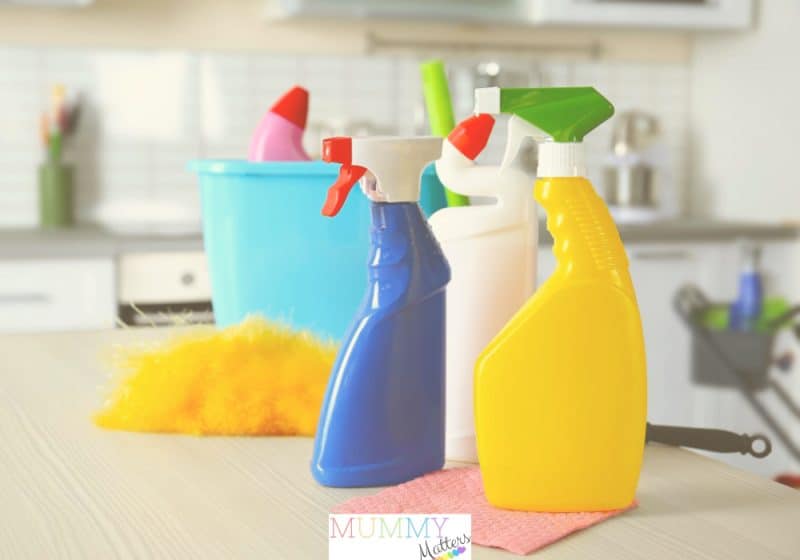
Cleaning materials often contain hazardous chemicals. These should be safely stored away from food and out of the reach of young children and pets. Regularly check these items for leaks or spills, and ensure child locks are functioning.
In conclusion, safety checks don’t have to be time-consuming or laborious. Being proactive can make a huge difference in ensuring the safety and health of your family. With just a few safety checks each week, you can keep your kitchen a safe and secure place where your children can learn and thrive. Remember, the time taken to carry out these checks is much less expensive than dealing with the aftermath of an avoidable accident or illness.