
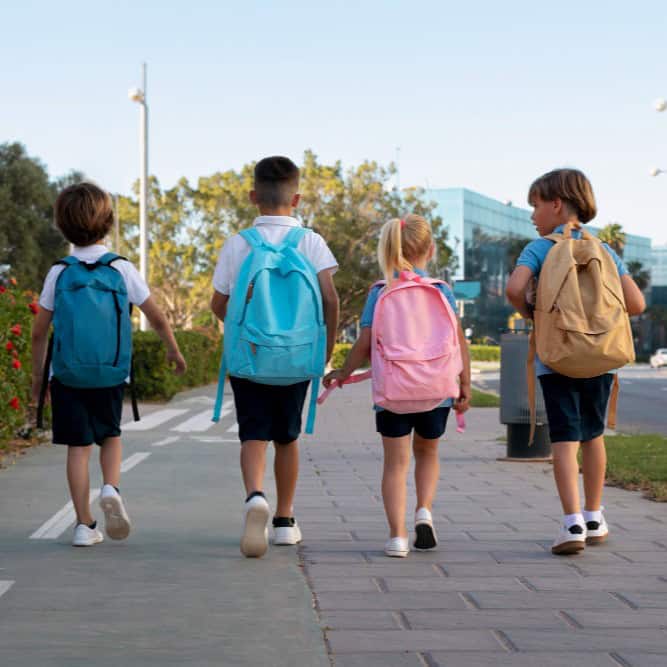
Summer break can feel exciting yet overwhelming for children. As a mum, I know how important it is to help children transition smoothly from the structure of school days to the freedom of summertime. Their emotional wellbeing deserves as much attention as their physical safety, and preparing them emotionally helps them thrive during these months. Let’s explore practical ways to support their emotional development and social-emotional learning (SEL) over the summer.
Emotional Development: Understanding Big Emotions
During the summer break, children can experience a rush of big emotions — excitement, anxiety, or even frustration. The sudden change from a structured day of school to unstructured free time may trigger separation anxiety or challenging behaviour. Helping kids understand and name their feelings with emotion words is a simple yet powerful first step. Journaling together about their thoughts and feelings can encourage self-awareness and build an emotional connection, giving them a safe space to process the various emotions they may face.
Emotional Wellbeing: Creating a Sense of Security
Children need to feel safe and supported to foster their emotional well-being during the summer. Consistent routines, even during the holidays, can help your child regulate their emotions and develop healthy coping strategies. Encourage open communication, where children feel comfortable expressing their emotions without fear of judgment. This emotional support will strengthen their ability to handle challenges and build a positive outlook for the weeks ahead.
Social and Emotional Learning (SEL): Strengthening Social Skills
Social-emotional learning (SEL) is essential to children’s development, especially when school routines pause for summer. Summertime provides opportunities to boost social skills through playdates, learning games, and time together as a family. Social and emotional skills like sharing, empathy, and teamwork can be nurtured by modelling positive behaviour yourself. Children and adults alike benefit from spending time outside, which supports physical activity and lowers stress, helping children learn to express their emotions in a healthy way.
SEL and Behaviour: Helping Children Thrive
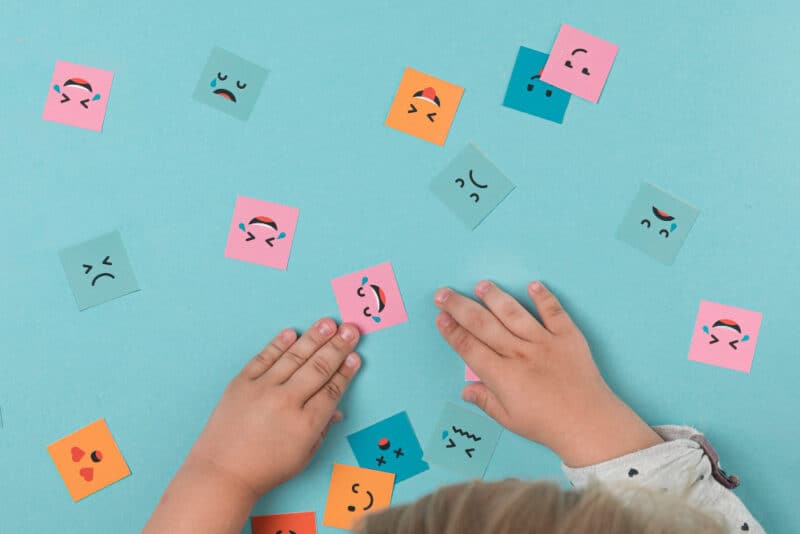
Children’s behaviour during summer break often reflects how well they are coping emotionally. It’s helpful to teach children how to recognise facial emotions and nonverbal cues, which improves their empathy and self-awareness. Building a consistent routine and giving plenty of time for relaxation can also prevent frustration or overstimulation. When you allow children the space to get creative, they build confidence and learn valuable problem-solving skills that support their social-emotional learning journey.
Boost Emotional Regulation with Mindfulness and Self-Care
One of my favourite ways to support emotional regulation is through mindfulness. Simple breathing exercises, storytelling, or gentle yoga can calm big emotions and help kids regulate their feelings. Remember to practice self-care together as a family — children learn best by watching the adults around them. Taking time for journaling, physical activity, or quiet reflection fosters emotional well-being during the summer and teaches positive coping strategies that will last well beyond the holidays.
Keeping Kids Engaged: Balance Screen Time and Play
It’s tempting to let screens fill the long days of summer, but balancing screen time with outdoor adventures and creative activities is key to protecting your child’s wellbeing. Schedule family time with games, art projects, or reading to encourage emotional connection and reduce stress. Children thrive when they know there is quality time together as a family, giving them a safe space to explore their interests and express themselves freely.
Resources for further reading:
- NHS: Children’s Mental Health
- Anna Freud National Centre for Children and Families
- YoungMinds: Supporting Your Child
By staying tuned in to your child’s emotional needs, modelling positive emotions, and encouraging open conversation, you can help parents and children move confidently into summer. Supporting their social-emotional growth now lays the foundation for a happier, healthier break and beyond.