
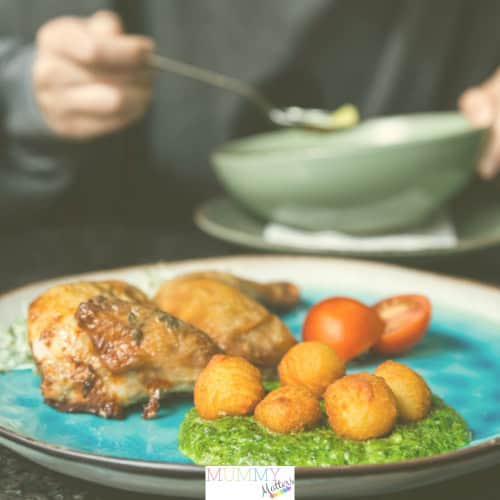
It’s a familiar story for anyone who appreciates a great meal but is short on time. You start the week with the best intentions—to cook healthy, delicious dinners. But as the days unfold, the demands of work and life drain your energy. The thought of planning, shopping, cooking, and then facing a sink full of dishes becomes overwhelming.
The writer Virginia Woolf famously noted, “One cannot think well, love well, sleep well, if one has not dined well.” This sentiment captures the modern conflict perfectly. We know that a good meal is central to a good life, yet our busy schedules often force a compromise. For years, “convenience” meant sacrificing quality, flavor, and nutrition.

But that trade-off is becoming a thing of the past. A massive shift in consumer behavior is fueling the rise of gourmet ready-to-eat meals, moving them from a niche concept to a dominant market force. This isn’t just about frozen dinners; it’s a culinary revolution built on fresh ingredients, chef-driven recipes, and the belief that you should never have to compromise on dining well. In fact, the global prepared meals market is projected to reach USD 291.27 billion by 2032, proving that millions are seeking a better way to eat.
Key Takeaways
- A New Definition of Convenience: Gourmet ready-to-eat meals are defined by fresh, high-quality ingredients, chef-designed recipes, and advanced preparation techniques—a world away from traditional frozen dinners loaded with preservatives.
- Driven by Modern Demands: This trend is powered by busy professionals who demand food that is both convenient and healthy, refusing to sacrifice nutrition or taste for the sake of saving time.
- Benefits Beyond Time: The key advantages extend beyond a free schedule to include better nutrition through portion control, reduced food waste, and consistent access to a wide variety of delicious, interesting meals.
- How to Choose Wisely: Selecting the right service involves looking for fresh (not just frozen) ingredients, a diverse and rotating menu, and flexible options like non-subscription models that prioritize customer freedom.
The Modern Food Dilemma: Craving Quality, Lacking Time
For many busy professionals, the daily food cycle is a source of frustration and guilt. You fantasize about a perfectly cooked piece of salmon with roasted asparagus, but the reality is often disappointing. The cycle typically involves intending to cook, running out of time, and defaulting to unhealthy takeout, expensive delivery apps, or the same three boring meals you know how to make in 20 minutes.
This routine does more than just affect your diet; it chips away at your well-being. Food, which should be a source of pleasure and nourishment, becomes just another task on an endless to-do list. The dissatisfaction of eating another mediocre meal can feel like a personal failure, a sign that you don’t have your life as “together” as you’d like.
It’s this exact pain point that has redefined the food industry. The growing demand for meals that combine culinary quality with genuine convenience has created a new market. It’s no longer about just finding something quick; it’s about accessing a healthy gourmet experience any day of the week, without the prep or cleanup. Many people now rely on meal prep in Oklahoma City to have fresh, balanced meals ready when they need them, making it easier to maintain a healthy routine without added effort.
What “Gourmet Ready-to-Eat” Actually Means
The term “gourmet” can feel overused, but in the context of modern ready-to-eat meals, it has a specific meaning. It signals a fundamental departure from the convenience foods of the past. This isn’t about reheating a tray of processed ingredients; it’s about enjoying a thoughtfully prepared dish where quality is the priority.
“Gourmet” here refers to three key pillars:
- Quality of Ingredients: It starts with fresh, whole foods. Think vibrant vegetables, high-quality proteins, and complex carbohydrates, often sourced from trusted suppliers. The focus is on what goes into the meal, not what preservatives can be added to make it last for months.
- Culinary Expertise: These Oklahoma meal prep options are developed by actual fitness experts. The recipes are crafted to create balanced, complex flavor profiles that you’d expect in a good restaurant, not a factory. This expertise ensures the meals are not just nutritious but genuinely delicious and interesting.
- Advanced Preparation Methods: Modern services use cooking and packaging techniques designed to preserve flavor, texture, and nutrition. Technologies like vacuum sealing and modified atmosphere packaging (MAP) keep food fresh and safe without resorting to freezing or loading it with sodium and chemical preservatives.
This stands in stark contrast to traditional convenience foods, which are built for shelf life and low cost, often at the expense of health and taste.
Beyond the TV Dinner: How Modern Meals Are Different
The difference between a modern gourmet meal and a classic TV dinner is night and day. A quick comparison makes the distinction clear.
| Feature | Gourmet Ready-to-Eat | Traditional Convenience Meals |
|---|---|---|
| Ingredient Quality | Fresh, seasonal, whole foods | Processed, frozen, often contains fillers |
| Preparation | Chef-designed, small-batch cooking | Mass-produced, highly automated |
| Nutritional Focus | Balanced macronutrients, high protein, fiber | High in sodium, preservatives, and saturated fat |
| Flavor Profile | Complex, fresh, and nuanced | Simple, often artificial or overly salty |
Why is Everyone Talking About Healthy Convenience Food Now?
The explosion of high-quality ready-to-eat meals isn’t a random occurrence. It’s a direct response to a fundamental shift in our lifestyles and values. Several key cultural and market drivers have aligned to make this the perfect moment for a food revolution.
The Shift in Consumer Mindset
For decades, consumers were told they had to choose: food could be either healthy or convenient, but rarely both. That assumption no longer holds. Today’s consumers see health and convenience as equally important goals that should not be mutually exclusive.
This demand for healthy convenience is a direct response to “packed schedules, growing nutritional awareness, and a stronger focus on long-term wellness.” People in Oklahoma are more educated than ever about the impact of food on their energy levels, physical health, and mental clarity. As a result, they are actively seeking out food solutions that fit their busy lives without derailing their wellness goals. According to a study from The Packer and 84.51°, high protein is a key benefit sought by every age group, and 63% of shoppers want new innovations in convenience foods.
A Dominant Force in the North American Market
If you feel like you’re seeing more options for high-quality prepared meals, you’re not imagining it. This isn’t a niche trend confined to coastal cities; it’s a mainstream movement sweeping the country.
In fact, data shows that North America held the largest share of the global ready meals market at 41.4%. This massive market share isn’t driven by old-school frozen dinners. It’s fueled by evolving consumer preferences for healthier, fresher, and more diverse options. This market size reflects millions of people just like you who are tired of the old compromises and are actively seeking better meal solutions.
How to Choose a Ready-to-Eat Meal Service That Feels Truly Gourmet
With the growing popularity of these services, the number of options can be dizzying. To find a service that truly delivers a gourmet experience, you need to know what to look for. Here are the key criteria to evaluate.
Look for Fresh, Not Just Frozen: This is perhaps the most important differentiator. Services in Oklahoma that prepare and deliver their meals fresh are prioritizing flavor, texture, and nutritional integrity. While frozen can be convenient, it rarely matches the quality of a fresh meal.
Inspect the Menu Variety: A static, unchanging menu can lead to flavor fatigue quickly. Look for services that offer a rotating weekly menu. This not only keeps things interesting for you but also signals a higher level of culinary creativity and a commitment to using seasonal ingredients.
Check for Sourcing and Ingredient Transparency: The best services are proud of what goes into their food. They are often transparent about where they source their ingredients and prioritize whole-food inputs over processed components. Look for clear nutritional information and ingredient lists.
Evaluate Flexibility and Commitment: Ask yourself a critical question: does this service lock me into a rigid subscription? A customer-focused model offers flexibility. Look for options that allow you to order when you want, pause easily, and don’t require a long-term commitment. This freedom shows the company is confident you’ll return because of quality, not obligation.
Conclusion
The modern food dilemma is real, but the solution is finally here. You no longer have to choose between a delicious, well-made meal that makes you feel good and the convenience your busy life demands. The rise of gourmet ready-to-eat food is a direct and powerful response to the needs of people who, like you, believe that one should always “dine well.”
By prioritizing fresh ingredients, culinary skill, and customer flexibility, these services are proving that convenience and quality can go hand-in-hand. They offer a sustainable way to reclaim your time, achieve your health goals, and rediscover the joy of eating a great meal.
The next time your schedule feels overwhelming and your energy is low, remember you don’t have to compromise. You can simply set your table, and relax.