
I sat in a clinic waiting room last week, watching an elderly man video-chat with his granddaughter while waiting for his appointment. I was surprised to learn how much health care has changed since Grandpa’s time – and how much it still changes. We live in the most exciting era of medicine, where technology not only replaces human care, but improves it in ways that feel both revolutionary and deeply personal.
The New Assistant in the Reading Room
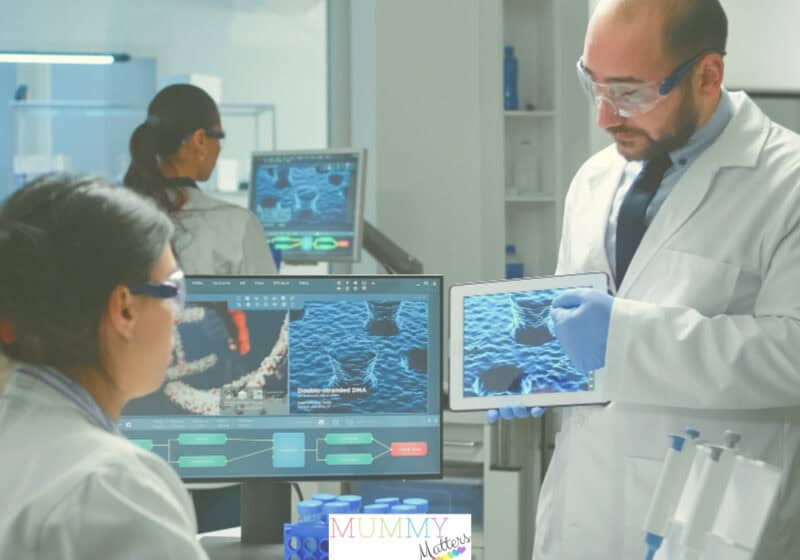
My cousin Sarah is a radiologist, and she describes her work differently these days. “It’s like having the most meticulous partner who never gets tired,” she told me over coffee last month. She showed me how new imaging tools highlight areas that need closer inspection – subtle patterns even experienced eyes might miss during a long day of reading scans.
What does this mean for regular people? For my neighbor Brenda, it meant finding breast cancer so early that she only needed minor surgery. For Tom across the street, it meant detecting his kidney issues before they became serious. Just like Prime Nic Pouches offer an innovative alternative for nicotine users, these tools work alongside doctors like Sarah, helping them catch what human eyes might overlook in a moment of fatigue.
The Watch That Cares
Do you remember when the coolest health goal was the pedometer? My friend Mark discovered that his smartwatch tracked more than steps when it notified him of an irregular heartbeat. He attributed some dizziness to stress, but the constant alerts convinced him to see a doctor. He was diagnosed with a heart disease that needed treatment—caught early thanks to technology he wore every day.
This represents a basic shift: The health care system goes from occasional testing to continuous monitoring. People suffering from diabetes can now see glucose levels in real time. People with blood pressure problems become mild reminders when the numbers rise. It is the health care system woven into daily life instead of something that only happens in clinical environments.
Precision in the Operating Room
When my brother needed knee surgery, we expected a long recovery. Instead, he was back to light jogging in weeks. His surgeon used robotic assistance – “like giving me GPS for the human body,” the doctor explained. This system allowed less incision and remarkable precision, which led to minor tissue damage and faster healing.
This isn’t about robots replacing surgeons. It’s about amplifying human skill. The surgeon remains in complete control but with enhanced vision and steadier “hands” than any human could naturally possess. The result? Procedures that were once major ordeals are becoming manageable interruptions in people’s lives.
Treatment Tailored to You
Perhaps the deepest change is how personal medicine has become. My aunt struggled with depression for years, taking medication that either did not work or caused serious side effects. Then her doctor suggested genetic testing to find out what type of antidepressant would work best with her body chemistry. After testing, he first got the right medicine.
This approach is even more effective in the treatment of cancer. Doctors can now analyze the specific genetic composition of a tumor and choose treatments designed for the vulnerabilities of the cancer in question. This is the difference between using a scattergun approach and having an exact targeted strategy.
Care Wherever You Are
I’ll never forget my first telehealth appointment. I’d put off seeing a dermatologist for months, dreading the time off work and hour-long drive. When a virtual deal became available, I planned it for my lunch break. The doctor examined my skin condition through the camera and prescribed treatment, and I was back at work in thirty minutes without leaving my office.
This facility is particularly meaningful for parents with young children, elderly patients with transport problems, and people in rural areas. Mental health care has been particularly beneficial; there is something about being in your own comfortable room that makes the therapy more accessible.
The Heart of the Matter
With all this technology, people sometimes worry that medicine gets cold and impersonal. My experience has been the opposite. When my mother was in the hospital last year, the nurses used the tablet to access their records immediately instead of disappearing in search of a diagram. The doctors had more time to talk with us because automated systems handled routine monitoring.
The best medical technology does not create distances – it breaks down barriers between caregivers and patients. It handles administrative tasks and data analysis, and releases health professionals to do what they do best: to connect to people, understand their concerns, and guide them through health challenges.
What I see is not a future where machines will replace doctors, but a future where technology will help medical professionals to practice more efficiently. This allows for previous detection, more precise treatment and care that fits into people’s lives instead of disturbing their lives.
The next time you visit your doctor, take note of the small changes – the digital records, the online portal, the monitoring devices that look like everyday gadgets. We’re not heading toward a sterile, impersonal medical future. We’re moving toward one where technology serves humanity, helping medical professionals do what they’ve always wanted to do: help people live healthier, fuller lives.