
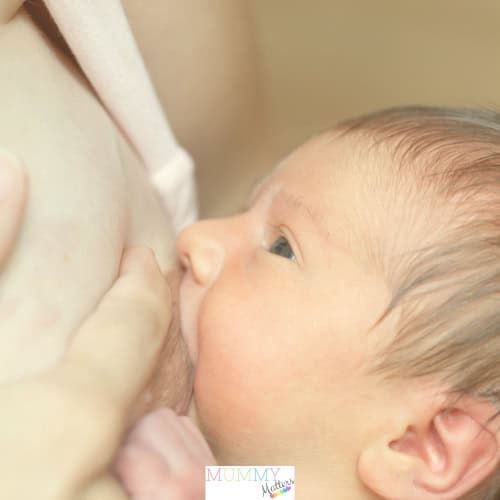
Breastfeeding is an amazing moment, nevertheless, it may get complicated and irritating when you suffer from flat nipple breastfeeding. Infants might have a hard time latching on, which in turn makes the whole process stressful for the mother as well as the child. The good side in this part is that several women can still successfully feed their babies breastmilk if they follow just a couple of easy steps and receive appropriate support. Having necessary things like a cooler bag breast milk is also a great help when you are away from home.
This article will offer some easy and gentle ways for the baby to get a more natural latch with flat nipples. You are going to find out the different methods of positioning, the convenient tools, and a few of the ways that can make nursing easier and more efficient. We shall get started!
What Is a Flat Nipple and How to Tell If You Have One

A flat nipple is one that even when stimulated does not stick much and may still be at the same level as the areola. In certain situations, a flat nipple can make breastfeeding more difficult as infants are sometimes unable to get a proper latch.
One way to know is by pressing gently around the areola – if the nipple goes back or it doesn’t show, it is probably flat or inverted. Such a situation is usual and does not imply that you are not able to breastfeed; a lot of mothers with the help of the correct technique and support make it through the flat nipple breastfeeding phase.
Can You Breastfeed With Flat Nipples? (Yes—Here’s How)
Of course, feeding your baby is still possible even if you have flat nipples. It is not only the nipple that the kids touch to get the milk, but they also have to take in part of the areola. You may also need to do some minor adjustments so that flat nipple breastfeeding can still be successful and comfortable. To make it easier your method could be as shown as follows:
Step 1: Prepare Before Feeding
Hand express or pump for a minute to draw out the nipple and soften the breast.
Step 2: Encourage Nipple Stimulation
Before insertion, help the nipple to protrude by rubbing or massaging it.
Step 3: Try Supportive Positions
Use the laid-back or football hold to give your baby better control at the breast.
Step 4: Shape the Breast
Help the baby to grasp more tissue by turning your breast into a “sandwich” and releasing the hold.
Step 5: Consider a Nipple Shield
If really necessary, try a very thin nipple shield, but only as a temporary aid with the assistance of a professional.
Step 6: Increase Skin-to-Skin Contact
Put your baby on your bare chest so that he can start looking for the breast and have a natural latch.
Challenges Baby May Face When Latching
Babies may require a lot of time and practice to get a good latch during flat nipple breastfeeding. Some little ones may be able to adjust quickly, while others may be having a hard time at the beginning.
The knowledge of the possible issues enables you to be prepared for them and to find ways that will make feeding easier for both of you.
- Trouble drawing in enough breast tissue for a deep latch
- Slipping off the breast during feeding
- Longer or tiring feeding sessions
- Fussiness if milk flow is slow
- Sore nipples for mom due to shallow sucking
- Baby becoming frustrated or refusing the breast
- Difficulty gaining weight if latch remains weak
Techniques to Help Draw Out the Nipple Naturally
For many moms, gently encouraging the nipple to protrude before feeding can make flat nipple breastfeeding easier. These are very easy methods to do at home:
- Nipple Stimulation – Gently roll or massage the nipple with your fingers to encourage it to stand out.
- Hand Expression – Express some milk before feeding to make the areola softer and assist the nipple protrusion.
- Cold Compress – Briefly apply a cool cloth or ice pack to the nipple to trigger it to stick out.
- Breast Pump – For a minute or two before feeding, take out the nipple with the help of a pump.
- Breast Shaping – Compress the breast into a “sandwich” shape so your baby can latch onto more tissue.
- Skin-to-Skin Contact – Generally, the baby is stimulated to root and the nipple thus becomes prominent naturally.
Using Nipple Shields: Pros, Cons, and When to Try Them
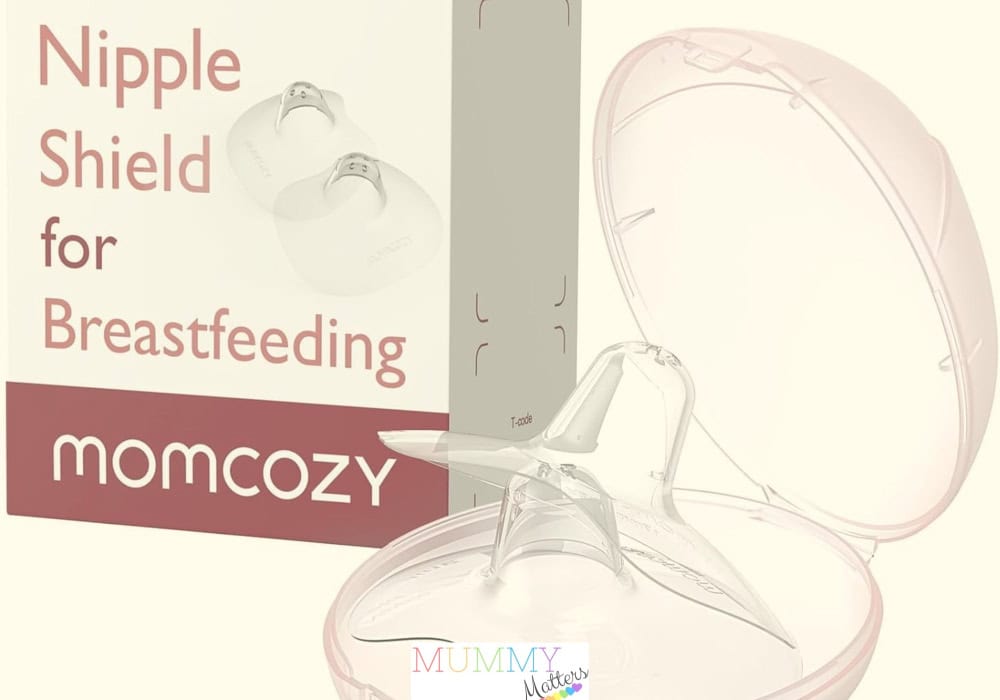
Nipple shields are small silicone protectors that fit over the nipple to help a baby latch on the right way. For some moms, they can make flat nipple breastfeeding just easier, especially in the early weeks. On the other hand, they are recommended to be used only with the advice of a healthcare professional in breastfeeding so that they facilitate feeding and not create more problems.
Pros
- Helps babies latch when nipples are flat or inverted
- Can reduce nipple soreness from shallow latching
- Allows feeding continuity while baby learns to latch directly
Cons
- May slightly reduce milk transfer if not fitted properly
- Some babies may become dependent on the shield
- Cleaning and sterilizing between feeds requires extra effort
When to Try Them
In case your baby is having a hard time latching on every time and you find it painful to nipple, and you think the quantity of milk letdown is low, then the use of a nipple shield would be appropriate.
Eventually, they are advocated as a temporary solution while the babies and mothers are doing the direct latching practice. In case a problem persists after setting off a nipple shield, do not hesitate to contact a lactation consultant.
When to Use a Pump to Assist With Nipple Eversion
When your baby is unable to latch directly due to flat nipple breastfeeding, a breast pump could be a very handy tool. Pumping for a minute or two just before feeding can slowly pull out the nipple thus, your baby can latch more easily.
These are the situations when you can think of using a pump to facilitate nipple eversion:
- Your nipples stay flat even after stimulation
- Baby struggles to latch or keeps slipping off
- Your breasts feel overly full and firm, making latching harder
- You want to encourage nipple protrusion before practicing with baby
- You need to maintain or build milk supply while working on latch
In the case of storing expressed milk, having a cooler bag breast milk can keep it fresh and safe especially if you are away from home. It is not necessary for you to do long pumping; just enough to allow the nipple to stick and the areola to soften. Most infants eventually learn to latch better on their own after some time without needing the pump.
Getting Support From a Lactation Consultant Early On
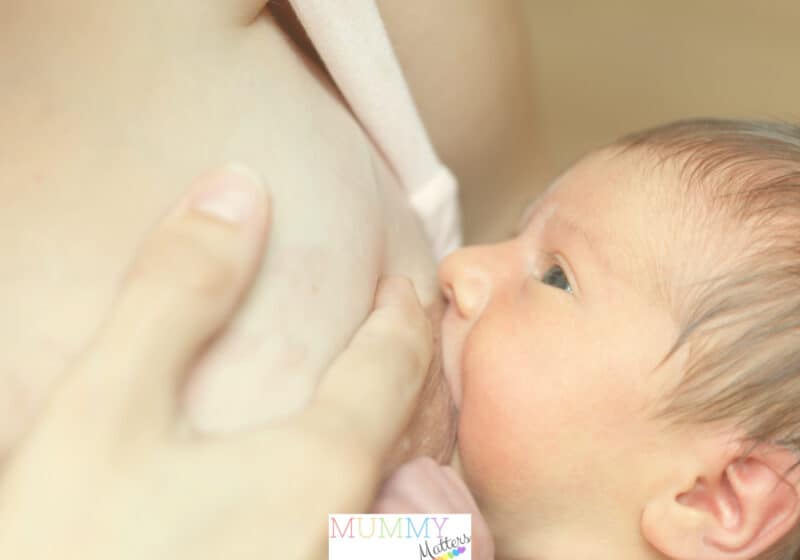
If you are beginning a flat nipple breastfeeding experience, then the first step that you should take will definitely be contacting a lactation consultant.
These experts can look at the way your baby’s latch, recommend positions that are most suitable and also help you in the correct use of devices such as pumps and nipple shields.
In the beginning, the assistance during breastfeeding not only helps in preventing nipple pain and inefficient milk transfer but also provides the mother the necessary reassurance.
Additionally, a lactation professional can provide tailored answers to your difficult situations which then make the discomfort to be relieved and as a result, you and your child can continue to breastfeed for a longer time.
Conclusion
Feeding a baby with a flat nipple can be very frustrating at the beginning, but most of the mothers with time and proper technique as well as support from others are able to provide food to their babies. It is perfectly feasible to extract the nipple physically and to use the pump or the shield as an aid which are some of the ways to make flat nipple breastfeeding more comfortable.
It is also worth remembering that you are not alone and if you need a lactation consultant, you should ask for help. Also, it will be an additional advantage if you have a cooler bag breast milk so that the journey can be smoother. Gradually, you and your baby will be able to find your own pace with practice and help.
Once you and your baby are getting more confident with latching, you may also find these tips for breastfeeding in public helpful when you start feeding away from home.