
Moving with pets is a significant transition that requires careful planning and consideration. Animals rely on routine and familiar surroundings to feel secure, so significant changes can cause stress, anxiety, or confusion. To make the process as smooth as possible, especially for families considering shipping a puppy or moving with a long-time companion, it’s crucial to prioritize their well-being throughout every stage of the move.
Relocating with pets presents unique challenges, including maintaining familiar routines and ensuring safe transportation. Following best practices for pet relocation helps protect your pet’s health and emotional state. Whether your journey involves shipping a puppy across the country or driving a cat to a new home, these tips ensure everyone arrives safe and happy.
Preparing Your Pet Before the Move

The groundwork for a successful move begins weeks before moving day. Maintain your pet’s established feeding, exercise, and play routines to foster a sense of normalcy during the changes in your home. This consistency reassures your pet and helps them cope with the increasing activity as moving day approaches.
Schedule a visit to the veterinarian to confirm all vaccinations are current and obtain any necessary documentation for interstate or international moves. Use this opportunity to discuss possible calming aids if you anticipate your pet may become stressed. Also, update your pet’s microchip and ID tags with your new address and contact information for added security during transit.
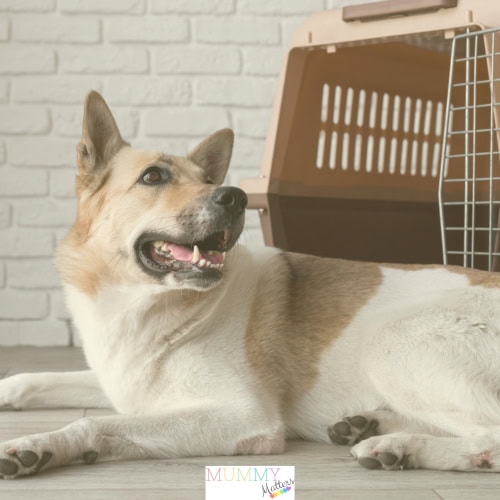
If your pet will be transported in a crate or carrier, start acclimating them early. Leave the carrier in a familiar spot with treats and toys inside to form positive associations. Regular curiosity and short, stress-free stays inside the carrier will make the travel day more straightforward.
Packing and Prepping: Minimizing Anxiety
As you pack, it’s natural for your pet to sense the disruption and become uneasy. Designate one room as your pet’s sanctuary to make this period easier. Fill this “safe zone” with their bed, blankets, food, water, and toys to provide a comforting, stable retreat.
- Create a Safe Packing Zone: This area should be designated as off-limits to movers and other significant traffic. Place familiar-smelling items in the room and keep the door closed as much as possible to limit exposure to chaos.
- Retain Familiar Scents: Wait to wash your pet’s bedding and favorite items until after you’ve settled into your new home. Animals find the scent of familiar items reassuring, which can ease the stress of change.
- Gradual Packing: Spread out the packing process over days or weeks. Incremental changes are less startling to pets than a sudden transformation of their environment.
Moving Day: Keeping Calm Amidst the Chaos
On moving day itself, prioritize your pet’s safety and emotional state. If friends or family cannot watch your pet, keep them confined to a low-traffic area with their essentials. This prevents accidental escapes and shields them from unfamiliar sights and sounds. A sign on the door helps ensure movers respect the pet’s space.
- Monitor Signs of Distress: Watch for behaviors such as panting, drooling, vocalizing, or attempts to hide. If they show signs of anxiety, offer familiar toys or a calming presence.
- Plan Meal Times: Avoid a large meal right before traveling to minimize the risk of motion sickness. Instead, eat a light meal several hours before the move.
Transporting Your Pet Safely

Whether you’re moving across the city or state lines, safety during travel is paramount. Always use a secure, well-ventilated carrier or crate; never allow your pet to roam freely in a vehicle. Place the carrier on a flat surface and secure it with a seatbelt for stability.
- Plan Stops: Schedule breaks every few hours during long drives to let your pet stretch, relieve themselves, and hydrate. Avoid leaving your pet alone in a parked car, as temperature fluctuations can pose serious health risks.
- Pack a Pet Travel Bag: Include food, water, medications, leashes, waste bags, a favorite toy, and other familiar items. Keeping these items within reach will keep your pet comfortable and ensure you have what you need in case of an emergency.
For additional tips on keeping your pets safe during travel, visit resources such as the ASPCA’s guide to moving with pets.
Settling into the New Home: Easing the Transition
Once at your new home, help your pet settle in by immediately designating an area with all their familiar belongings. Allow your pet to explore this space at their own pace, gradually expanding their access to the rest of the home as their confidence grows.
- Stick to a Routine: Reinstate your pet’s regular feeding, walking, and play schedule as soon as possible. Familiar routines offer crucial emotional support during periods of upheaval.
- Inspect for Hazards: Before your pet explores the entire space, check for gaps in fences, exposed wires, toxic plants, or open vents that could pose a risk.
- Supervise Early Explorations: Stay nearby and monitor your pet as they adjust to the new rooms and scents.
For advice on pet-proofing your home, the Humane Society provides helpful information on creating a safe environment for your furry friends.
Behavioral Adjustments and Patience
It’s common for pets to be unsettled initially after a move. Some may hide, whine, or skip meals, while others may have accidents. Patience, reassurance, and positive reinforcement are vital as they adapt to their new environment.
- Avoid Punishment: Don’t scold your pet for regressive or anxious behaviors. Instead, reward calm and positive actions with treats and affection.
- Allow Adjustment Time: Full acclimation may take several days to a few weeks. Each pet is unique, so avoid rushing the process.
- Seek Professional Help if Needed: Consult a veterinarian or professional trainer for support and advice if anxiety or behavioral issues persist.
Treat the process with understanding—moving is a big step for you and your animal companion. By giving them the structure, reassurance, and attention they need, you’ll ensure a happier transition and help them settle smoothly into their new home.